A five-country study has found that African users want climate services tailored to local places, livelihoods and knowledge systems.
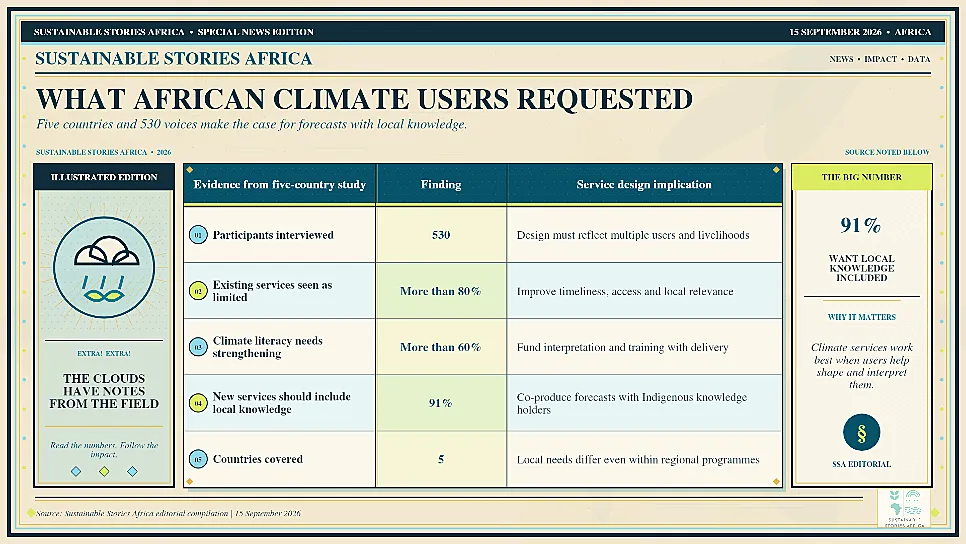
More than 80% reported limitations in existing services, while 91% wanted news tools to include Indigenous and local knowledge.
The findings challenge funders to finance collaboration, translation and trusted delivery, not only forecasts and digital products.
Forecasts Must Reach Real Decisions
Climate information is only useful when it helps someone decide what to do.
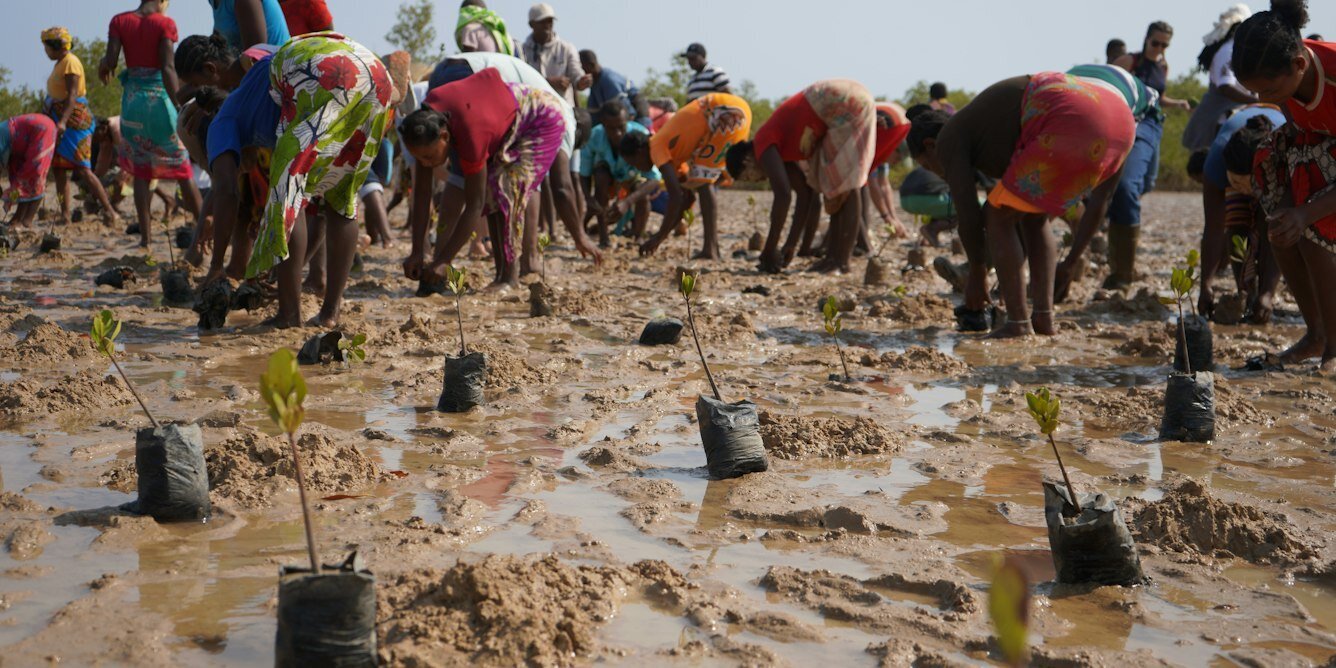
Across Ghana, Kenya, Tanzania, Madagascar and South Africa, people restoring mangroves, managing grazing land and protecting urban green areas say many current services are too broad, technical, late or disconnected from the knowledge communities already use.
Researchers interviewed 530 participants from community groups, governments, non-governmental organisations, businesses, research bodies and other institutions involved in nature-based solutions.
- More than 80% said existing services had limitations.
- 91% said new services should include Indigenous and local knowledge.
The message is clear: adaptation information must be co-produced, not merely transmitted.
Local Detail Changes Practical Choices
Users already rely on rainfall and temperature forecasts and warnings for heat, floods and drought.
However, a regional rain outlook does not tell a pastoralist how soil moisture will affect forage in a specific grazing area or tell a mangrove nursery which location faces the highest flood risk.
- Participants wanted climate data combined with information on river flow, soil moisture, vegetation, fire, animal health and human movement.
Access is another constraint.
- Smartphone applications and technical reports exclude people where data is expensive, reception is weak or literacy levels vary.
- Community radio, notice boards, messaging applications and trusted local networks can work together, allowing people who receive and understand information to share it.
More than 60% of respondents said climate-change literacy also needed strengthening.
Co-production Makes Adaptation Work
The proposed improvement is not simply a more sophisticated forecast.
- It is a service that combines science, lived experience and practical guidance.
In Turkana, Kenya, traditional seers known as Emuron anticipate severe weather, while elders send scouts to assess water and pasture.
- Participants suggested bringing such knowledge holders together with scientists to create better services.
This approach can improve trust and help communities act earlier.
- Farmers could adjust planting or grazing.
- Fishers could respond to tides and storms.
- Local authorities could focus flood preparation on vulnerable wards.
When delivered in local languages and useful formats, climate information becomes infrastructure for livelihoods rather than a report that arrives after decisions have been made.
Fund Relationships Behind Every Forecast
Governments and development partners should budget for travel, community meetings, translation, facilitation and repeated engagement.
- These are not peripheral communication costs. They are the work required to make climate products accurate, legitimate and usable.
Providers should also test services against decisions rather than downloads.
- Evaluation should ask whether users changed planting dates, protected assets or avoided losses, and whether marginalised groups could access the information.
African research institutions can lead this shift by combining meteorological expertise with social science and community governance, while ensuring that local knowledge is recognised and not extracted without consent.
Path Forward – Makes Climate Knowledge Locally Useful
Climate services should connect forecasts with land, water, livelihoods and the trusted networks through which communities already make decisions.
Funders must support sustained co-production, translation and climate literacy alongside technology.
When communities help design the service, information becomes more actionable, inclusive and capable of protecting both ecosystems and incomes.
Culled from:Africa's climate services need local detail and knowledge, say people who use the information