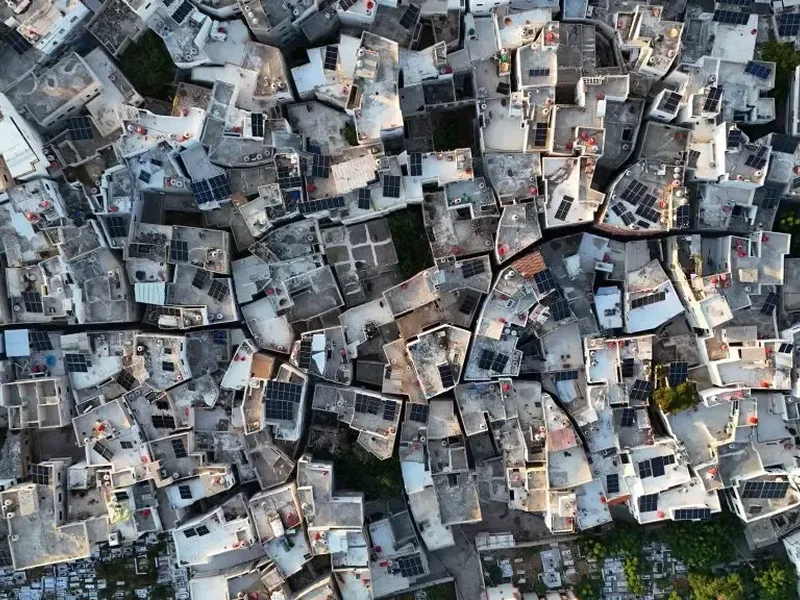
Tunisia has approved 309 solar projects totalling 455 megawatts, more than double the capacity initially targeted in its latest authorisation round.
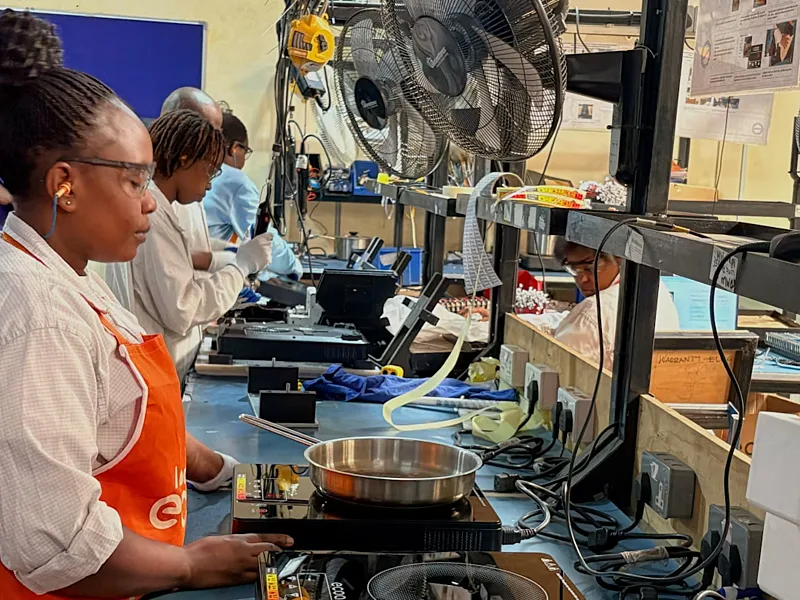
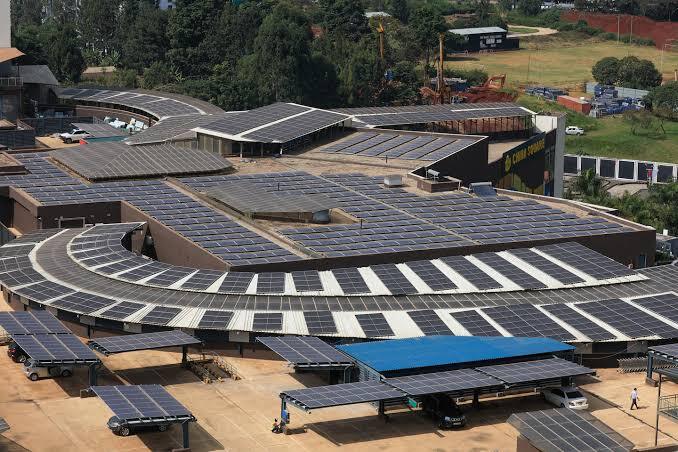
In Kenya, KCB is partnering with public universities to finance solar systems that can reduce electricity bills.
Together, the developments show private capital aligning from broad renewable ambition towards investable projects linked to real institutional demand.
Solar Demand Exceeds Public Targets
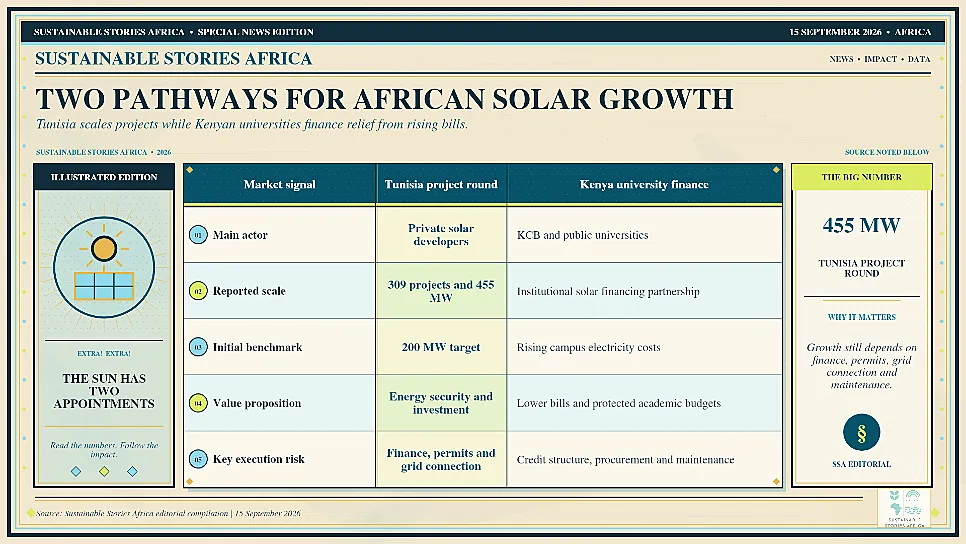
Tunisia has approved 309 solar projects with combined capacity of 455 megawatts under the sixth round of its renewable-energy authorisation scheme, more than twice the 200 megawatts initially targeted.
- The round takes total solar capacity selected through the scheme beyond one gigawatt and signals that private developers see an investable market despite wider economic uncertainty.
In Kenya, solar's financing model is widening at the customer end.
- Kenya Commercial Bank has signed a memorandum of understanding with public universities to support solar investment as institutions confront rising operating and electricity costs.
The two developments show different parts of the same transition: governments creating project pipelines while lenders help end users afford the infrastructure.
Finance Meets Daytime Energy Demand
Tunisia's oversubscription matters because the country remains exposed to declining domestic oil production and international energy volatility.
- Solar generation can reduce fuel dependence, strengthen energy security and create new work for developers, engineers and local suppliers.
However, approval is only the first stage; projects must still secure finance, grid connections and timely construction.
Universities present a compelling solar market because much of their electricity demand occurs during daylight hours.
- Lecture theatres, laboratories, offices and digital infrastructure can consume power when panels are producing.
If loan repayments are structured around avoided utility costs, institutions can invest without bearing the full upfront capital burden.
Savings Can Strengthen Public Services
When solar cuts a university's energy bill, the savings can be redirected towards teaching, research, student services or maintenance.
- Reliable on-site power can also protect laboratories and digital learning from outages.
For lenders, a portfolio of institutional projects creates repeatable demand and experience that can support hospitals, schools and other public facilities.
At the national level, private investment can expand capacity faster than constrained public budgets alone.
- South Africa has already shown how corporate procurement can become a major source of new renewable projects.
- Tunisia's round suggests appetite also exists in North Africa when rules provide a visible route to authorisation.
The opportunity is to connect investor demand with credible off-takers and infrastructure that can absorb the power.
Convert Approvals Into Operating Assets
Tunisia should publish project milestones, grid-connection timelines and delivery data so that awarded capacity can be distinguished from operational generation.
- Transparent queues and predictable permits will reduce development risk and the cost of capital.
- Procurement should also encourage local skills and suppliers without creating delays that undermine viability.
Kenyan universities and KCB should establish clear baselines for energy use, select systems through competitive procurement and disclose expected savings, maintenance responsibilities and repayment terms.
- Regulators can support standard contracts and energy audits.
Across both markets, the test is not how many projects are announced, but whether clean power is delivered affordably and reliably.
Path Forward – Moves Solar Capital Into Service
Tunisia must turn oversubscribed approvals into connected capacity, while Kenyan universities need financing structures that convert energy savings into affordable repayments.
Transparent pipelines, standard contracts and credible performance data can help private capital scale solar without weakening public finances, delivering cleaner power where institutions and communities use it every day.
Culled from: Private sector appetite for solar keeps growingBanks step up green financing for learning institutions