Asian energy buyers are examining African oil and LNG projects as disruption around the Strait of Hormuz exposes supply concentration.
Uganda's expected first oil, Angolan offshore development and Mozambican LNG offer diversification, but longer routes and complex infrastructure raise costs.
Africa's opportunity depends on disciplined revenues, lower emissions and a balance between exports and domestic energy development.
Supply Disruption Redirects Asian Interest
African oil and liquefied natural gas projects are gaining strategic attention from Asian buyers seeking alternatives to concentrated Middle Eastern supply routes.
Discussions at the Asia Pacific Petroleum Conference in Singapore highlighted Uganda's first oil, Angolan offshore development and Mozambique's LNG projects as potential sources in a more uncertain trading system.
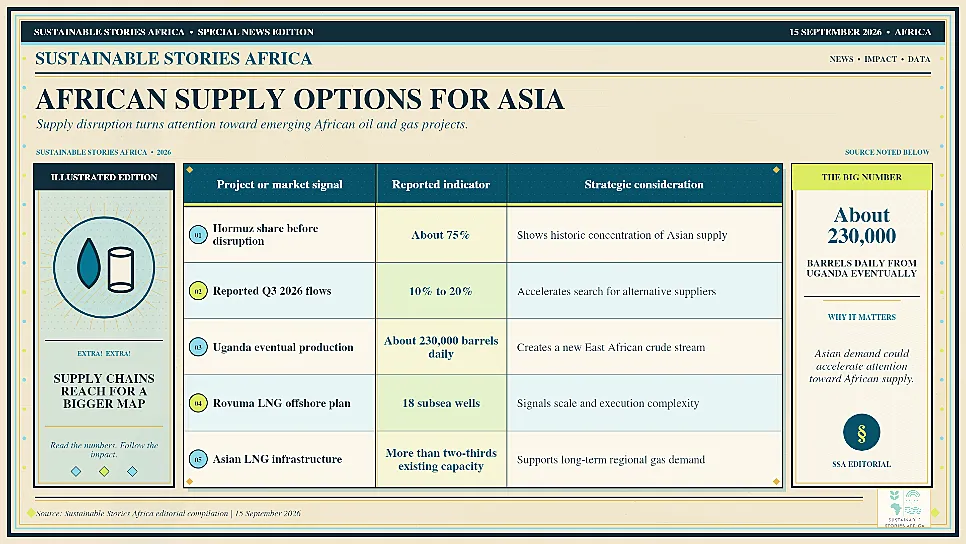
Before the current disruption around the Strait of Hormuz, roughly 75% of Asia's Middle Eastern crude imports passed through the route, according to figures cited by S&P Global Energy.
By the third quarter of 2026, flows fluctuated between 10% and 20%.
- Such a sharp interruption forces refiners and governments to value diversity alongside headline price.
Opportunity Arrives With Higher Costs
African supply can reduce dependence on the Gulf, but geography matters.
- Longer voyages to Asian refineries raise freight and insurance costs and require more tankers to move the same volume.
- Buyers must compare that delivered cost with the security benefit of having additional sources.
Uganda expects its first crude exports by the end of 2026 and eventual production of about 230,000 barrels per day.
- Its Pearl Sweet grade is being marketed with Asian demand in mind through potential spot sales and longer-term contracts.
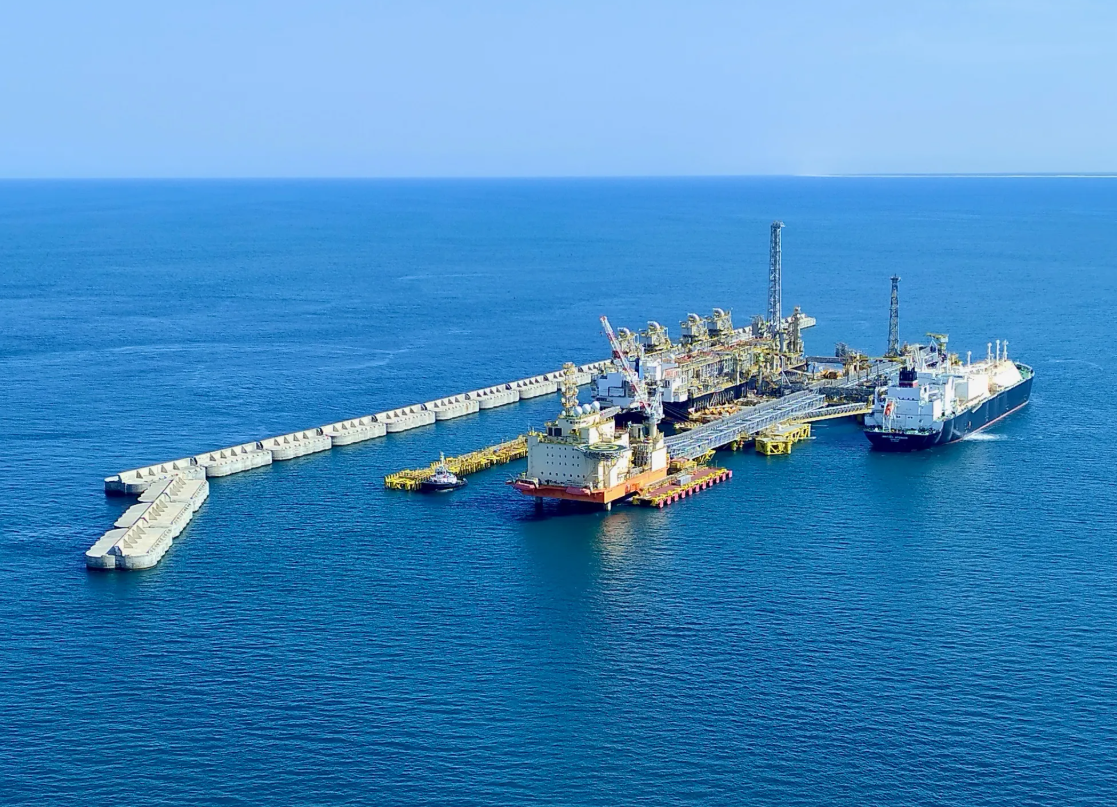
Angola is advancing offshore projects, while Mozambique's Rovuma LNG development includes offshore work involving 18 subsea wells feeding a planned onshore facility.
Resource Wealth Can Support Development
New customers can broaden African export markets and improve revenue certainty.
- Projects can generate foreign exchange, fiscal income, jobs and demand for ports, pipelines, power and local services.
- Gas also has potential domestic uses in electricity, fertiliser and industry, where reliable energy remains a constraint.
However, developmental outcome is not automatic.
- Long-lived projects compete for capital in a world expanding renewable energy and tightening emissions expectations.
- Investors will assess methane performance, regulatory risk and the possibility that demand changes before capital is recovered.
Governments must decide how much gas to export and how much to use domestically, while avoiding public liabilities built on optimistic prices.
Govern Projects Beyond First Exports
Producer governments should publish fiscal terms, revenue-management rules, environmental assessments and local-content outcomes.
- Independent oversight can reduce corruption and ensure that earnings support productive investment rather than recurrent spending alone.
- Methane measurement and best-available emissions controls should be required from the beginning.
Contracts should also reflect the energy transition.
- Flexible development stages, realistic demand scenarios and decommissioning provisions can limit stranded-asset exposure.
- Asian buyers and financiers should share responsibility for credible environmental and social standards.
Communities affected by pipelines, ports and extraction need meaningful participation, compensation and accessible grievance systems.
Path Forward – Converts Exports Into Resilience
Africa's strategic relevance will last only if projects deliver transparent revenues, local value, lower emissions and protection for affected communities.
Governments should balance exports with domestic energy and industrial needs while testing investments against changing demand.
Diversification can benefit both Asian buyers and African producers, but disciplined governance must begin before the first cargo leaves.