Research in two coastal communities in Kerala, India, finds that residents understand climate change through what they see, lose and value locally.
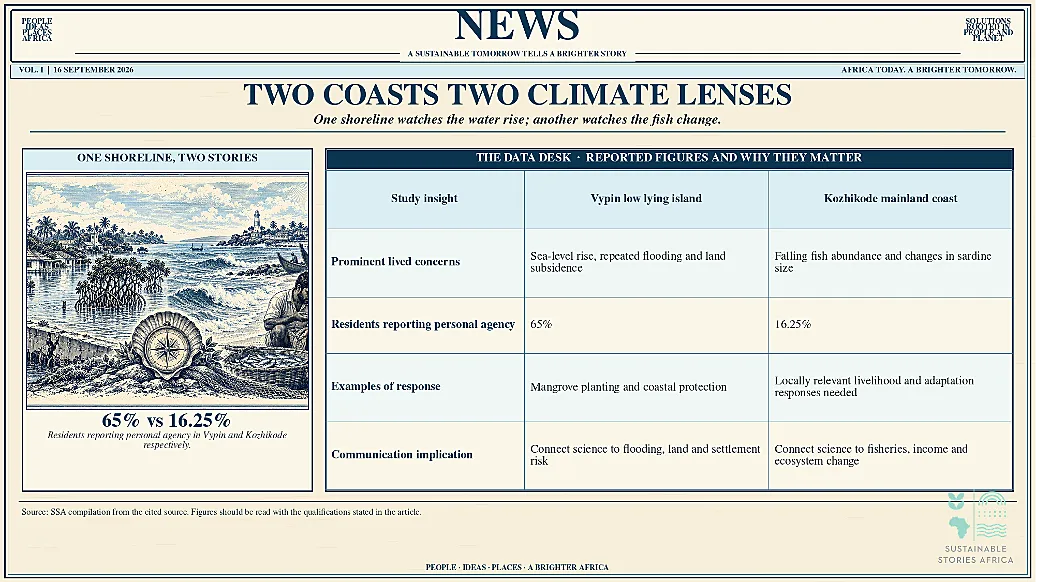
Island residents emphasised flooding, sea-level rise and land subsidence, while mainland participants focused more on fish decline and changing sardine sizes.
The findings challenge uniform climate messaging and support communication built with communities, not simply delivered to them.
One Coastline Holds Many Climate Realities
People can live along the same broad coastline and still experience climate change as different crises.
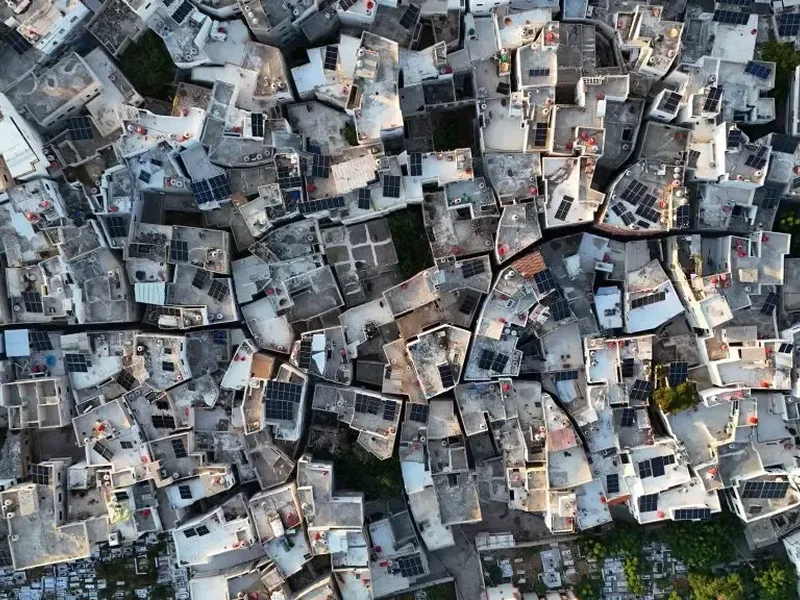
- In Kerala, southern India, residents of low-lying Vypin spoke about recurrent flooding, rising seas and sinking land.
- Along the mainland coast of Kozhikode, people more often described fewer fish and changes in sardine size.
A new study says that difference should reshape how governments communicate climate risk.
The research, published in Ocean & Coastal Management, examined perceptions, beliefs and knowledge in the two coastal settings.
- It found a gap between widespread awareness of environmental change and scientific understanding of its causes.
However, the researchers caution against treating local explanations as mere ignorance
- Lived experience often contains precise observations about danger, livelihoods and adaptation, even when residents do not use scientific language.
Communities Interpret Risk Through Daily Life
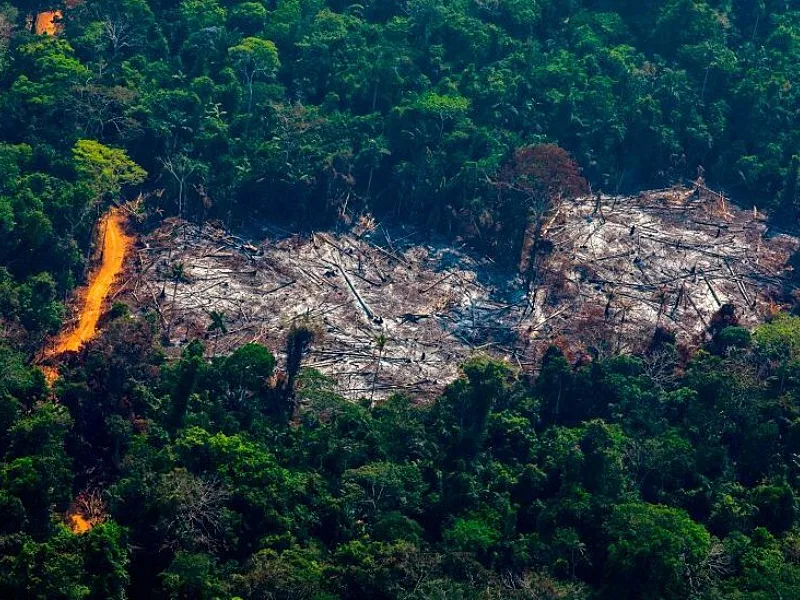
Participants connected climate change not only to global warming but also to deforestation, urbanisation, pollution and plastic dumping.
- Some drew on religious or cultural ideas, including divine control or punishment.
These explanations show that climate knowledge is filtered through local history, belief and immediate environmental conditions.
That matters because explanations shape agency.
- If residents believe local littering alone causes climate change, they may assume individual behaviour alone can solve it.
- Such a view can obscure the responsibility of governments, high-emitting industries and financial institutions to reduce emissions, fund adaptation and protect vulnerable communities.
The risks described were also uneven.
- Participants spoke about lost livelihoods, temporary relocation, damage to homes, interruptions to education, health concerns and psychological stress.
- Some feared that rising seas could eventually take their houses; others considered migration.
The climate crisis was therefore not an abstract forecast but a sequence of decisions about income, safety, schooling and belonging.
Local Knowledge Can Strengthen Climate Action
The study also found active responses.
- Residents described tree planting, plastic reduction, coastal protection and nature-based approaches.
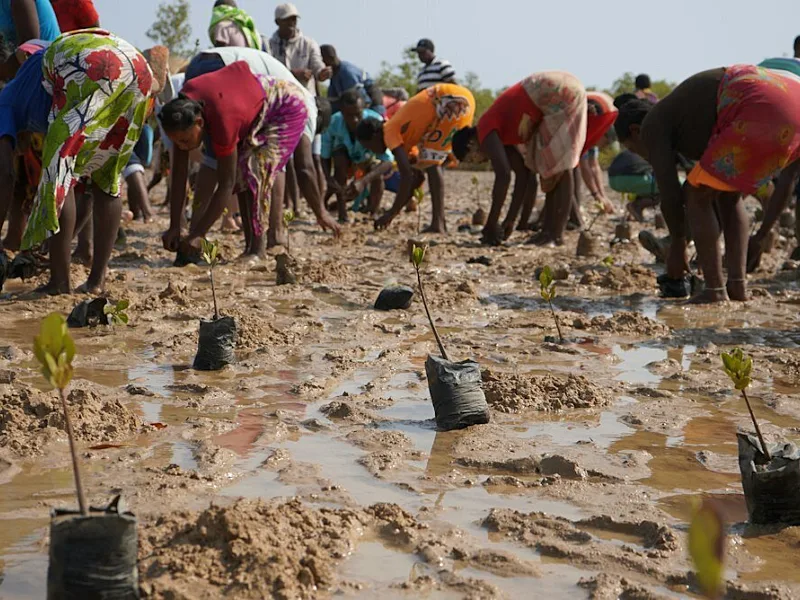
- In Vypin, some people identified mangroves as protection against erosion and had planted them around their homes.
These actions reveal a base of practical knowledge that policy can support rather than overwrite.
Perceived agency differed sharply:
- 65% of participants in Vypin said they could do something about climate change.
- Compared with 16.25% in Kozhikode.
This contrast does not prove that one community is more capable than the other.
- It shows why communication and adaptation programmes must understand local barriers, confidence and exposure before prescribing action.
When scientific evidence connects to the changes people already recognise, climate information can become more credible and useful.
- Fishers can link observed catch changes to ocean warming and ecosystem stress; households facing floods can connect land subsidence, drainage and sea-level rise to specific preparedness measures.
Better communication can therefore support better investment decisions.
Replace Broadcast Messaging With Shared Learning
The researchers recommend locally adapted materials, participatory dialogue, experiential education and the co-production of knowledge.
- In practice, authorities should work with fishers, women’s groups, schools, health workers, faith leaders and local governments to identify trusted language, observed changes and realistic responses.
Climate communication must also distinguish between personal action and structural responsibility
- Communities can restore mangroves, reduce waste and prepare for floods, but they cannot finance sea defences, reform high-emitting sectors or build climate-resilient public services alone.
- Messages should clarify which institution is responsible for each response and how residents can influence delivery.
For African coastal cities and settlements, the relevance is immediate.
- From Lagos to Saint-Louis and Beira, risk communication must reflect local erosion, fisheries, drainage, housing and migration pressures.
- Policymakers should measure success not by how many leaflets are distributed, but by whether people understand the risk, trust the messenger and can act with institutional support.
Path Forward – Let Local Experience Guide Climate Communication
Governments should build place-responsive communication with communities, combining scientific evidence with local and indigenous knowledge, cultural worldviews and lived experience.
Participatory dialogue must be matched by adaptation finance and clear institutional responsibility.
The goal is informed agency: residents acting locally without being made to carry burdens that belong to governments, financiers and high-emitting sectors.
Culled from: Local experience shapes how coastal communities understand and respond to climate change