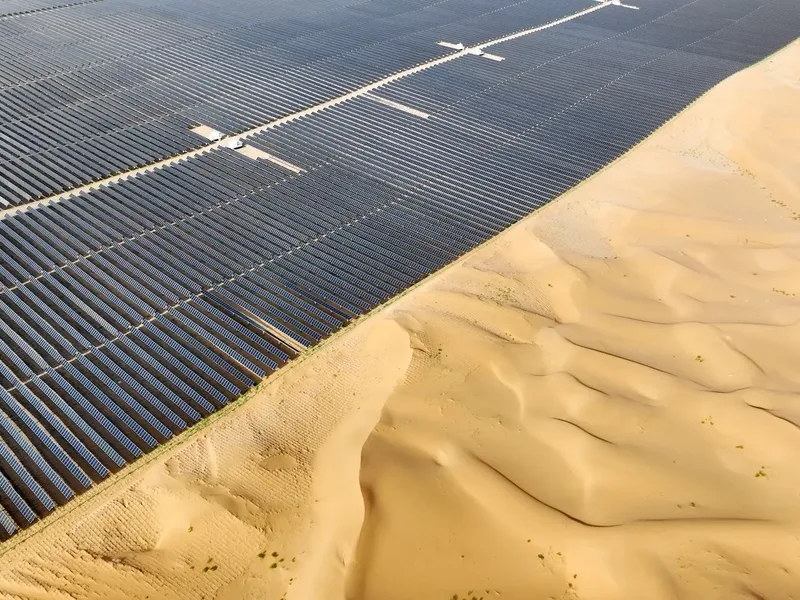
Africa's sustainability agenda is entering a decisive phase, shaped by climate risks, ESG reforms, and rising investor scrutiny.
New regulations, stronger reporting standards, and shifting capital flows are redefining how companies manage environmental and social risks.
With 2026 now underway, the real test is translating sustainability commitments into measurable impact across energy, agriculture and infrastructure.
Africa's Sustainability Moment Intensifies
Africa's sustainability agenda is moving from policy ambition to practical urgency as climate risks, regulatory reforms, and investor expectations reshape business and development priorities across the continent.
According to the Africa Sustainability Outlook 2026 by SSCG Group, governments, corporations, and financial institutions are facing growing pressure to strengthen environmental, social, and governance (ESG) practices.
Climate-related disruptions, ranging from droughts to floods, are already affecting agriculture, energy systems, and urban infrastructure.
At the same time, new sustainability disclosure requirements and investor scrutiny are pushing African businesses to improve their levels of transparency, risk management, and long-term resilience.
Climate Risks Drive Policy and Investment
Climate change remains the most significant sustainability risk for Africa. Rising temperatures, water stress, and extreme weather events are threatening food security, energy reliability, and economic stability.
Key sectors under pressure include:
- Agriculture, which employs over half of Africa's workforce
- Energy, where demand is rising faster than the clean-power supply
- Urban infrastructure, increasingly exposed to flooding and heat stress
Governments are responding with climate-adaptation plans, renewable-energy targets, and green-infrastructure strategies.
However, implementation remains uneven due to financing gaps and institutional capacity constraints.
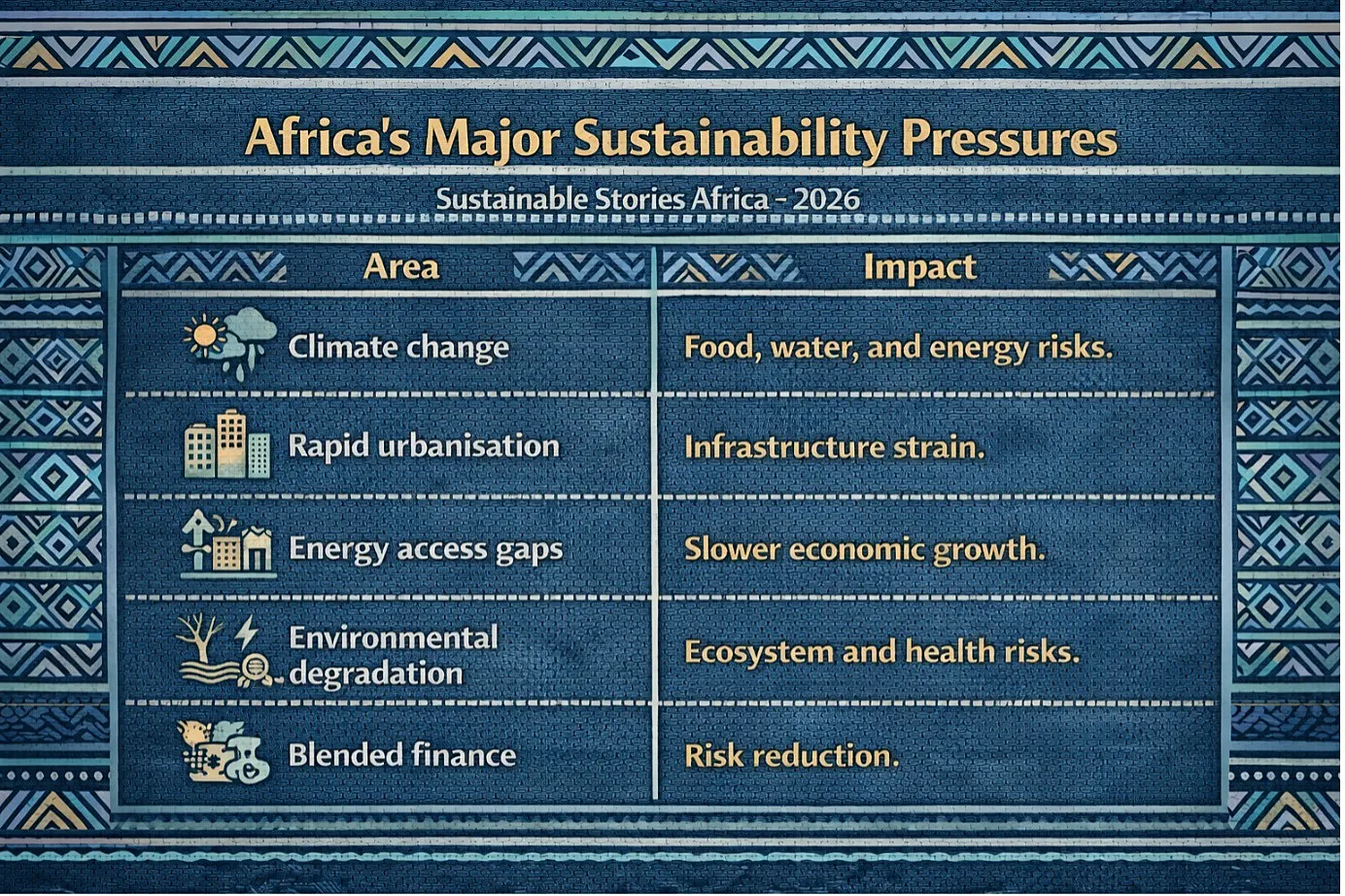
Africa's Major Sustainability Pressures
| Area | Impact |
|---|---|
| Climate change | Food, water, and energy risks |
| Rapid urbanisation | Infrastructure strain |
| Energy access gaps | Slower economic growth |
| Environmental degradation | Ecosystem and health risks |
Investors are increasingly factoring climate exposure into risk assessments, influencing where capital flows.
ESG Rules Reshape Corporate Behaviour
Sustainability regulation is tightening across African markets.
Several countries are aligning with international ESG disclosure standards, including climate-risk reporting, governance transparency, and social-impact measurement.
These reforms aim to improve investor confidence, reduce greenwashing, and strengthen accountability.
For businesses, this means:
- More structured sustainability reporting
- Clearer climate-risk disclosures
- Stronger governance frameworks
- Greater stakeholder engagement
Large companies, especially companies in energy, finance, and manufacturing, are leading the shift. Smaller firms, however, often struggle with compliance costs and technical capacity.
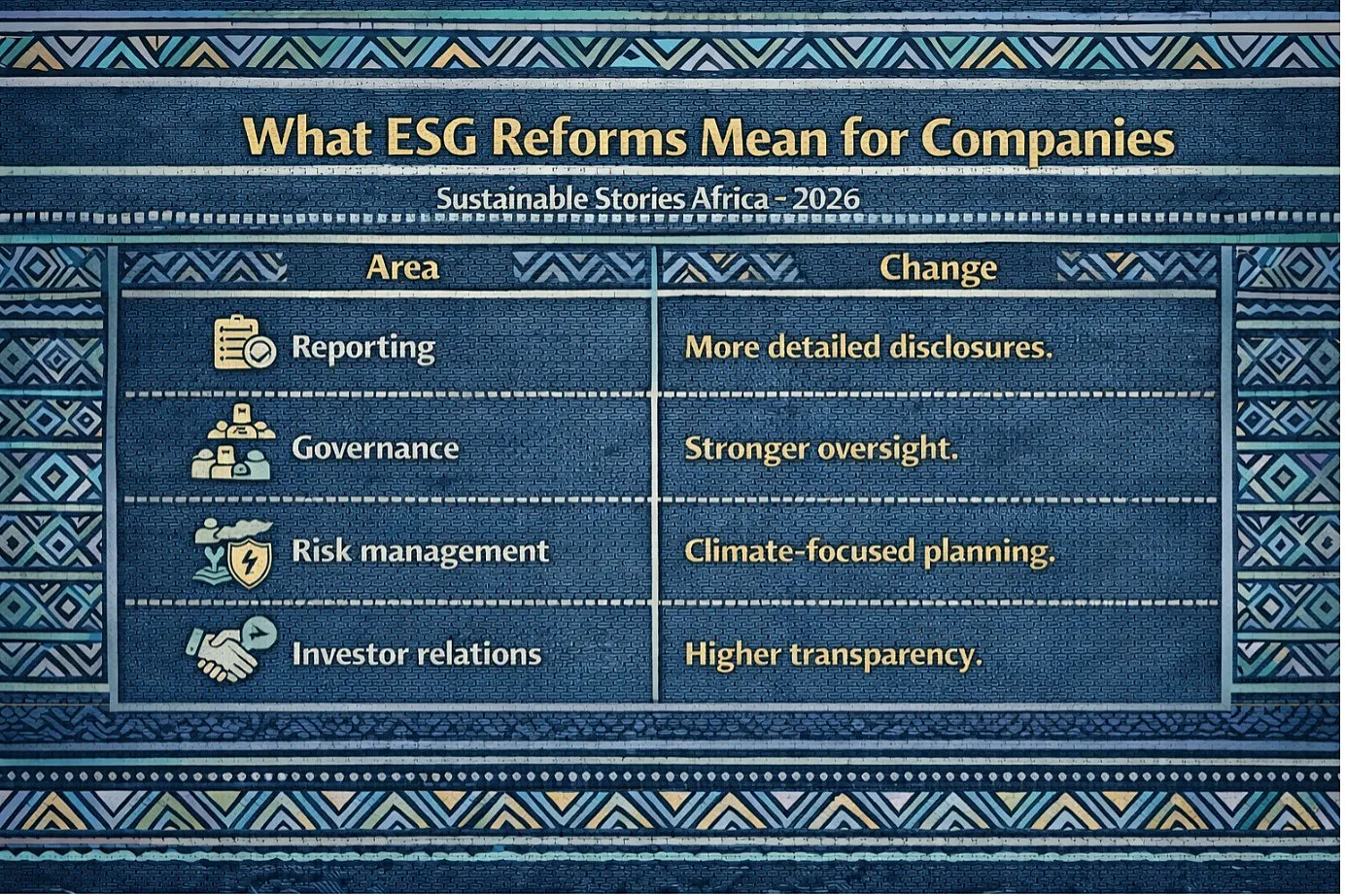
What ESG Reforms Mean for Companies
| Area | Change |
|---|---|
| Reporting | More detailed disclosures |
| Governance | Stronger oversight |
| Risk management | Climate-focused planning |
| Investor relations | Higher transparency |
The report notes that sustainability performance is increasingly linked to access to international finance and partnerships.
Investment Shifts Toward Resilience
Capital flows into Africa are gradually shifting toward projects that combine climate resilience with economic development.
Priority investment areas include:
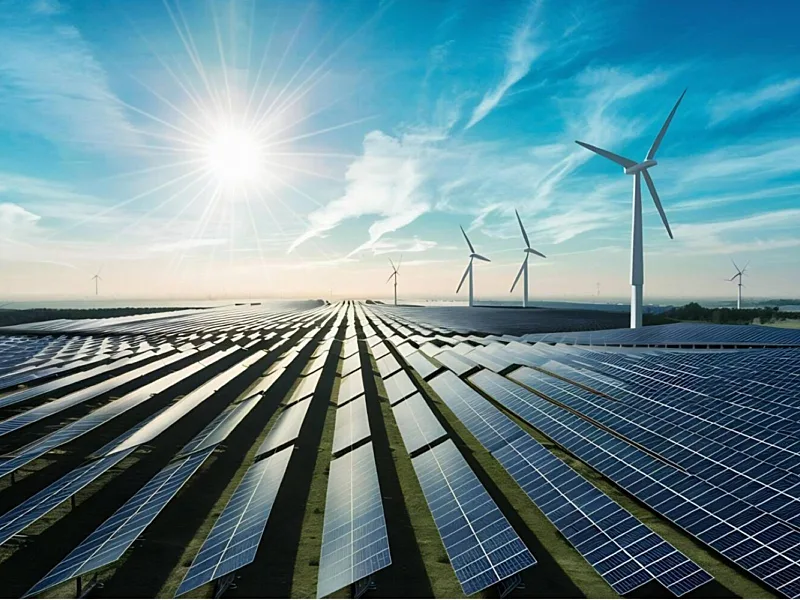
- Renewable energy and storage
- Climate-smart agriculture
- Water and waste management
- Green transport and urban systems
- Blended finance, where public funds reduce risks for private investors, is becoming more common, particularly for infrastructure and adaptation projects.
However, financing gaps remain significant. Many sustainability projects face:
- Long approval timelines
- Currency risks
- Limited project-preparation capacity
- Weak local financing markets
Without stronger pipelines and supportive policies, Africa risks falling behind in the global green-investment race.
PATH FORWARD – Turning Commitments into Climate Action
Africa's sustainability outlook in 2026 highlights both urgency and opportunity.
Climate risks, ESG reforms, and shifting investment trends are reshaping how governments and businesses plan for the future.
If policy implementation improves and finance becomes more accessible, sustainability initiatives could strengthen resilience, protect livelihoods, and support long-term economic stability across the continent.
Culled From: https://sscg-group.com/insights/f/africa-sustainability-outlook-2026?blogcategory=Africa