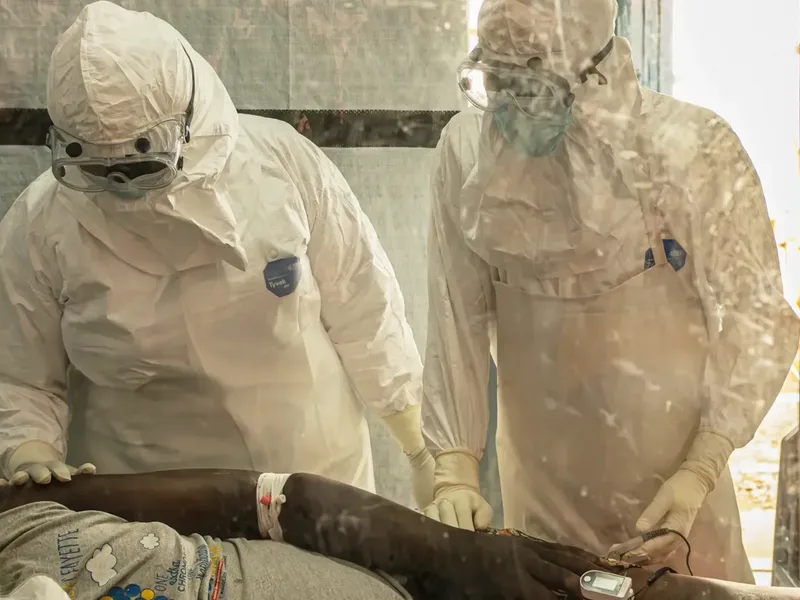
A major Australian study found extensive exposure to child maltreatment and identified important associations with mental health problems and other harmful outcomes.
Although the research examines Australian experiences, its findings raise relevant questions about childhood protection, prevention and access to care in African countries.
Building stronger child-protection systems requires reliable evidence, coordinated institutions and sustained investment in vulnerable families.
Landmark Study Reveals Extensive Childhood Harm
A major national study of child maltreatment in Australia has provided evidence of the scale and long-term consequences of abuse and neglect, offering useful lessons for countries seeking to strengthen child-protection policies.
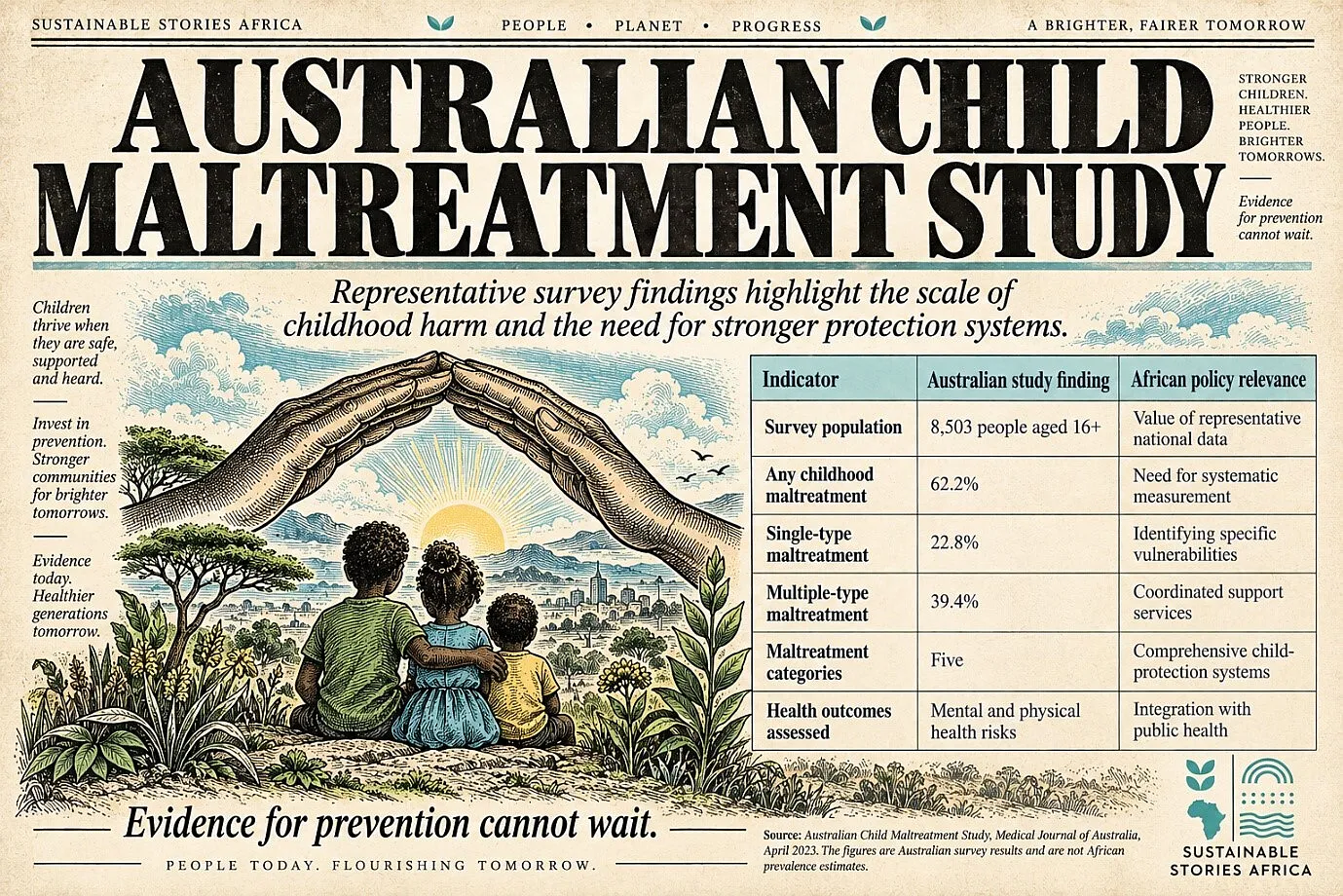
The Australian Child Maltreatment Study, published in a special supplement of the Medical Journal of Australia on April 3, 2023, surveyed 8,503 Australians aged 16 and older.
- The research examined five categories of child maltreatment: physical abuse, sexual abuse, emotional abuse, neglect and exposure to domestic violence.
- The study found that 62.2% of respondents reported experiencing at least one form of maltreatment during childhood.
- Of these experiences, 22.8% of respondents reported exposure to one category, while 39.4% reported exposure to multiple categories.
The findings demonstrate how childhood adversity can involve overlapping forms of harm rather than isolated experiences.
- Although the research was conducted in Australia, its methodological approach offers lessons for African health, education and social welfare institutions.
It is important, however, to distinguish these historical research findings from current African prevalence figures. The Australian percentages cannot be transferred to African populations without representative local research.
Childhood Abuse Has Lasting Health Consequences
The Australian study examined associations between childhood maltreatment and later health outcomes.
- Researchers considered the relationship between maltreatment exposure and mental disorders, including depression, as well as harmful behaviours such as smoking, substance misuse and self-harm.
- The findings suggest that exposure to childhood maltreatment is associated with increased risks across several health domains.
- Repeated or overlapping experiences of abuse may create particularly complex support needs.
The study also investigated healthcare utilisation and the implications of maltreatment for public-health services.
- These findings reinforce the importance of viewing child protection as part of broader health and sustainable-development policy.
For African countries, relevant concerns include children exposed to domestic violence, harmful disciplinary practices, exploitation, conflict-related violence and neglect.
However, patterns and prevalence vary across communities and jurisdictions.
- A major policy challenge is therefore building reliable evidence that reflects local circumstances rather than assuming that foreign population studies describe African conditions directly.
African Child Protection Requires Stronger Evidence
The Australian findings show the value of structured research in identifying the scale and consequences of childhood adversity.
- African governments could strengthen child-protection policy through appropriately designed household surveys, school-based research and administrative data systems.
- Such work must be conducted ethically, with safeguards for participants, confidentiality and access to support where abuse is disclosed.
- Better evidence could help authorities identify vulnerable communities and allocate prevention resources more effectively.
- School counsellors, healthcare workers and social protection agencies require mechanisms for identifying suspected abuse and making safe referrals.
- Families facing poverty, displacement or severe economic stress may also need broader support, although economic hardship should not be treated as an automatic explanation for abusive behaviour.
Community education can improve recognition of harmful practices and strengthen awareness of children's rights.
Governments Must Prioritise Prevention And Recovery
Effective child protection requires coordination across education, health, law enforcement and social welfare institutions.
- Governments should strengthen child-friendly reporting channels, improve case-management systems and ensure that victims can access appropriate care.
- Healthcare services should include trauma-informed approaches that recognise the psychological and physical consequences of childhood abuse.
- Teachers and other frontline professionals need practical training to identify warning signs without stigmatising children.
Prevention programmes should also address domestic violence and harmful social norms while engaging parents, caregivers and community leaders.
Reliable accountability systems are essential to ensure that safeguarding policies translate into meaningful protection.
Path Forward – Build Safer Childhoods Across Africa
African governments should treat child maltreatment as a significant public-health, human-rights and development concern.
Stronger national evidence, accessible reporting mechanisms and integrated child-protection services can reduce preventable harm.
The Australian study offers methodological lessons, but effective African responses must be grounded in locally generated data and the lived experiences of children.