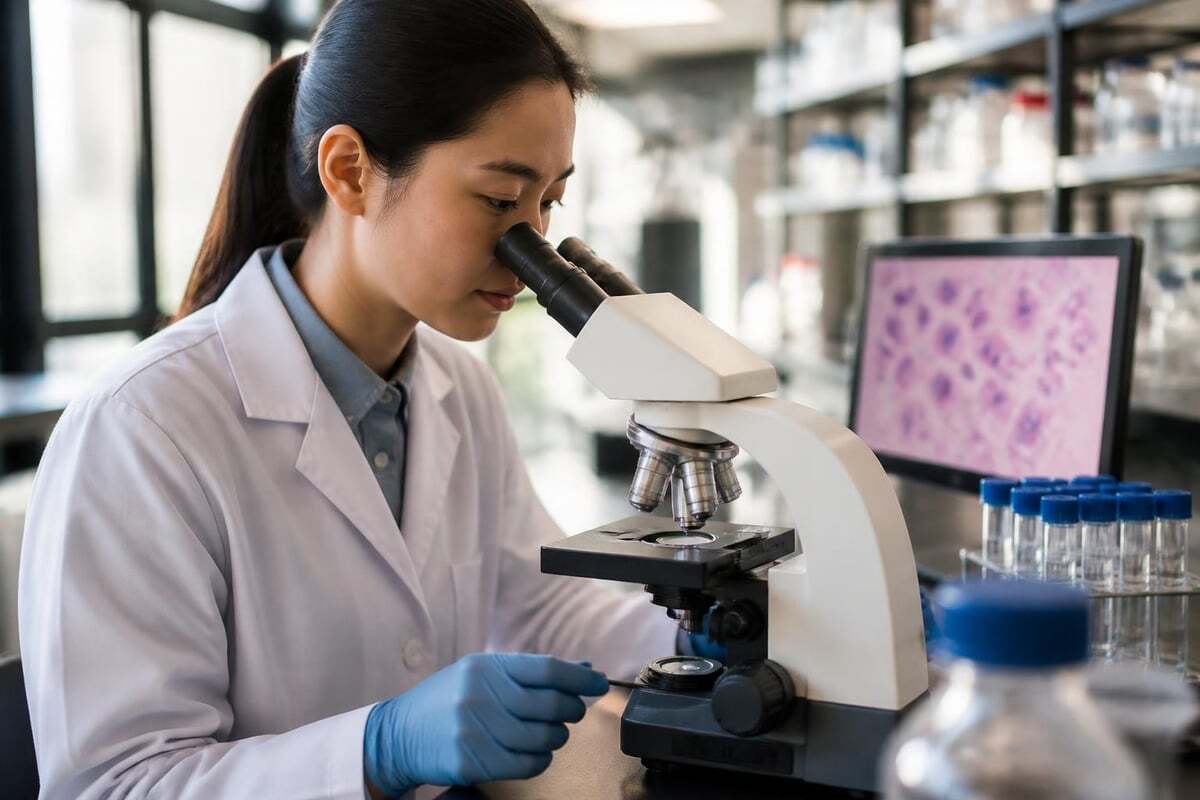
Researchers have developed a large-scale atlas of human endothelial cells, identifying molecular changes associated with ageing across multiple tissues.
The analysis examines more than 375,000 cells and identifies alterations in vascular repair, extracellular matrix regulation and cellular senescence.
The findings could advance understanding of cardiovascular ageing, although their clinical applications remain subjects for further research.
Researchers Map Ageing Across Human Vasculature
An international research team has developed an extensive molecular atlas of human endothelial cell ageing, providing new insights into the biological processes that influence blood-vessel function over the adult lifespan.
The research, titled Uncovering the Transcriptional Hallmarks of Endothelial Cell Aging via Integrated Single-Cell Analysis, was accepted by Nature Aging on September 11, 2026.
- The study, led by researchers including Sarah Dobner and Laura P. M. H. de Rooij, introduces the Human Aging Endothelial Cell Atlas (HAECA).
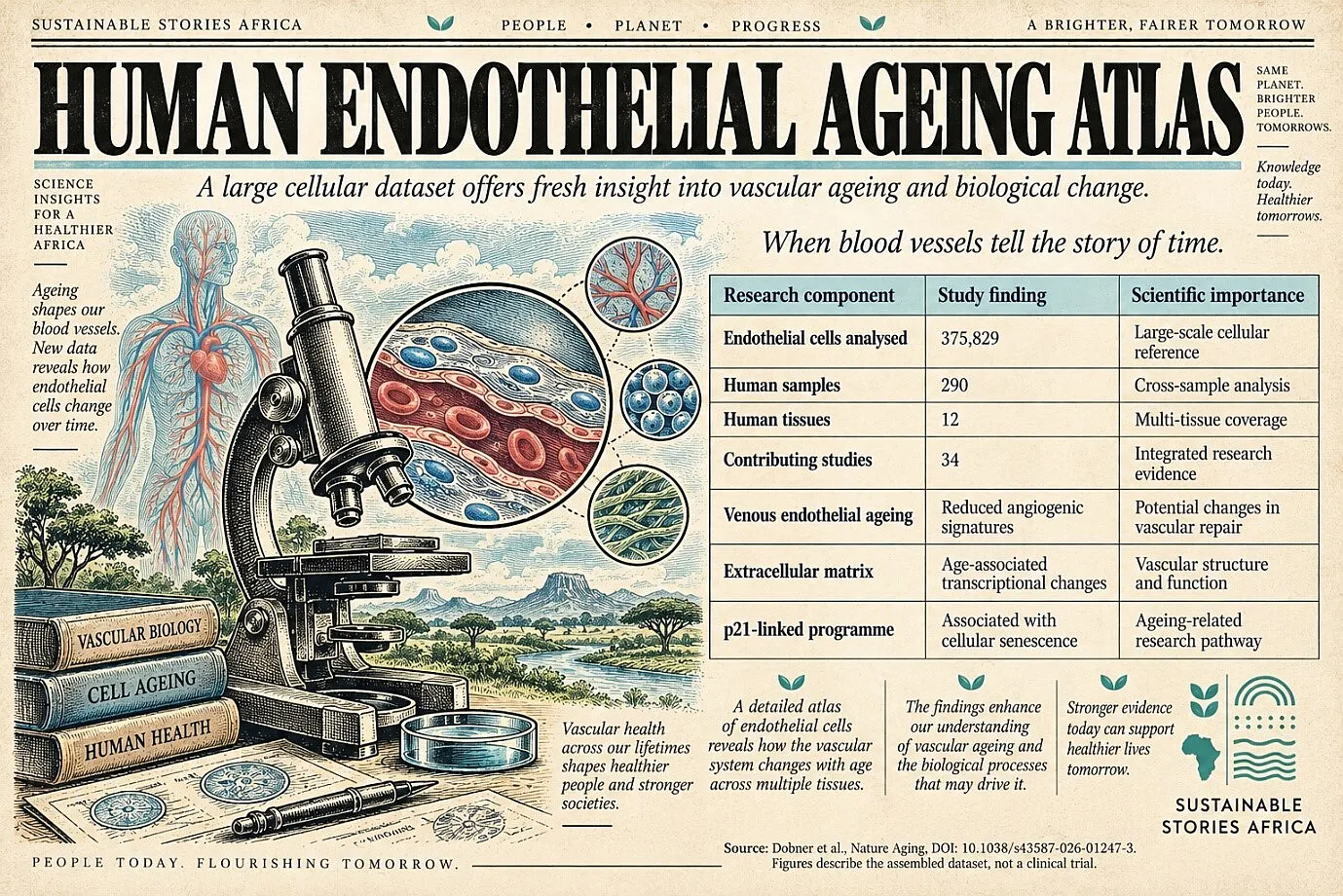
- It brings together 375,829 endothelial cells from 290 samples representing 12 human tissues.
- Endothelial cells form the inner lining of blood vessels and perform essential functions in blood flow regulation, vascular permeability, clotting, tissue repair and the formation of new blood vessels.
As people age, changes in these cells can contribute to the deterioration of vascular health.
- The research identifies several ageing-associated molecular patterns, including reduced expression of genes involved in blood-vessel formation and changes associated with cellular structure and mechanical signalling.
These findings expand scientific understanding of ageing at the level of individual cell populations.
Single Cell Analysis Reveals Molecular Differences
The researchers combined information from 34 publicly available single-cell and single-nucleus RNA sequencing studies.
- They then harmonised the datasets to examine how endothelial gene expression differs across tissues, vascular locations and ages.
- This approach allowed the team to explore patterns that might be difficult to detect in smaller individual studies.
Importantly, the atlas includes endothelial cells from different segments of the vascular system, including arteries, capillaries, veins and lymphatic vessels.
- The analysis identified tissue-specific molecular characteristics and broader patterns shared across parts of the circulatory system.
- Among the findings was a decline in angiogenic gene-expression signatures in ageing venous endothelial cells.
Angiogenesis, the process through which new blood vessels form, is important for tissue maintenance and recovery following injury.
- The researchers also identified changes involving extracellular matrix regulation and mechanotransduction, the process through which cells respond to mechanical forces.
- A further finding was a transcriptional programme associated with the protein p21 and cellular senescence.
Cellular senescence describes a state in which cells undergo persistent changes in proliferation and function, often linked to ageing and stress.
Findings Could Support Future Preventive Medicine
The study creates opportunities for investigating how vascular ageing relates to cardiovascular and other age-associated diseases.
- Understanding molecular changes in endothelial cells may eventually help researchers identify biomarkers of vascular dysfunction.
- It could also support the exploration of therapeutic targets for diseases involving impaired blood-vessel function.
For African health systems, these developments are relevant because cardiovascular disease prevention and management require sustained investment in diagnostics, treatment and research capacity.
- Population ageing, urbanisation and changing patterns of non-communicable disease create additional reasons to strengthen biomedical research.
- However, the findings should not be interpreted as evidence that a new treatment has been developed.
The atlas is primarily a research resource.
It identifies molecular associations and experimentally validated biological signatures, but further research is needed to determine how these observations translate into clinical practice.
African Research Institutions Can Expand Participation
African universities, medical research centres and biotechnology institutions could use comparable genomic and computational approaches to strengthen understanding of disease.
- Training in bioinformatics, molecular biology and single-cell analysis would help develop the technical capabilities required for participation in emerging biomedical research.
- Cross-border partnerships could also expand access to specialised laboratory infrastructure.
- Researchers should consider the diversity and representativeness of source populations when applying findings to different demographic groups.
More inclusive biological datasets would strengthen the relevance of discoveries for African health systems.
Investment in research should also remain connected to immediate public-health priorities, including early diagnosis, equitable treatment and prevention.
Path Forward – Translate Cellular Discoveries Into Care
The endothelial ageing atlas offers researchers a valuable resource for understanding vascular biology and identifying potential avenues for future investigation.
African research institutions should pursue collaborative, ethically governed biomedical studies that expand scientific capability and population representation.
Clinical benefits will depend on rigorous validation, affordable technologies and sustained investment in healthcare systems.