An exceptionally strong El Niño is disrupting communities across several regions, intensifying concerns about flooding, drought, wildfires and food insecurity.
United Nations officials have warned that humanitarian needs could increase significantly as the weather phenomenon interacts with existing climate vulnerabilities.
For African countries, particularly Somalia and other exposed economies, early-warning systems and anticipatory financing are becoming increasingly urgent.
Extreme Weather Intensifies Across Vulnerable Regions
An exceptionally strong El Niño is creating fresh humanitarian concerns worldwide, with United Nations officials warning that millions of people could face worsening food insecurity and displacement as extreme weather conditions intensify.
- In an October 27 report, the World Meteorological Organization (WMO) and United Nations humanitarian leadership called for urgent anticipatory action to reduce the impacts of floods, droughts and other climate-related emergencies.
- WMO Secretary-General Celeste Saulo warned that the current El Niño could be extraordinary in strength compared with the monitoring records used over the preceding four decades.
UN humanitarian chief Tom Fletcher also warned that the phenomenon could substantially increase humanitarian needs in Latin America, eastern and southern Africa, Asia and the Pacific.
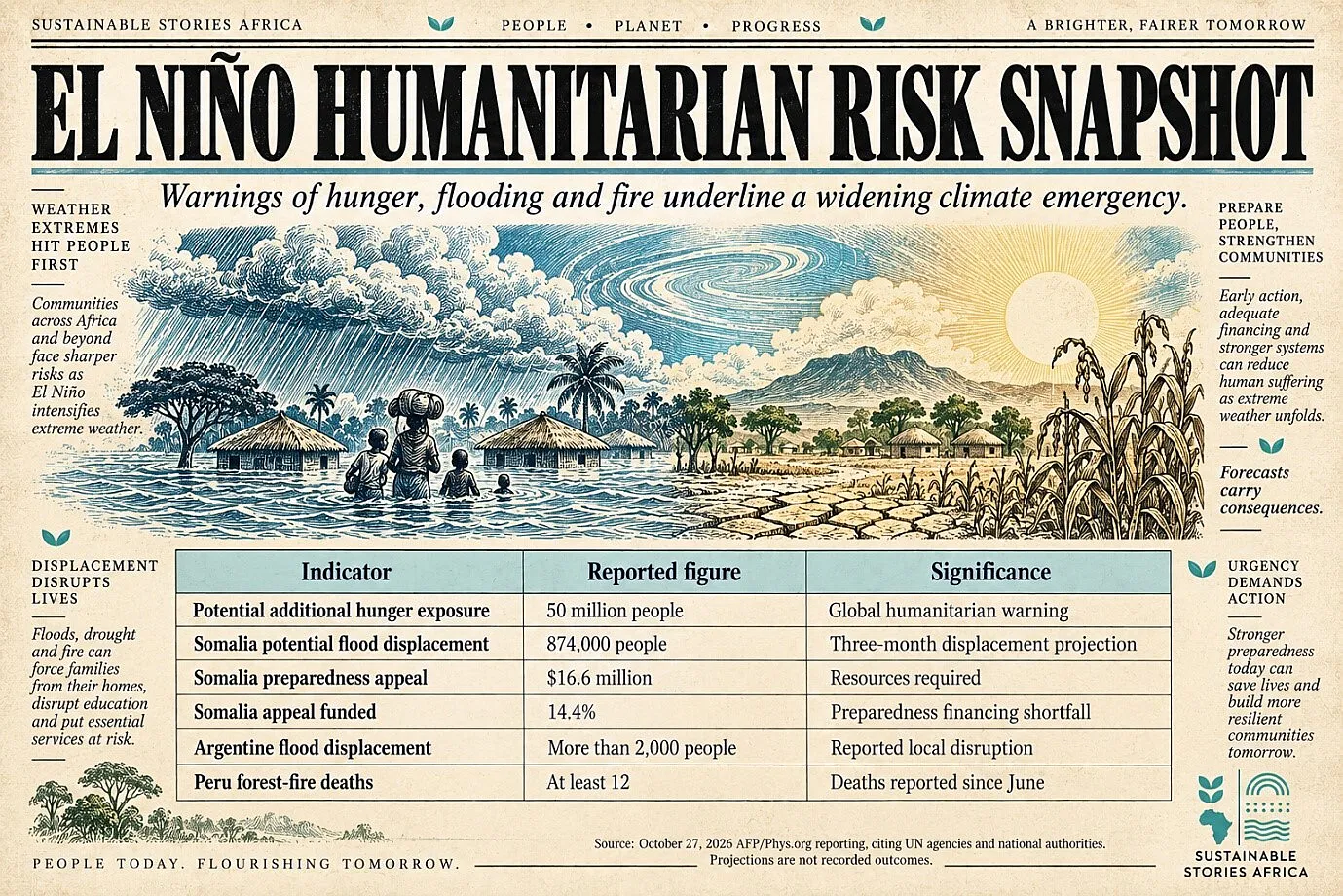
According to the report, as many as 50 million people could face heightened hunger risks.
- El Niño occurs when unusually warm ocean temperatures in the central and eastern equatorial Pacific influence atmospheric circulation and alter rainfall and temperature patterns across the world.
Although it is a naturally occurring phenomenon, its effects can interact with human-driven climate change, increasing the complexity of disaster planning.
Floods And Fires Reveal Expanding Risks
The October report described substantial disruption across different regions.
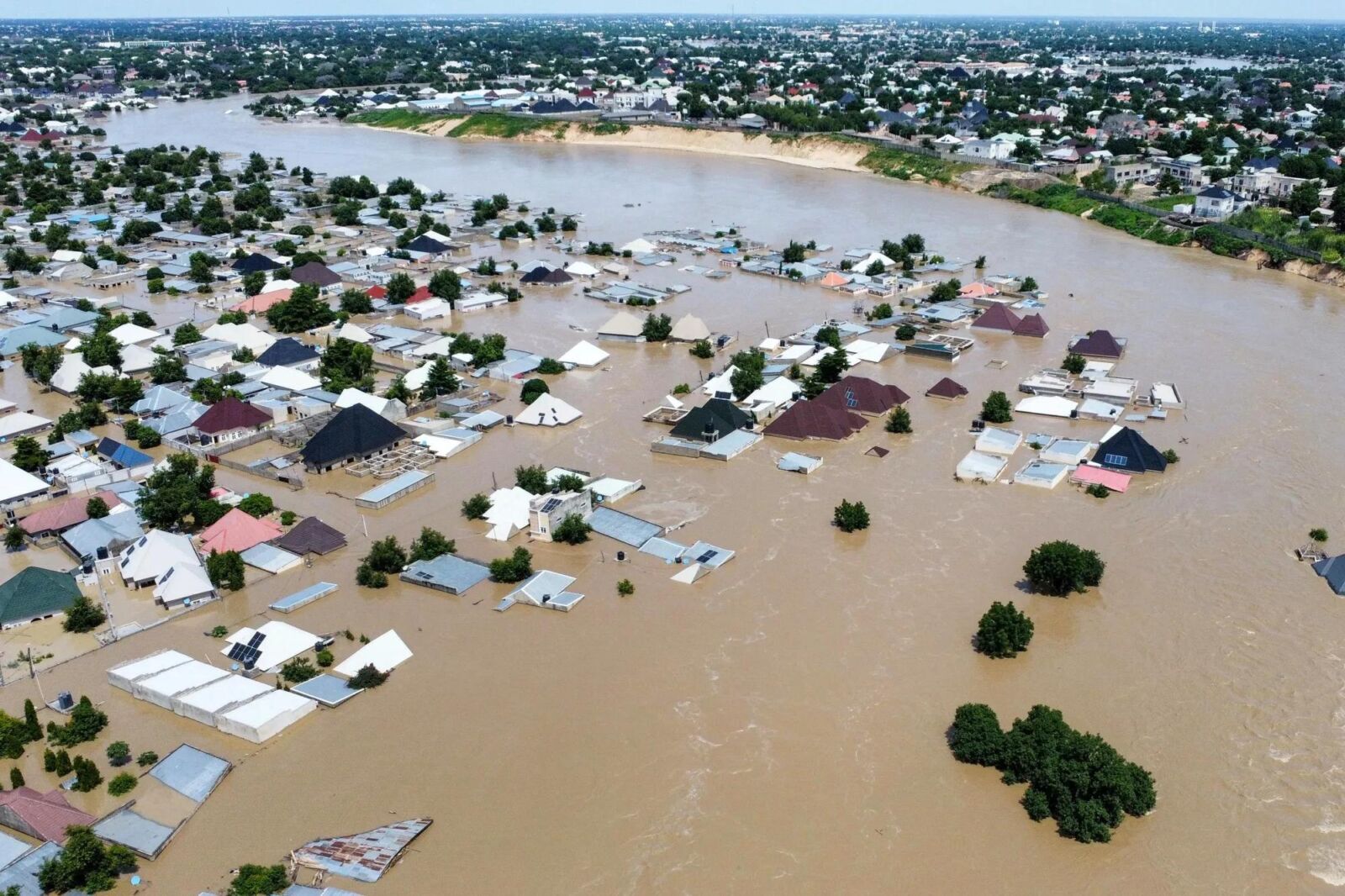
- In northeastern Argentina, extensive flooding displaced more than 2,000 residents, while heavy rainfall caused rivers to swell and submerged residential communities.
- Peru experienced deadly forest fires associated with unusually hot and dry conditions. Authorities reported at least 12 deaths since June.
- In French Guiana, prolonged rainfall deficits reduced river levels, threatening transportation and access to essential supplies. Authorities organised air deliveries for approximately 40,000 residents of isolated communities.
Africa's exposure is particularly concerning.
- The International Organization for Migration warned that 874,000 people could be displaced in Somalia over the following three months because of expected flooding.
At the time of reporting, the agency had secured only around 14.4% of the $16.6 million required for flood preparedness.
This financing gap illustrates a recurring challenge: humanitarian resources often arrive after climate hazards have already damaged livelihoods and infrastructure.
Earlier Intervention Could Protect Vulnerable Communities
For African economies, El Niño presents risks beyond immediate weather emergencies.
- Heavy rainfall can destroy agricultural fields, damage rural roads and interrupt food supply chains.
- Drought can reduce water availability, undermine livestock production and increase competition for natural resources.
These disruptions can raise food prices and worsen economic insecurity among low-income households.
However, forecasts offer opportunities for preventive action.
- Governments can strengthen flood-risk communication, protect drainage infrastructure, distribute drought-resistant seeds where appropriate and improve emergency shelter arrangements.
- Agricultural extension services can help farmers adjust planting decisions using seasonal forecasts that are translated into practical local guidance.
The potential benefits extend to education, public health and economic stability.
Climate Finance Must Reach Communities Earlier
African governments should strengthen coordination between meteorological agencies, disaster-management authorities, local administrations and humanitarian organisations.
- Early-warning information must be accessible in languages and formats communities understand.
Finance ministries and development partners should prioritise mechanisms that release emergency resources before forecast hazards become disasters.
However, scientific uncertainty remains important.
- Researchers caution that individual floods, fires or droughts cannot automatically be attributed to El Niño, because local weather, underlying climate trends and other factors also influence outcomes.
Communication should therefore distinguish increased seasonal risk from certainty about individual events.
Path Forward – Strengthen Preparedness Before Climate Disasters
The immediate priority is to convert meteorological forecasts into early humanitarian action, particularly across exposed African communities.
Governments and development partners must close preparedness financing gaps, improve local warning systems and strengthen climate-resilient agriculture.
Better anticipation will not eliminate El Niño, but it can reduce avoidable deaths, displacement and economic losses.
Culled from: El Niño watch: The impacts around the world this week