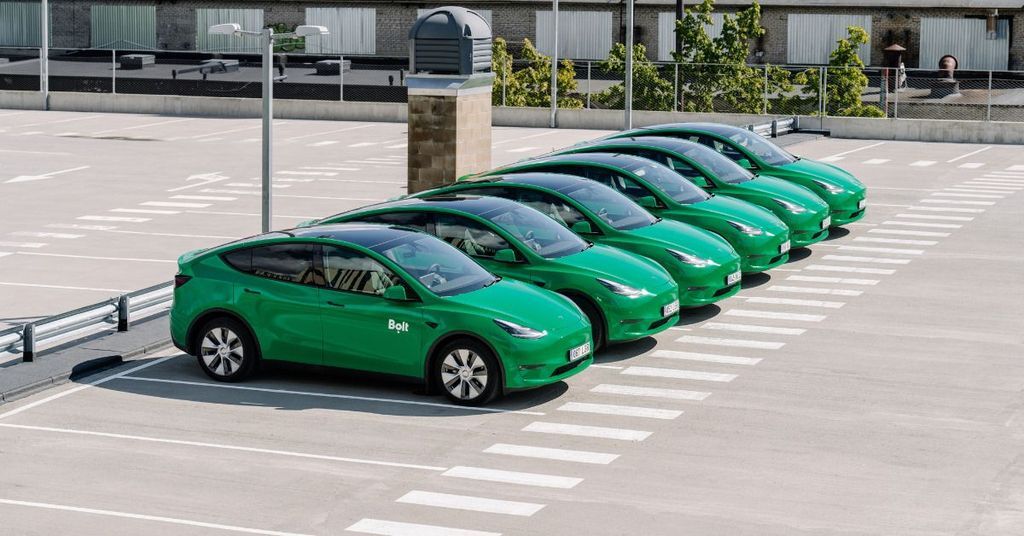
Bolt has expanded its electric ride-hailing operations to Johannesburg, building on an earlier introduction in Cape Town.
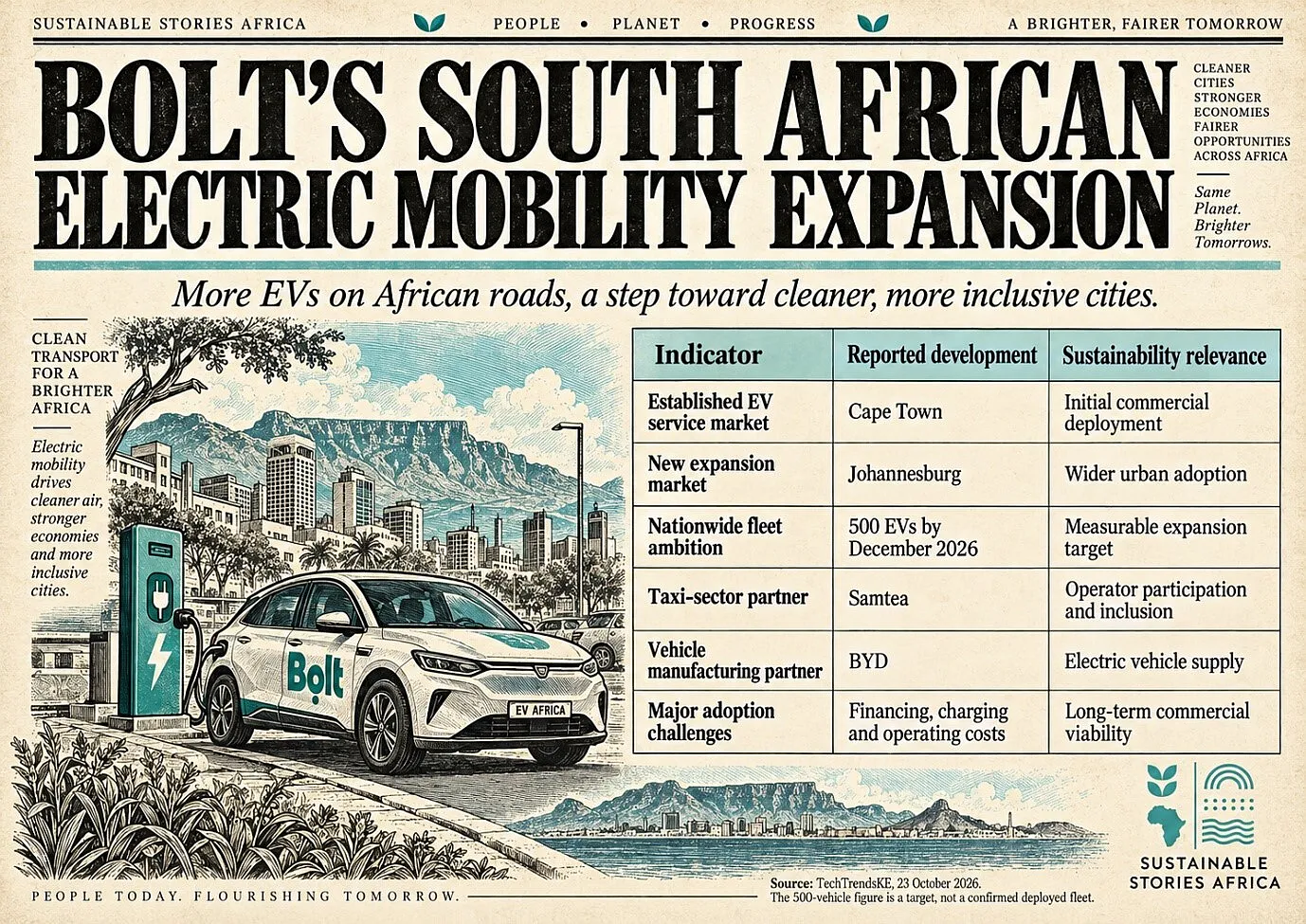
The initiative involves partnerships with taxi-sector representatives and electric vehicle manufacturers as the company targets a nationwide fleet of 500 electric vehicles by December 2026.
Its success will depend on financing, charging infrastructure and whether drivers can earn sustainable incomes.
Johannesburg Joins South Africa's Electric Transition
Ride-hailing platform Bolt has expanded its electric vehicle services to Johannesburg, strengthening its efforts to introduce cleaner urban transport while addressing the financial pressures facing South African drivers.
According to a report published by TechTrendsKE on 23 October 2026, the expansion involves collaboration with the South African Meter Taxi and E-Hailing Association (Samtea), electric vehicle manufacturer BYD and other stakeholders.
The move follows Bolt's earlier introduction of an electric ride-hailing category in Cape Town.
The company is targeting 500 electric vehicles across South Africa by December 2026, positioning Johannesburg as an important market in its growing electric mobility strategy.
Beyond emissions reduction, the initiative matters because it brings traditional taxi operators, digital mobility platforms and vehicle manufacturers into a shared commercial arrangement.
Industry Partnerships Support Cleaner Urban Transport
Bolt's expansion reflects a growing recognition that electric mobility requires more than vehicle availability.
- Affordable finance, charging access, vehicle maintenance, insurance and reliable earnings all drive commercial drivers to adopt electric transport.
The participation of Samtea introduces a wider industry perspective into the rollout.
Traditional metered-taxi operators and ride-hailing platforms have historically competed for customers.
- Their collaboration on electric mobility could create opportunities to address shared challenges involving transport costs, road safety and driver livelihoods.
Bolt South Africa's general manager, Graham Walker, has highlighted the potential for electric vehicles to reduce operational and maintenance expenses.
However, lower routine maintenance costs do not automatically guarantee profitability.
- Drivers must also account for purchase or lease repayments, charging downtime, insurance and other operating expenses.
Electric Fleets Could Improve Driver Economics
If electric vehicle operating costs remain competitive, drivers could benefit from reduced exposure to petrol price volatility and lower routine maintenance requirements.
- Passengers may also benefit from cleaner vehicles, while cities could gradually reduce transport-related tailpipe emissions.
Nevertheless, the environmental benefits depend partly on the electricity used for charging.
In South Africa, where electricity generation still relies significantly on fossil fuels, the full climate impact of vehicle electrification must be assessed across the energy system rather than solely at the exhaust pipe.
- The expansion also allows an opportunity to improve the relationship between formal transport operators and app-based mobility providers.
For other African cities, including Lagos, Nairobi and Accra, the commercial structure could provide lessons in combining fleet finance, manufacturer partnerships and driver protections.
Affordable Financing Will Determine Market Adoption
Bolt and its partners will need to demonstrate that electric ride-hailing can provide competitive lifetime operating costs.
- Transparent vehicle financing terms, accessible charging facilities and predictable maintenance arrangements should be central to the rollout.
Public authorities can support adoption by improving charging infrastructure, developing consistent technical standards and encouraging access to cleaner electricity.
- Monitoring should assess not only how many vehicles enter service, but also driver earnings, vehicle utilisation, reliability and emissions performance.
Including established taxi-sector representatives could also help ensure that the transition protects livelihoods rather than concentrating commercial benefits among a small number of fleet owners.
Path Forward – Cleaner Transport Requires Viable Business Models
Bolt's Johannesburg expansion shows how partnerships that recognise commercial operators’ economic realities can advance through cleaner transport.
Its long-term significance will depend on whether drivers can access reliable vehicles, affordable financing, accessible charging and sustainable earnings.
Success could provide a practical model for expanding electric mobility across African cities without excluding existing transport workers.
Culled from: Bolt expands electric ride-hailing in Johannesburg - TechTrendsKE