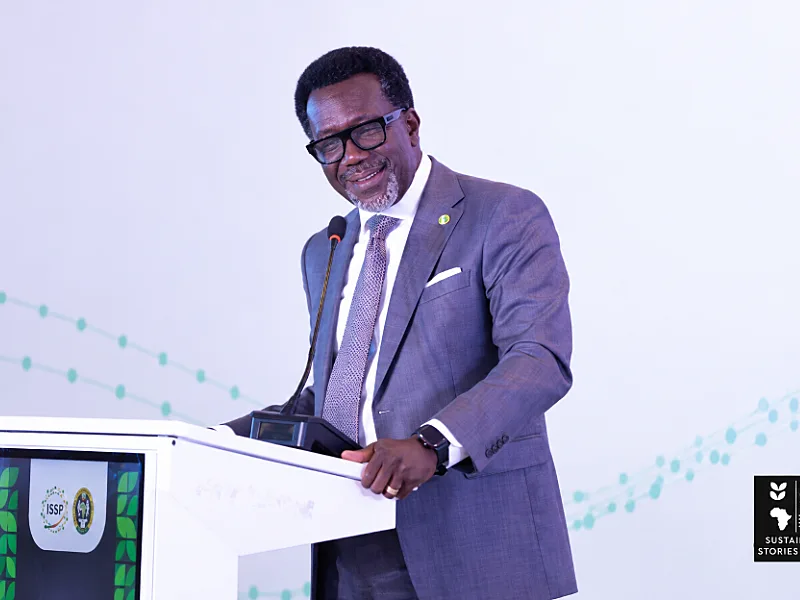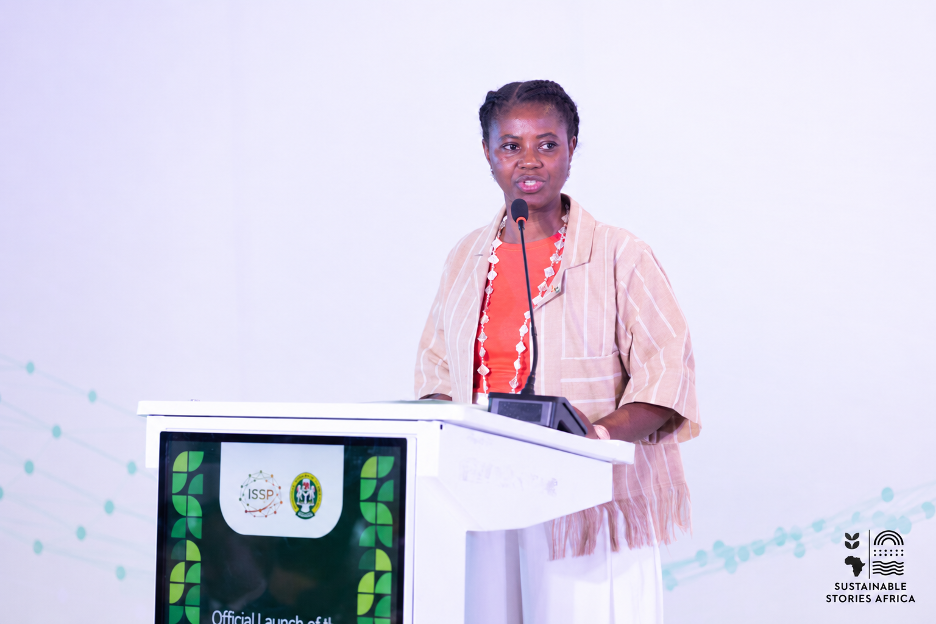
Canada has backed efforts to strengthen Nigeria's insurance sector, linking effective regulation and market trust to investment and economic resilience.
Mrs Funke Beke delivered the message on behalf of the Canadian High Commissioner at the launch of the Insurance Sector Strengthening Programme.
The address framed insurance as infrastructure for jobs, enterprise protection and shared prosperity, not simply another financial service.
Strong Insurance Institutions Anchor Investor Confidence
Canada has called for stronger insurance institutions in Nigeria, arguing that trust, transparent regulation, and reliable risk protection are essential to attract long-term capital and support economic growth.
Mrs Funke Beke, representing the Canadian High Commissioner, delivered the message at the September 3 launch of the Insurance Sector Strengthening Programme, known as ISSP.
She said the programme arrives as Nigeria seeks greater economic diversification, infrastructure investment and private sector participation.
Her central message was direct:
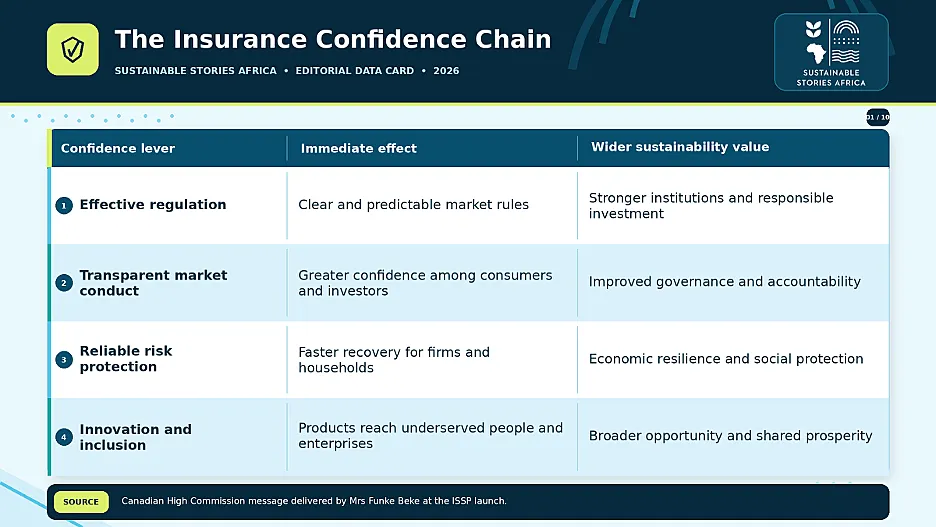
- Strong economies require strong institutions, while strong institutions depend on public and investor confidence.
- In insurance, confidence is built through effective regulation, market transparency, innovation and trust that commitments will be honoured when policyholders suffer losses.
"Insurance enables progress," Beke said.
- It gives businesses the confidence to invest, protects households and livelihoods, supports infrastructure and helps economies recover from shocks.
- That makes a functioning insurance market part of Nigeria's development foundation, rather than a service that matters only when a claim is filed.

Insurance Expands the Economy's Risk Capacity
The address placed insurance fits within the wider mechanics of economic resilience.
- Businesses are more willing to build, hire and enter new markets when risks can be identified, priced and transferred.
- Households are also less likely to fall into financial distress when unexpected events are covered.
Beke said investment follows more than opportunity.
- It also follows confidence in institutions, regulation and governance, as well as confidence that risks can be managed predictably.
- For Nigeria, this means insurance reform can help mobilise capital, encourage innovation and make infrastructure and renewable energy projects more investable.
That logic applies at every level of the economy.
- A construction company considering a new plant needs confidence that major equipment, workers and project liabilities are properly covered.
- A farmer or trader needs protection that prevents one flood, fire or accident from wiping out years of effort.
When insurance performs these functions reliably, risk becomes easier to manage and productive decisions become easier to make.
 |  |
The challenge is that confidence cannot be announced into existence.
- It grows when regulation is consistent, product terms are understandable and legitimate claims are paid without avoidable delay.
- Each successful experience strengthens the market's credibility; each broken promise makes households, entrepreneurs and investors less willing to participate.
That is the practical development behind the programme's institutional focus.
Cooperation Can Turn Confidence Into Capital
Canada and Nigeria, Beke said, have an opportunity to deepen cooperation across insurance and the wider economy.
- The relationship already spans trade, investment and education, supported by a Nigerian diaspora in Canada that she placed at more than 120,000 people and by thousands of Nigerian students choosing Canadian institutions.
She also pointed to an expanded air transport agreement permitting direct flights as evidence of growing ties.
- Engagement between ISSP promoters and Canadian insurance stakeholders, she added, shows how practical collaboration can support regulatory excellence, innovation and market growth.
The potential dividend is significant.
- A more trusted insurance market could protect small businesses, strengthen household resilience and improve the bankability of major projects.
- It could also help turn foreign investment discussions into committed capital by giving investors greater certainty about rules and recovery when risks materialise.
For policymakers, the address also broadens the way insurance performance should be judged.
- Premium income and company growth matter, but so do the number of livelihoods protected, the speed of recovery after shocks and the volume of investment made possible by dependable cover.
These outcomes connect the sector directly with economic, social and governance priorities.
Partnership Must Move From Promise to Delivery
Beke urged regulators, insurers, development partners and industry leaders to support ISSP as a nation-building platform.
The programme's success, she suggested, should be measured by whether the sector becomes visibly stronger, more trusted and more capable of supporting the real economy.
Canada is prepared to support the initiative where it aligns with its mandate, she said. However, the burden of delivery will remain collective:
- Regulators must provide predictable oversight, operators must honour promises, and partners must convert technical exchange into better products, stronger capacity and measurable outcomes for Nigerians.
Path Forward – Trust Must Become Nigeria's Competitive Advantage
Nigeria's next task is to make insurance confidence tangible through transparent rules, dependable claims settlement, wider coverage and products that respond to real risks.
If ISSP converts international cooperation into local capability, the gains can extend beyond premium growth to jobs, stronger industries, protected livelihoods and shared prosperity between Nigeria and Canada.