Scatec and EDF Power Solutions have started building the 900 MW Shadwan onshore wind project in Egypt.
This matters because wind is regaining momentum across Africa, with Zambia's regulator also approving a 350 MW project.
Egypt's plan to localise turbine manufacturing could reshape costs, jobs and supply chains.
Construction Begins at Shadwan
Wind power is regaining momentum in Africa.
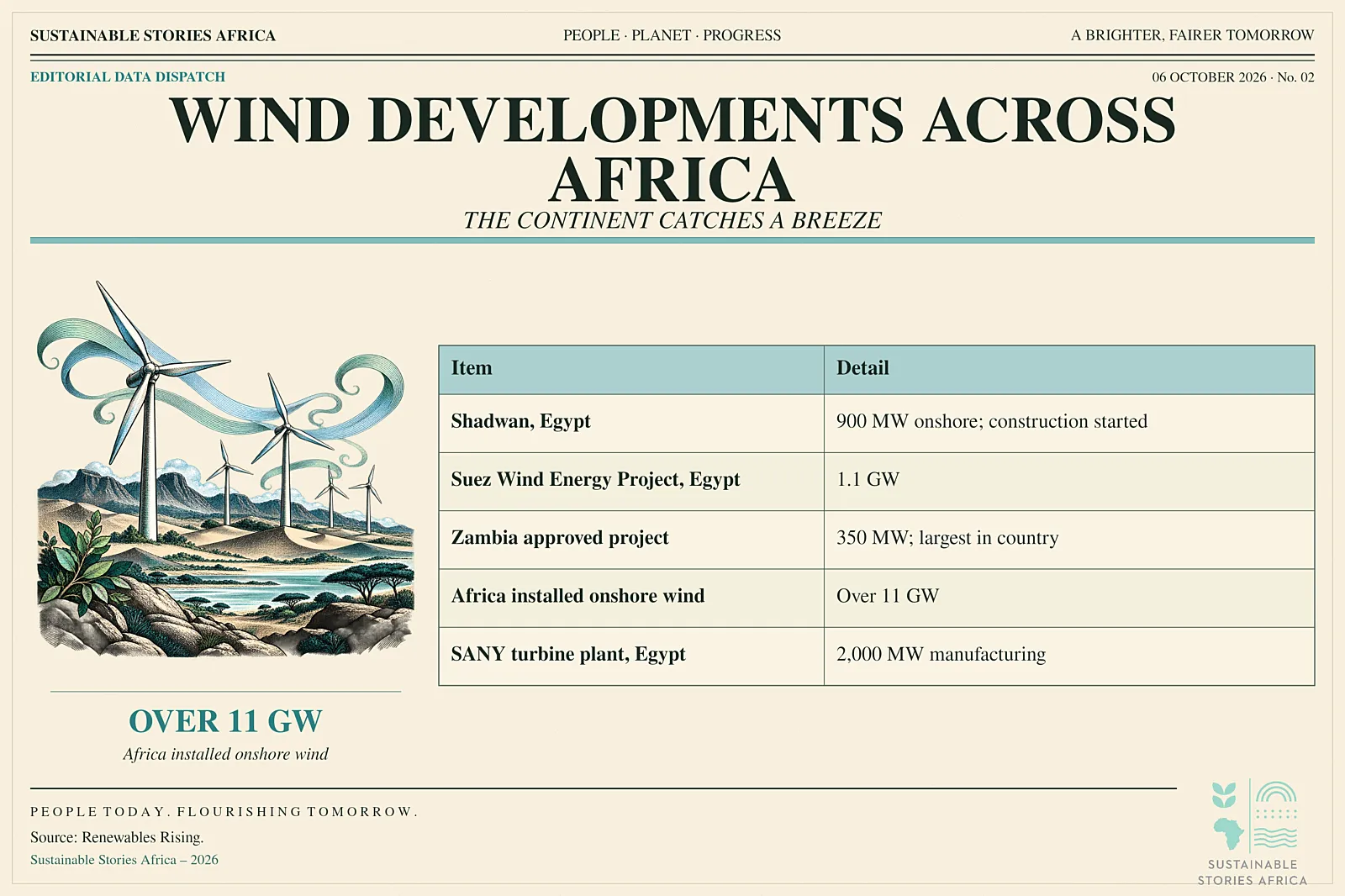
- Scatec and EDF Power Solutions have started construction of the 900 MW Shadwan onshore wind project in Egypt, now the country's second-largest wind project under development after the 1.1 GW Suez Wind Energy Project.
- Further south, Zambia's regulator has approved a 350 MW wind project that will become the country's largest.
The developments matter because wind has long taken a back seat to solar in many African investment conversations.
These announcements suggest developers, regulators and manufacturers now treat it as a serious part of the continent's energy transition, particularly where strong wind resources and growing electricity demand coincide.
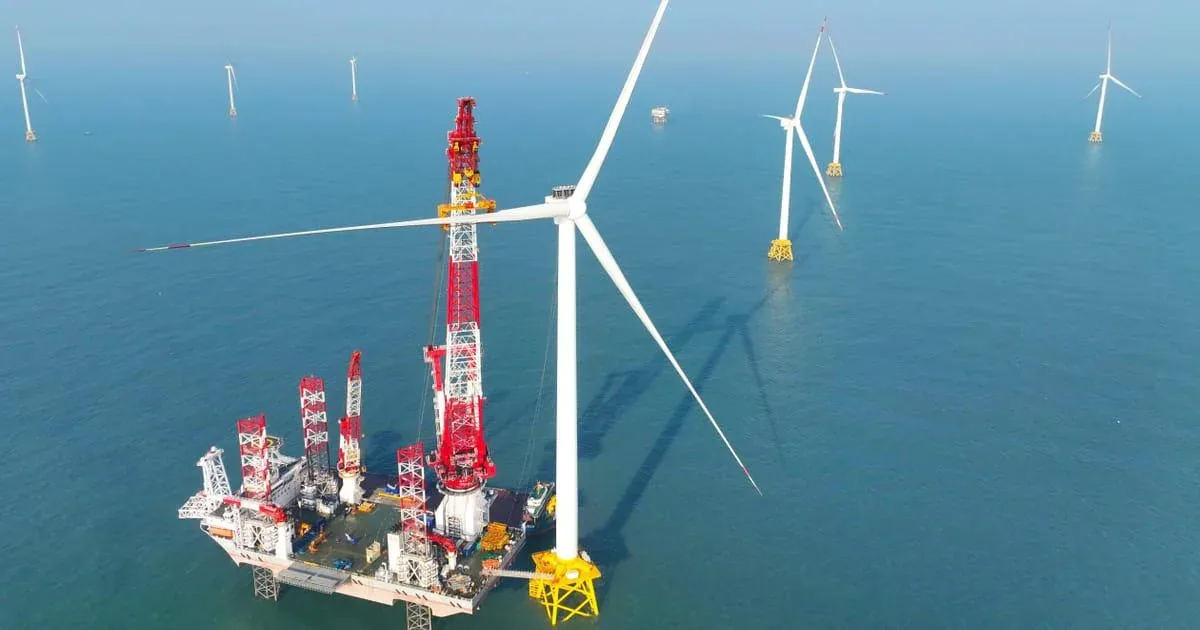
Onshore Leads, Offshore Waits
Onshore wind remains the preferred choice.
- The continent has installed more than 11 GW, while offshore wind has yet to be deployed. Interest in offshore is growing, however, with South Africa and Morocco conducting studies to assess its potential.
Egypt is going a step further by localising manufacturing.
- It has signed a deal with China's SANY Renewable Energy to develop a 2,000 MW wind turbine manufacturing plant, intended to meet part of the demand from its upcoming projects.
The combination is notable.
- Shadwan and Suez together point to about 2 GW of wind capacity in Egypt's development pipeline.
- Zambia's approval shows that wind is no longer confined to the traditional North African and coastal markets.
Each project adds diversity to systems that still lean heavily on a few energy sources.
Offshore wind, by contrast, remains at the study stage.
- South Africa and Morocco are assessing its potential, but no offshore capacity has yet been installed on the continent, so any commercial decisions are some way off.
Cleaner Power and Local Industry
Wind can complement solar by generating at different times, helping countries build more balanced, resilient power systems.
For Zambia;
- A large wind project provides a varied mix of supply.
For Egypt;
- Turbine manufacturing could turn a construction boom into industrial capacity, supporting skilled employment and reducing reliance on imported equipment.
The alternative is slower progress.
- Without clear approvals, reliable grids and supply chains, wind projects stall, and countries remain exposed to supply gaps and fuel costs.
Zambia's case is instructive for smaller power markets:
- A regulator's approval often moves a project from concept to bankable proposition, giving lenders and communities clearer expectations.
Turn Momentum Into Delivery
Governments should keep licensing processes predictable, as Zambia's regulator has done, and align wind additions with grid expansion.
Developers and manufacturers need to show that localisation delivers quality and local jobs.
Governments weighing offshore wind should complete their studies promptly, so that investors can judge whether the technology can follow onshore success.
- Success will be measured in megawatts connected rather than announced.
Investors, for their part, should look beyond headline capacity and ask how projects handle grid connection, local content and community benefit.
Path Forward – Wind Momentum Needs Grids and Factories
Egypt and Zambia are advocating wind as a growing pillar of power supply, with Shadwan under construction and a 350 MW Zambian project approved.
Plans include localised turbine manufacturing through a 2,000 MW SANY plant in Egypt, and offshore wind studies in South Africa and Morocco, widening Africa's clean energy options.
Culled from: Wind power sees renewed momentum