Egypt’s Financial Regulatory Authority is developing a phased roadmap for IFRS Sustainability Disclosure Standards across regulated markets.
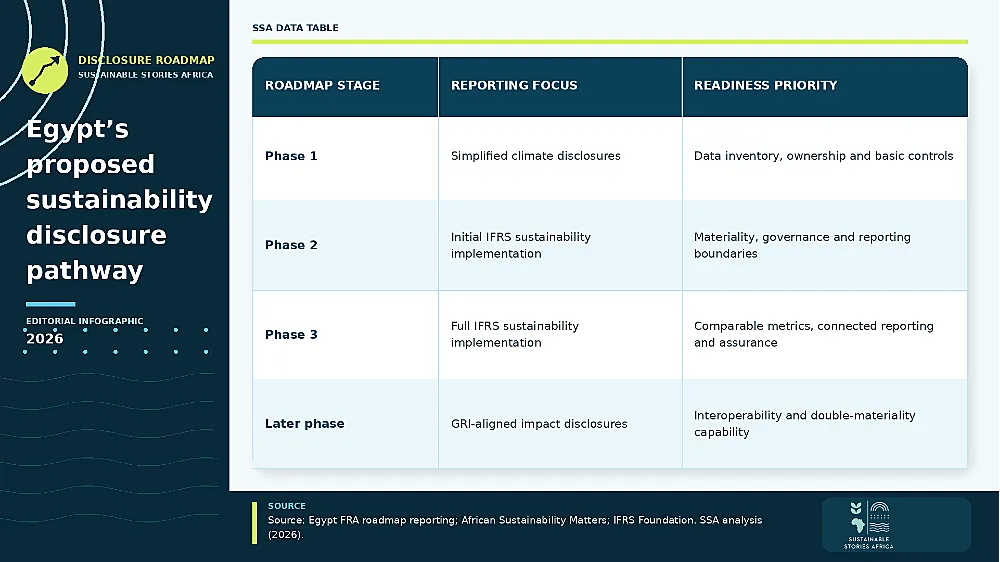
The sequence begins with simplified climate disclosures, advances towards initial and full IFRS implementation, and later introduces GRI-aligned impact reporting.
The plan recognises a central emerging-market challenge: credible disclosure requires data systems, skills, governance and assurance before full compliance can work.
Egypt chooses sequencing over sudden compliance
Egypt’s Financial Regulatory Authority is developing a phased roadmap to implement IFRS Sustainability Disclosure Standards, positioning the country for more comparable investor-focused reporting while giving regulated entities time to build the systems needed to comply.
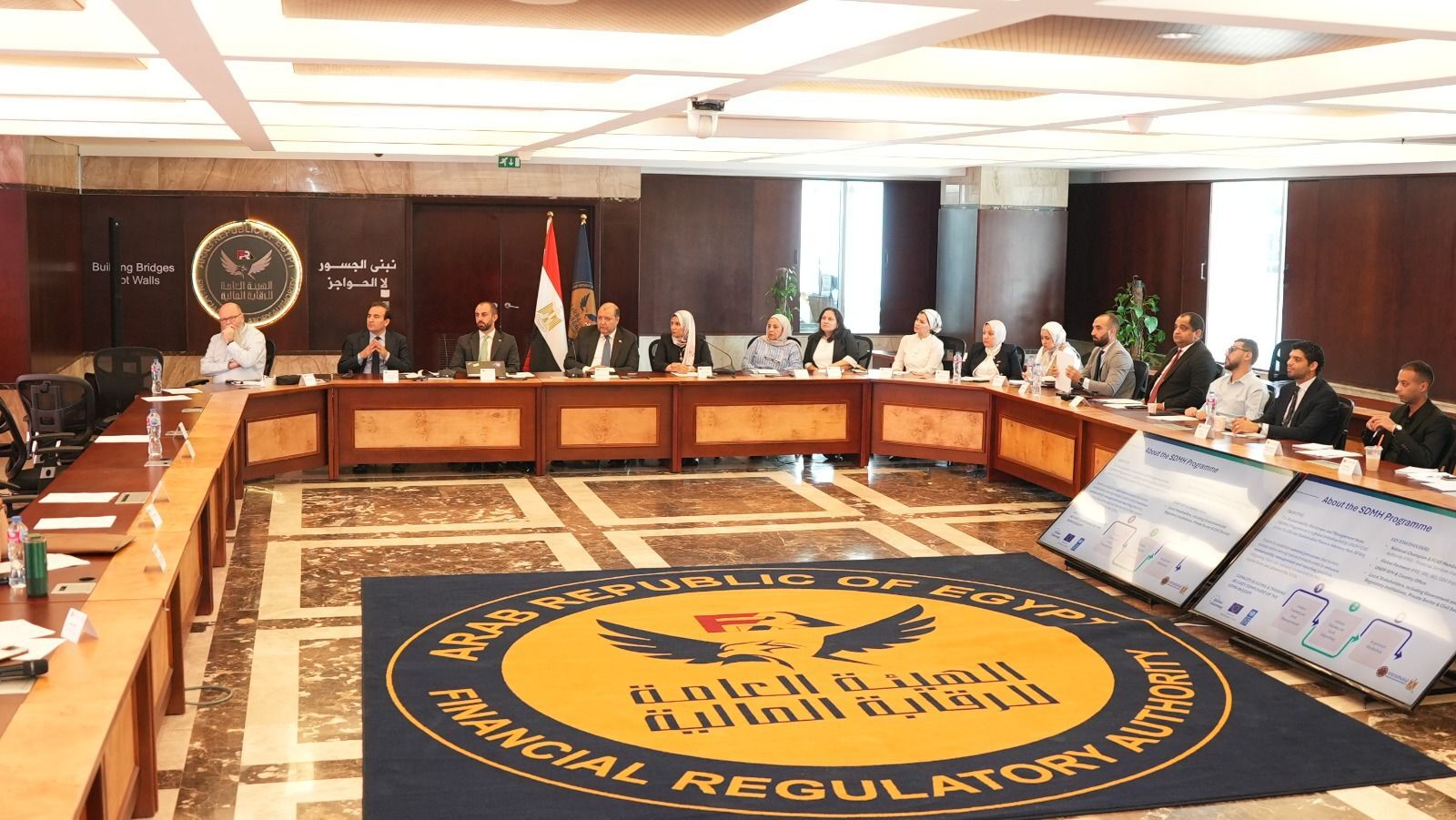
The proposal was discussed on 30 August at a workshop involving the European Union and the United Nations Development Programme.
The sequence is deliberate. It would begin with simplified climate disclosures, move to initial implementation of IFRS sust
- inability requirements, and then progress to full implementation.
- A later phase would introduce reporting aligned with Global Reporting Initiative standards, widening the framework from financially material sustainability information towards corporate impacts and double materiality.
Roadmap links global rules with readiness
The initiative is being developed through the Sustainability Disclosure and Management Hub programme, being implemented by the UNDP under the EU-led Sustainable Finance Advisory Hub.
It brings regulators, public institutions and market participants into a process intended to align financial markets with Egypt’s climate commitments and Sustainable Development Goals.
- IFRS S1 asks companies to disclose sustainability-related risks and opportunities useful to capital providers.
- IFRS S2 focuses specifically on climate-related matters that could affect cash flows, access to finance or cost of capital.
Those requirements depend on reliable governance, strategy, risk-management processes, metrics and targets.
For many firms, that means new work across finance, risk, operations, information technology and internal audit.
- Emissions data must be traceable
- Assumptions must be documented
- Materiality judgements must be defensible
- Reporting timelines must connect with general-purpose financial reports.
A phased approach can expose weaknesses early, before assurance and enforcement raise the stakes.
Staging can build trust without paralysis
The roadmap’s potential strength lies in treating readiness as infrastructure rather than an excuse for indefinite delay.
- Simplified disclosure can establish reporting habits and reveal capacity gaps. Initial implementation can test governance and data boundaries.
- Full adoption can then improve comparability for investors, lenders and other market participants.
Adding GRI-aligned reporting later could also help companies explain their effects on workers, communities and the environment, alongside financially material risks.
- Used carefully, the two perspectives can provide a fuller view of enterprise value and public impact.
- Used poorly, they could create duplicated metrics and reporting fatigue. Interoperability will therefore be crucial.
Regulators must define milestones and support
The FRA should publish clear entity scopes, timelines, transition reliefs and expectations for assurance.
- Companies need sector guidance, worked examples and a stable digital taxonomy.
- Directors and audit committees need training on oversight
- Professional bodies and universities can expand the pipeline of accountants, sustainability specialists and assurance practitioners.
Feedback supervision should be built into every stage.
- During pilots, the regulator can review a limited set of disclosures, identify recurring weaknesses and publish anonymised lessons before penalties apply.
- Market participants should know how climate scenarios, value-chain estimates and financed emissions will be treated when data is incomplete.
- Egypt should also coordinate sustainability and financial-reporting calendars so information is connected and available to investors at the same time.
This approach would turn early reporting into a learning mechanism while signalling that full implementation will eventually carry clear accountability.
Proportionality is equally important.
- Smaller regulated entities should not face the same immediate burden as complex issuers, but material information cannot disappear behind size-based exemptions.
- Pilot reporting, supervisory feedback and shared tools can lower costs.
The roadmap test will be whether each phase produces better decisions and more trustworthy information, not simply more pages.
Path Forward – Clear Milestones Can Turn Rules Credible
Egypt’s next step is to convert sequencing into a public implementation plan with dates, responsibilities, capacity support and measurable readiness tests.
Firms should begin mapping data owners, controls and material risks before mandatory deadlines arrive.
A transparent, proportionate transition can strengthen investor confidence while avoiding superficial compliance.
Egypt’s model may also offer other African markets a practical route from ambition to assured disclosure.