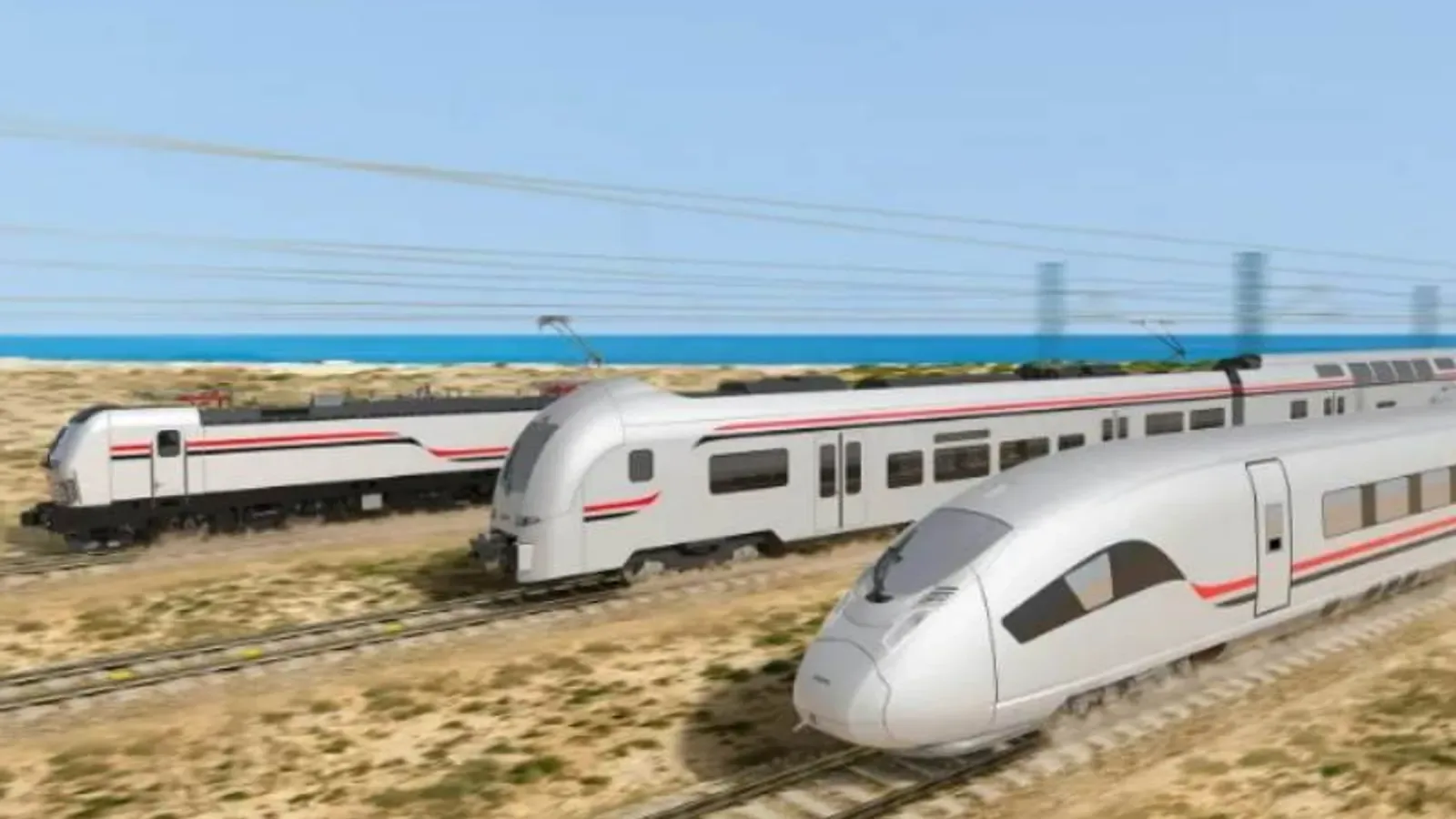
Egypt is targeting July 2027 for passenger operations on the first line of its new electric high-speed rail network.
The wider 2,000 kilometre programme is designed to relieve the crowded Nile Valley system, connect ports and cities, and shift passengers and freight from roads.
Its value will depend on safe delivery, affordable access and reliable links with existing transport services.
July Launch Target Reshapes Egypt’s Mobility
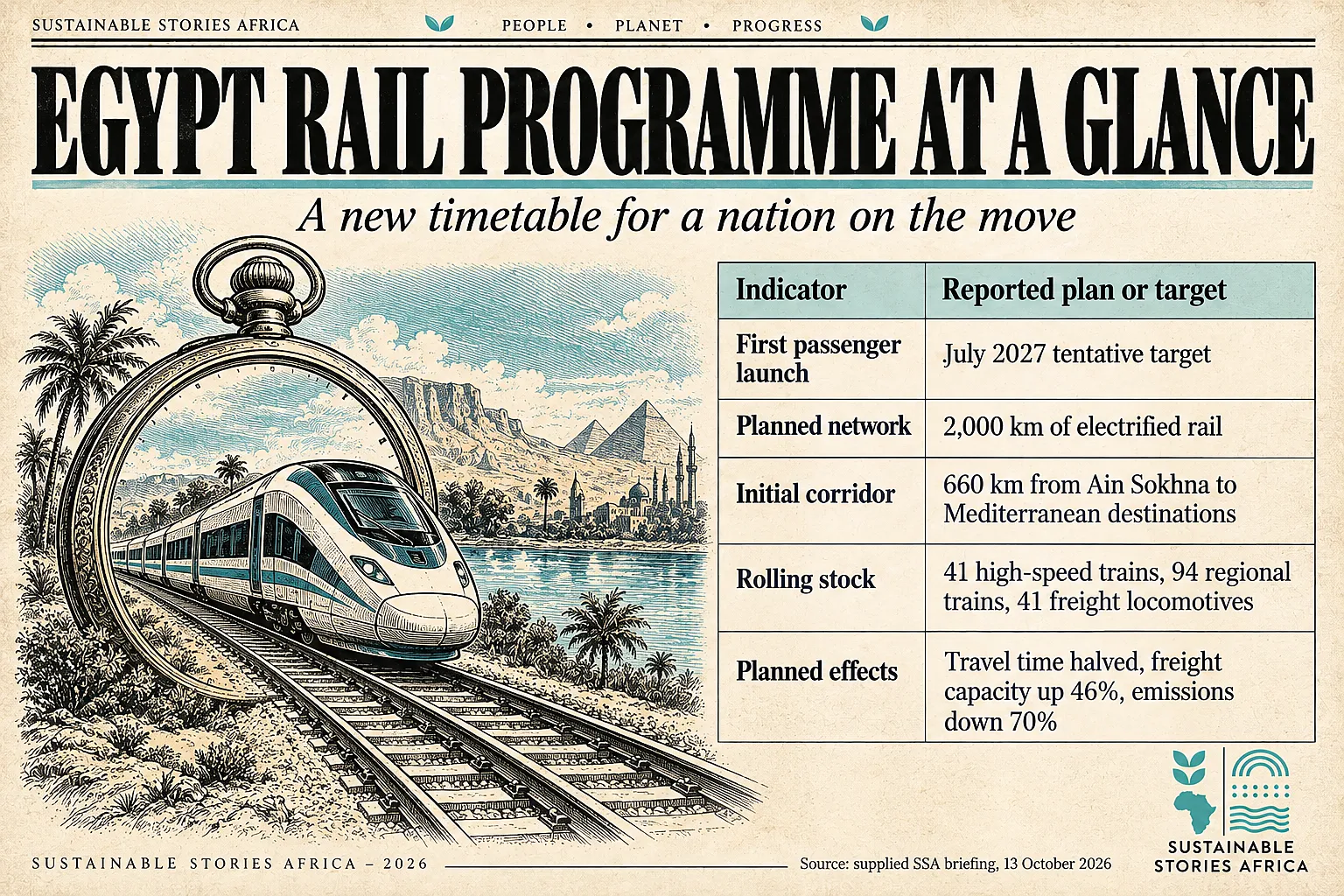
Egypt has set a tentative July 2027 passenger launch for the first line of a new electric rail network that could reshape how people and goods move between the Red Sea, Cairo and the Mediterranean.
The initial 660 kilometre corridor will connect Ain Sokhna with the New Administrative Capital, Greater Cairo, Alexandria and Marsa Matrouh.
It forms part of a planned 2,000-kilometre system being delivered by Siemens Mobility with Orascom Construction and The Arab Contractors.
For commuters, exporters and communities beyond the congested Nile Valley, the project promises an alternative to long road journeys and a rail system built for both passengers and freight.
Network Scale Requires Complex Systems Integration
The programme combines 41 Velaro high-speed trains, 94 Desiro regional trains, and 41 Vectron freight locomotives, along with signalling, electrification, ticketing, and long-term maintenance.
- Siemens says the completed network is intended to give 90% of Egyptians access to rail, support more than 500 million passenger journeys a year, cut travel times by half and increase freight capacity by 46%.
- The high-speed trains are designed to reach 230 kilometres per hour, while the freight locomotives can haul up to 1,200 tonnes.
- Those figures describe the planned system, not benefits already realised.
The July 2027 date therefore remains a delivery target that depends on testing, station readiness, operations and integration across the corridor.
Service Quality Determines Infrastructure’s Public Value
The project also illustrates a wider African infrastructure question:
- How to turn a large capital programme into a dependable public service.
- Construction can be counted in bridges, tracks, and train deliveries, but passengers experience the system through total journey time, station safety, ticketing, and first- and last-mile reliability.
- Freight users will judge it through predictable slots and port connections.
Egypt will therefore need coordinated institutions, not only completed assets.
Maintenance funding and technical skills matter, especially because a modern electrified railway can deteriorate quickly if spare parts, inspections and operating discipline fall behind after launch.
Rail Links Could Broaden Economic Opportunity
If the network works as planned, its largest gain may be the combination of mobility and economic geography.
- Faster links can widen access to jobs and services, while freight connections between industrial zones and ports can reduce delays for manufacturers and exporters.
- Siemens projects that shifting journeys from road to rail could reduce transport emissions by 70%.
- That claim will ultimately need to be tested against actual passenger demand, electricity supply, ticket prices and the carbon intensity of operations.
The public benefit will be strongest if stations are accessible by dependable local transport and if fares allow ordinary households to use the service.
Transparent Testing Must Precede Passenger Operations
Egyptian authorities and project partners now need to publish a clear commissioning timetable, safety milestones and service plan for the first line.
- Passenger information should cover fares, station access, accessibility, connections and opening phases well before launch.
- Freight customers will also need transparent capacity and scheduling arrangements. Independent reporting on construction progress, land and community impacts, energy use and operational performance would let the public distinguish engineering ambition from delivered results.
A rail network of this scale should be judged by reliability, inclusion and emissions avoided, not only by kilometres built.
Path Forward – What Egypt Must Deliver Before Opening
The immediate priority is disciplined testing across trains, tracks, stations, signalling and emergency systems, followed by a realistic public launch plan.
Authorities should also coordinate feeder transport and freight access so the line works as a network rather than an isolated corridor.
Longer term, Egypt should report passenger use, affordability, freight volumes and verified emissions outcomes.
These measures will show whether the investment improves daily mobility and supports a lower carbon transport system.
Culled from: Egypt’s High-Speed Rail Network Targets July 2027 Passenger Launch in Broader Rail Overhaul - Ecofin Agency