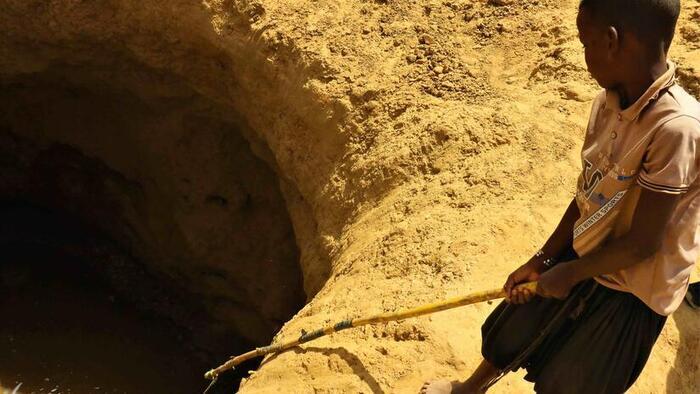
A systematic review has linked extreme heat with illness and death in disadvantaged urban communities across Africa.
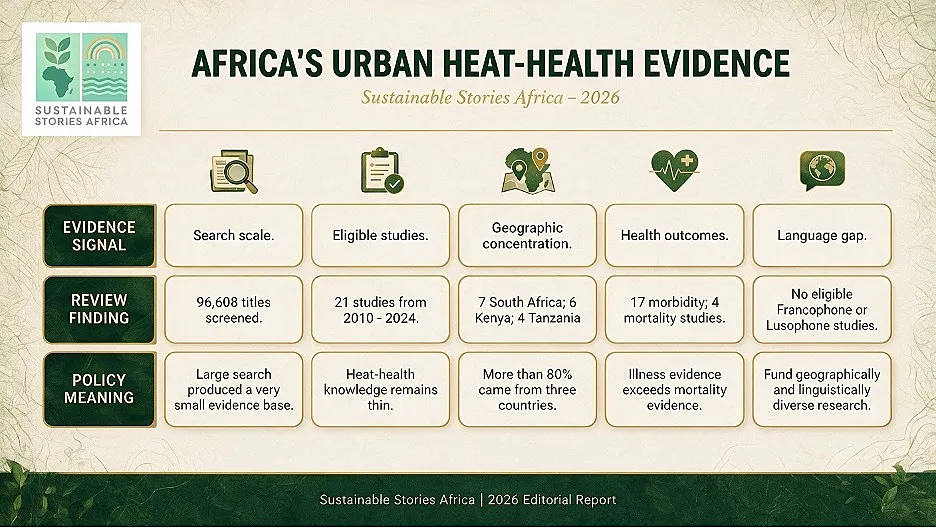
Only 21 eligible studies were found, concentrated mainly in South Africa, Kenya and Tanzania, with none from Francophone or Lusophone countries.
The findings demand heat-health surveillance, safer housing and adaptation designed around children, older people and low-income residents.
Heat Risk Is Already Unequally Distributed
Extreme heat is already increasing illness and death in disadvantaged urban communities across Africa; however, the evidence needed to protect residents remains dangerously sparse, according to a systematic review published in the journal Climate on 17 August 2026.
The study found recurring dehydration, heat exhaustion, skin rashes, heatstroke, sleep disruption and cardiovascular and respiratory illness.
Children, older adults, pregnant women, people with chronic conditions and the poorest households faced the greatest risks.
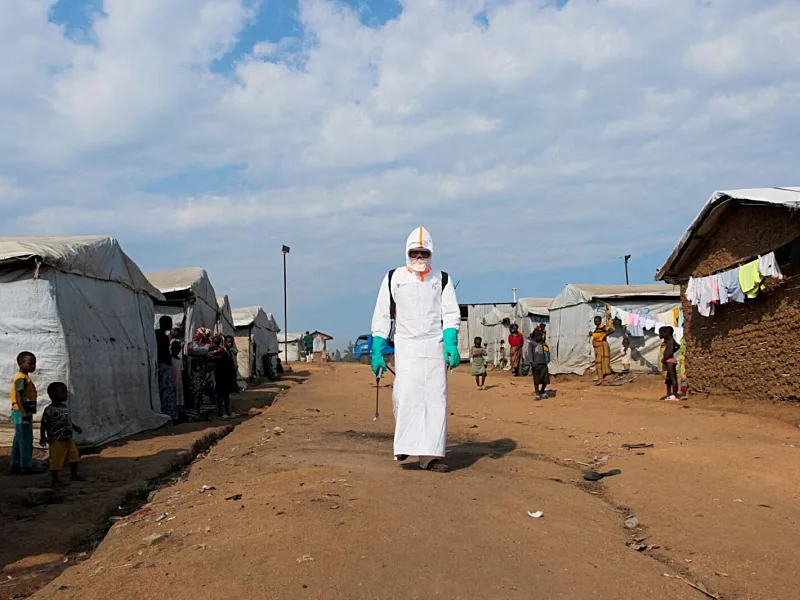
- In informal settlements, heat is intensified by crowded neighbourhoods, limited vegetation, weak access to water and healthcare, and homes made from materials that absorb heat by day and release it slowly at night.
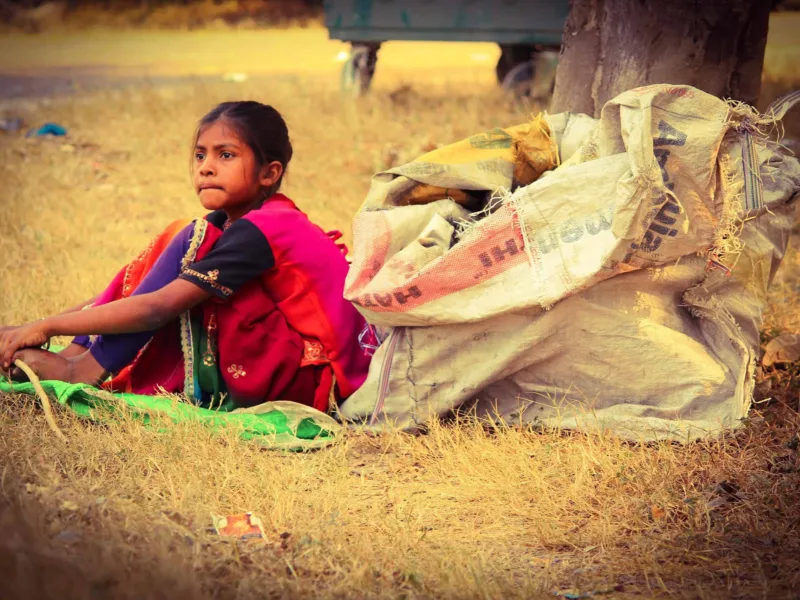
- Poverty reduces the ability to buy cooling or stop working during dangerous temperatures.
Twenty-One Studies Reveal Dangerous Blindspots
The researchers searched 11 databases in English, French and Portuguese and screened 96,608 titles and 59 abstracts before selecting 21 studies published between 2010 and 2024.
- Seven came from South Africa, six from Kenya and four from Tanzania.
- Cameroon, Egypt, Nigeria and Ghana contributed one each.
- More than 80% of the evidence therefore came from only three countries.
Seventeen studies examined morbidity and four examined mortality.
- Nairobi research linked temperatures above local thresholds with child deaths and mortality from non-communicable disease.
- Another Kenyan study found no statistically significant relationship between heatwaves and years of life lost.
The review appropriately cautions that mortality evidence remains limited and context-dependent.
Better Cities Can Prevent Heat Illness
The review found that housing, occupation, education, income, gender and age interact to shape vulnerability.
- Metal-sheet dwellings without insulation can retain dangerous heat, while residents working outdoors or in informal jobs may have little control over exposure
- Security concerns can also keep women and children indoors at night, limiting ventilation.
These are not purely medical problems.
- Urban planning can reduce exposure through shade, trees, reflective roofing, ventilation, water access and cooling spaces.
- Health services can establish heat alerts, train frontline workers, adjust medicine and staffing plans during hot periods and track heat-related cases.
- Social protection can help outdoor workers and low-income households respond without sacrificing daily income.
Interventions should be tested against local conditions.
- Trees need water and maintenance; cooling centres must be safe, accessible and affordable to reach; reflective roofs should not create glare or shift heat to neighbours.
- Residents of informal settlements should help design solutions because they understand how homes are used across day and night.
Adaptation that ignores tenure, security and livelihoods may look effective on paper while remaining unusable in practice.
Make Heat A Core Health Metric
The biggest warning is what Africa still does not know.
- Despite a multilingual search, no eligible study came from Francophone or Lusophone countries, and 19 of the 21 studies used cross-sectional or mixed-method designs.
- Data gaps make it harder to set local warning thresholds, identify neighbourhood hotspots and judge which interventions work over time.
Governments, universities and funders should support longitudinal studies, digitise health and temperature records and include informal settlements in city climate plans.
Research must also examine land tenure, public-investment inequality and governance, because residents cannot adapt effectively where authorities do not recognise their neighbourhoods.
Heat should be recorded as a routine health and urban-risk metric, not treated as exceptional weather.
Path Forward – Protect People From Heat
Cities should pair heat alerts with safer housing, shade, water, cooling access and trained health workers in vulnerable neighbourhoods.
Funders must expand longitudinal research beyond Anglophone Africa so adaptation decisions reflect where risk is highest, not merely where data already exist.