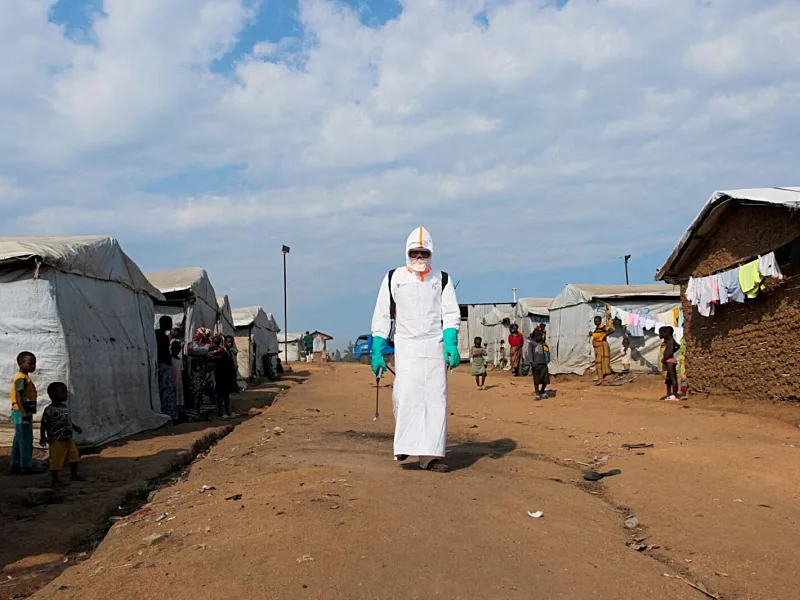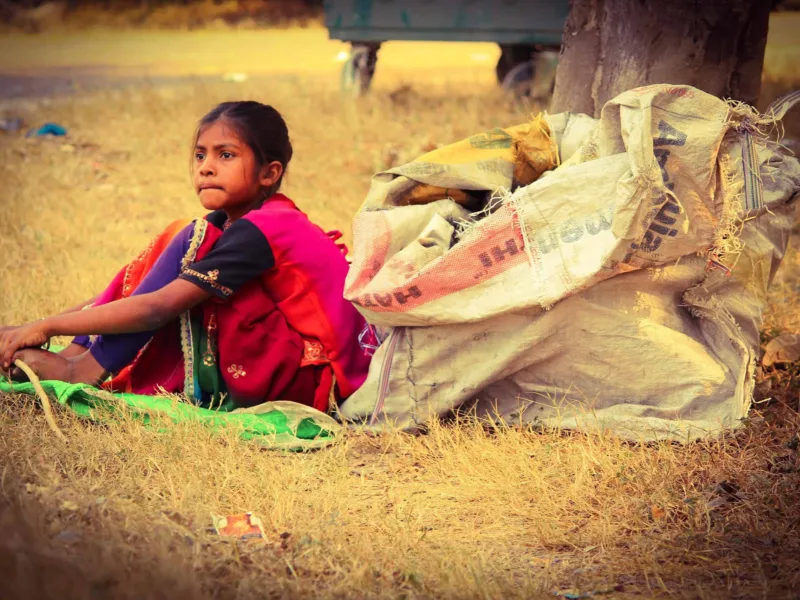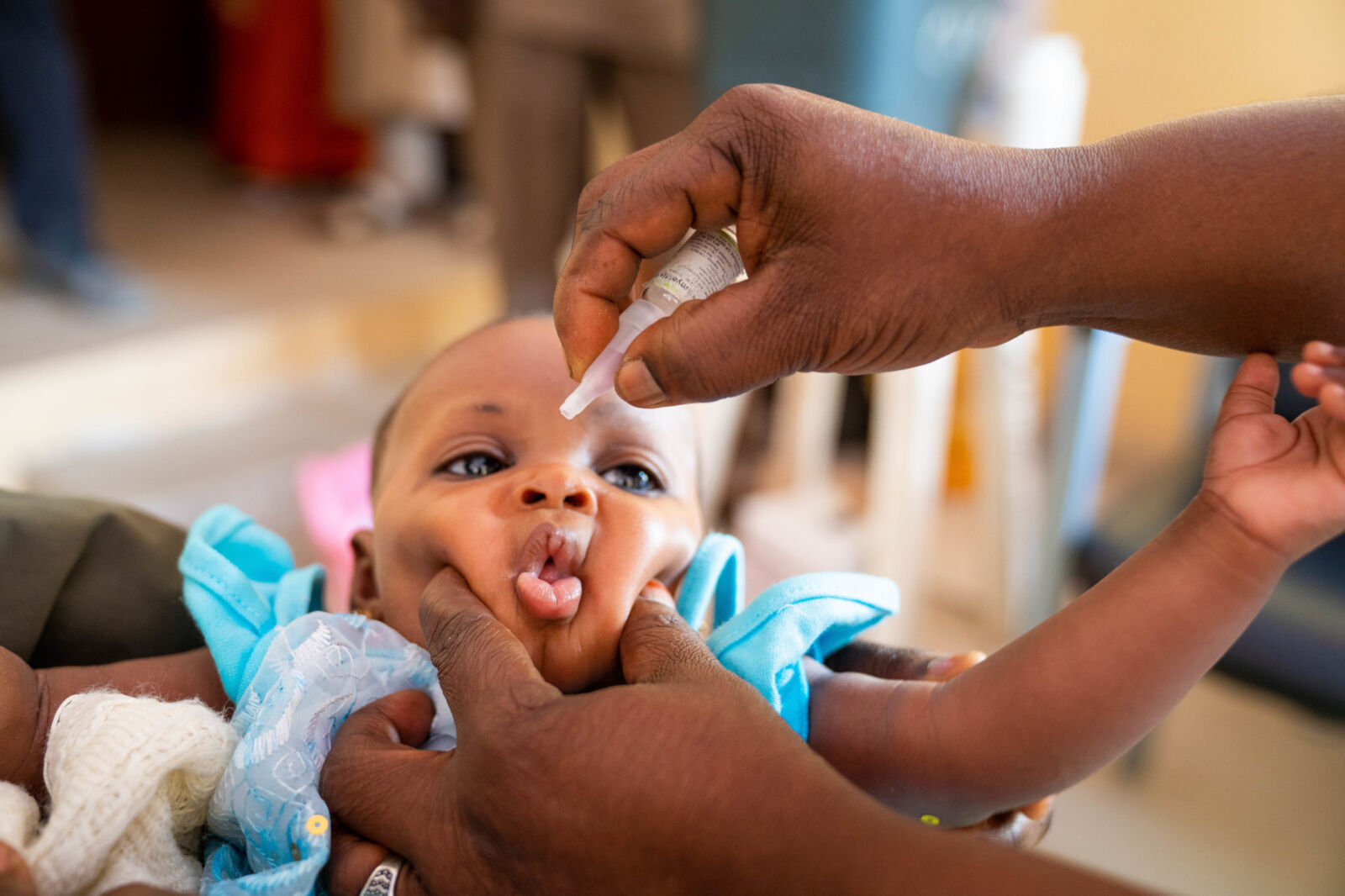
Burundi, Ghana, Guinea-Bissau, Republic of the Congo and Uganda have interrupted transmission linked to poliovirus type 2 outbreaks.
Independent assessments confirmed the closures after reviewing surveillance, laboratory, epidemiological and vaccination evidence.
The milestone protects children, but reimportation remains possible, making immunisation, trust and rapid detection essential beyond the celebration.
Five Closures Mark A Regional Breakthrough
Five African countries have stopped transmission associated with poliovirus type 2 outbreaks, the World Health Organisation Regional Office for Africa announced on 19 August 2026.
Independent Outbreak Response Assessment teams reviewed surveillance, laboratory, and epidemiological evidence between January and June before WHO confirmed closures in Burundi, Ghana, Guinea-Bissau, the Republic of the Congo and Uganda.
For families, the technical language translates into a simple outcome: more children are protected from a highly infectious disease that can cause irreversible paralysis. There is no cure for polio, but vaccination can prevent it.
Closing five outbreaks therefore represents years of work by health workers, laboratories, governments, communities and international partners rather than a single campaign.
Surveillance Made Invisible Work Visible Again
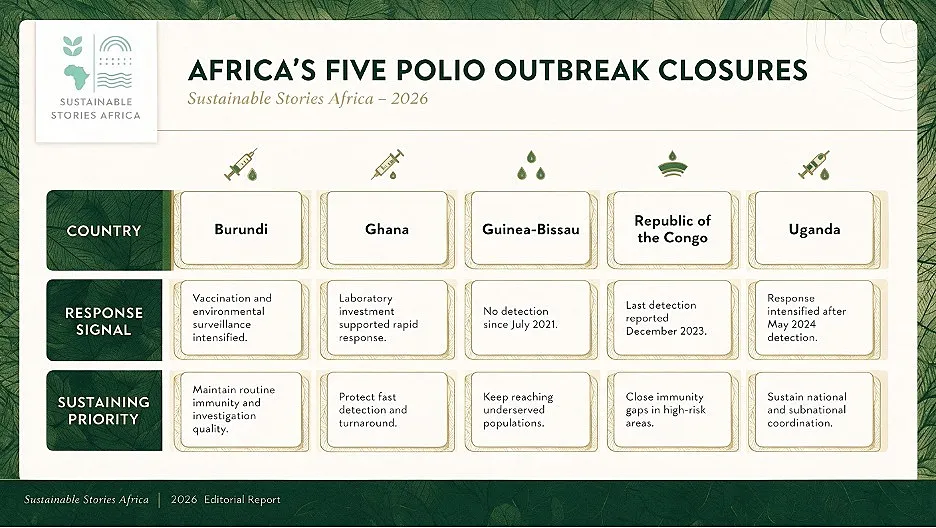
Each country followed a different route. Republic of the Congo combined stronger surveillance with repeated vaccination campaigns after its last detection in December 2023.
- Burundi intensified routine immunisation, epidemiological investigation and environmental surveillance after declaring an outbreak in March 2023.
- Uganda strengthened national and subnational coordination after a detection in May 2024.
- Ghana paired rapid response with laboratory investment, while Guinea-Bissau targeted underserved populations and reported no poliovirus detection after July 2021.
Across the five countries, common elements were early detection, political leadership, community engagement, quality campaigns and the ability to close immunity gaps in high-risk areas.
Outbreak Closure Is Not Eradication Yet
WHO warned that closure does not remove the risk of a future detection or imported virus. Madagascar's recent detection after a previous closure illustrates how quickly gains can be tested when population movement crosses borders, and immunity is uneven.
Dr Mohamed Janabi, WHO Regional Director for Africa, said continued vigilance, strong surveillance and high immunisation coverage remain essential.
That distinction matters for public communication.
- Declaring victory too broadly can weaken urgency, while treating progress as insignificant can erode morale.
- The responsible message is both hopeful and precise: the identified outbreak chains have been interrupted, but the systems that achieved that result must remain active.
Outbreak closure is a country-specific technical determination, rather than a political announcement.
- Independent assessors examine response quality, population immunity and whether surveillance is sensitive enough to find remaining transmission.
- That standard protects credibility.
- It also shows why vaccination totals alone cannot prove success: countries must demonstrate that children were reached, suspected cases were investigated and laboratories could detect the virus if it returned.
Keep Every Child Inside The System
Countries are increasingly using acute flaccid paralysis surveillance, wastewater monitoring, laboratory modernisation and geospatial tools to find missed settlements and map population movement.
- These investments strengthen more than polio control.
- The same laboratories, community networks and rapid-response skills can help detect other vaccine-preventable and infectious diseases.
The next priority is equity.
- Border communities, informal settlements, displaced families and remote villages are often hardest to reach and easiest for routine systems to miss.
- Governments and partners should sustain financing, support frontline workers and publish coverage gaps transparently.
Polio eradication will be achieved not when most children are reached, but when every child is visible to a trusted health system.
Community trust remains a core technology of eradication.
- Families need respectful answers about vaccine safety, repeated doses and campaign timing, delivered through local health workers and leaders they know.
- Misinformation and fatigue can create immunity gaps even when vaccines are available.
Listening to concerns is therefore part of surveillance: it helps teams understand why children are missed and adapt outreach before a gap becomes another outbreak.
Path Forward – Sustain Immunisation Beyond Headlines
Governments must preserve high vaccination coverage, sensitive surveillance and fast laboratory response, especially in border and underserved communities.
Partners should treat the five closures as proof that coordinated systems work, and as a reason to finance them until eradication is secured.
Culled from: https://www.afro.who.int/news/five-african-countries-end-polio-outbreaks