Zimbabwe is using artificial insemination, structured breeding and adapted cattle breeds to pursue a national herd of six million by 2030.
The strategy aims to improve fertility, survival and beef productivity as drought, disease and pasture pressure reshape livestock economics.
However, deaths linked to abandoned mining pits and contaminated water show that better genetics cannot compensate for weak land-use governance.
Better cattle meet a harsher climate
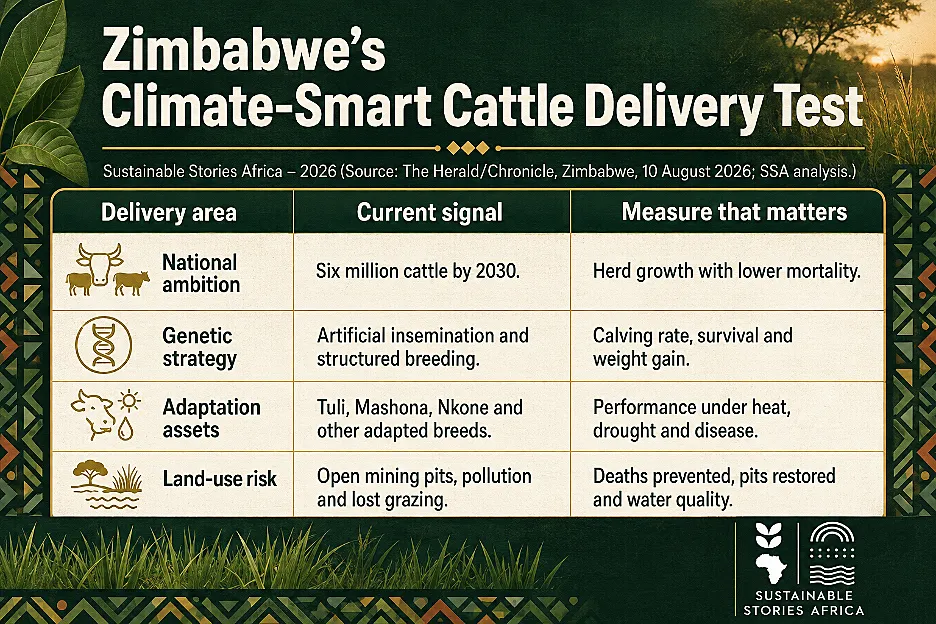
Zimbabwe is placing livestock genetics at the centre of its plan to expand the national cattle herd to six million by 2030.
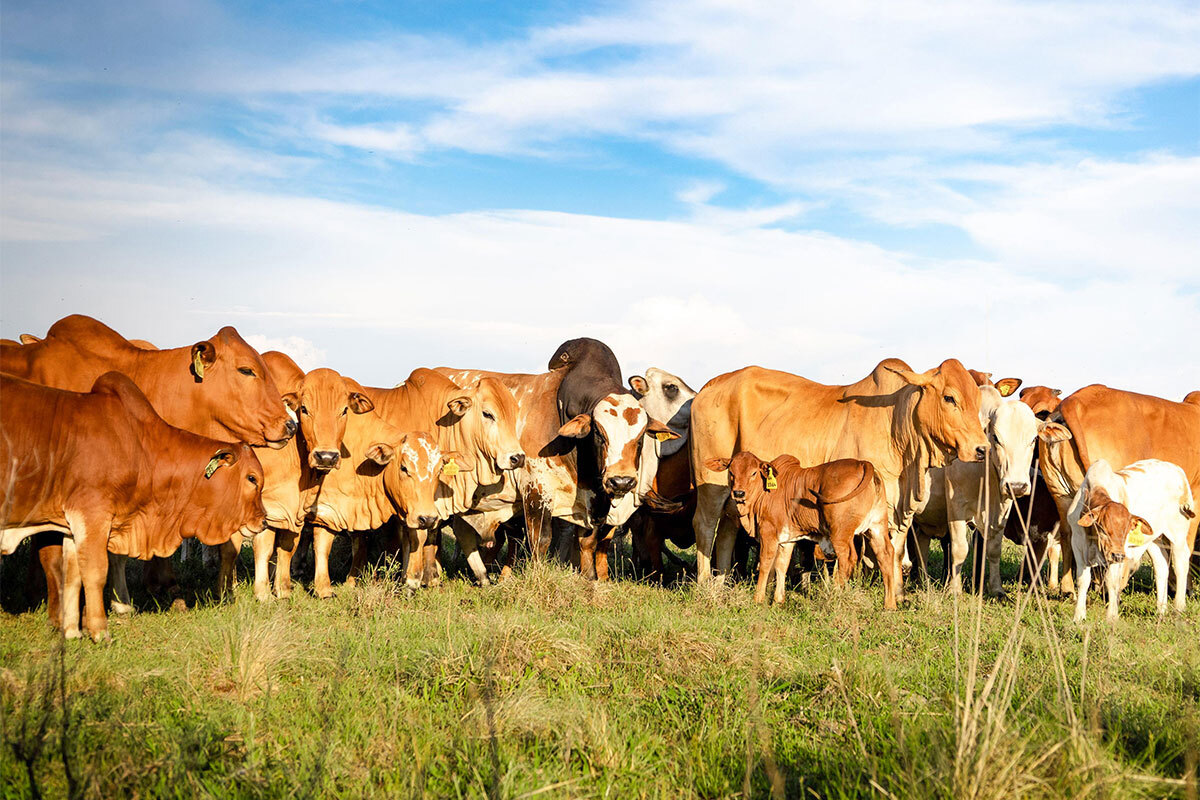
The government programme supports artificial insemination and structured breeding through research institutions, with emphasis on indigenous and adapted breeds including Tuli, Mashona and Nkone cattle.
The goal is not simply more animals.
- It is a herd that can reproduce reliably, survive harsh conditions and convert scarce feed into stronger farm incomes and more efficient beef production.
As drought, disease and pasture scarcity intensify, productivity and resilience increasingly determine whether cattle remain an asset or become an unaffordable risk.
Genetics connects research and farm practice
Deputy Agriculture Minister Davis Marapira highlighted the model during a field day at Rhodes Estates in Matabeleland South.
The Pilossof family operates a 4,000-hectare pedigree enterprise there, known for Brahman and Beefmaster breeding and collaboration with the Matopos Research Institute on genetics, artificial insemination and pasture management.
Marapira said the country’s cattle genetics were improving and praised breeding adapted to climate change and local conditions.
- The commercial farm illustrates how research, nutrition management and private investment can complement public programmes.
- Pedigree animals are also high-value assets: cattle at the farm can cost between $4,000 and $8,000, while some bulls have reportedly sold for as much as $13,000.
For smallholders, however, the relevant test is whether improved genetics become affordable and practical.
- Artificial insemination needs trained technicians, cold-chain reliability, accurate records and timely access.
- Farmers also need extension advice so breeding choices match feed, water, disease pressure and market demand.
Productivity gains can strengthen rural resilience
A well-designed genetics programme can raise calving rates, reduce mortality and improve weight gain without relying only on herd expansion.
- Adapted breeds can protect farmers from climate volatility, while better records allow selection based on performance rather than appearance.
- Stronger animals can improve household income, food supply and the competitiveness of the beef value chain.
However, genetic improvement must preserve diversity.
- Concentrating on a narrow set of traits can create vulnerability to disease or changing conditions.
- Zimbabwe’s emphasis on indigenous and adapted breeds is therefore important, provided breeding systems maintain broad genetic resources and farmers retain choices suited to local environments.
Land governance could undermine breeding gains
The Rhodes Estates example also reveals a threat genetics cannot solve.
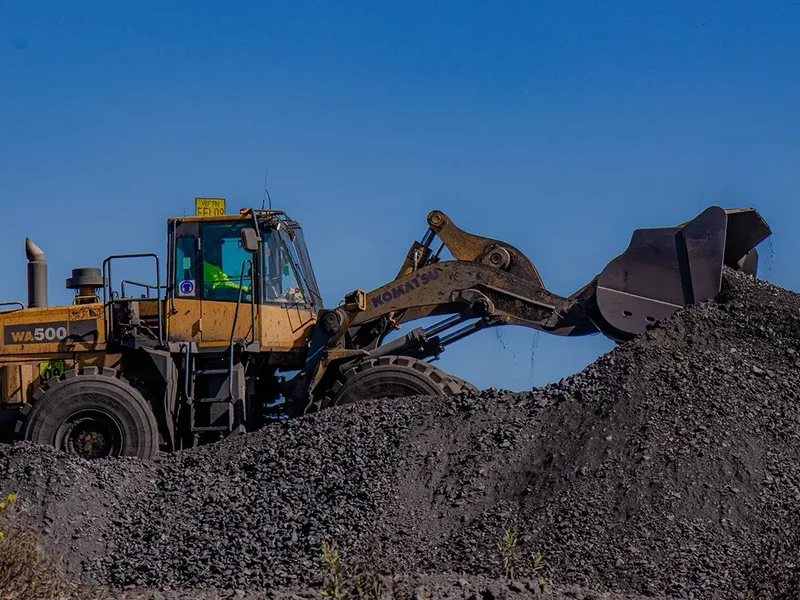
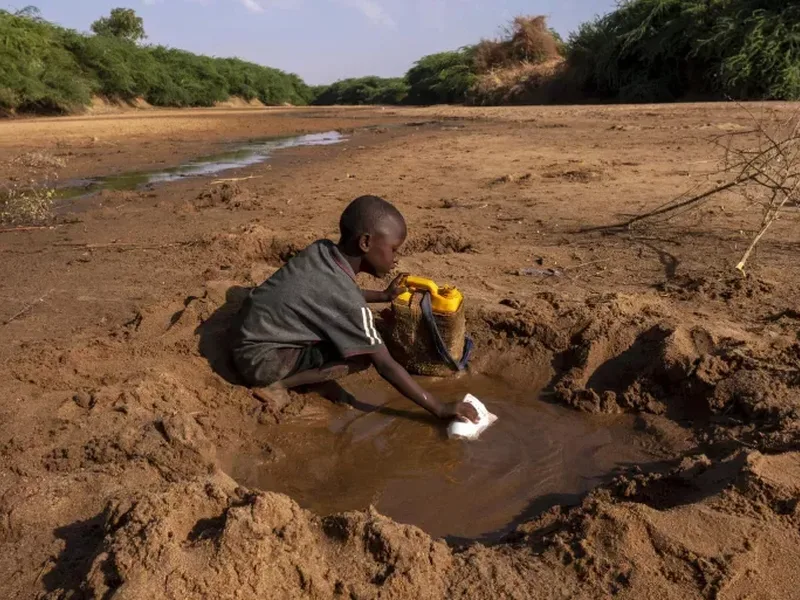
- The farm says close to 200 pedigree cattle have died in recent years after falling into pits left by illegal gold miners or drinking water contaminated by chemicals.
- More than 30 pits were reportedly observed in a small area, while degraded land has reduced available grazing.
Authorities must align agriculture, mining and conservation through enforced land-use plans, rehabilitation duties and water monitoring.
Breeding investment will not deliver climate-smart livestock if cattle face unsafe grazing areas, toxic exposure and shrinking pasture.
Farmer organisations should also help monitor programme access, animal welfare and whether public support reaches communal and small-scale producers.
Path Forward – Scale genetics with land and services
Zimbabwe should pair breeding targets with technician coverage, farmer training, performance records, animal health services and transparent access to quality genetics.
Progress should be measured by survival, fertility and farmer returns, not herd numbers alone.
Mining pits must be rehabilitated and contaminated water addressed through coordinated enforcement.
A six-million herd will be sustainable only if productive animals, safe grazing land and resilient rural livelihoods advance together.
Culled from: Livestock genetics boost Zim’s drive to six million cattle – herald