Morocco will begin compensating private electricity producers for the surplus power supplied to the national grid, marking a structural shift in how the country manages excess generation.
The policy aims to stabilise investor confidence as renewable capacity expands and intermittency increases.
Officials say the mechanism could strengthen Morocco’s clean energy ambitions while reshaping the allocation of market risk across the sector.
Morocco Rewards Private Generators for Grid Stability
Morocco has announced plans to compensate private power generators for surplus electricity that is fed into the grid, a move designed to emphasise investor certainty and smooth market imbalances as renewable energy capacity accelerates.
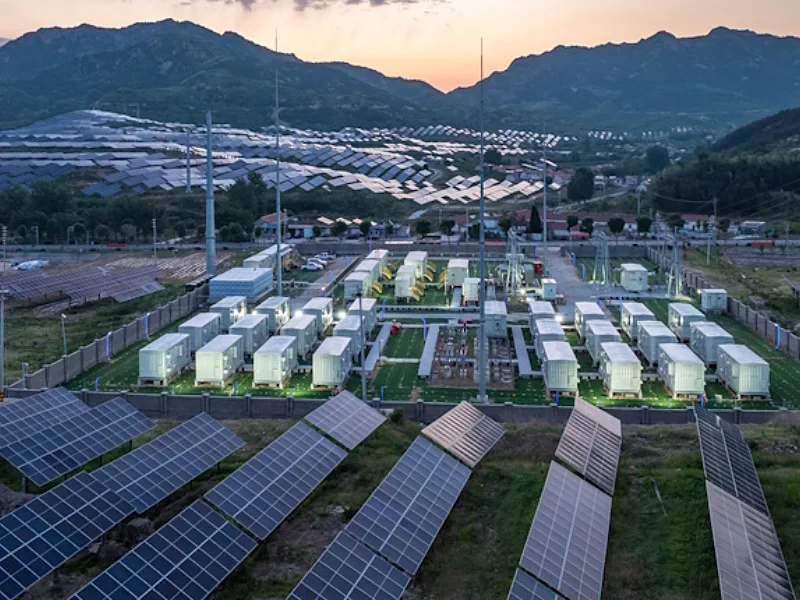
The reform addresses a structural tension in Morocco’s electricity market. While solar and wind capacity have expanded rapidly, grid absorption limits and demand fluctuations have occasionally left private producers exposed to uncompensated oversupply.
Under the proposed framework, private generators supplying excess electricity during periods of grid surplus will receive payments under defined market mechanisms. Officials describe the system as a stabilising instrument rather than a subsidy, intended to prevent stranded capacity and maintain project bankability.
Energy analysts say the move positions Morocco as one of North Africa’s more flexible power markets, particularly as the country pushes toward higher renewable penetration targets and deeper private sector participation.
Surplus Power Reshapes Market Dynamics
Morocco’s power sector has undergone a significant transformation over the past decade, with the expansion of large-scale solar complexes and wind farms expanding the country’s generation mix.
However, the rapid build-out has introduced new grid management challenges.
Periods of peak renewable output, especially during high solar irradiation or strong wind cycles, have occasionally exceeded immediate demand.
Without a structured compensation mechanism, private producers have borne the financial risk of curtailed or surplus output.
The new payment system aims to recalibrate that risk-sharing model.
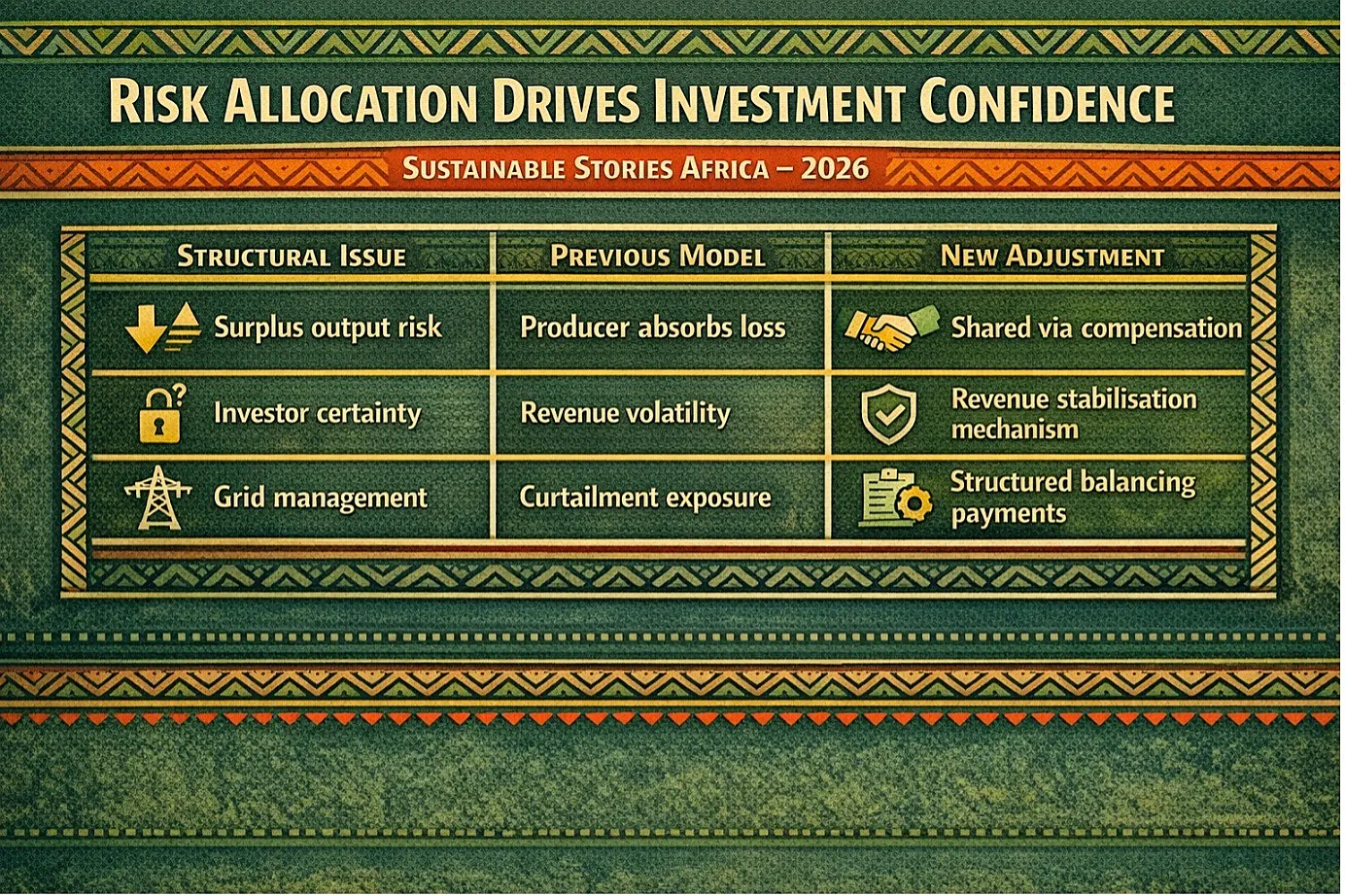
Risk Allocation Drives Investment Confidence
By formalising payments for surplus electricity, Morocco is signalling a shift toward market-responsive regulation.
Investors and project developers have long argued that regulatory clarity is essential for scaling renewable energy. Bankability depends not only on generation capacity but also on predictable revenue streams.
The mechanism could help reduce financing costs by lowering the perceived volatility of revenue.
It also aligns with broader global trends in electricity markets, where flexibility, grid balancing, and storage integration are becoming central to power sector reform.
Structural Issue | Previous Model | New Adjustment |
|---|---|---|
Surplus output risk | Producer absorbs loss | Shared via compensation |
Investor certainty | Revenue volatility | Revenue stabilisation mechanism |
Grid management | Curtailment exposure | Structured balancing payments |
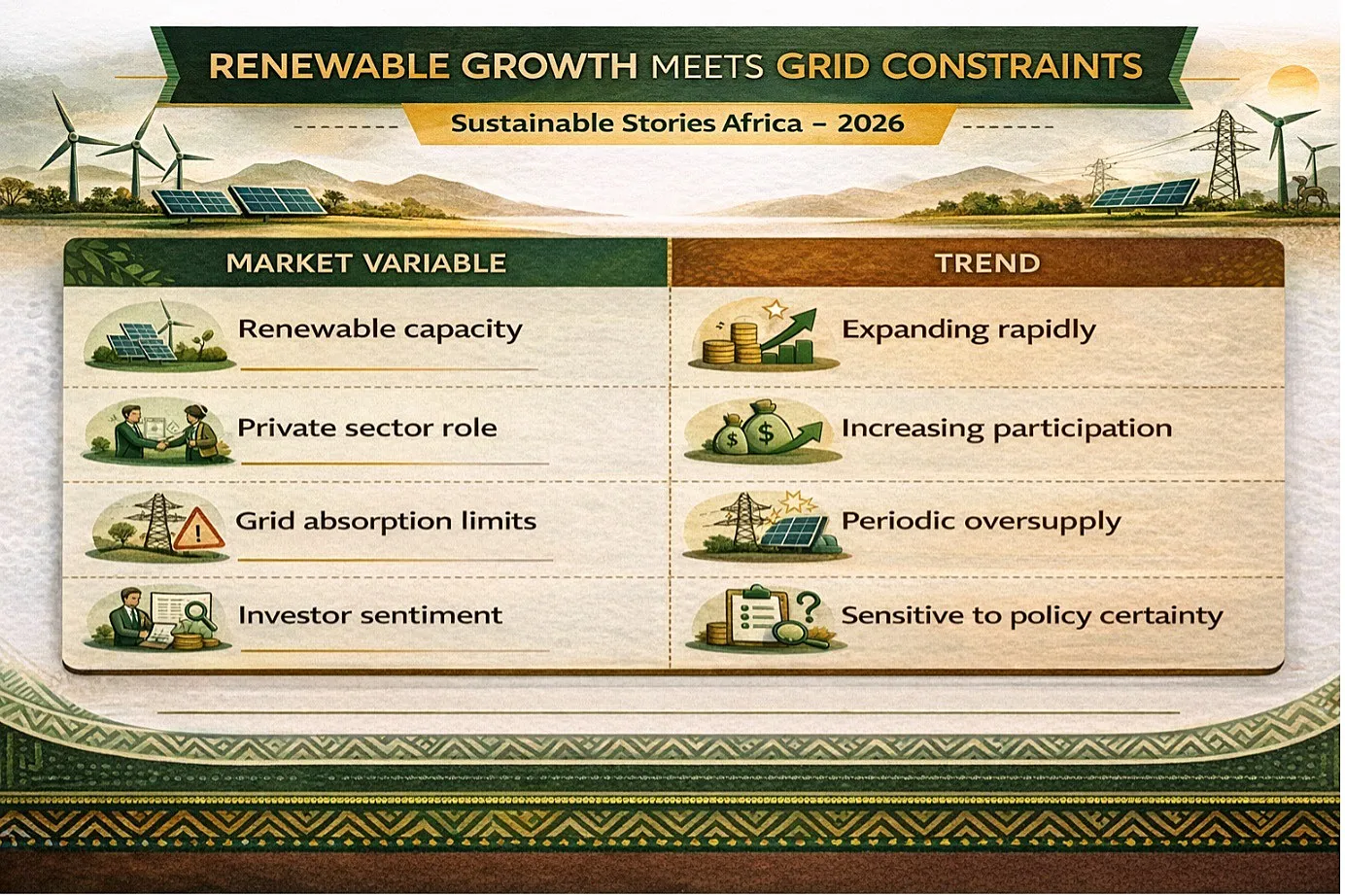
Renewable Growth Meets Grid Constraints
Morocco has positioned itself as a regional leader in renewable energy, with ambitious decarbonisation goals and increasing private participation in power generation.
However, grid stability remains a technical and economic constraint.
Market Variable | Trend |
|---|---|
Renewable capacity | Expanding rapidly |
Private sector role | Increasing participation |
Grid absorption limits | Periodic oversupply |
Investor sentiment | Sensitive to policy certainty |
Energy economists note that surplus compensation frameworks can support the integration of renewables, especially in markets transitioning from state-dominated utilities to hybrid public-private systems.
Market Mechanism Signals Structural Reform
The government’s move suggests a broader recalibration of Morocco’s electricity governance model.
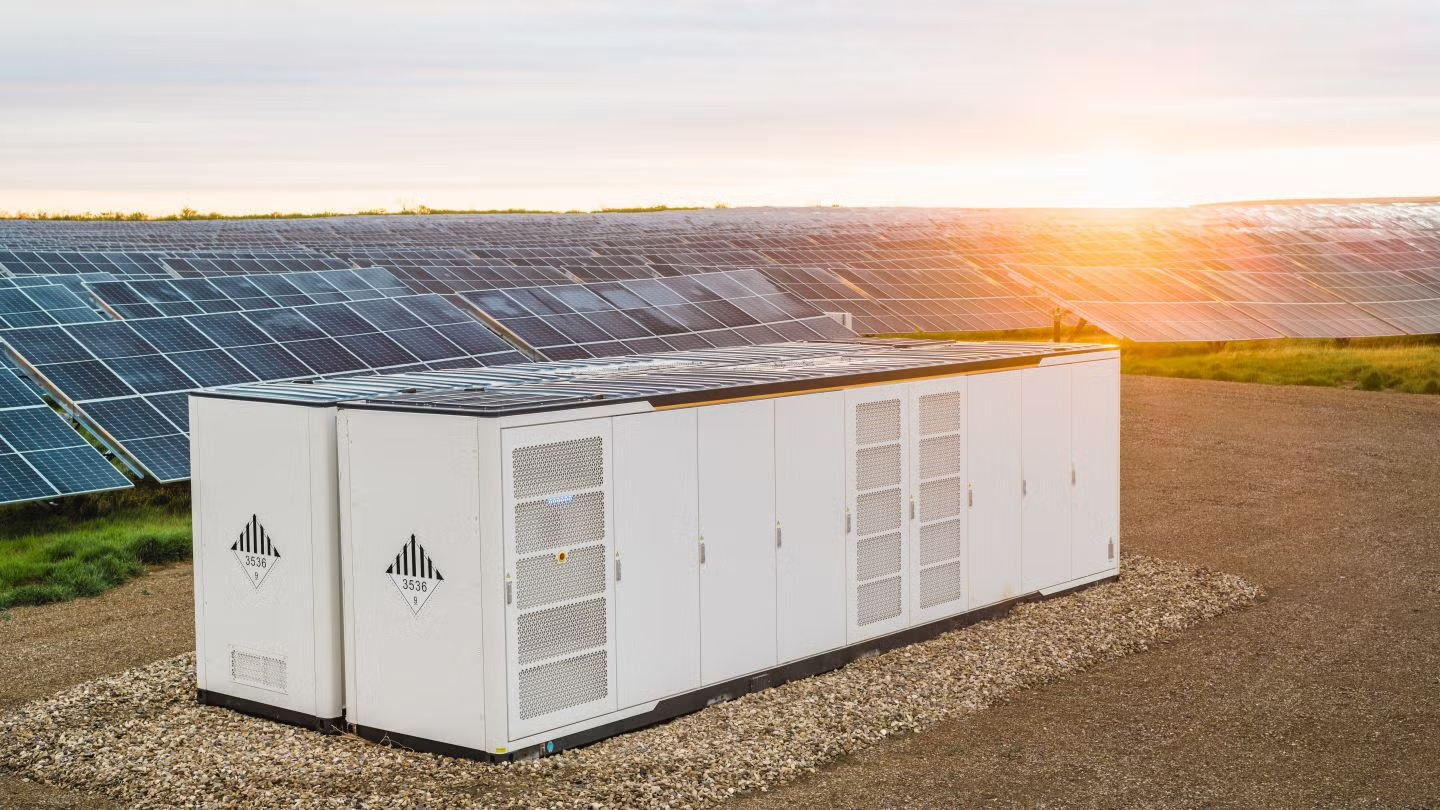
Rather than treating surplus output as an operational anomaly, policymakers appear to be embedding flexibility into the regulatory architecture. This could create space for expanded battery storage, cross-border electricity trade, and smarter demand management systems.
Market participants will now watch closely for the detailed design of payment formulas, eligibility thresholds, and budgetary safeguards to ensure fiscal sustainability.
Path Forward – Flexibility Anchors Energy Transition Stability
Morocco’s compensation mechanism reflects a deeper recognition that renewable expansion requires regulatory agility.
By redistributing surplus risk, policymakers are aiming to preserve investor confidence while protecting grid reliability.
The next phase will hinge on transparent implementation, integration with storage solutions, and sustained private-sector engagement to ensure that surplus management strengthens, rather than distorts, Morocco’s clean energy ambitions.
Culled From: Morocco to pay private generators for surplus power