Mauritius has secured $150 million in financing for its largest hybrid solar-and-battery project in over a decade, marking a decisive shift in the island’s clean-energy strategy.
The project, led by Qair, combines utility-scale solar with battery storage to stabilise supply in a grid exposed to imported fossil fuels.
For a country looking to achieve higher renewable penetration, the deal signals renewed investor confidence in African hybrid infrastructure.
Qair Secures $150m for Mauritius’ Largest Hybrid Solar Storage Project
Mauritius has secured $150 million in financing for what is being described as the country’s largest hybrid solar-and-battery storage project in over a decade, positioning the Indian Ocean nation to accelerate its transition away from imported fossil fuels.
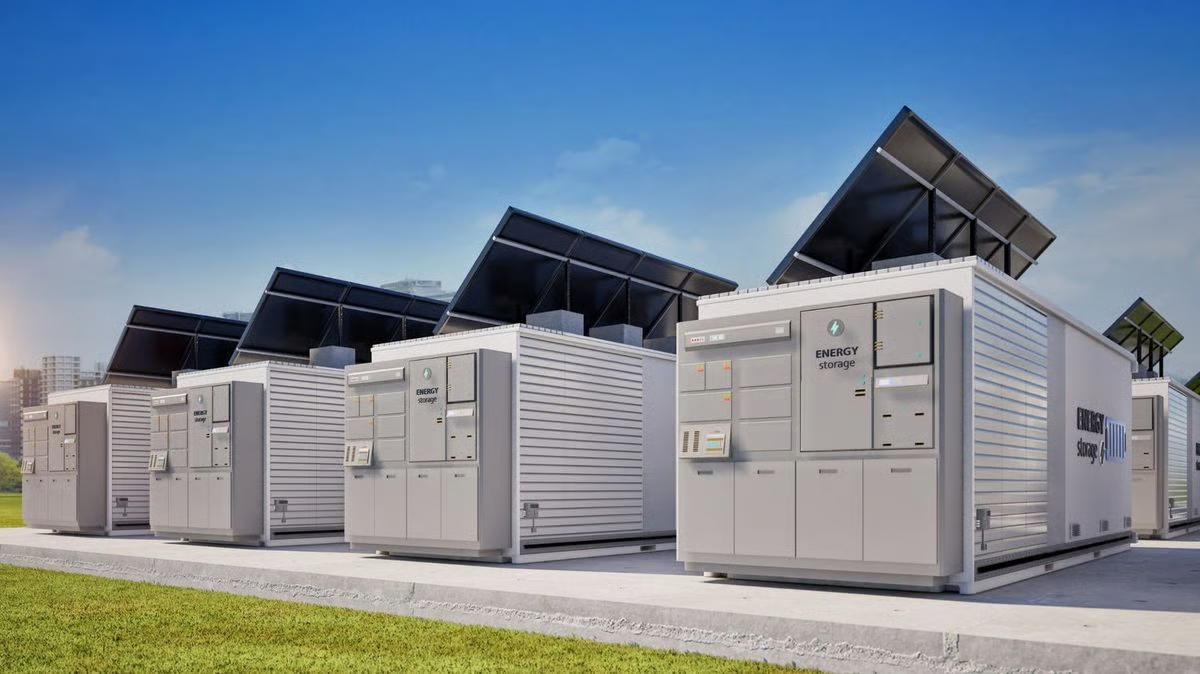
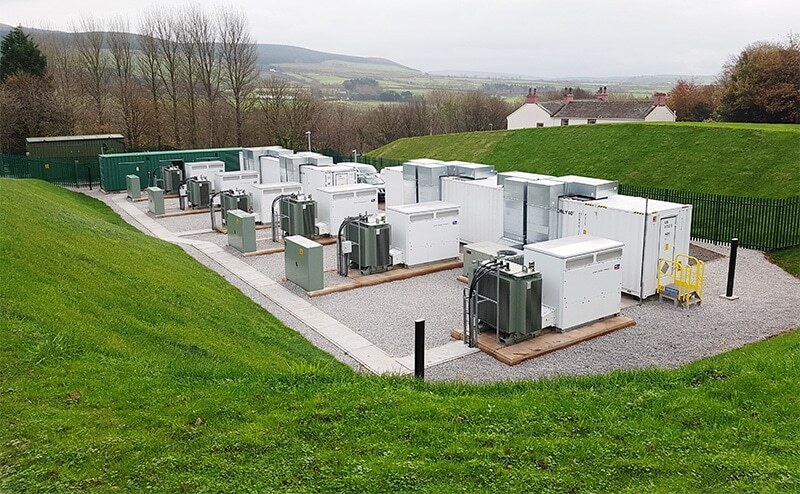
The project, developed by Qair, combines utility-scale solar generation with integrated battery storage, enabling electricity produced during daylight hours to be dispatched during evening peak demand.
The structure addresses one of the most persistent bottlenecks in island grids: intermittency and system stability.
The financing package brings together international lenders and development finance actors, underscoring a growing appetite for bankable hybrid assets across African markets.
For Mauritius, which has historically relied heavily on coal and fuel imports, the investment marks both an energy-security hedge and a climate commitment in action.
Energy Security Meets Climate Ambition
Mauritius has pledged to expand renewable energy capacity as part of its decarbonisation pathway.
However, like many small island developing states, it faces structural vulnerabilities: exposure to global fuel price volatility, foreign-exchange pressures, and limited grid flexibility.
Hybrid solar-plus-storage projects respond directly to these constraints. By pairing generation with battery systems, utilities can smooth fluctuations, manage peak loads, and reduce reliance on thermal back-up plants.
For policymakers, the Qair deal reflects a maturing policy and regulatory environment capable of attracting long-term capital into infrastructure with blended risk profiles.
Hybrid Models De-Risk African Renewables
Across Africa, utility-scale renewable energy has often struggled with curtailment risks and grid instability. Storage changes that equation.
By integrating batteries, developers enhance project bankability through predictable dispatchability and improved grid integration.
For lenders, this reduces operational risk. For utilities, it enhances reliability. For governments, it advances national energy-transition targets without compromising stability.
Mauritius’ move signals that hybrid systems are no longer experimental pilots—they are emerging as mainstream infrastructure solutions.
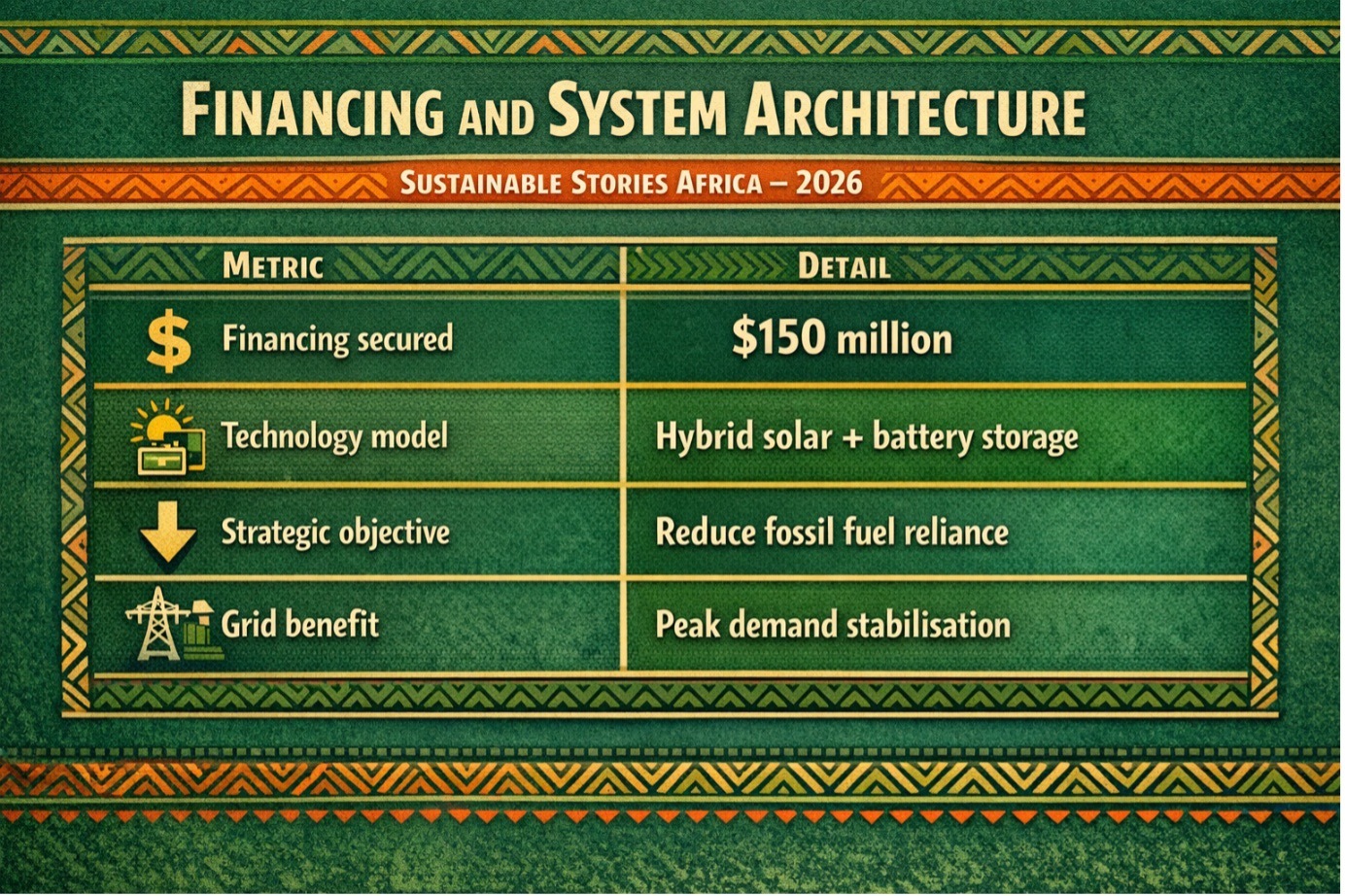
Financing and System Architecture
| Metric | Detail |
|---|---|
| Financing secured | $150 million |
| Technology model | Hybrid solar + battery storage |
| Strategic objective | Reduce fossil fuel reliance |
| Grid benefit | Peak demand stabilisation |
The capital injection also reflects broader shifts in global energy finance, where blended finance, concessional lending, and climate-aligned capital are increasingly channelled into scalable clean infrastructure.
Scaling Clean Infrastructure Investment
The transaction could serve as a blueprint for other island and frontier markets seeking to balance energy reliability with decarbonisation goals.
To replicate this success, governments must strengthen procurement transparency, streamline permitting processes, and provide clear power-purchase frameworks. Investors, meanwhile, are likely to prioritise jurisdictions demonstrating policy continuity and regulatory certainty.
Hybrid systems may also unlock new opportunities for private capital participation, particularly where storage enhances revenue predictability.
Path Forward – Storage-Backed Energy Security Acceleration
Mauritius’ hybrid solar-storage financing signals a pivot toward resilient clean infrastructure.
Priorities now centre on timely project execution, grid integration efficiency, and transparent performance monitoring.
If successfully delivered, the model could anchor future renewable auctions, deepen investor confidence, and position Mauritius as a reference case for hybrid deployment across island and coastal African markets.
SSA Commentary – Strategic Implications for Africa’s Energy Transition
Beyond Mauritius, the deal reinforces three broader continental themes.
- First, hybridisation is fast becoming essential in grids with variable renewable penetration.
- Second, international capital remains available for well-structured, climate-aligned projects.
- Third, smaller markets can compete for global finance when regulatory clarity converges with technical viability.
As African nations pursue energy transition targets under tightening fiscal constraints, projects that combine generation with storage are sure to define the next decade of infrastructure investment.
For Mauritius, the message is clear: resilience, reliability, and renewables are no longer competing priorities; they are converging pillars of national energy strategy.