Waste is increasing faster than earlier forecasts suggested, and the sharpest pressure is now building across the Global South. A World Bank assessment says cities are heading toward a more immediate waste crunch than policymakers had expected.
That matters because the real fault line is not only how much waste is produced, but how little of it is formally collected, treated or financed in lower-income markets.
For African and other developing economies, this is becoming a public-health, climate and urban-governance test at the same time, with flooding, open dumping, plastic leakage and methane all converging into one systems problem.
A faster crisis than expected
The Global South is accelerating towards a waste tipping point, with rising trash volumes now outpacing the systems built to manage them. That is the central warning from the Global South: it is heading toward a waste tipping point, according to a Down-to-Earth report published on April 7, 2026, drawing on the World Bank’s What a Waste 3.0 assessment released in March.
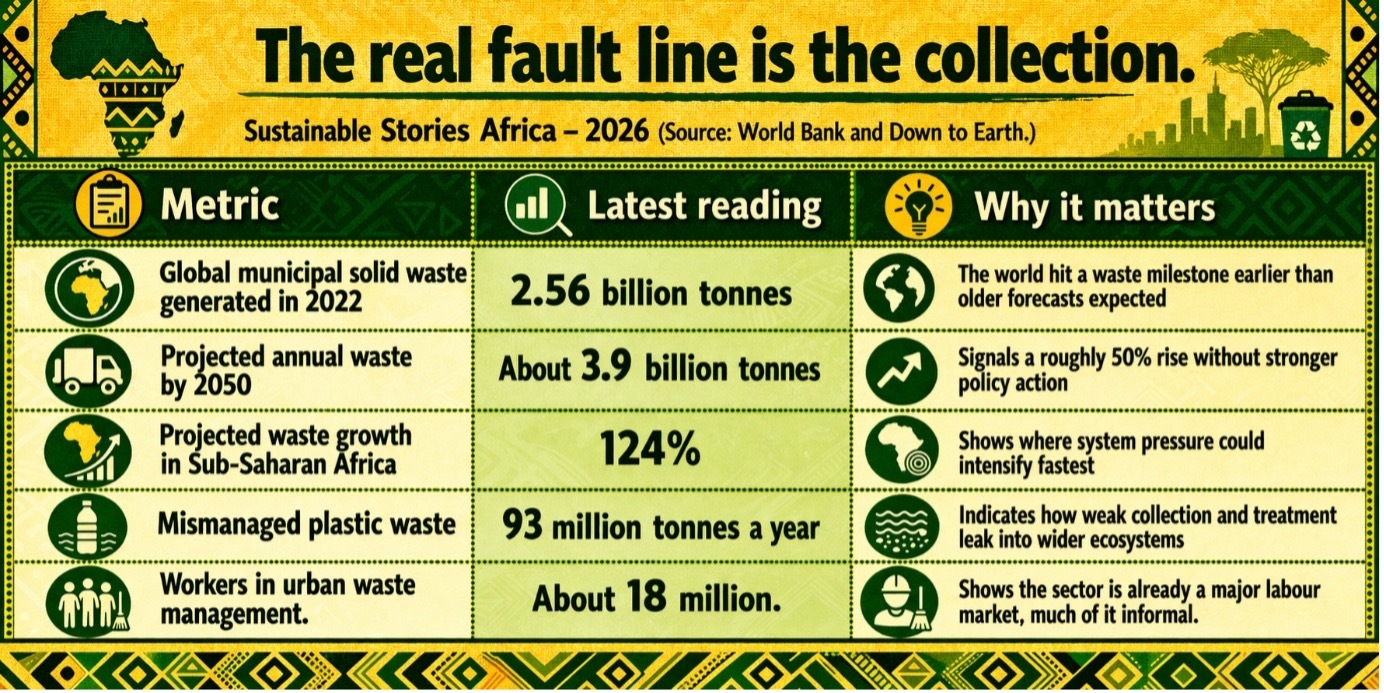
The message is stark: the world generated about 2.56 billion tonnes of municipal solid waste in 2022, and that could rise to roughly 3.9 billion tonnes by 2050 without major policy and investment shifts.
For Africa, the warning is especially sharp. The World Bank projects that Sub-Saharan Africa’s waste volumes will grow by 124% by 2050, the fastest rate among major regions reviewed, as urbanisation, population growth and changing consumption patterns accelerate faster than expansion of service goals. South Asia is projected to see 99% growth.
The real fault line is the collection
The clearest insight in the new framing is that the waste crisis is not only about generation. It is also about collection, coverage and control.
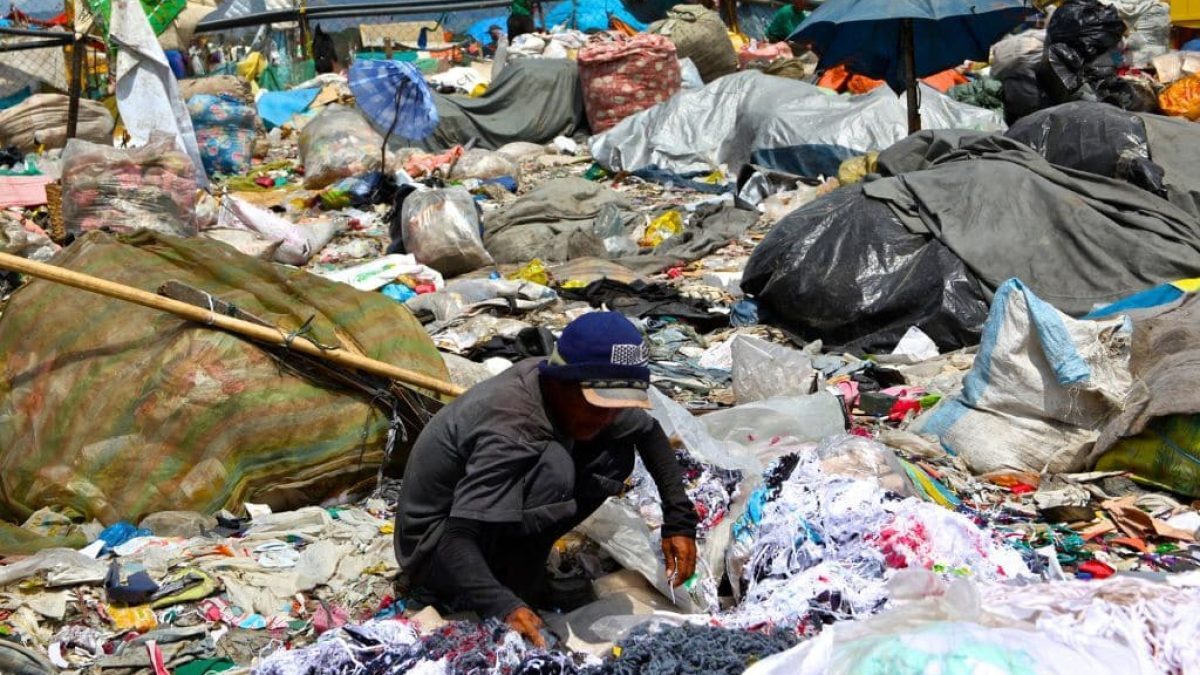
A large share of global waste still goes uncollected or is openly dumped, especially in lower-income settings, where treatment remains limited.
In practical terms, that means waste ends up in drains, waterways and open burn sites, becoming both visible and harmful.
That is why the issue feels so familiar across many African cities. What appears to be a sanitation problem is also an infrastructure, financing and governance challenge, with rising costs for health, flood resilience and local economic activity.
A few numbers show how quickly the pressure is building:
The climate angle is just as serious. The waste sector is identified as the world’s third-largest anthropogenic source of methane, accounting for about one-fifth of global methane emissions.
Much of that comes from organic waste decomposing in dumpsites and other poorly managed disposal sites. At the same time, nearly 29% of plastic waste, or around 93 million tonnes a year, is mismanaged.
What better systems could unlock
The encouraging part of the World Bank’s argument is that this crisis is solvable. Better collection, source segregation, composting, recycling and controlled disposal can reduce long-term system costs, cut emissions and create more stable jobs.
The Bank’s analysis says stronger waste systems can support millions of workers and that deliberately integrating informal recyclers would improve both recovery rates and livelihoods.
That matters deeply for African markets. A functioning waste system does more than remove trash; it can create a more circular economy. It protects urban productivity, lowers health risks, reduces flood losses, supports circular business models and makes cities more investable. In other words, waste reform is not only environmental housekeeping; it is economic resilience.
Finance the basics before the headlines
The clearest lesson for policymakers is that waste reform cannot begin at the end of the value chain.
Recycling targets, processing plants and circular-economy language will continue to underperform if collection systems remain weak.
- Priority number 1 is a universal, reliable collection.
- Second is financing, especially as adequate waste management requires a larger share of GDP than many countries currently commit.
That is why producer accountability and urban reform are becoming essential. Extended producer responsibility, better product design, stronger municipal finance, data-led planning and formal recognition of informal workers can help African cities avoid decades of unmanaged waste and rising climate costs.
Path Forward – Build Collection First, Then Scale Circularity
African and other Global South markets need to treat waste as core infrastructure, not a peripheral municipal service.
The priority is simple: expand collection, fund-controlled disposal, strengthen segregation and formalise the workers already holding recovery systems together.
From there, circularity can become real rather than rhetorical. Better rules, better financing and producer responsibility can turn a mounting waste burden into a cleaner urban growth story with clearer ESG value.
Culled From: https://www.downtoearth.org.in/waste/global-south-is-heading-toward-a-waste-tipping-point