Mauritius has unveiled a three-year renewable pipeline designed to add 405 MW to the grid, backed by home solar, wind expansion and battery storage.
The move matters because the island is trying to reduce energy vulnerability in the face of external price shocks and persistent fossil-fuel dependence.
For households and businesses, the plan means a simpler question: can cleaner power also become more reliable and more affordable?
A small island moves faster
Mauritius is trying to do in three years what many power systems struggle to organise in a decade: turn energy insecurity into a case for accelerated reform.
On 6 April, Energy and Public Utilities Minister Patrick Gervais Assirvaden announced a pipeline of renewable projects expected to add 405 MW to the electricity grid, saying the package is meant to support the country’s energy transition and to mitigate the risk of a wider energy crisis.
The projects, identified with the Central Electricity Board, the Mauritius Renewable Energy Agency and the Energy Efficiency Management Office, are to be implemented over three years.
The timing is not accidental. Mauritius’ government has tied the push to wider efforts to shield households and businesses from global energy turbulence, including disruptions linked to tensions in the Middle East.
Prime Minister Navinchandra Ramgoolam said this week that rising global energy pressures had already forced coordinated measures to protect energy security, with renewable projects expected to generate around 405 MW over the next few years, forming part of that response.
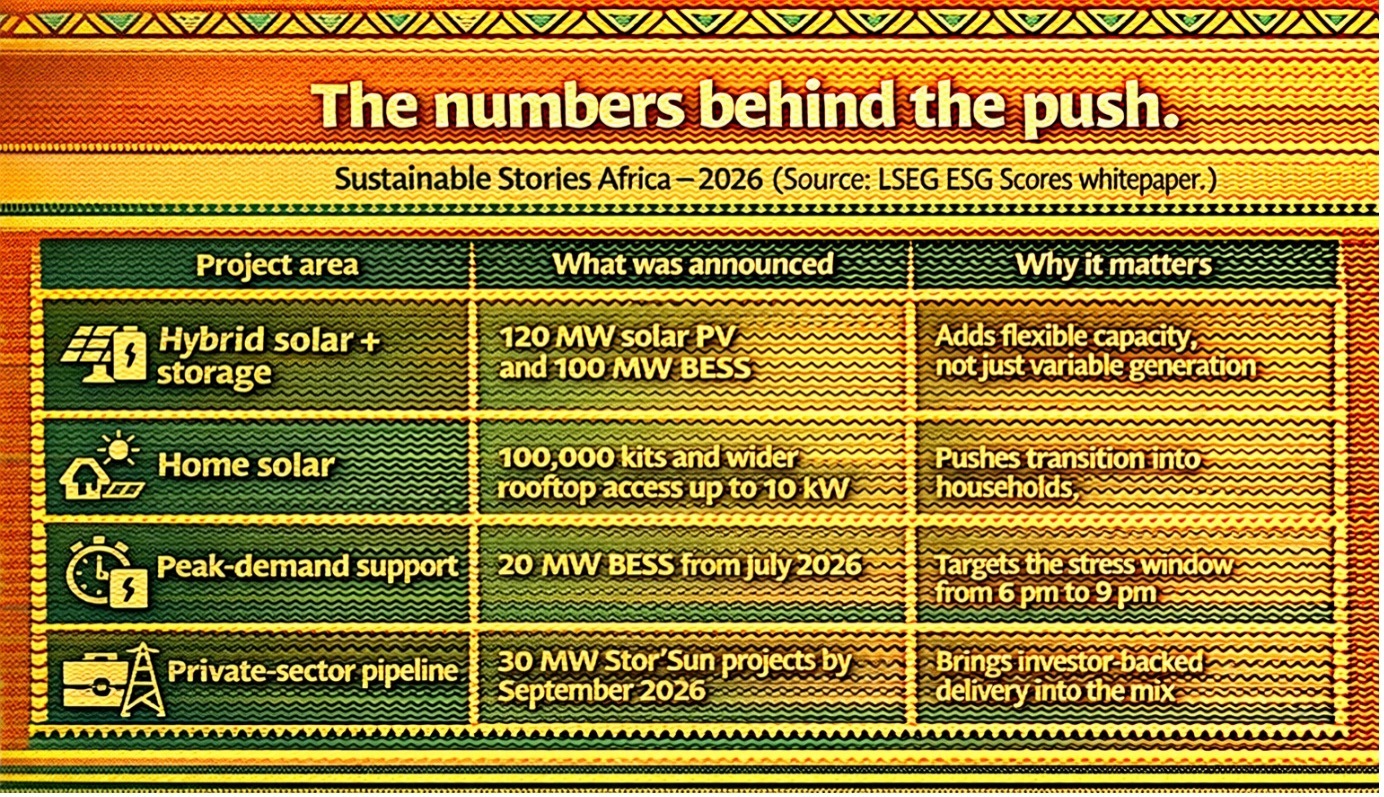
The numbers behind the push
The new package is broad enough to signal that Mauritius is no longer treating renewables as a side programme.
It includes hybrid renewable facilities combining 100 MW of battery storage with 120 MW of solar PV, a 17.5 MW to 20 MW floating solar farm at Tamarind Falls in partnership with India’s NTPC, expansion of the agrivoltaics scheme, a 20 MW carbon-neutral scheme for the commercial sector, 15 MW to 20 MW of added wind capacity at Plaine des Roches, liberalisation of the home solar programme for systems of up to 10 kilowatts, the acquisition of 100,000 home solar kits with Indian support, and 20 MW of BESS for evening peak demand, expected to be operational from July 2026.
Three private-sector Stor’Sun hybrid projects combining 30 MW are also expected in September 2026.
Mauritius’ renewable push matters because ambition is rising from a still-limited base.
The country targets 60% renewable electricity by 2030; however, its 2025 NDC 3.0 shows renewables accounted for only 18% of the energy mix, underlining how strongly fossil fuels still shape the system.
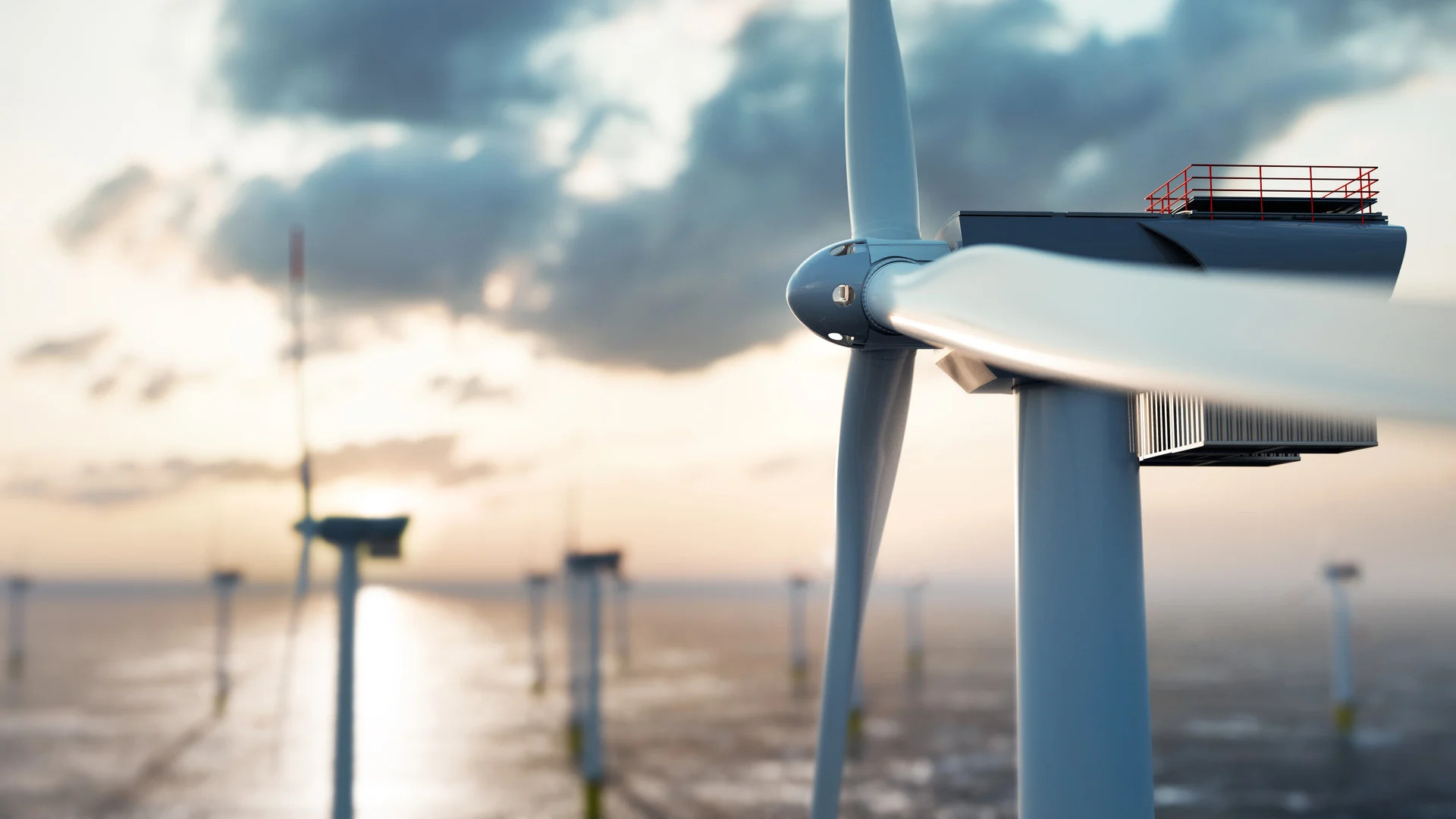
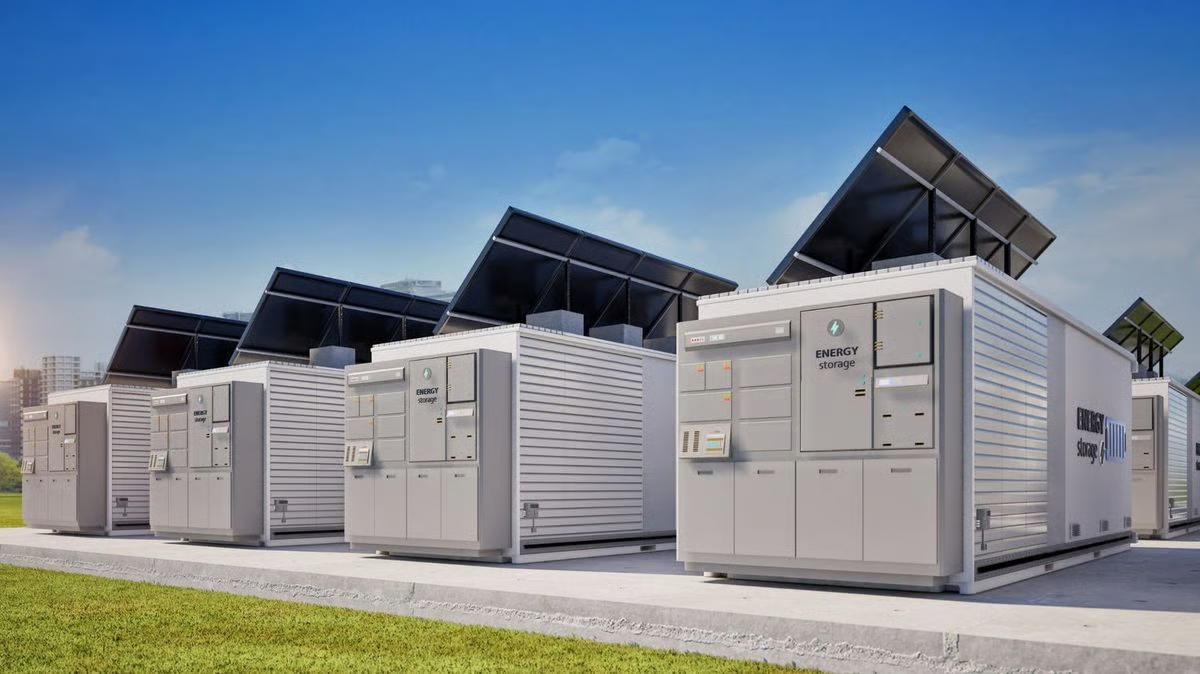
That gap helps explain why battery storage is now central. Government policy increasingly prioritises storage projects, including a commercial scheme pairing 70 MW of solar PV with at least 11.5 MW of BESS.
What success could unlock
If Mauritius executes well, this shift will mean more than added megawatts.
- For households, solar kits could reduce exposure to imported fuel shocks.
- For malls, hotels and large businesses, rooftop solar and storage may ease peak-hour pressure and strengthen resilience.
- For the grid, batteries bring a crucial advantage: timing, especially during evening demand when reliability is most tested.
There is also a wider lesson for African and island markets. Mauritius is combining household solar, commercial incentives, wind, floating solar, agrivoltaics and storage into one integrated transition story, linking cleaner power with lower risk, lower stress and stronger energy security.
Delivery now matters more than ambition
The harder task begins after the announcement. Mauritius will need faster procurement, stronger grid integration, credible delivery timelines and clearer rules for private capital if this renewable pipeline is to become reliable electricity rather than a list of promises.
The government has already signalled that direction through greater openness to private investors, a national electricity-use campaign and possible regulatory changes to reduce waste.
For African policymakers and investors, the message is clear: renewable ambition works best when paired with storage, demand management and distributed access. Mauritius has made a strong start.
The real test is whether implementation can keep pace with policy intent.
Path Forward | Turning Capacity Into Reliable Power
Mauritius is advocating a more practical transition: more rooftop solar, more storage, more private participation and a grid better able to absorb variable generation.
The promise is not just cleaner electricity, but a more resilient system for households and businesses.
The priority now is execution. July 2026 battery deployment, September Stor’Sun delivery and follow-through on the home solar rollout will show whether the country can turn a 405 MW announcement into measurable progress toward its longer-term renewable goals.
Culled From: Mauritius Speeds Up 405 MW Renewable Push With 100,000 Home Solar Kits and 20 MW of New Battery Storage