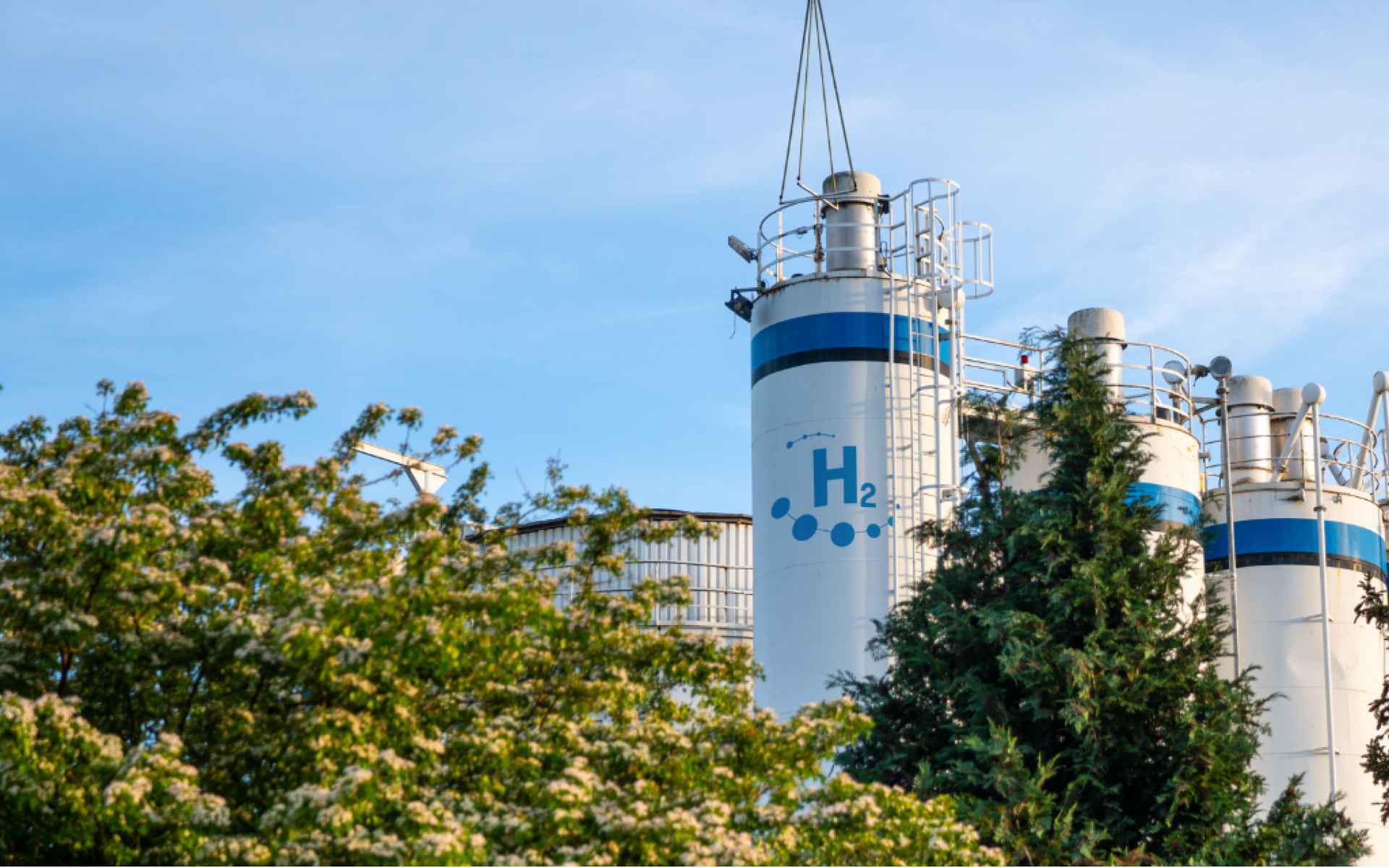
The African Development Bank has opened a new $20 million call for green hydrogen proposals across Africa.
It matters because the money is aimed at the stage where many clean industrial ideas stall: proving they are financeable.
For African markets, that could mean fewer headline announcements and more projects that actually reach investment decision, construction and jobs.
A funding call aimed at the hardest part
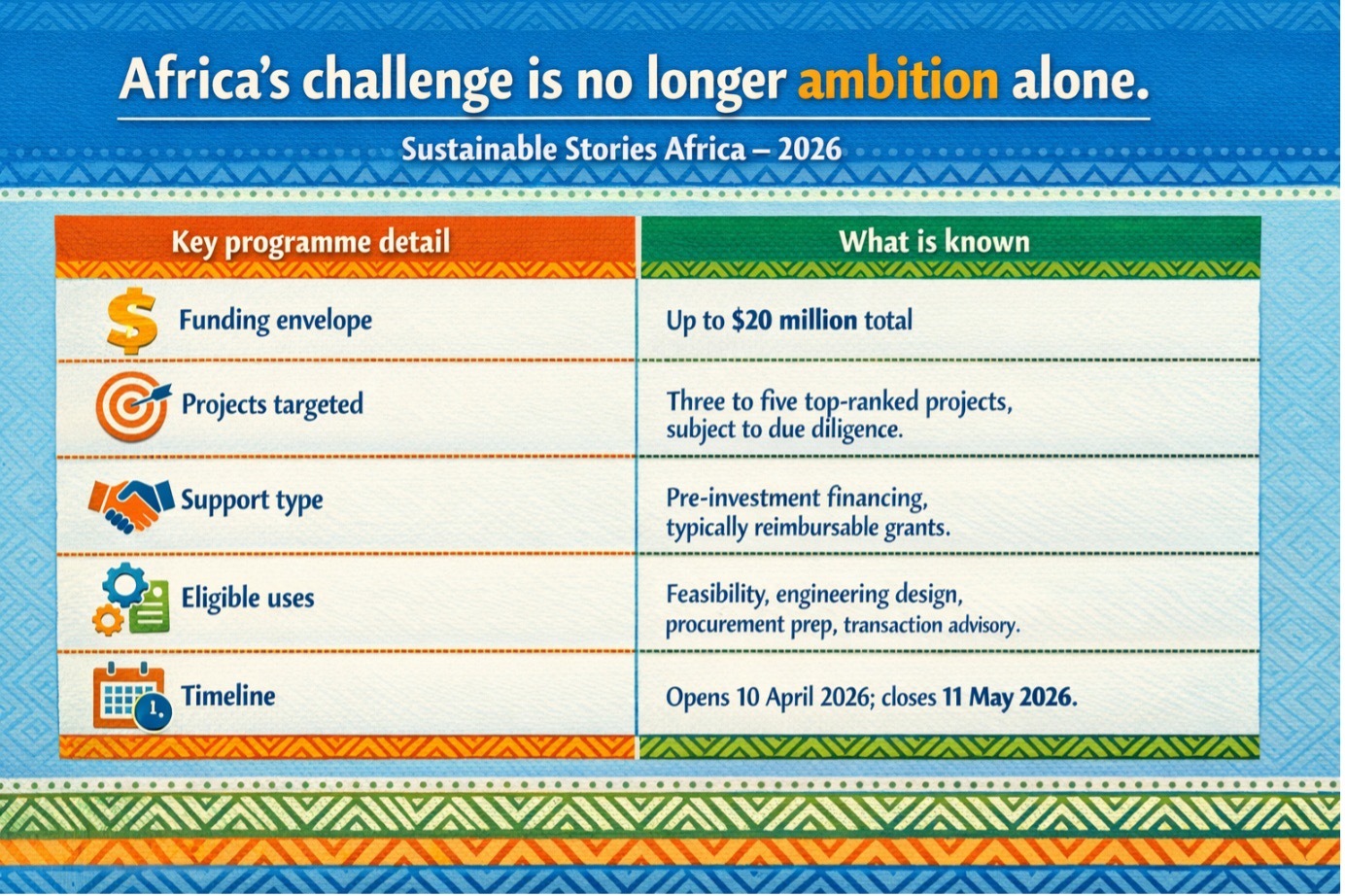
The African Development Bank’s Sustainable Energy Fund for Africa has opened a continent-wide call for proposals under a new Green Hydrogen Programme, putting up to $20 million in pre-investment support for three to five shortlisted projects.
The application window opened on 10 April 2026 and closes on 11 May 2026 at 17:00 Abidjan time, with eligible private-sector developers invited to submit green hydrogen and derivative projects in AfDB regional member countries.
That may sound like another clean-energy announcement, but the real story is narrower and more consequential.
This money is not for ribbon-cutting. It is the unglamorous work that determines whether a project becomes real: feasibility studies, engineering design, procurement preparation, and transaction advice strong enough to move an idea toward a final investment decision or financial close.
Africa’s challenge is no longer ambition alone
Approved in late 2025 with capital support from the German government, the African Development Bank’s green hydrogen programme was launched at the International Vienna Energy and Climate Forum 2026.
The initiative aims to help Africa decarbonise hard-to-abate sectors, strengthen industrial value chains and spur inclusive growth, anchored on developing early-stage projects into bankable investments.
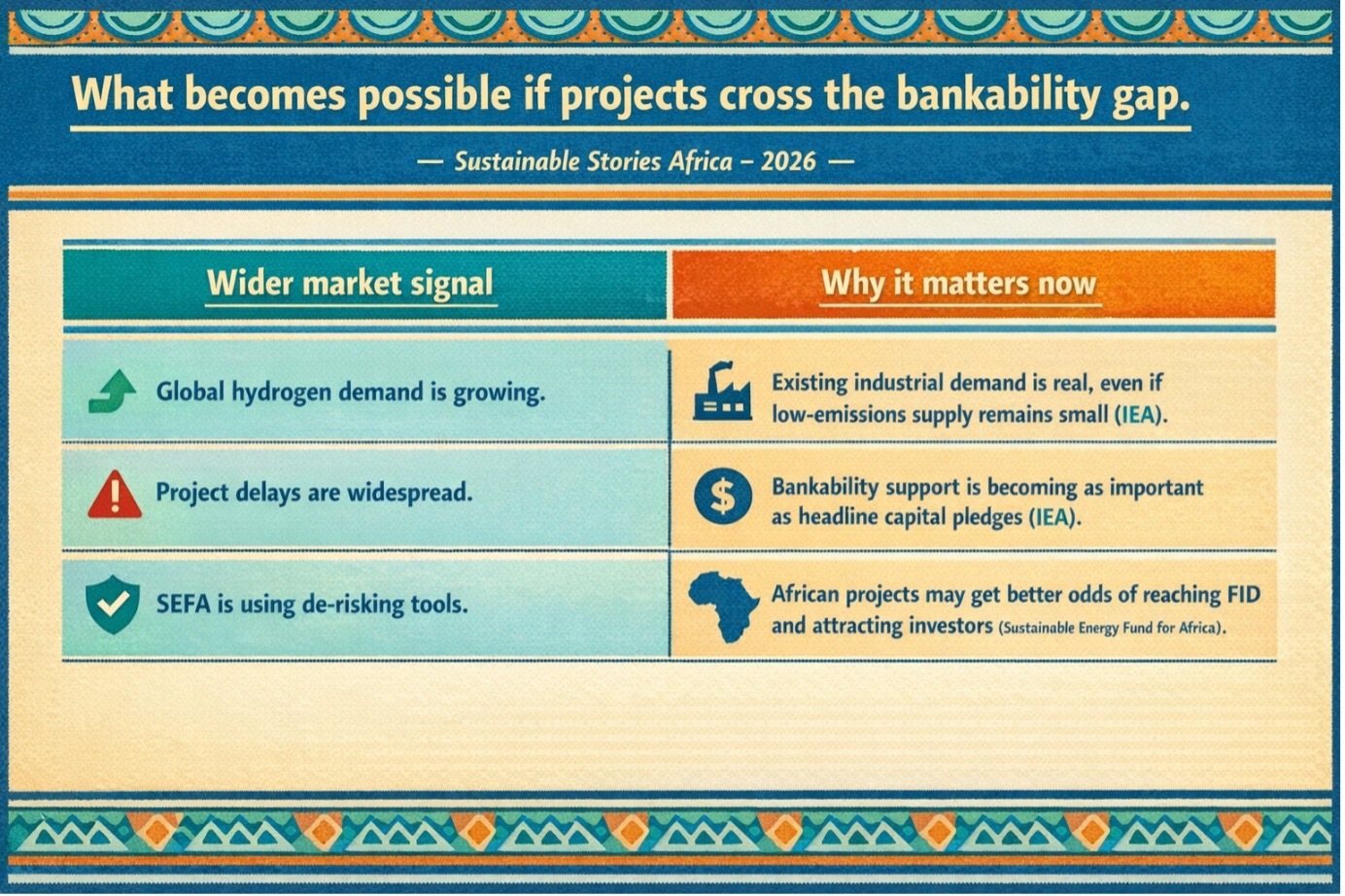
The timing aligns with shifting global trends. The IEA reports that hydrogen demand reached nearly 100 million tonnes in 2024, though low-emissions hydrogen accounted for less than 1% of supply.
Cost barriers, policy delays and slow infrastructure have reduced projected 2030 output. Over half of potential clean hydrogen projects now face uncertain viability, especially in emerging markets still catching up on financing and regulatory readiness.
What becomes possible if projects cross the bankability gap
If AfDB’s call succeeds, the gain for Africa is larger than a handful of hydrogen pilots.It could help shift the continent’s clean-industrial narrative from resource promise to investable execution.
SEFA’s own model is built around concessional finance and technical assistance intended to reduce risk, improve project preparation and crowd in private capital.
That matters because hydrogen is most useful where African economies are trying to move next: fertiliser, refining, shipping fuels, mining-linked processing and other emissions-intensive industries that cannot be cleaned up by solar panels alone.
IRENA argues that green hydrogen strategies in developing countries work best when they align with national development goals, prioritise local use and start with smaller, phased projects rather than oversized export dreams.
The continent now needs disciplined project preparation
For policymakers, developers and financiers, the message is straightforward: Africa does not just need more hydrogen announcements; it needs commercially disciplined projects with credible offtake, engineering depth, realistic timelines and strong regulatory footing.
AfDB’s funding call is a useful intervention precisely because it targets that missing middle between concept and capital.
The near-term test will be whether applicants use this window to build projects around actual industrial demand, rather than speculative hype. That means tying hydrogen to domestic manufacturing, fertiliser, green fuels or mineral processing where value can be retained locally.
It also means governments must move quickly on permits, power access, land, water, export rules, and investment protections so that projects do not die in the preparation stage.
Those needs are consistent with the IEA’s warning that emerging-market projects need concessional finance, clearer frameworks and stronger demand signals to progress.
Path Forward – Build fewer, stronger projects first
AfDB’s call points to a more grounded African hydrogen strategy: support fewer projects, prepare them better, and ensure early discipline around feasibility, offtake and finance.
The bigger promise is not hydrogen hype, but clean industrial credibility. If this programme helps African developers cross the bankability gap, it could turn sustainability ambition into investable industry and stronger corporate transition pipelines.
Culled From: AfDB Opens $20 Million Green Hydrogen Funding Call as Africa Seeks Bankable Clean Industrial Projects