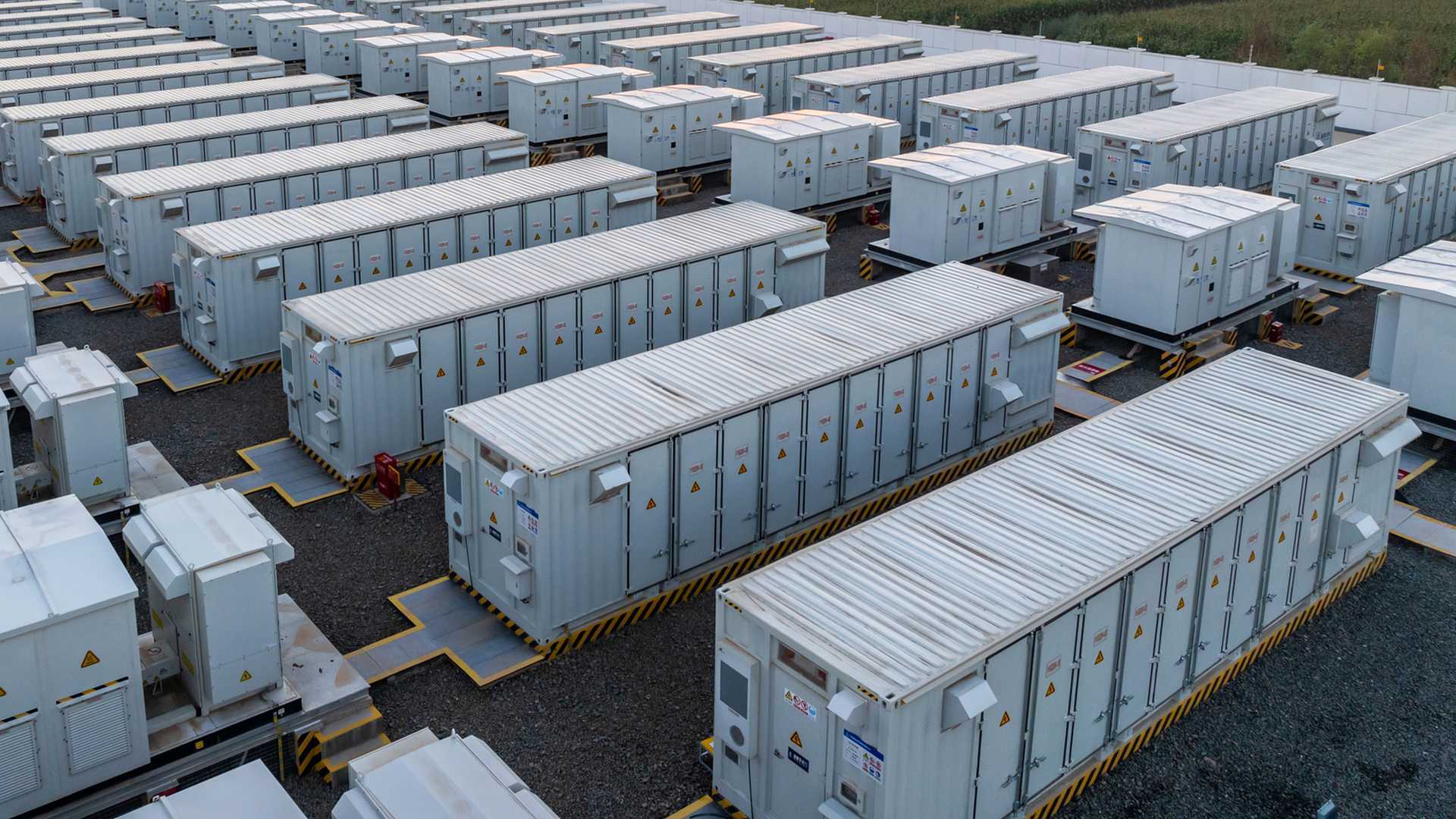
Battery prices are falling faster than many energy planners anticipated, reshaping the economics of renewable power worldwide.
Lower storage costs are narrowing the gap between intermittent generation and stable supply, altering investment decisions across emerging markets.
Analysts say the shift could accelerate grid parity but warn that policy and infrastructure must keep pace.
Falling Battery Costs Reshape Renewable Energy Economics
Battery storage costs have declined sharply, redefining the financial map of renewable energy projects and accelerating the shift toward flexible, decentralised power systems.
Industry analysts tracking lithium-ion battery markets report sustained price compression driven by manufacturing scale, technological refinement and global competition. The result: storage is no longer an expensive add-on to solar and wind; it is rapidly becoming central to the project's viability.
Energy developers say the economics of renewables are being recalibrated in real time.
Battery Prices Redefine Renewable Economics
For years, intermittency has been the central constraint of renewable energy. Solar production panels at midday; wind fluctuates. Storage filled the gap, but at a high cost.
Now that dynamic is changing.
Declining battery pack prices are reducing the levelised cost of electricity (LCOE) for hybrid renewable-plus-storage systems. Projects once considered marginal are becoming commercially competitive, particularly in markets with volatile fuel import bills or unreliable grids.
Grid planners in emerging economies are closely watching as storage begins to rival gas peaker plants in flexibility and response time.
Storage Becomes Core Investment Variable
The financial logic of renewable projects is evolving.
Previously, solar and wind developers heavily relied on long-term power purchase agreements to guarantee returns.
Storage introduces optionality: energy can be dispatched during peak demand, improving price capture and reducing curtailment.
Investors now assess projects through a new lens, flexibility value.
Investment Factor | Previous Dynamic | Emerging Shift |
|---|---|---|
Storage cost | High capital burden | Declining rapidly |
Grid reliability | Backup fossil reliance | Battery balancing |
Revenue model | Fixed PPAs dominant | Peak price arbitrage potential |
Project risk | Intermittency discount | Flexibility premium |

Market analysts note that falling battery costs also reduce exposure to fuel price volatility, particularly in countries reliant on imported diesel or liquefied natural gas.
Cost Curves Alter Competitive Landscape
Battery manufacturing scale, especially in Asia, has contributed to sustained cost declines. Improvements in chemistry, supply chain efficiency and energy density are reinforcing the downward trajectory.
The implications are structural rather than cyclical.
Market Variable | Directional Trend |
|---|---|
Battery pack prices | Declining |
Renewable-plus-storage bids | Increasing competitiveness |
Grid integration projects | Expanding |
Fossil peaker economics | Under pressure |

As storage approaches cost parity with conventional balancing technologies, renewable energy developers are repositioning bids in auctions across Africa, Latin America and Southeast Asia.
However, experts caution that cost declines alone are insufficient. Grid infrastructure upgrades, regulatory clarity and market design reforms remain critical.
Policy Alignment Determines Acceleration Pace
Policymakers now face a narrowing window to align the progress of technology with regulation.
Without modernised grid codes, transparent dispatch rules and storage-specific incentives, the economic benefits of lower battery costs could be diluted.
Conversely, markets that integrate storage into capacity planning frameworks may accelerate decarbonisation while improving energy security.
Energy economists argue that the convergence of falling battery costs and renewable expansion could reduce reliance on expensive imported fuels—freeing fiscal space in energy-constrained economies.
However, risks remain, such as supply chain concentration, raw material volatility and recycling challenges, which could influence long-term cost stability.
Path Forward – Storage Integration Anchors Energy Transition
Battery cost declines are reshaping the economics for renewable energy, but real transformation depends on system integration.
Governments and utilities must capture flexibility gains by adapting market rules.
Strategic investment in grid modernisation, diversified supply chains and storage-friendly regulation will determine whether falling prices translate into sustained clean energy acceleration.
Culled From: Tech watch: Battery costs reshape renewables economics