Africa’s circular economy ambitions are gaining traction in policy.
However, experts warn that without retooling education systems, the continent risks a skills deficit that could stall green industrialisation.
From design studios to technical institutes, a new generation of “material thinkers” may determine whether circularity becomes mere rhetoric or economic reality.
Africa’s Circular Future Depends on Education Reform
African policymakers and sustainability advocates are increasingly converging on a critical insight: building a circular economy requires more than recycling plants and waste policies; it demands curriculum reform.
The concept of “material thinkers” refers to professionals trained to design products, buildings and systems with lifecycle efficiency in mind.
As circular economy strategies move from policy frameworks to implementation, education systems are being scrutinised for their capacity to produce such talent.
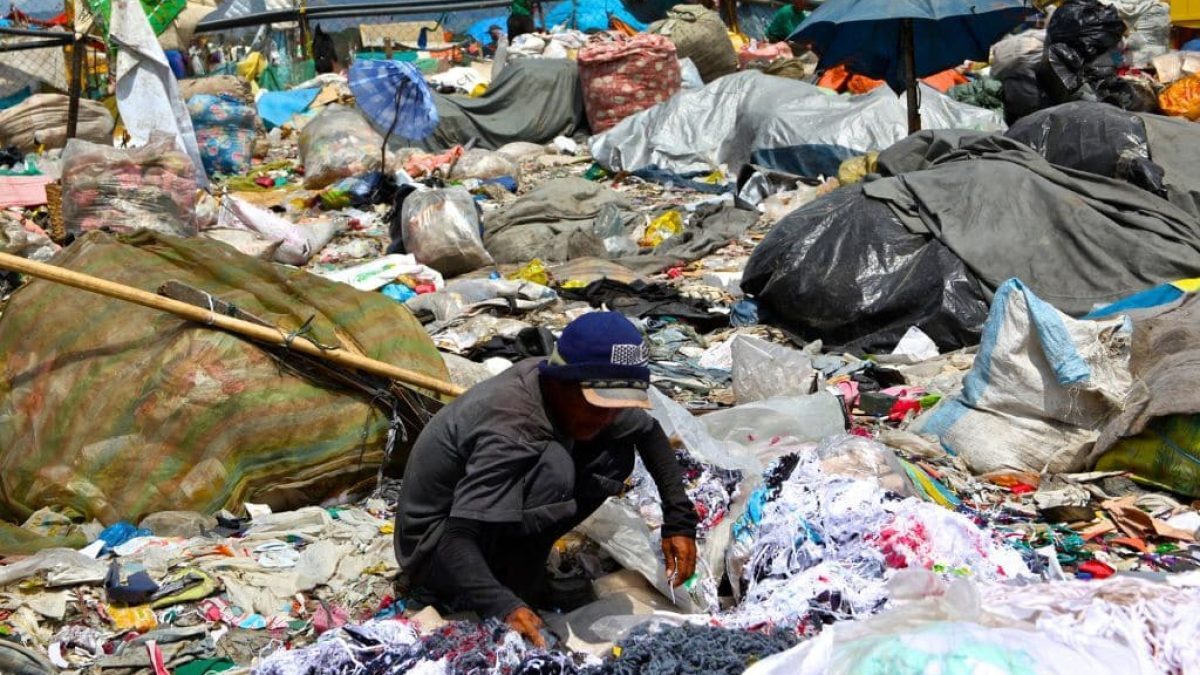
Across the continent, waste generation is rising alongside urbanisation and consumption. Without systemic shifts in design, manufacturing and resource use, linear economic models will continue to strain ecosystems and public infrastructure.
Circular Ambition Meets Skills Gap
Governments from Ghana to Kenya have adopted circular economy roadmaps. These policies prioritise waste reduction, material reuse and regenerative production systems.
However, many universities and technical institutions still operate within traditional industrial design paradigms focused on extraction and throughput. Courses in sustainable materials science, lifecycle analysis, and eco-design remain limited.
Industry leaders caution that policy ambition must align with human capital development. Without engineers, designers and policymakers trained in circular systems thinking, implementation will lag.
Education as Infrastructure
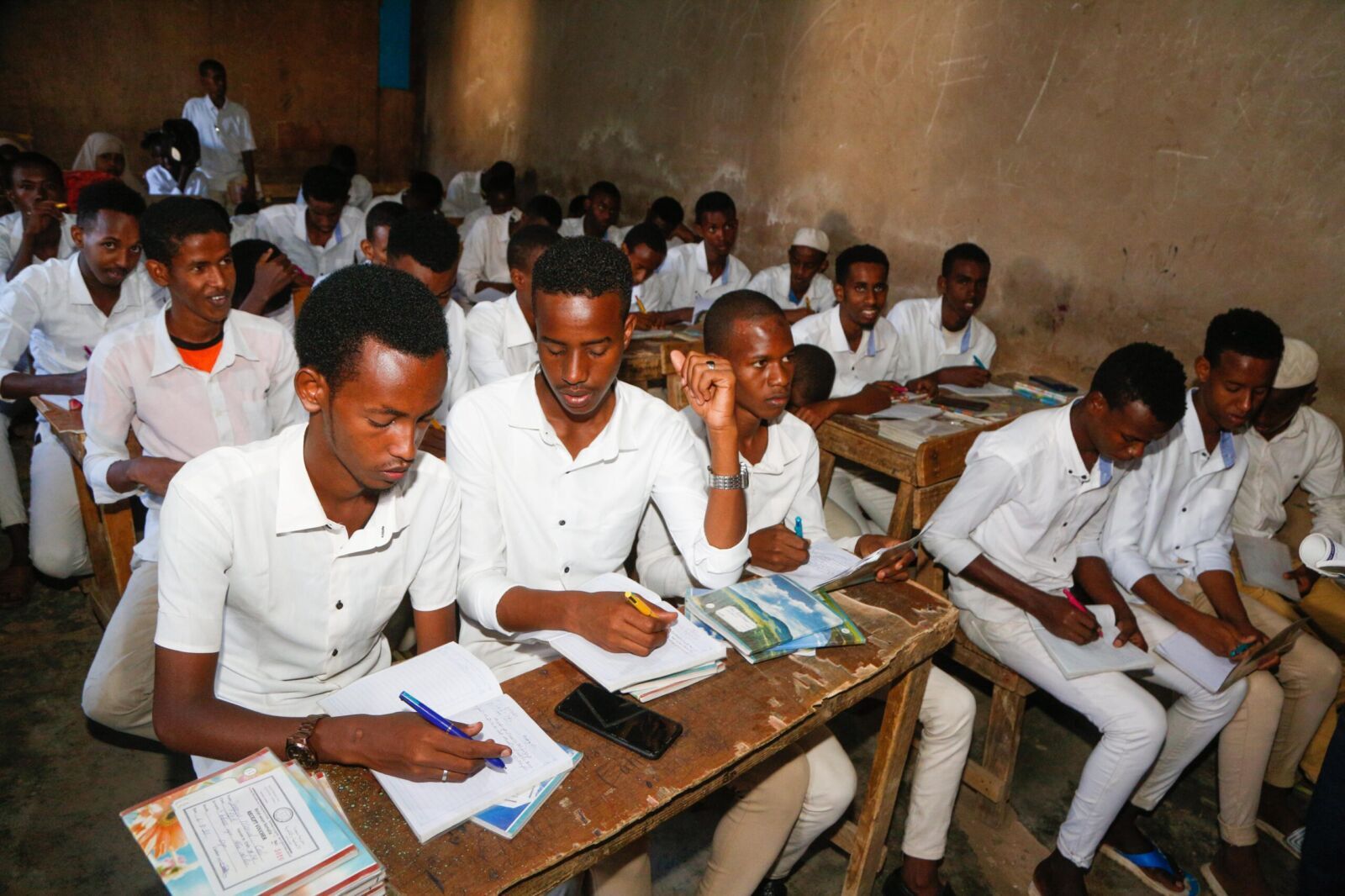
Experts argue that education is the foundational infrastructure of circular transformation. Reforming curricula to embed sustainability principles can shift mindsets early in professional formation.
Key educational interventions include:
- Integrating circular economy modules into engineering and architecture programmes
- Expanding vocational training in repair, remanufacturing and materials recovery
- Encouraging interdisciplinary research on resource efficiency
Circular literacy extends beyond technical fields. Business schools are being urged to teach sustainable procurement and redesign of the supply chain, while public policy faculties incorporate systems-based governance models.
This alignment could unlock job creation opportunities, particularly among Africa’s youth population, which is projected to grow significantly in the coming decades.
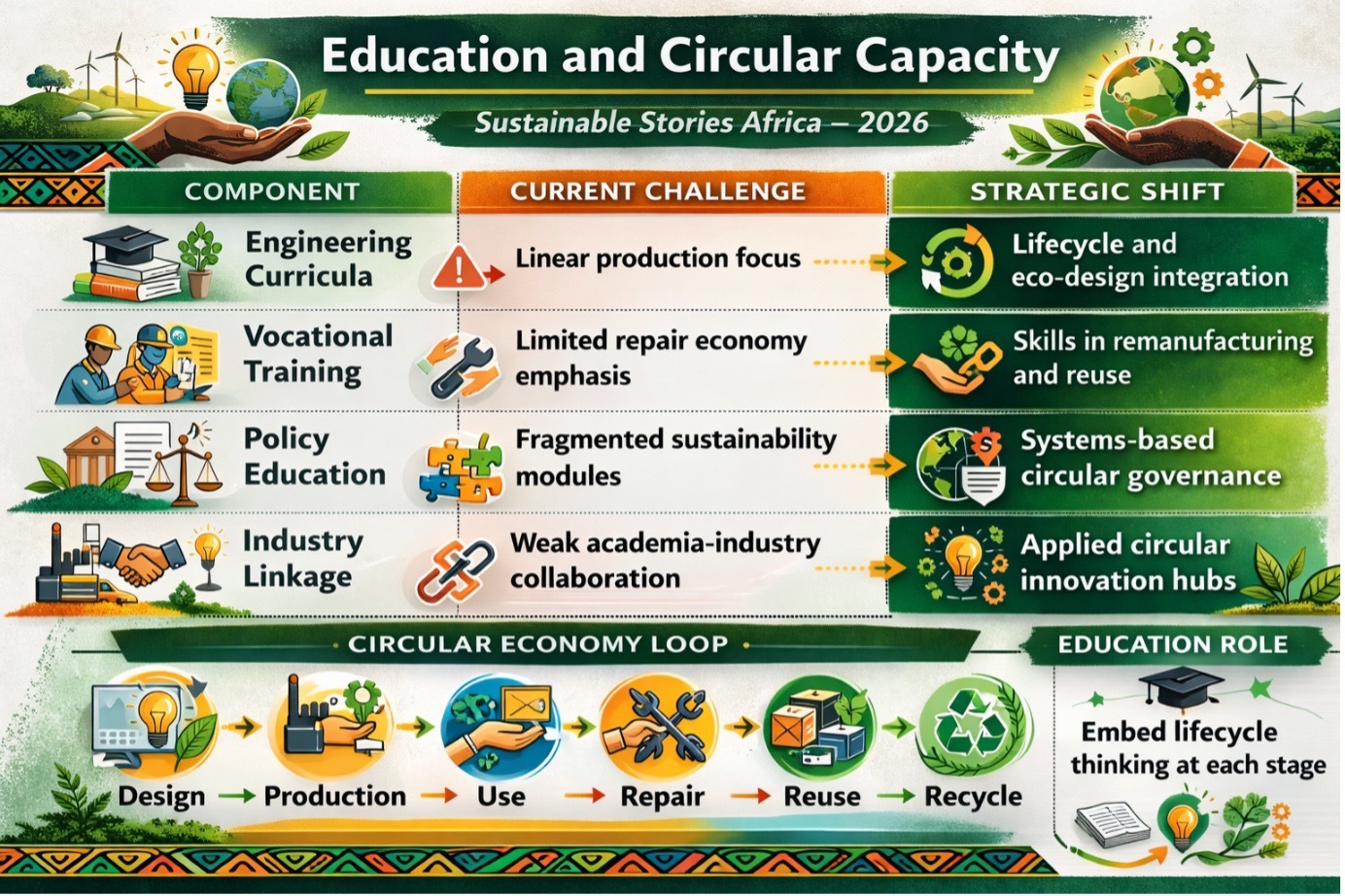
Education and Circular Capacity
| Component | Current Challenge | Strategic Shift |
|---|---|---|
| Engineering curricula | Linear production focus | Lifecycle and eco-design integration |
| Vocational training | Limited repair economy emphasis | Skills in remanufacturing and reuse |
| Policy education | Fragmented sustainability modules | Systems-based circular governance |
| Industry linkage | Weak academia-industry collaboration | Applied circular innovation hubs |
Institutionalise Circular Learning
Policymakers are encouraged to embed circular economy principles into national education strategies. Public-private partnerships can accelerate curriculum updates and industry placements.
International development partners are also being called upon to fund centres of excellence in circular design and materials science across African universities.
If education systems evolve, Africa could leapfrog into regenerative industrial models. If not, the continent risks importing circular technologies without building domestic innovation capacity.
Path Forward – Embed Circular Thinking Across Curricula
Reforming education policy to integrate lifecycle design and systems thinking is now a strategic priority.
Governments, universities, and industries must collaborate to produce graduates equipped for regenerative economies.
By aligning skills development with circular ambition, Africa can transform demographic growth into green industrial advantage, turning material efficiency into competitive strength.