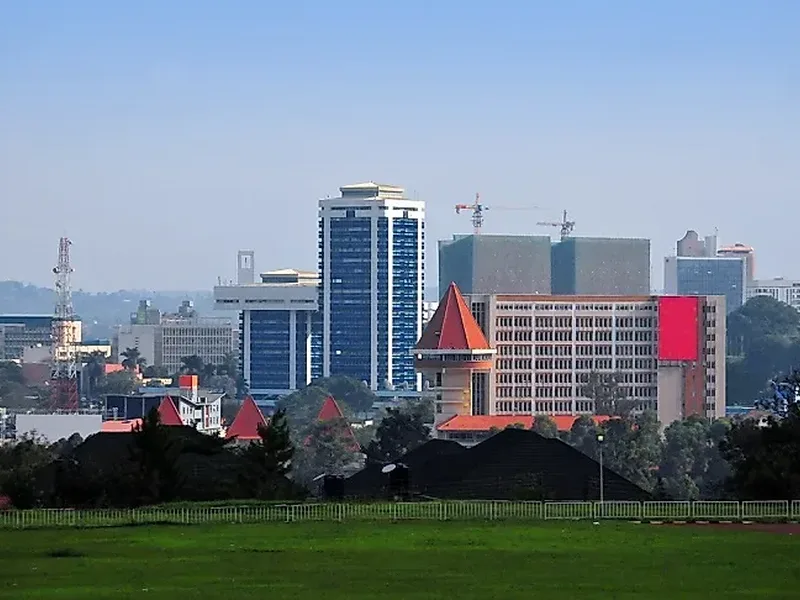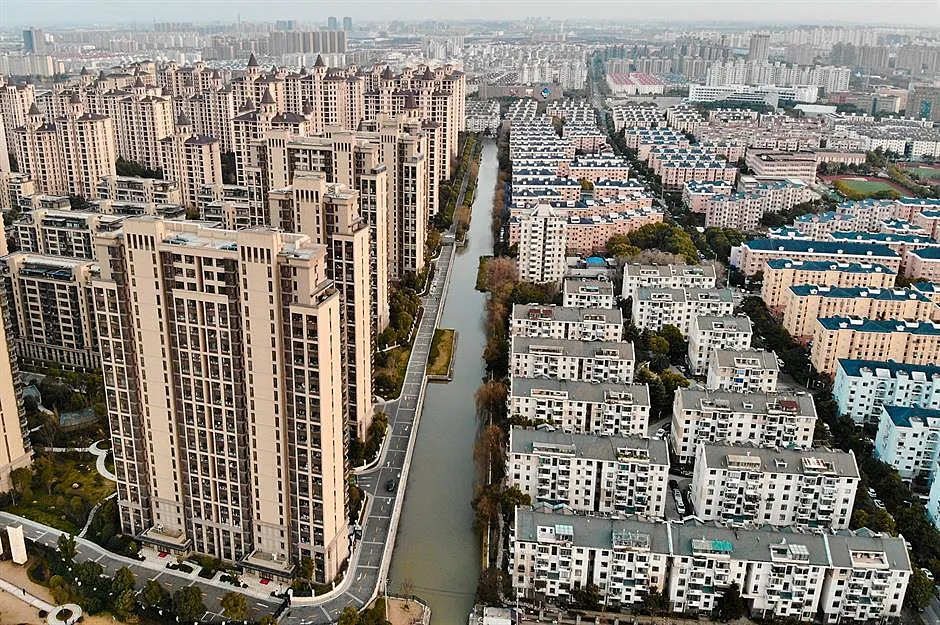
Urban expansion and global trade are reshaping the environmental footprint of development.
From flood-prone cities to carbon-embedded exports, the World Bank’s latest analysis argues that commerce and climate are now inseparable and that the next phase of growth must be designed, not improvised.
Urban Growth and Global Trade Rewired – Cities, Trade and the Planet’s Balance
Development is no longer just about factories and farms. It is about cities and supply chains.
Pages 125–170 of Reboot Development: The Economics of a Livable Planet examine how urbanisation and global trade have become decisive arenas for environmental risk and opportunity.
As cities concentrate people, capital and emissions, and trade redistributes environmental costs across borders, the rules of growth are changing.
The report’s argument is clear: livable cities and sustainable trade are not environmental luxuries. They are economic prerequisites.
Urban policy, transport design, waste management and export strategies now sit at the heart of planetary stability.
Cities as Environmental Pressure Points - The Economics of Livable Cities
Cities account for a disproportionate share of environmental stress.
Chapter 6 highlights how land, air and water pressures converge in urban systems:
- Solid waste mismanagement remains a cross-cutting urban challenge.
- Thermal and welfare inequalities overlap in vulnerable districts.
- Flood risk reduces upward mobility; the predicted probability of escaping poverty declines in flood-exposed areas.
Urban design choices determine whether cities amplify risk or buffer it.
Example: Housing and Inclusion
- India’s Pradhan Mantri Awas Yojana-Urban (“Housing for All”) demonstrates how housing policy can integrate environmental and social goals.
- Electric bus rapid transit systems reduce congestion and pollution simultaneously.
Livable cities require integrated land-use planning, resilient infrastructure and clean transport.
Trade’s Invisible Environmental Footprint – Friend or Foe?
Chapter 7 interrogates a longstanding debate.
Trade can:
- Shift emissions across borders.
- Accelerate deforestation.
- Embed environmental damage within global value chains.
In the report.
- Figure 7.1 shows a significant share of direct emissions embodied in trade.
- Figure 7.2 tracks global direct emissions from trade flows.
- Figure 7.3 links deforestation trends to meat consumption growth.
Environmental externalities are increasingly globalised.
However, trade can also diffuse green technologies and drive competitiveness in cleaner sectors.
Emissions, Deforestation and Decarbonised Value Chains
Decomposition analysis reveals:
Emissions Embodied in Trade
| Driver | Impact |
|---|---|
| Scale of trade | Increases emissions |
| Composition shift | Can reduce intensity |
| Efficiency gains | Mitigate the growth effect |
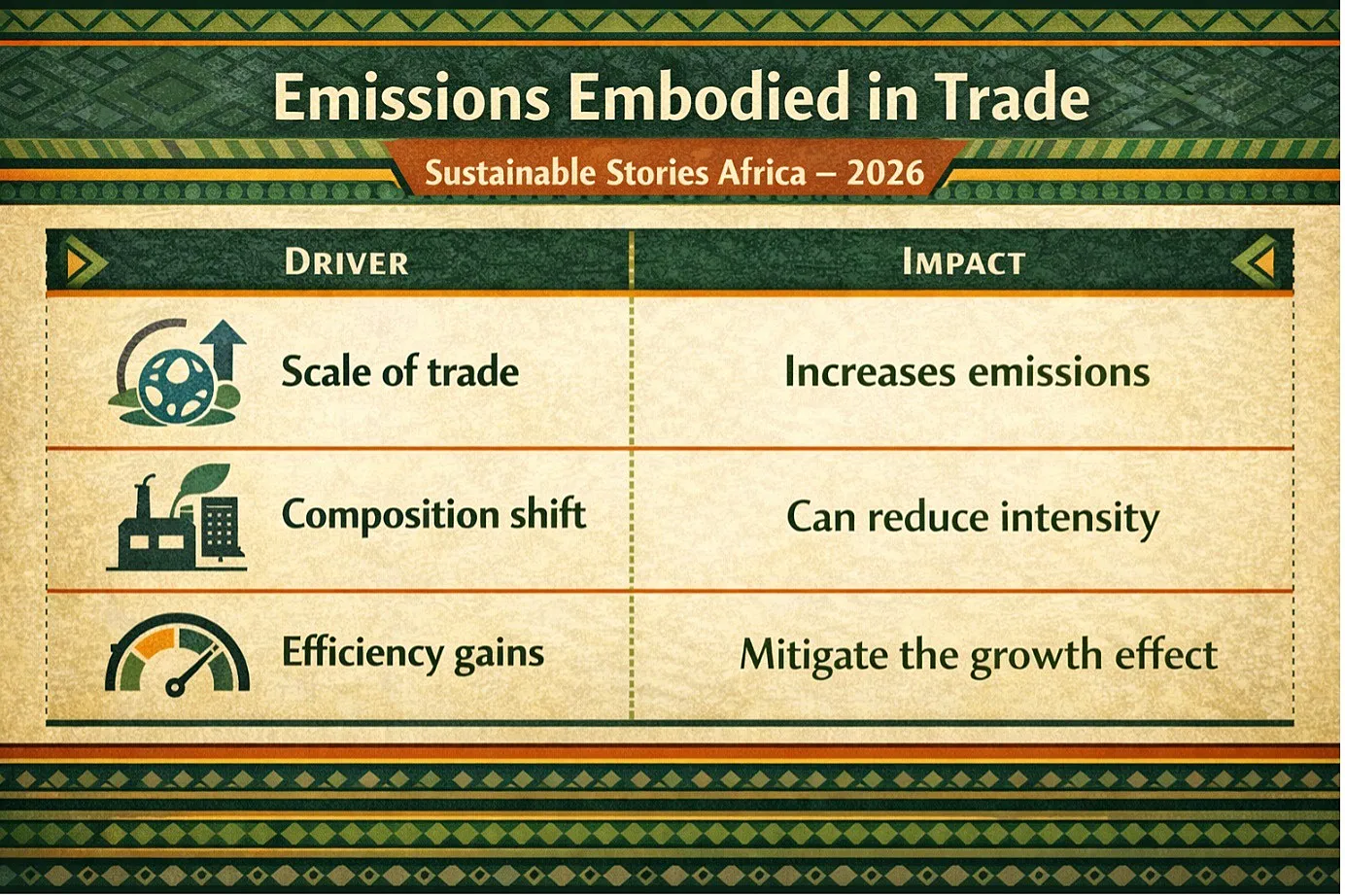
Trade’s environmental impact depends on its structure, not just on the volumes.
Green Transition and Competitiveness
The Green Complexity Index (GCI) demonstrates that countries adopting stronger green trade policies tend to enhance their participation in decarbonised value chains.
Participation in green value chains is becoming a marker of industrial sophistication.
The transition to electric vehicles, renewable power components and clean manufacturing is reshaping comparative advantage.
Designing Cities and Trade for Resilience
Policy Levers for Livable Cities
The report identifies three broad urban imperatives:
- Integrated waste systems to reduce methane and health risks.
- Flood-resilient infrastructure to preserve productivity and social mobility.
- Clean public transport investments to reduce pollution intensity.
Urban density can become an efficiency dividend if governed well.
Trade Policies for Environmental and Economic Gains
Policy recommendations include:
- Aligning trade agreements with environmental standards.
- Addressing emissions leakage through carbon pricing compatibility.
- Supporting developing countries to upgrade into green value chains.
- Navigating asymmetries between high- and low-income economies.
Trade policy must shift from reactive regulation to proactive competitiveness.
STRUCTURAL IMPLICATIONS
Three structural shifts emerge from pages 125–170:
- Environmental risk is Spatially Concentrated – cities concentrate both opportunity and vulnerability. Urban governance quality determines resilience.
- Emissions Are Economically Embedded – Trade redistributes pollution geographically but does not eliminate it. Carbon accounting must move beyond territorial metrics.
- Green Sophistication Drives Future Growth – Countries integrating environmental standards into trade strategy are positioning for long-term competitiveness.
The intersection of urban policy and trade reform defines the frontier of sustainable development.
PATH FORWARD – Integrate Urban Design and Trade Reform
Cities must embed resilience into systems of infrastructure, housing and mobility development, while trade policy must incentivise decarbonised value chains.
Coordinated reforms can convert environmental risk into economic advantage.
Design, not drift, will determine whether urbanisation and commerce reinforce planetary stability or accelerate systemic stress.