Rice–fish integration is quietly transforming livelihoods in northern Nigeria, offering farmers higher incomes, improved food security, and greater resilience to climate and market shocks.
In Kebbi State, a three-year study found that integrating aquaculture into rice farming increased profitability by up to 49%, while delivering measurable gains in dietary diversity, healthcare access, and education outcomes for rural households.
Farming Two Harvests, Securing Livelihoods
Nigeria's smallholder rice farmers have long struggled with low profits, climate risks, and limited income diversification. Heavy dependence on monocropping has left many households vulnerable to food insecurity, unstable earnings, and reduced access to healthcare and education.
In Kebbi State, one of Nigeria's largest rice-producing and food-insecure regions, researchers tested whether integrating fish farming into rice fields could change this reality.
The three-year study (2021–2023) covered 228 households in Argungu, Ngaski, and Wawu (Jega), using a combined Sustainable Livelihood Framework and DPSIR model to assess economic, social, and ecological outcomes.
The results suggest that rice–fish integration can deliver measurable gains in income, nutrition, and resilience, offering a scalable pathway for sustainable rural transformation across Nigeria and sub-Saharan Africa.
Rice Fields, New Livelihood Frontiers
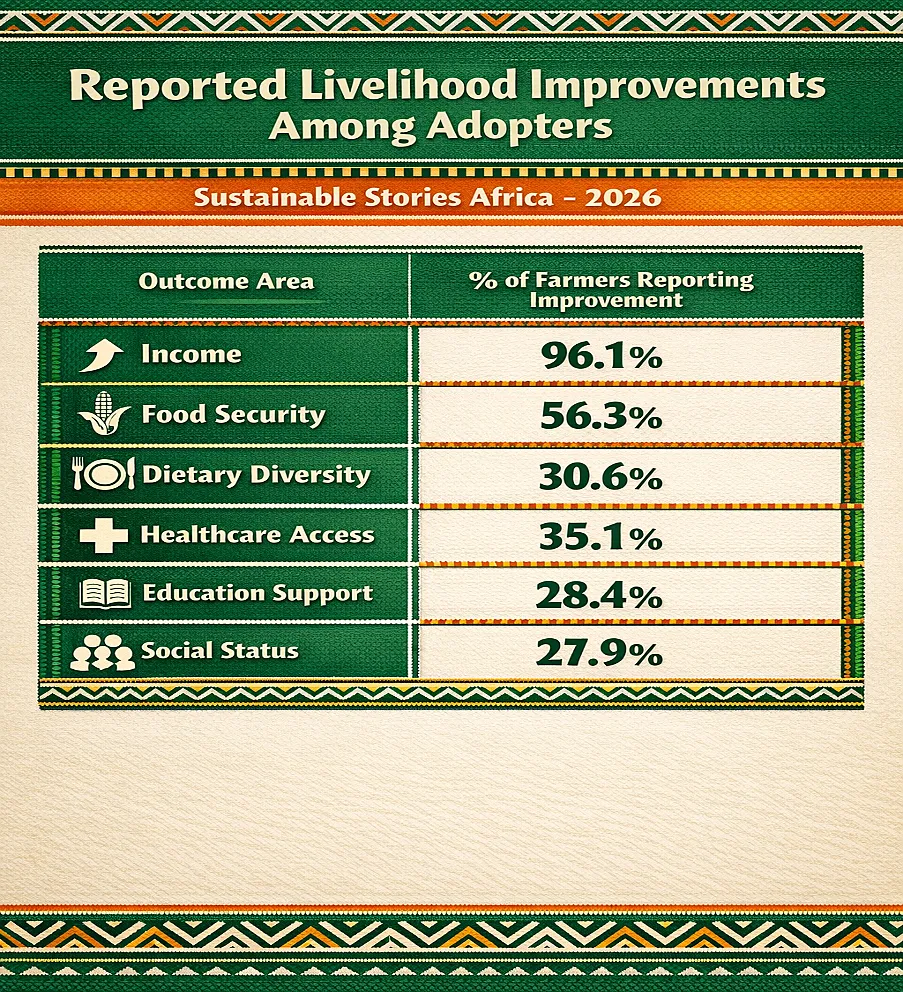
Smallholder farmers in Kebbi State who adopted rice–fish systems reported 96.1% income growth, 56.3% improved food security, and 30.6% better dietary diversity compared with traditional rice monocropping.
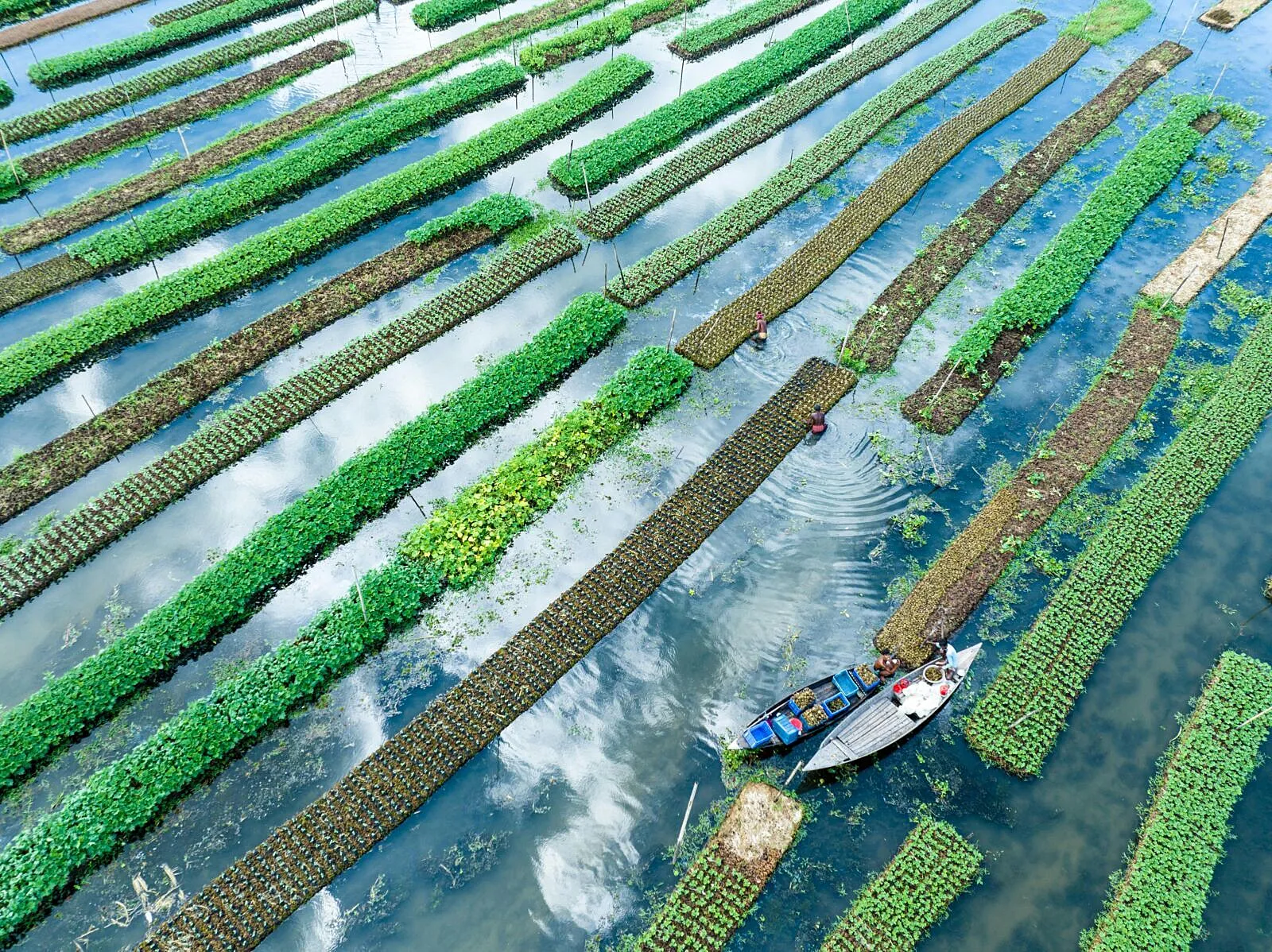
The integrated approach involves modifying rice paddies with trenches and reinforced bunds to support fish co-culture, allowing farmers to harvest both rice and aquatic species from the same plot.
Profitability rose by 49.04% versus rice monocropping and 64.14% versus standalone fish farming, making the system financially compelling for rural households.
How Integration Reshapes Rural Economies
The study adopted a Drivers–Pressures–State–Impact–Response (DPSIR) methodology to assess how rice–fish diversification is reshaping production systems and strengthening rural livelihoods.
- Drivers included food security, income generation, and climate risk management.
- Pressures involved water use, pest control, and land modification.
- Impacts ranged from higher income to improved social status.
- Responses included farmer training, cooperative action, and institutional support.
Training proved critical. Over 58.5% of farmers gained knowledge in both rice and aquaculture practices through on-farm demonstrations.
Most deployed rice–fish farming once or twice yearly, while 24.45% fully transitioned from monocropping.
Reported Livelihood Improvements Among Adopters
| Outcome Area | % of Farmers Reporting Improvement |
|---|---|
| Income | 96.1% |
| Food security | 56.3% |
| Dietary diversity | 30.6% |
| Healthcare access | 35.1% |
| Education support | 28.4% |
| Social status | 27.9% |
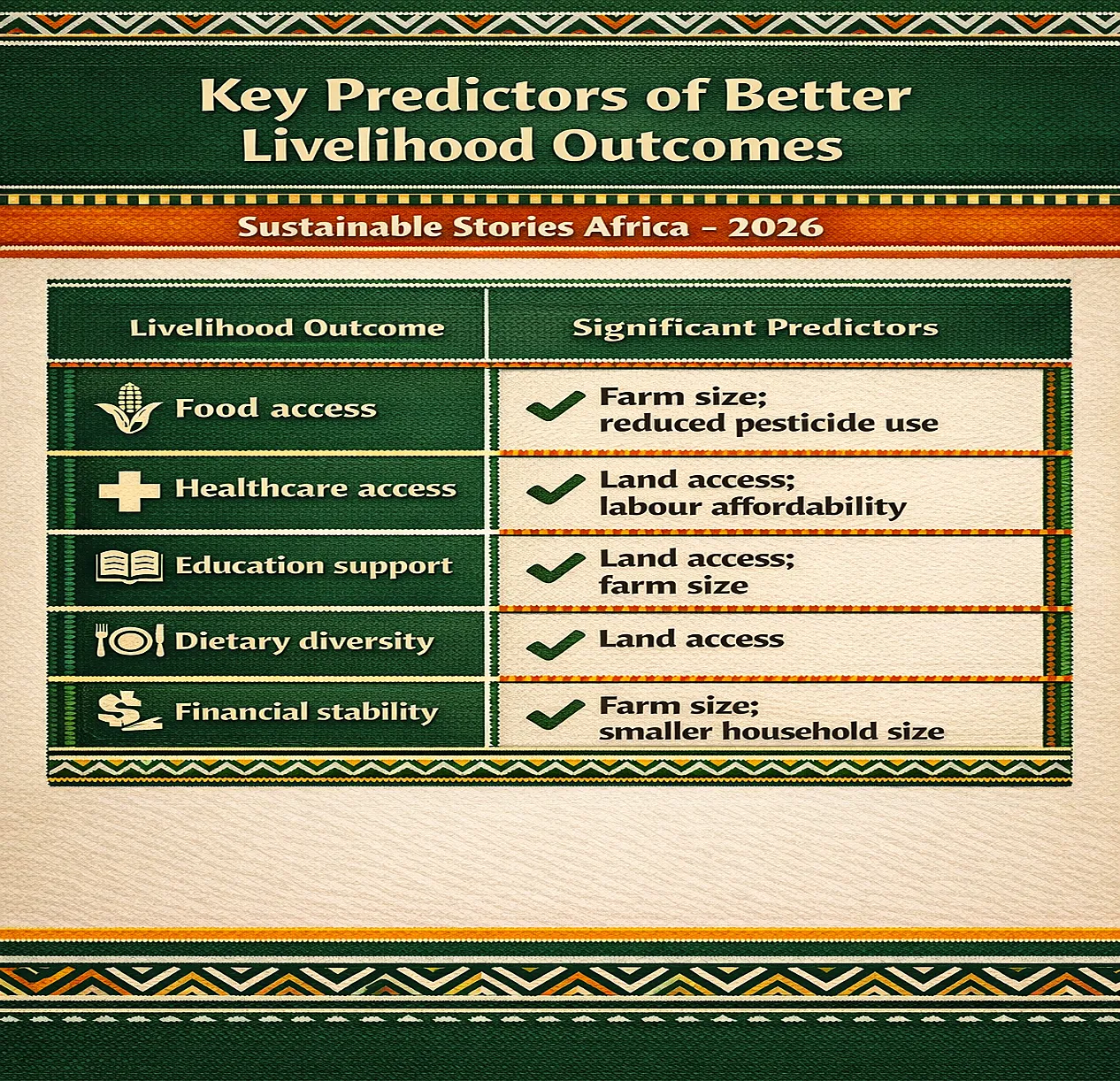
Farm size, access to land, and affordable labour were the strongest predictors of positive outcomes, while pesticide and herbicide use negatively affected food access and wellbeing.
Why Farmers Choose Diversification
Rice–fish integration offers multiple income streams. Beyond rice and fish, farmers reported opportunistic harvests of crabs, snails, and crickets, boosting both nutrition and household earnings.
Ecological benefits were also observed. Reduced chemical inputs improved aquatic biodiversity, while better water management strengthened soil fertility and wetland resilience.
Asia has long demonstrated these benefits, but evidence in sub-Saharan Africa was limited. This Nigerian study fills that gap, providing the first large-scale, longitudinal proof that integrated agriculture–aquaculture systems can deliver sustainable livelihood gains in real-world African farming contexts.
Scaling a Proven Farming Model
The study highlights several enablers for successful expansion:
- Secure land access
- Affordable labour
- Farmer training and demonstrations
- Cooperative action
- Institutional support frameworks
Farmers modified fields through trench construction and bund reinforcement, supported by technical guidance over three years.
This phased approach allowed gradual adoption, risk reduction, and system optimisation.
Key Predictors of Better Livelihood Outcomes
| Livelihood Outcome | Significant Predictors |
|---|---|
| Food access | Farm size: reduced pesticide use |
| Healthcare access | Land access; labour affordability |
| Education support | Land access; farm size |
| Dietary diversity | Land access |
| Financial stability | Farm size; smaller household size |
Policy support and investment remain critical. Without institutional backing, scaling beyond pilot communities may be slow despite strong economic and nutritional evidence.
PATH FORWARD – Diversifying Farms, Strengthening Futures
Rice–fish integration offers Nigeria a scalable model for boosting rural incomes, food security, and ecological resilience.
With structured training, land access reforms, and targeted financing, smallholders can transition from vulnerable monocropping to diversified, climate-smart production systems.
Sustained policy alignment with SDGs on poverty reduction, nutrition, and biodiversity can turn integrated farming into a cornerstone of Nigeria's sustainable rural development strategy.