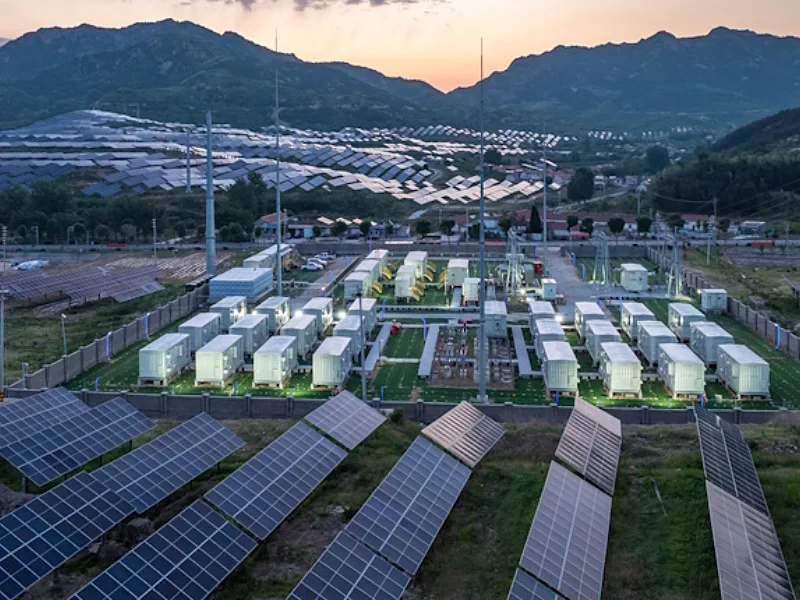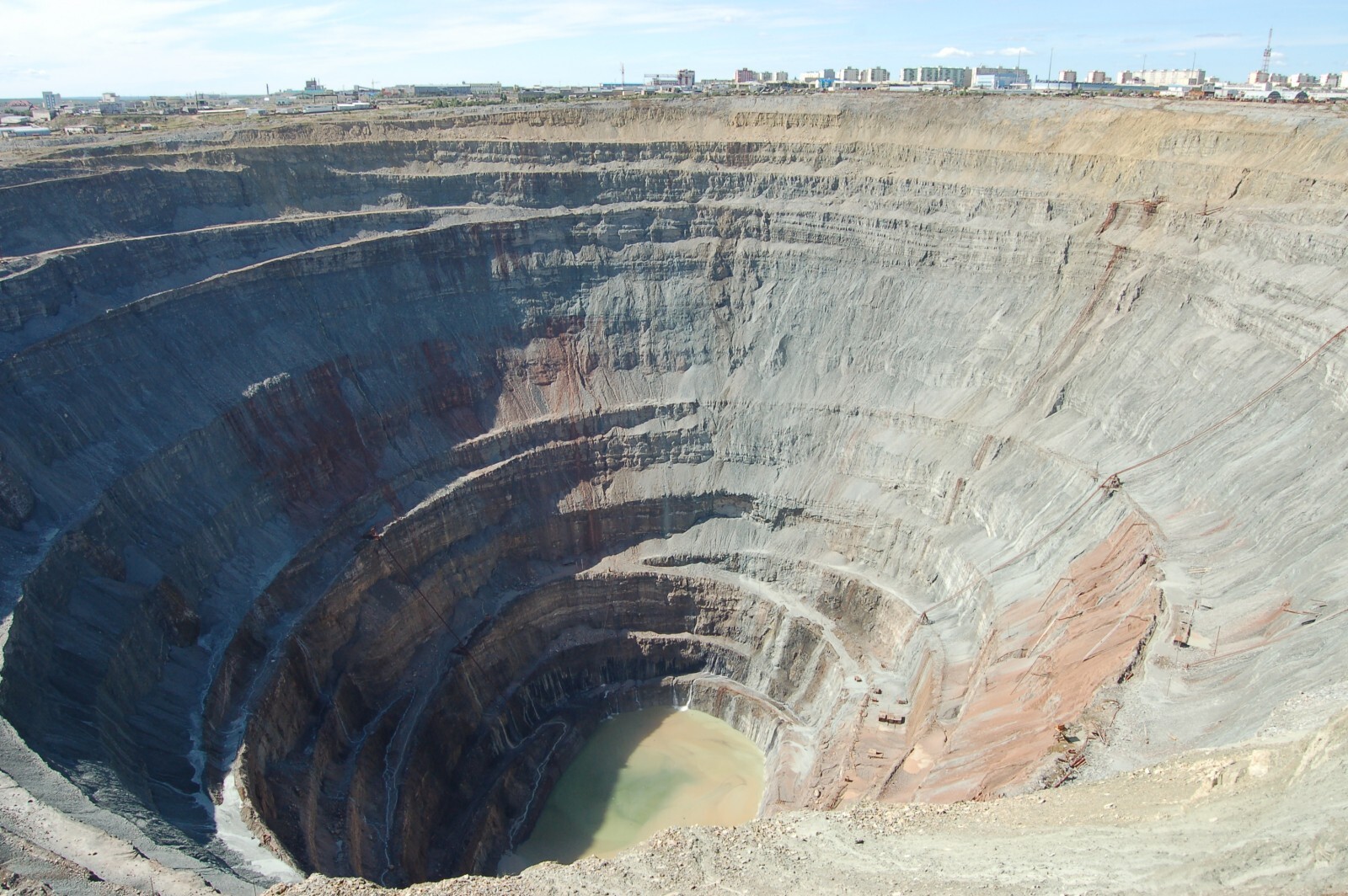
Across Ghana, invisible ground shifts are drawing new scrutiny from scientists and regulators.
As climate pressures, mining activity and rapid urbanisation intensify, deformation monitoring technologies are emerging as critical tools for environmental sustainability.
From satellite radar to ground-based sensors, authorities are turning to precision data to prevent infrastructure failures and ecological damage.
Ghana Strengthens Deformation Monitoring for Environmental Resilience
Ghana is expanding the use of deformation monitoring technologies to detect subtle ground movements linked to mining, construction and climate stress, signalling a broader African shift toward data-driven environmental governance.
Deformation monitoring, which uses satellite-based Interferometric Synthetic Aperture Radar (InSAR) and terrestrial sensors, allows authorities to measure millimetre-level changes in land surfaces.
Experts say this capability is becoming vital in regions facing subsidence, erosion and infrastructure strain.
In Ghana, where extractive industries and urban growth intersect with vulnerable ecosystems, monitoring land stability is increasingly seen as both an environmental and economic safeguard.
Invisible Shifts, Visible Consequences
Ground deformation can precede dam failures, building collapses or landslides. In mining zones, land subsidence may indicate underground instability.
In coastal regions, erosion and rising sea levels amplify structural stress.
Historically, many African countries relied on reactive responses after visible damage occurred. Today, satellite data provides early warning signals, enabling preventative interventions.
Environmental regulators argue that proactive monitoring reduces disaster risk while strengthening ESG compliance frameworks for companies operating in high-impact sectors.
Technology Meets Governance Reform
Ghana’s adoption of deformation monitoring reflects broader integration of geospatial intelligence into environmental oversight.
Agencies are collaborating with universities and international partners to interpret satellite datasets and integrate findings into planning decisions.
For mining firms, deformation monitoring supports responsible tailings management and compliance reporting.
For urban planners, it informs zoning regulations and the design of new infrastructure.
The approach aligns with global ESG expectations, where investors increasingly assess physical climate risk exposure. Monitoring technologies enhance transparency, providing measurable indicators of environmental stability.
However, capacity constraints remain. Data interpretation requires technical expertise, and sustained funding is needed to maintain the monitoring infrastructure.
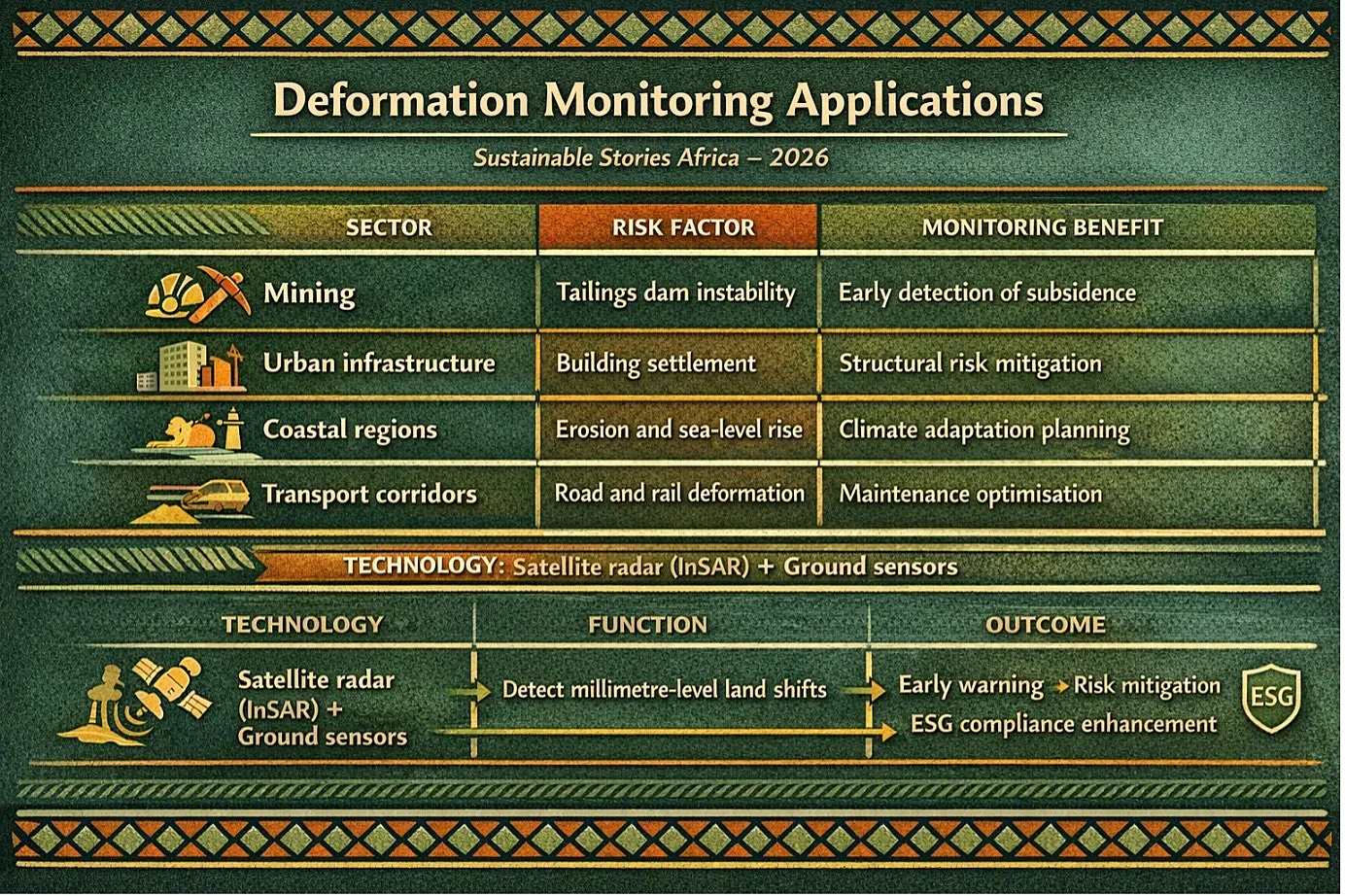
Deformation Monitoring Applications
| Sector | Risk Factor | Monitoring Benefit |
|---|---|---|
| Mining | Tailings dam instability | Early detection of subsidence |
| Urban infrastructure | Building settlement | Structural risk mitigation |
| Coastal regions | Erosion and sea-level rise | Climate adaptation planning |
| Transport corridors | Road and rail deformation | Maintenance optimisation |
Embedding Monitoring into Policy
Experts advocate embedding deformation monitoring within environmental impact assessment (EIA) frameworks. Mandating periodic satellite-based reporting for high-risk sectors could institutionalise proactive risk management.
Financial institutions are also taking note. Climate risk disclosure requirements are increasingly validating physical risk assessments, including the integration of geospatial data.
Ghana’s experience may serve as a model for other African economies by balancing the expansion of infrastructure alongside sustainability commitments.
As climate variability intensifies, predictive tools offer dividends of resilience.
Still, governance coherence is essential. Data without enforcement yields limited impact. Strengthening inter-agency coordination and investing in technical training remain critical next steps.
Path Forward – Institutionalise Data-Driven Environmental Oversight
Scaling deformation monitoring requires formal regulatory integration and sustained funding mechanisms.
Governments must embed satellite intelligence into environmental licensing and infrastructure oversight.
By aligning technological capability with enforceable governance standards, African states can transform reactive environmental management into predictive resilience, protecting communities while safeguarding investment flows.