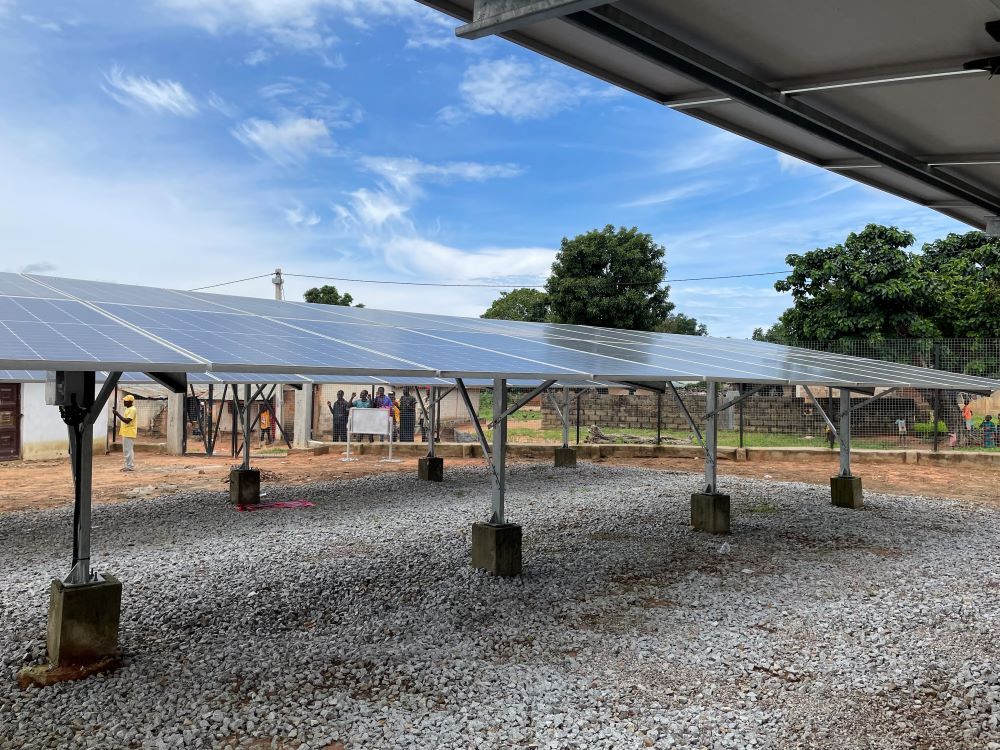
African countries are turning to net metering as solar adoption accelerates across homes, businesses and public institutions.
The policy allows consumers to send excess solar power to the grid for credit.
Its rise could reshape electricity markets, reduce diesel dependence and improve energy resilience.
Solar Consumers Are Becoming Power Producers
Africa’s electricity consumers are no longer waiting only for the grid. They are increasingly becoming part of it.
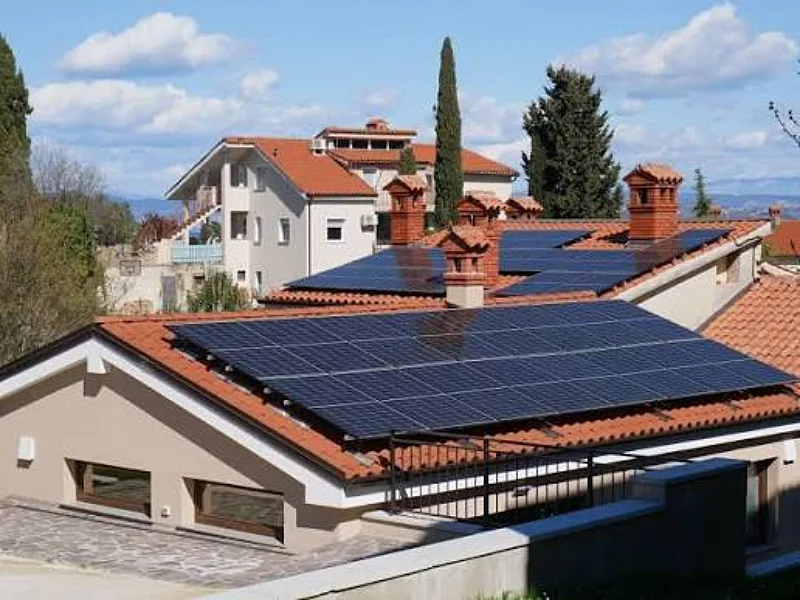
As solar installations rise across the continent, more African governments and regulators are adopting or reviewing net metering frameworks that allow households, businesses and institutions to export excess rooftop solar power to the grid in exchange for electricity credits.
The shift is being driven by falling solar costs, unreliable power supply, high dependence on diesel generators and growing demand from commercial and industrial users seeking cheaper, cleaner electricity.
It comes as Africa’s solar market records faster growth.
The continent added about 4.5 gigawatts of new solar PV capacity in 2025, up from 2.9 gigawatts in 2024, according to industry reporting.
South Africa remains the largest market, while countries including Nigeria, Kenya, Ghana, Egypt, Morocco and Zambia are seeing rising interest in distributed solar.
For businesses, schools, hospitals and households, net metering could change solar from a backup option into a financial asset.
Why Net Metering Matters Now
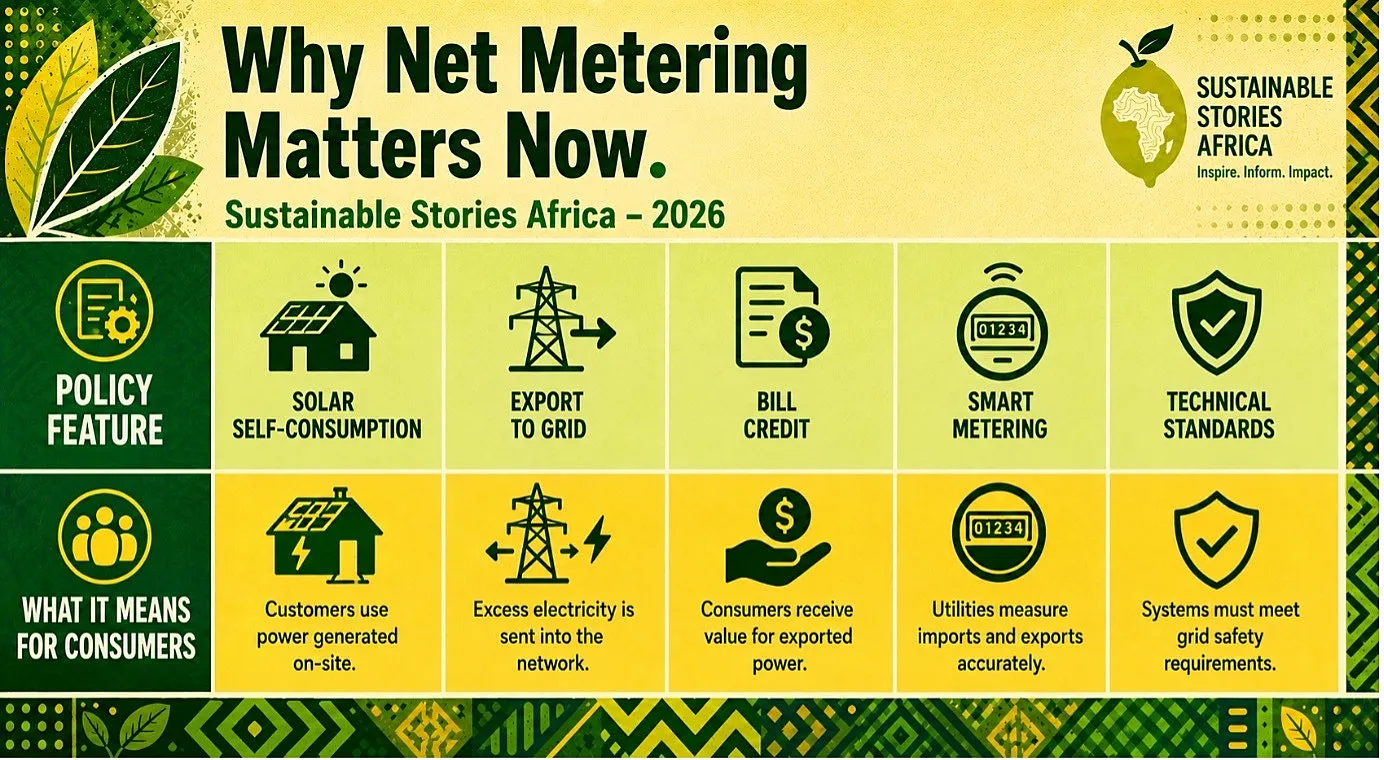
Net metering is simple in principle. A customer installs solar panels, uses the power generated, and sends unused electricity into the grid.
The utility then credits the customer’s bill, reducing future electricity costs.
That small regulatory change can transform the economics of rooftop solar.
Without net metering, excess solar power may be wasted unless the consumer buys batteries.
With net metering, the grid becomes a kind of virtual storage system, helping customers recover more value from their investment.
The policy is especially important for Africa because electricity reliability remains uneven.
- Many businesses still rely on diesel generators to survive outages.
- Households face high energy costs.
- Public institutions such as schools and clinics often need stable power but lack affordable long-term options.
Distributed solar is filling that gap.
The International Energy Agency says distributed solar, including residential, commercial, industrial and off-grid systems, accounts for a significant share of global PV expansion, supported by high retail electricity prices and unreliable grids in some markets.
- In Nigeria, reforms around mini-grids, embedded generation and state electricity markets are creating new openings for rooftop and commercial solar.
- In South Africa, load-shedding accelerated private solar adoption.
- In Kenya and Ghana, commercial users continue to explore solar to manage costs and improve reliability.
Cleaner Power Can Strengthen Everyday Resilience
The promise of net metering is not only technical. It is human.
- For a Lagos manufacturer, it could mean lower diesel spending and more predictable production.
- For a school in Accra, it could mean computer labs that stay powered during the day.
- For a hospital in Nairobi, it could mean more reliable electricity for essential services.
The strongest opportunity lies in combining rooftop solar, smart meters, clear regulation and fair tariffs.
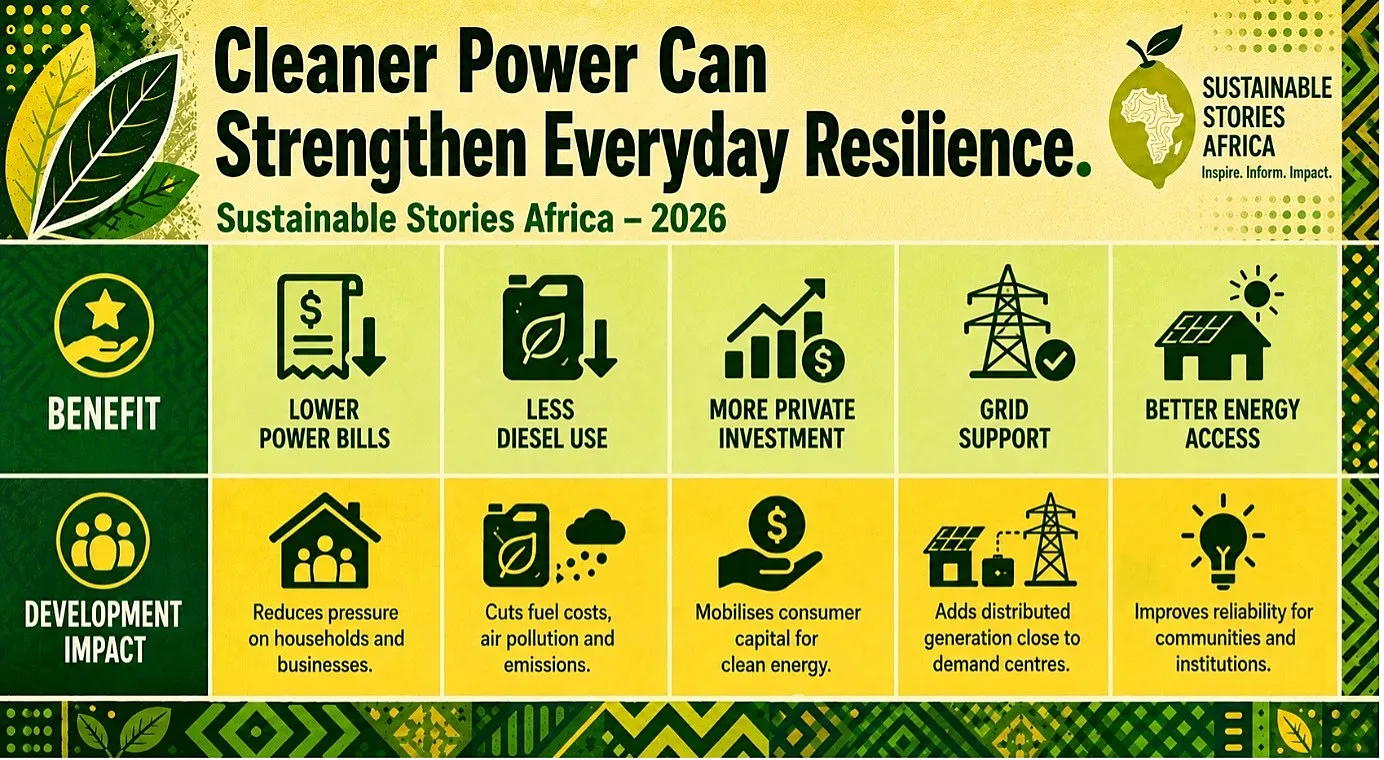
For utilities, net metering can also reduce peak demand pressure if properly designed.
Solar generated close to where electricity is consumed can reduce technical losses and defer some network investments.
However, the risks are real. Poorly designed net metering can reduce utility revenue, shift costs to non-solar customers or create grid-stability challenges.
Without smart meters and technical rules, utilities may struggle to manage two-way electricity flows.
That is why policy design matters as much as ambition.
Regulators Must Build Fair Solar Markets
African regulators now face a delicate task: encourage rooftop solar without weakening the utilities needed to keep national grids stable.
The next phase should focus on fair tariffs, transparent interconnection rules, smart-meter rollout and consumer protection.
Net metering should reward clean generation while ensuring utilities recover the cost of maintaining the grid.
Governments also need to support local solar supply chains, installer certification and affordable financing.
- Rooftop solar will not scale equitably if only large companies and wealthy households can participate.
Development finance institutions, local banks and climate funds should help close the affordability gap through concessional credit, pay-as-you-save models and guarantees for small businesses.
For Africa, the message is clear. Solar growth is no longer just about panels. It is about rules, meters, finance and trust.
If governments get the policy architecture right, net metering can turn millions of rooftops into part of the continent’s clean-energy infrastructure.
Path Forward – Make Rooftops Work for Everyone
Net metering should be designed as an inclusive energy tool, not only a reward for early adopters.
African markets need fair tariffs, smart meters, access to financing, and strong technical standards to ensure solar growth strengthens grids, lowers costs and advances ESG-linked development outcomes.
Culled From: African nations adopt net metering as solar grows