Rwanda, the African Development Bank and AIIB have launched a $300 million energy sector Results-Based Financing II programme.
The programme aims to expand electricity access, clean cooking, street lighting and grid reliability as Rwanda pushes toward universal access.
For households, businesses and public institutions, the test is whether finance can turn targets into measurable connections.
Rwanda Turns Finance Into Connections
Rwanda has launched a $300 million Energy Sector Results-Based Financing II programme, backed by the African Development Bank and co-financed by the Asian Infrastructure Investment Bank, to accelerate universal access to reliable, clean and affordable energy.
The programme follows AfDB board approval of €173.84 million, with AIIB adding €86.92 million, bringing total financing to €260.76 million, roughly equivalent to $300 million.
It is Rwanda’s second results-based energy operation with AfDB, after a $305 million programme approved in 2018.
For Rwanda, this is not only an energy project. It is a delivery test: can public finance be tied directly to households connected, institutions served, cookstoves deployed, and streets lit?
What The Programme Will Deliver
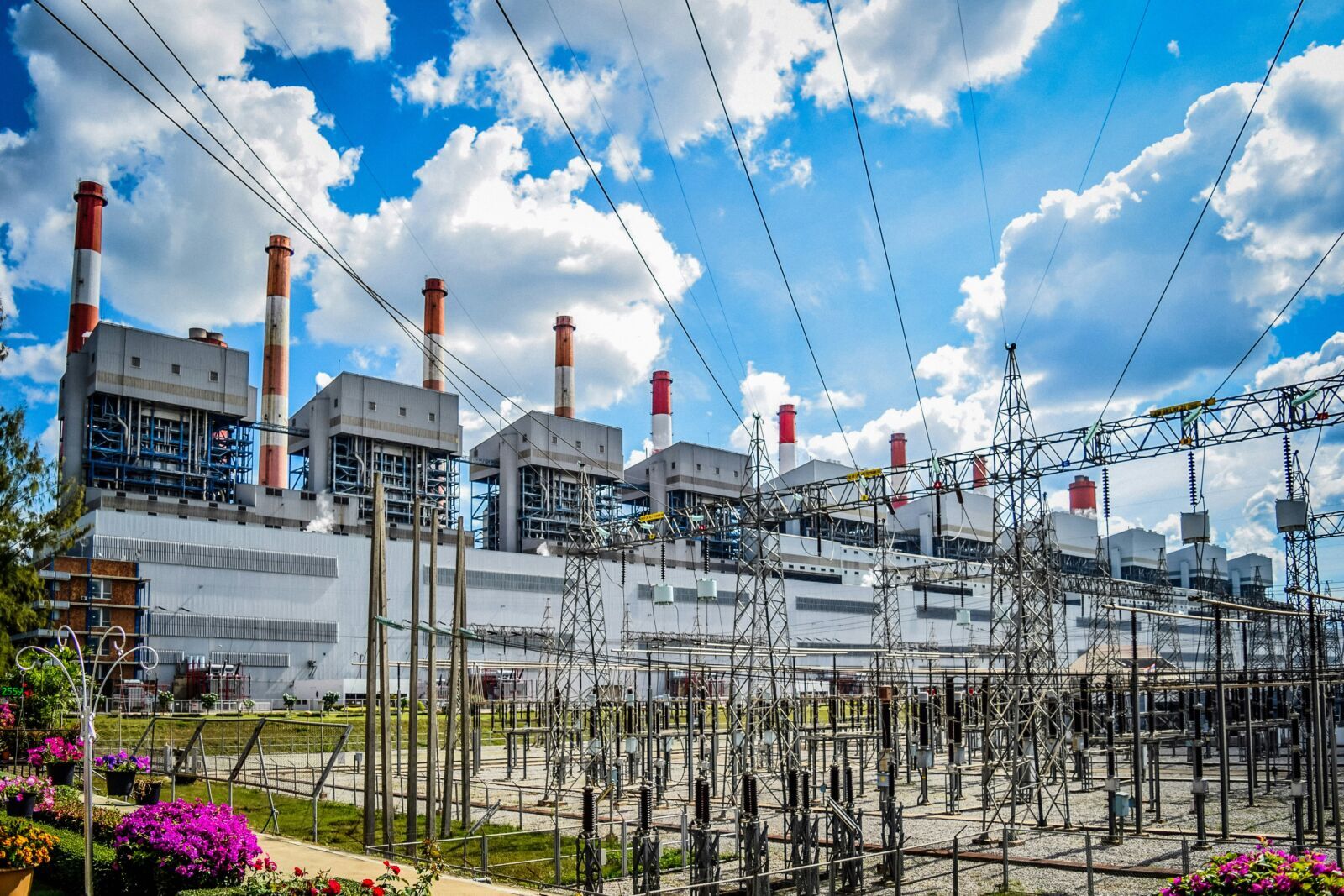
The RBF II programme is anchored in Rwanda’s Energy Sector Strategic Plan 2024 – 2029, focusing on three areas: modernising electricity networks, expanding on-grid and off-grid access, and strengthening institutional capacity.
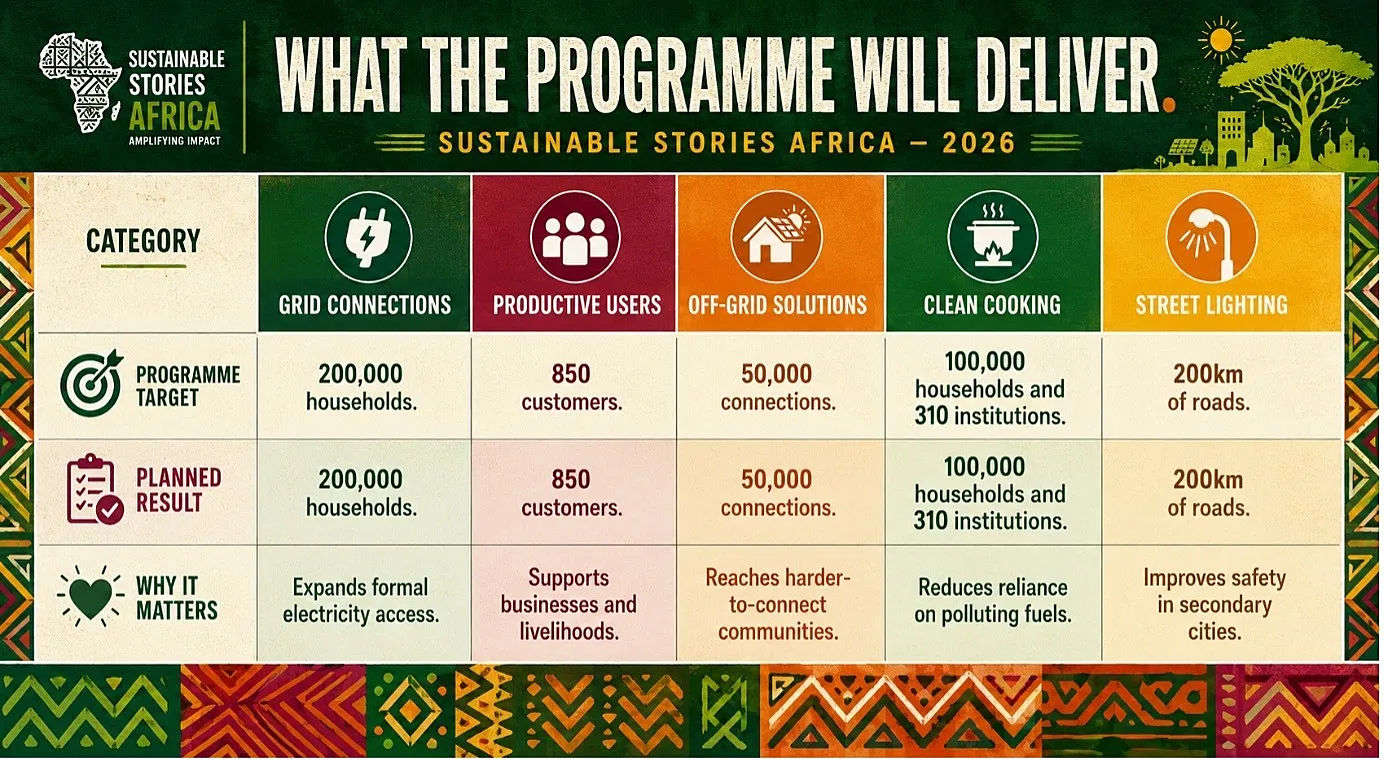
AIIB’s project disclosure describes the programme as a five-year operation designed to increase access to reliable, clean electricity and energy services, including clean cooking.
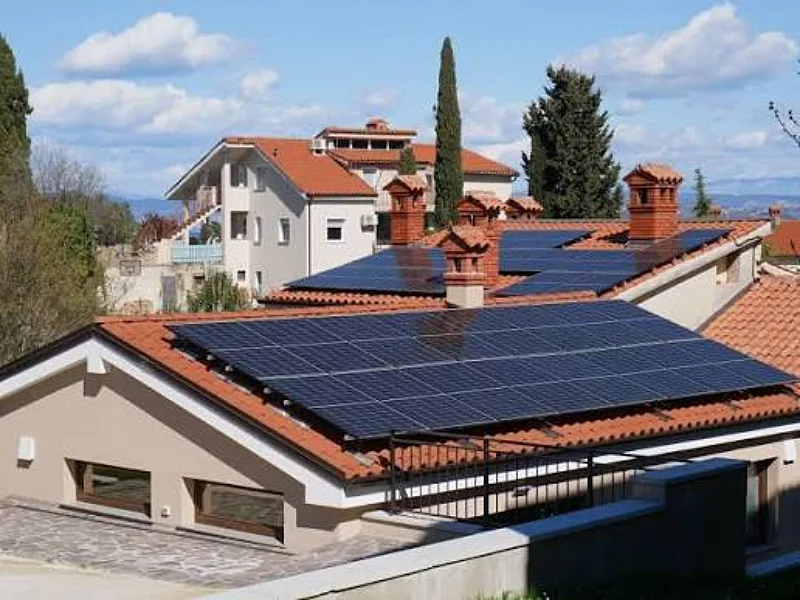
It also lists network rehabilitation, solar home systems, streetlighting and productive-use appliances among the core interventions.
The model matters because results-based financing pays against verified delivery, not promises.
In a sector where infrastructure gaps often outlive policy announcements, that approach can help shift attention from project approval to actual access.
Cleaner Energy Can Change Daily Life
For a student revising at night in a rural home, a shop owner storing cold drinks, or a health centre keeping vaccines safe, energy access is not abstract. It shapes income, safety, learning and dignity.
The programme also aligns with Mission 300, the AfDB and World Bank initiative to connect 300 million Africans to electricity by 2030.
The wider initiative is expected to require about $90 billion, with multilateral institutions, development agencies, private firms and philanthropies contributing.
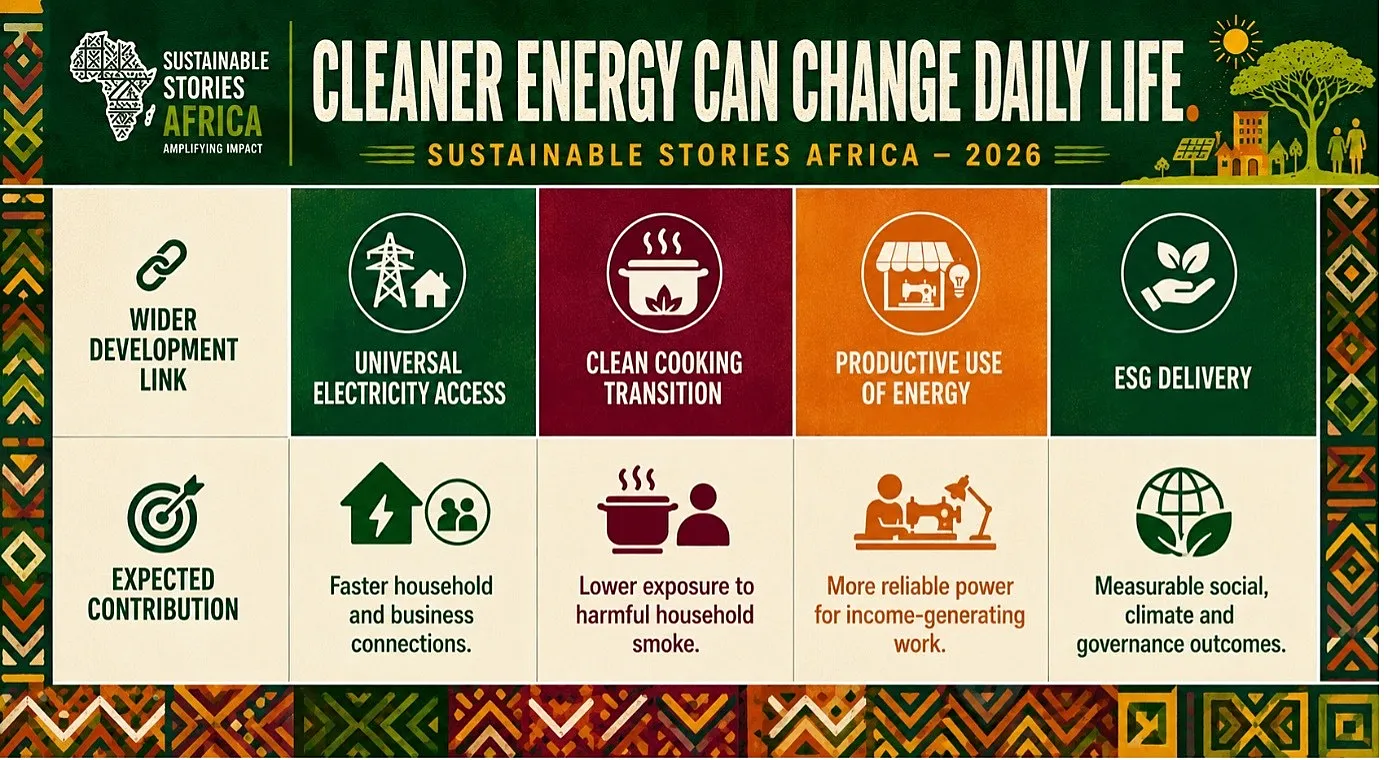
If implemented well, Rwanda could demonstrate how smaller, well-targeted energy programmes can support national development, climate resilience and poverty reduction.
Execution Must Prove The Model
The next priority is delivery discipline. Rwanda’s energy agencies, financiers and contractors must ensure that connections are affordable, systems are maintained, and vulnerable households are not left behind.
Environmental and social safeguards will also matter. AIIB classifies the programme as Category B, meaning potential impacts are expected to be limited, moderate and manageable with appropriate mitigation.
Its disclosure notes possible construction-related risks, including land issues, labour conditions and exclusion risks, which require careful monitoring.
For policymakers and financiers across Africa, Rwanda’s programme offers a practical lesson: energy finance should be judged by verified outcomes, not only by the size of the loan.
Path Forward – Make Energy Access Measurable Now
Rwanda’s new programme should prioritise transparent reporting, affordable connections, strong safeguards and productive-use electricity that helps households and businesses grow.
If the model works, it can strengthen confidence in results-based financing across African energy markets by linking capital to real access, cleaner cooking, safer streets and measurable ESG progress.