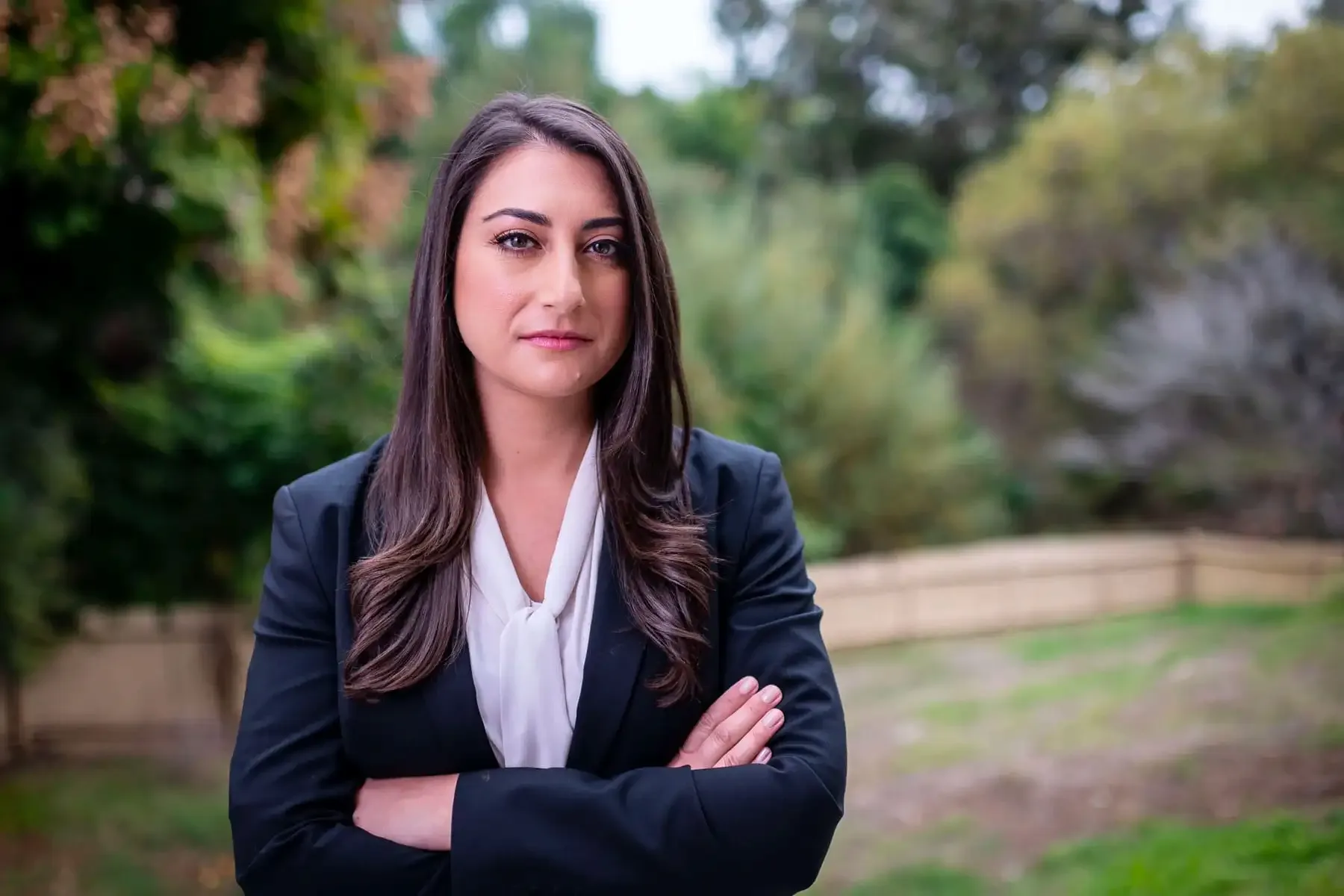
US Representative Sara Jacobs has called for engagement with African countries on their own terms in a Brookings conversation.
She advocated multilateral reform, long-term development agreements and security assistance tied to governance.
The proposals matter as African governments assess the durability of external partnerships and the costs of abrupt aid changes.
A US lawmaker calls for partnership beyond rivalry
US Representative Sara Jacobs said Washington should engage African countries for their own economic and political importance, rather than treating the continent as a stage for rivalry with China or Russia.
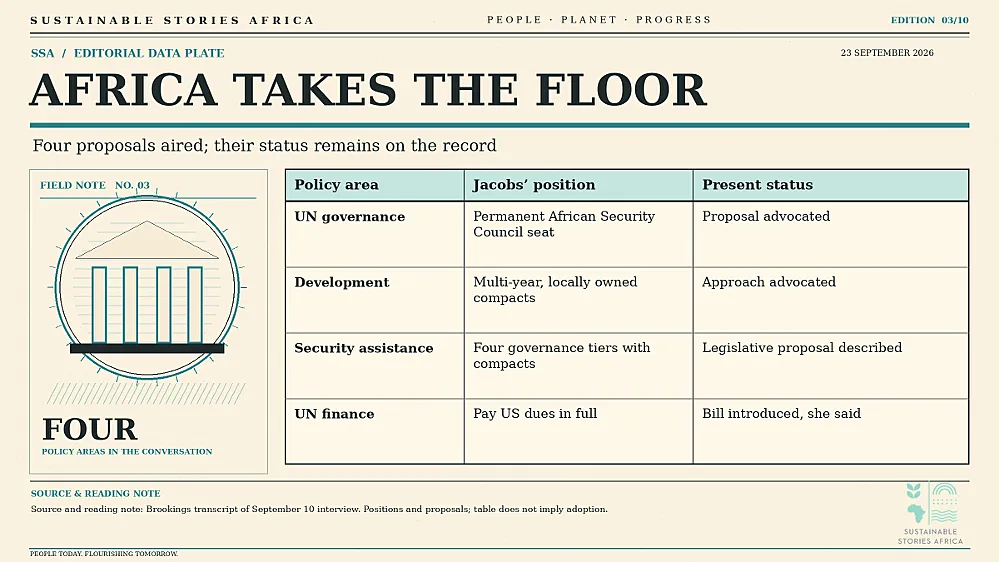
In a September 10 Foresight Africa podcast conversation with Brookings senior fellow Landry Signé, the ranking member of the House Foreign Affairs Subcommittee on Africa also backed a permanent African seat on the UN Security Council and more accountable security cooperation.
- Her comments are a policy argument from a member of Congress, not an announcement that the United States has adopted a new Africa strategy.
African governments are weighing the effects of changes in US assistance and seek partnerships that support local priorities over multiple years.
Aid transitions need time and local capacity
Jacobs said reductions in US development assistance have damaged confidence in Washington’s reliability.
- She saw value in a shift toward trade and investment if it treats African countries as partners and preserves time to build local capacity.
- Multi-year health compacts, in her view, could specify what each side will provide and when domestic institutions are expected to assume greater responsibility.
She cautioned that aid cannot simply stop one day and be replaced by trade the next
- She also raised concern that some agreements could be linked to unrelated transfer or minerals deals.
- Those are her criticisms of implementation, rather than findings established by the podcast.
For a health ministry, a predictable transition matters because clinics, personnel and supply chains cannot plan against an unspecified funding cliff.
On multilateral reform, Jacobs argued that a Security Council designed around 1945 power structures needs to change.
- She said a permanent African seat would improve representation and also argued that the United States should pay UN dues in full, referring to legislation she introduced.
Neither proposal represents enacted policy.
Security cooperation could reward better governance
Jacobs linked abuses by state security forces to the risk of violent extremism and outlined a proposed four-tier framework for US security assistance.
- Countries with stronger security governance would qualify for wider support; intermediate tiers could use compacts to fund institutional improvement.
- This is a legislative proposal she described, not an operational classification of African states.
The possible benefit is a partnership that measures civilian protection as well as equipment and training.
- She cited Sierra Leone as an example of peacekeeping success while pointing to failures in Haiti and shortcomings in Mali.
- Her broader argument was that peacekeeping requires political backing and resources to address a conflict; deployment alone cannot settle it.
The lawmaker's preference and bipartisan support or budget authority is different.
- The interview offers no negotiated compact with an African government and no evidence that a new assistance framework has entered into force.
- For African officials, the practical test would be whether the proposed milestones are co-designed, whether termination dates match institutional readiness, and whether changes to US domestic politics leave core services funded during the transition.
Turn partnership language into measurable commitments
US legislators and agencies should state how future compacts protect local ownership, budget continuity and civilian safety.
African governments should be able to negotiate goals and publish the conditions attached to financing or security assistance.
Congress can scrutinise proposed aid transitions and assess the implications of UN funding decisions.
Jacobs’ remarks sketch a more reciprocal approach, but its credibility depends on appropriations, institutional practice and the voice given to African counterparts.
A partnership is tested by what survives a change of administration and by whether communities can hold both sides to their commitments.
Path Forward – Build durable agreements around African priorities
Longer-term agreements should set transparent timelines for assistance, trade, health systems and governance reforms while allowing African institutions to shape outcomes.
Security support needs civilian safeguards and review.
The podcast offers a direction for debate; legislative decisions and negotiated agreements would determine whether it becomes policy.