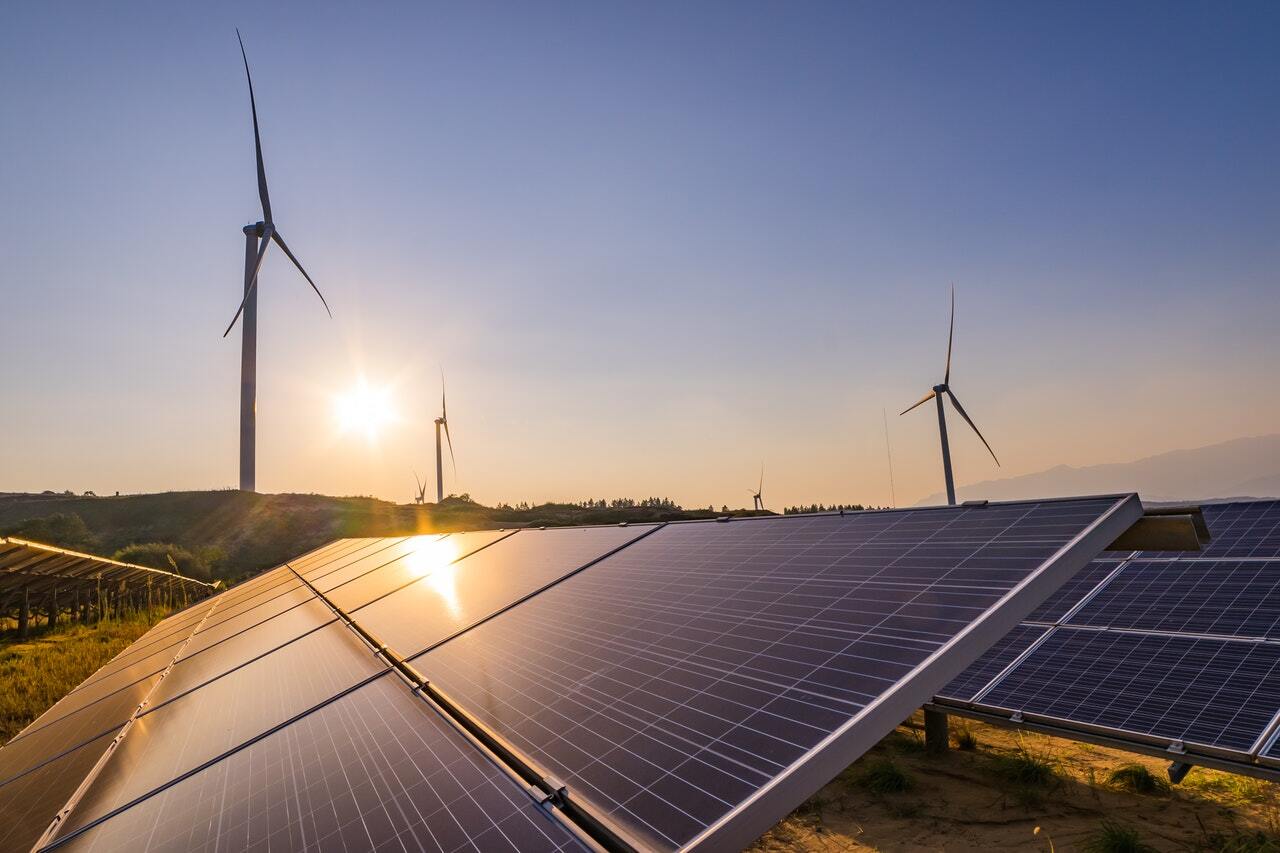
Tanzania is expanding procurement for large-scale wind and solar power projects.
The move comes as drought, rising demand and grid pressure expose dependence on hydropower and gas.
For households, businesses and investors, the shift could turn renewable energy from a policy ambition into a national resilience strategy.
Tanzania Moves to Diversify Power Supply
Tanzania is accelerating plans to procure large-scale wind and solar energy projects as the government seeks to modernise its electricity system, attract private capital and reduce vulnerability to climate-driven hydropower shocks.
The effort is being advanced through the state utility, TANESCO, and forms part of a wider strategy to open more room for independent power producers in utility-scale renewable energy.
Recent reporting indicates that Tanzania is targeting greater private-sector participation after years of reliance on hydropower and natural gas, two sources that have left the country exposed to drought risk, fuel price volatility and grid reliability concerns.
For a shop owner in Dodoma, a farmer using cold storage near Arusha, or a student studying after dark in a rural home, electricity is not an abstract development target.
It is business continuity, food preservation, safety and productivity. Tanzania’s shift in procurement, therefore, matters beyond megawatts. It is about whether clean power can become a stronger foundation for growth.
Why Procurement Is Becoming Urgent
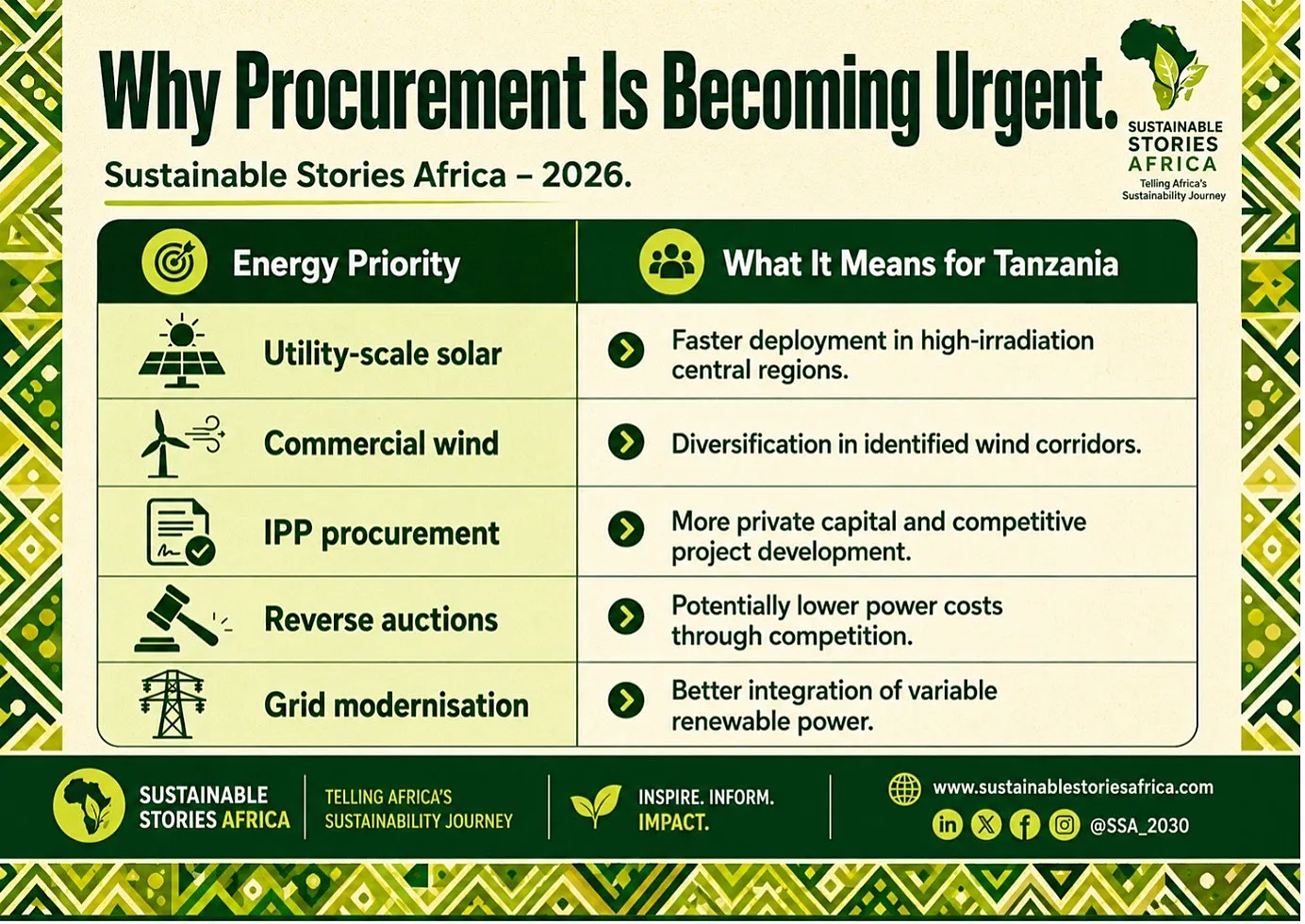
Tanzania has strong renewable energy potential. Central regions receive high solar irradiation, while areas such as Makambako and Kititimo have been identified as favourable for commercial wind development.
The Kishapu solar project in Shinyanga has already placed a 50 MW first phase on the grid, with plans for a further 100 MW phase.
The country’s energy compact under Mission 300 also points to a more structured future of procurement. It proposes establishing a Renewable Energy Independent Power Producer Procurement Programme by June 2026 and developing a competitive procurement framework, including reverse auctions, by June 2027.
The wider African context adds weight. At the Mission 300 summit in Dar es Salaam, African countries, including Tanzania, committed to reforms that connect 300 million people to electricity by 2030.
The initiative is expected to mobilise large-scale multilateral and private financing, with renewable energy playing a central role.
Clean Power Can Lower Risk
If Tanzania executes the procurement programme well, the benefits could be significant.
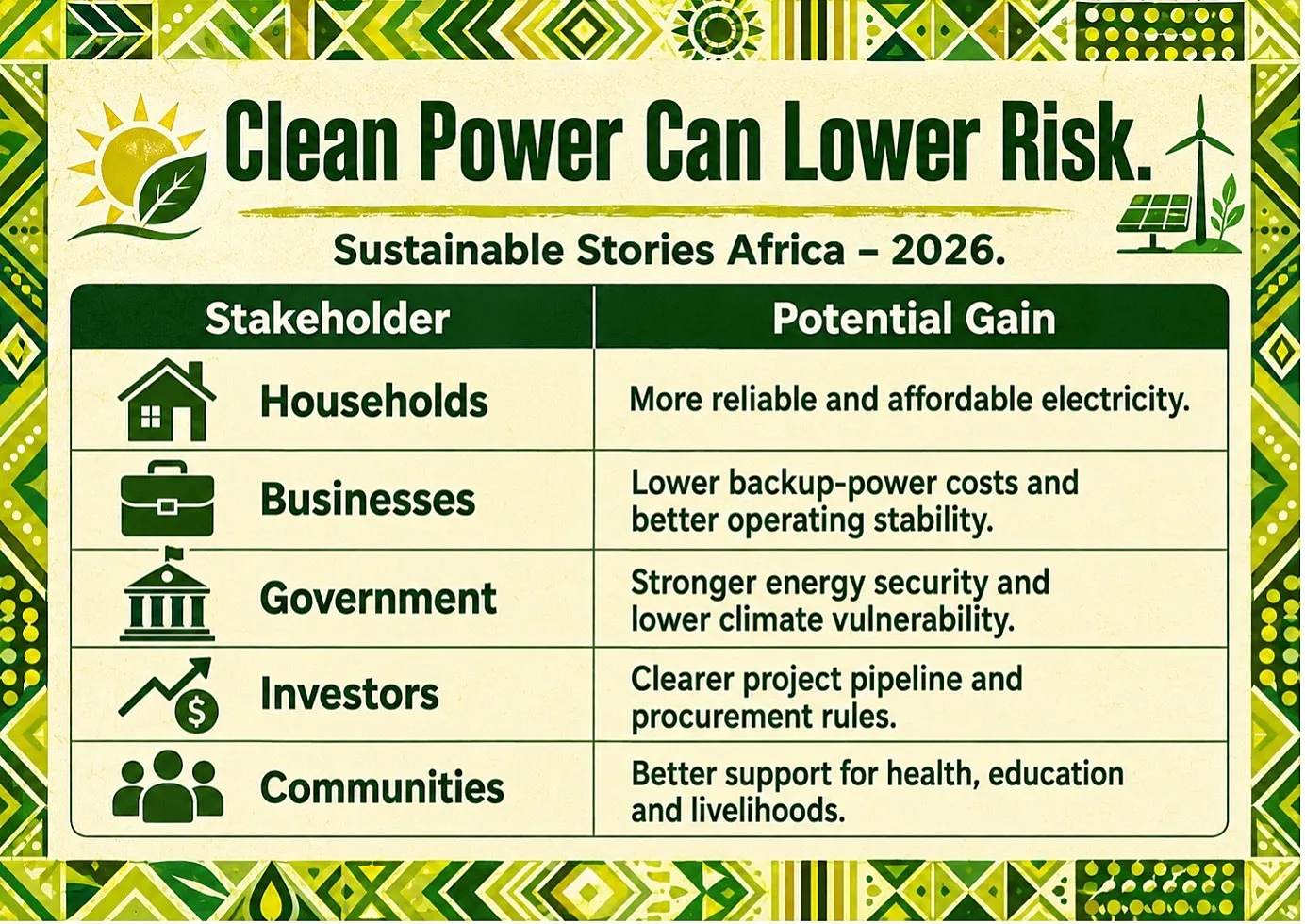
A more diversified power mix would reduce dependence on rainfall patterns, improve energy security and make the grid more resilient during drought years.
- For businesses, predictable electricity can reduce reliance on diesel generators and improve productivity.
- For communities, more reliable power supports clinics, schools, irrigation, refrigeration and digital services.
- For investors, transparent procurement can turn Tanzania from a promising renewable market into a bankable one.
The risk is that procurement ambition stalls without execution. Weak grid capacity, delayed approvals, currency risk, unclear tariffs and slow land processes can turn strong renewable potential into a stranded opportunity.
Tanzania Needs Bankable Execution
The next phase must focus on credibility.
- Tanzania needs transparent tender rules, realistic tariffs, bankable power purchase agreements, timely grid studies and clear timelines for project approval.
- Private investors will also look for currency risk mitigation, predictable regulation and stronger transmission planning.
- Development finance institutions can help by providing guarantees, concessional finance and project-preparation support.
For TANESCO and policymakers, the task is to move from announcement to delivery. Wind and solar procurement must not become another long pipeline of delayed projects.
It must become a disciplined market-building process that brings reliable, clean power into homes, factories, farms and public services.
Path Forward – Build Bankable Clean Energy Markets
Tanzania’s renewable procurement push is a practical test of energy transition delivery in Africa: policy must become projects, and projects must become dependable power.
The priority now is execution, competitive tenders, stronger grids, fair tariffs, credible guarantees and faster approvals.
Well done, Tanzania can turn wind and solar into tools for resilience, investment, jobs and sustainable growth.
Culled From: Tanzania to expand large-scale wind, solar energy procurement