A green revolution is taking shape across the Republic of Congo’s agricultural communities.
Backed by the African Development Bank, PRODIVAC is supporting value chains, entrepreneurship and climate-smart production.
For farmers, young people and rural households, the promise is practical: better yields, higher incomes and less dependence on imported food.
Congo’s Farms Enter A New Season
In the Republic of Congo, agriculture is becoming more than a rural livelihood. It is emerging as a national strategy for food security, economic diversification and climate resilience.
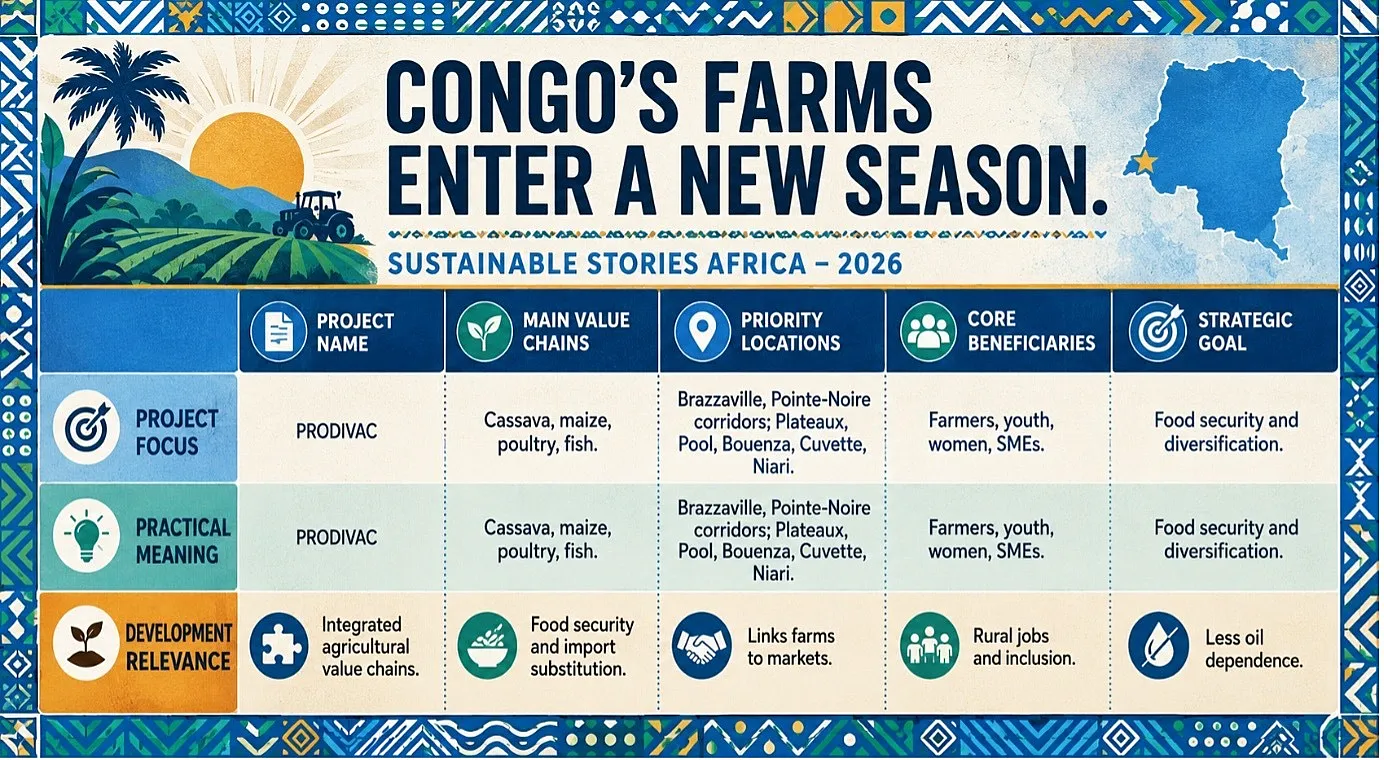
Through the Integrated Agricultural Value Chains Development Project, known as PRODIVAC, the government and the African Development Bank Group are supporting a green transformation across key farming zones.
The project is designed to strengthen production, promote local entrepreneurship and improve opportunities for young people and women in agriculture.
The intervention comes as Congo seeks to reduce dependence on oil revenues and food imports while building stronger domestic value chains.
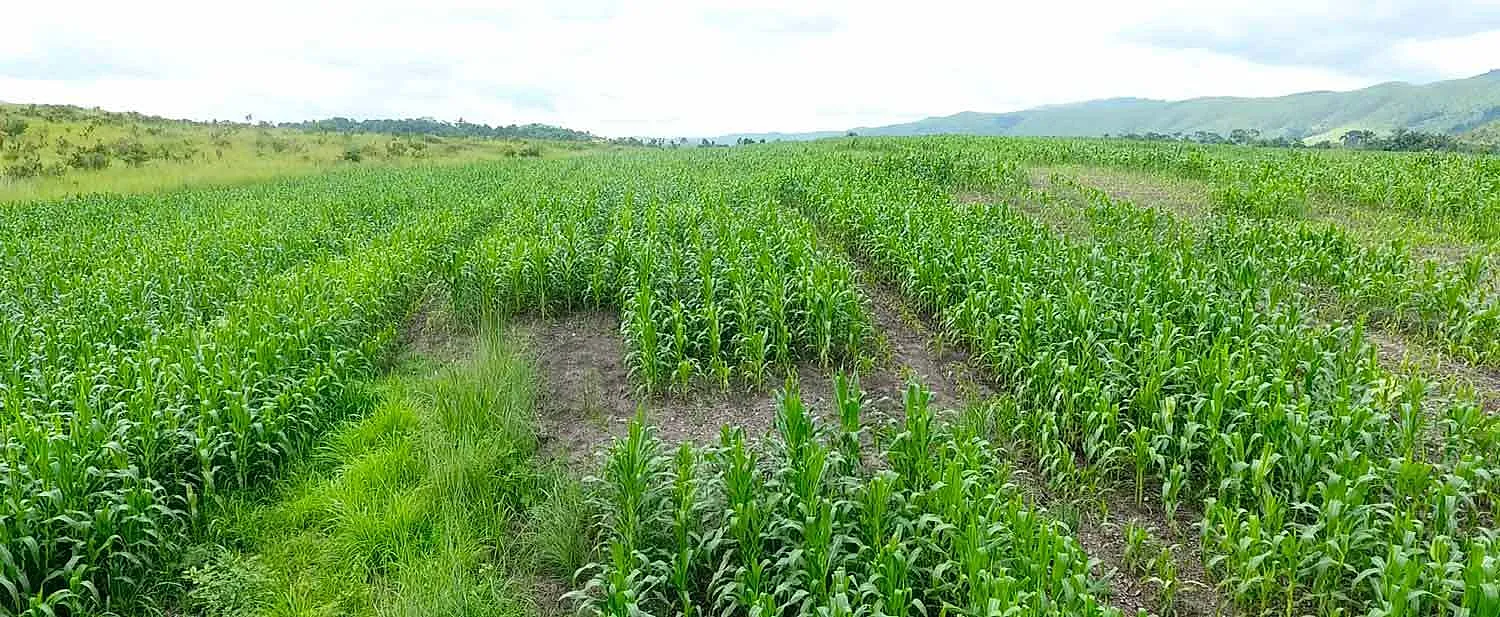
From cassava and maize to poultry and fish, the project targets commodities that are central to household diets, local markets and import substitution.
From Subsistence Fields To Value Chains
For decades, many rural communities in Congo have farmed with limited mechanisation, weak access to finance and uncertain links to markets.
Farmers often face the same structural barriers seen across African agriculture: low productivity, poor storage, inadequate processing, high transport costs and exposure to climate shocks.
PRODIVAC is trying to change that equation by treating agriculture as a full value chain rather than a collection of isolated farms.
That means improving production, strengthening entrepreneurship, supporting skills development, encouraging public-private dialogue and helping farmers connect to more reliable markets.
In practical terms, a farmer growing cassava needs more than land. She needs improved planting material, technical advice, tools, storage, processing links and buyers who can pay fairly and on time.
- A young poultry entrepreneur needs training, inputs, finance and disease-control systems.
- A fish farmer needs feed, water management and access to distribution channels.
The project’s design recognises that food security is about producing more. It is about making the whole system work better, from soil and seed to transport, finance, processing and retail.
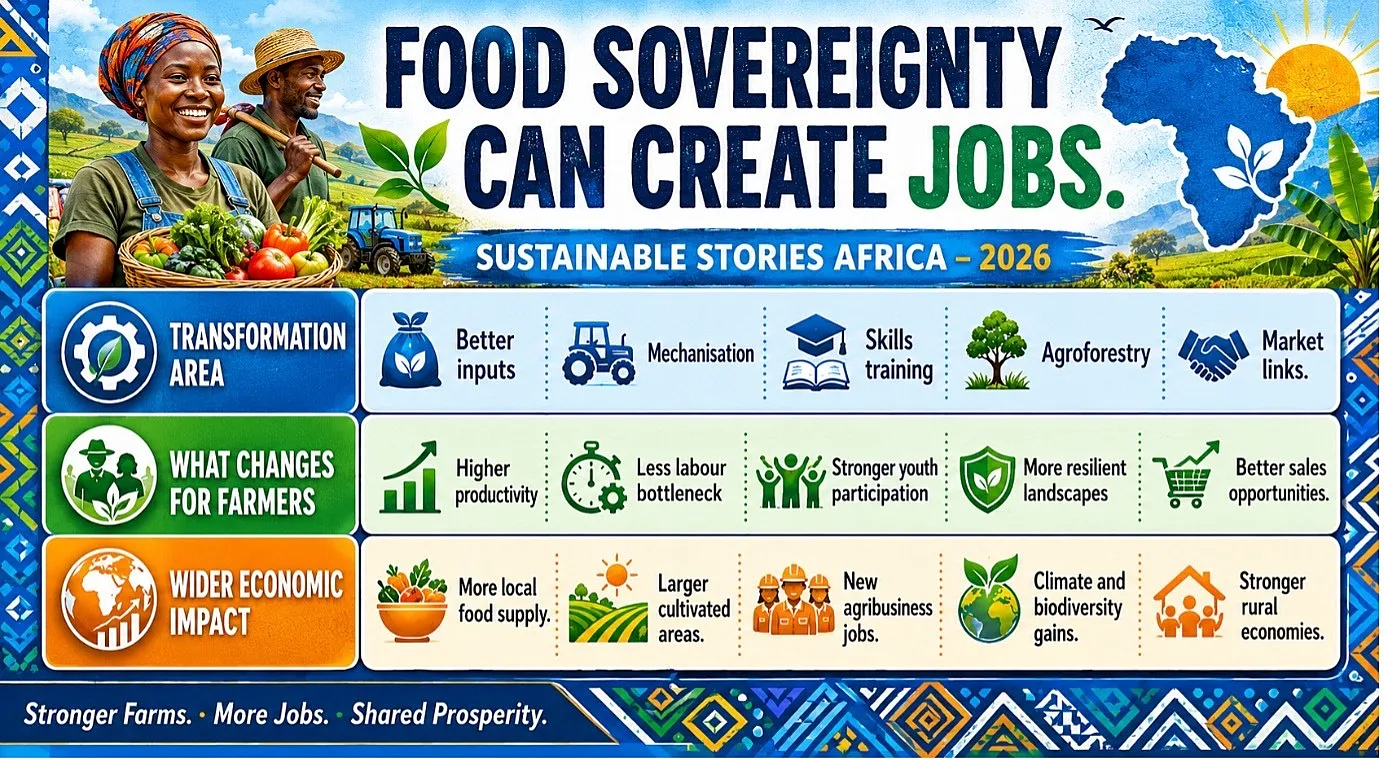
Food Sovereignty Can Create Jobs
Congo’s green revolution provides a greater promise: agriculture can become a route to inclusive growth.
If well implemented, the project can help rural households raise incomes, reduce pressures on food imports, create jobs for young people and support local enterprise.
It can also help the country diversify away from extractive dependence by building productive capacity in food systems.
The climate dimension matters too. Agriculture in Central Africa faces shifting rainfall, land pressure, and ecosystem risks.
PRODIVAC’s agroforestry and resilience components point toward a model that protects land while improving livelihoods.
That is important for a country connected to the wider Congo Basin, one of the world’s most important ecological regions.
Implementation Must Reach Rural Households
The next challenge is delivery. Agricultural transformation will depend on whether support reaches farmers consistently, whether equipment is maintained, whether training is practical and whether markets reward production.
Government agencies, development partners and private investors must now align around execution.
- That means prioritising extension services, rural roads, processing facilities, cold storage, farmer cooperatives and affordable finance.
- It also means building trust with communities so that farmers see the project not as another distant programme, but as a practical tool for better livelihoods.
Private sector participation will be essential.
Input suppliers, processors, logistics firms, cooperatives, banks and off-takers can help convert production gains into market value.
Without that market connection, higher yields may not translate into higher incomes.
For Congo, the green revolution will be judged by project language, and visible outcomes: fuller markets, stronger farmer incomes, more youth-led agribusinesses and greater national food resilience.
Path Forward – Turn Fields Into Food Systems
Congo’s priority is to move from farm support to full food-system transformation: inputs, finance, training, processing, transport and market access working together.
If sustained, PRODIVAC can advance ESG goals by supporting food security, climate resilience, women’s inclusion, youth employment and responsible land use.
The opportunity is clear: make agriculture the foundation for Congo’s next chapter of development.
Culled From: In the Republic of Congo, the green revolution is transforming the agricultural landscape