Nigeria needs roughly ten times its current annual power-sector investment to close its electricity gap and support industry, Sadiq Wanka said.
The presidential adviser argued that reforms already allow investors to ring-fence projects from longstanding market weaknesses.
The next test is whether finance can convert policy, renewable potential and tested business models into bankable infrastructure at scale.
Nigeria's Power Gap Is an Investment Gap
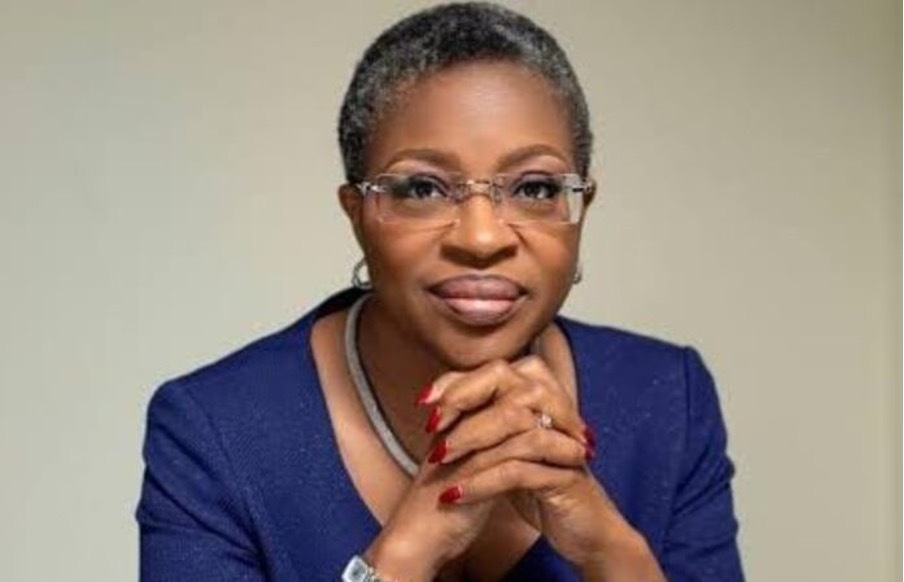
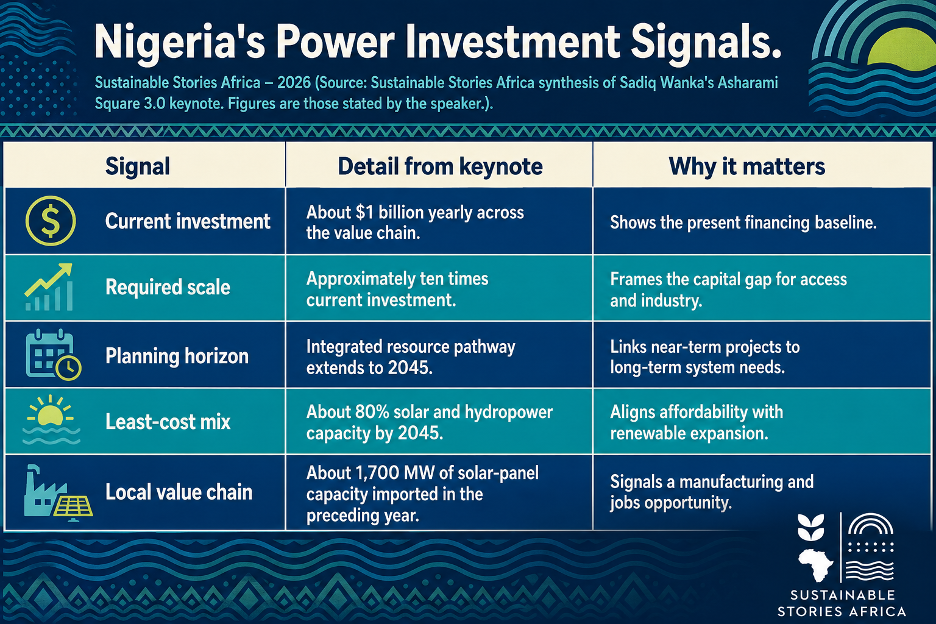
Nigeria must increase annual electricity investment from about $1 billion to roughly ten times that level if it wants universal access and sufficient power for industry, according to Sadiq Wanka, Special Adviser to the President on Power Infrastructure.
Delivering the keynote address at Asharami Square 3.0 in Lagos, Wanka said Nigeria remains far behind comparator economies in electricity consumption per person and infrastructure.
However, countries including India and South Africa show that large electrification gaps can be narrowed within a decade when policy, institutions and capital move together.
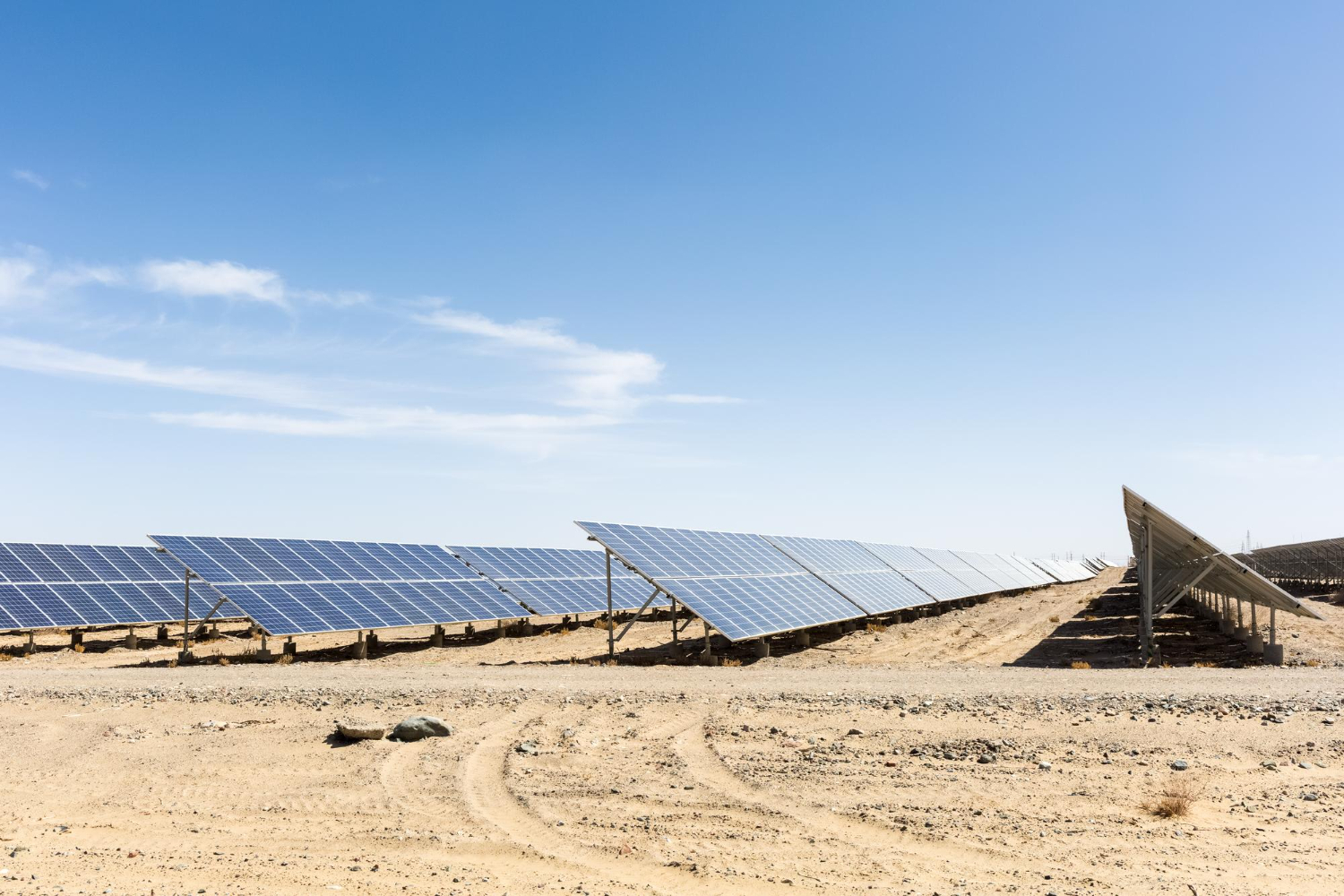
The scale is formidable, but the least-cost pathway can also support climate ambition. Citing Nigeria's integrated resource planning work to 2045, Wanka said solar and hydropower could provide about 80% of national capacity by that year.
The result came from cost analysis, he stressed, rather than from imposing a climate-first assumption.
Reforms Are Expanding Investable Power Models
The Electricity Act 2023 has widened state participation and opened additional space for private investment across the value chain.
Subnational regulators are emerging, states are announcing partnerships, and private players can now operate transmission infrastructure rather than only finance assets controlled by the national transmission company.
Wanka also pointed to improvements in payment discipline among many distribution companies and the gradual movement towards cost-reflective tariffs, beginning with Band A customers.
The politically difficult next phase, he said, must protect vulnerable households while making the market more credible for capital providers.
The central investor message was that structural problems do not make every project uninvestable.
Embedded generation, interconnected mini-grids, industrial clusters and ring-fenced distribution arrangements can isolate cash flows from wider tariff and payment weaknesses.
The Aba ring-fence and community-agreed mini-grid tariffs illustrate how technical and commercial boundaries can reduce exposure.
Ring-Fenced Projects Can Reduce Structural Exposure
Off-grid programmes have also tested performance-based support. Viability-gap funding can lower infrastructure costs and customer tariffs, while disbursement after deployment links public support to delivery.
Local banks and investors are increasingly learning how these structures work.
Other opportunities include upgrading industrial feeders, adding battery storage to improve power quality, developing small and large hydropower, financing private transmission, and investing within distribution-company franchises under regulator-approved recovery agreements.
Local manufacturing could capture more value from the transition. Wanka said Nigeria imported solar panels with about 1,700 megawatts of capacity in the preceding year, while demand for cables and other electrical equipment continues to grow.
Building more of that supply chain domestically could support jobs, reduce dependence on imports and deepen technical capability.
Finance Must Turn Policies Into Projects
Important implementation gaps remain. Wanka cited the need to operationalise the presidential power-sector reset initiative, publish the implementation plan for the national electricity policy, strengthen coordination between federal and state regulators, accelerate meter installation and continue clearing historical debts owed across the generation and gas chains.
Finance is the binding constraint.
- Banks and institutional investors need a pipeline of properly prepared projects, credible payment security and mechanisms that can de-risk transactions without relying entirely on sovereign guarantees.
Wanka said the sector needs a coordinating financial institution that can identify opportunities, develop them and crowd in long-term capital.
- Development partners can support preparation, guarantees and advocacy; however, domestic institutions must lead execution.
Journalists also have a role:
- They should examine why implementation stalls, distinguish causes from symptoms and track whether announced reforms translate into reliable power for businesses and households.
That accountability should follow measurable outcomes: completed connections, installed meters, collection efficiency, hours of reliable supply, cost per unit and the share of vulnerable customers protected during tariff reform.
Transparent performance data would give lenders clearer risk signals and allow citizens to judge whether investment is producing public value.
Path Forward – Capital Must Follow Bankable Power Opportunities
Nigeria's reform agenda now needs an investable pipeline: prepared projects, payment security, targeted guarantees, coordinated regulation and protection for vulnerable households.
If government, finance providers and developers align around ring-fenced models, transmission, distributed energy and local manufacturing, the country can expand access while moving towards a lower-cost renewable system.