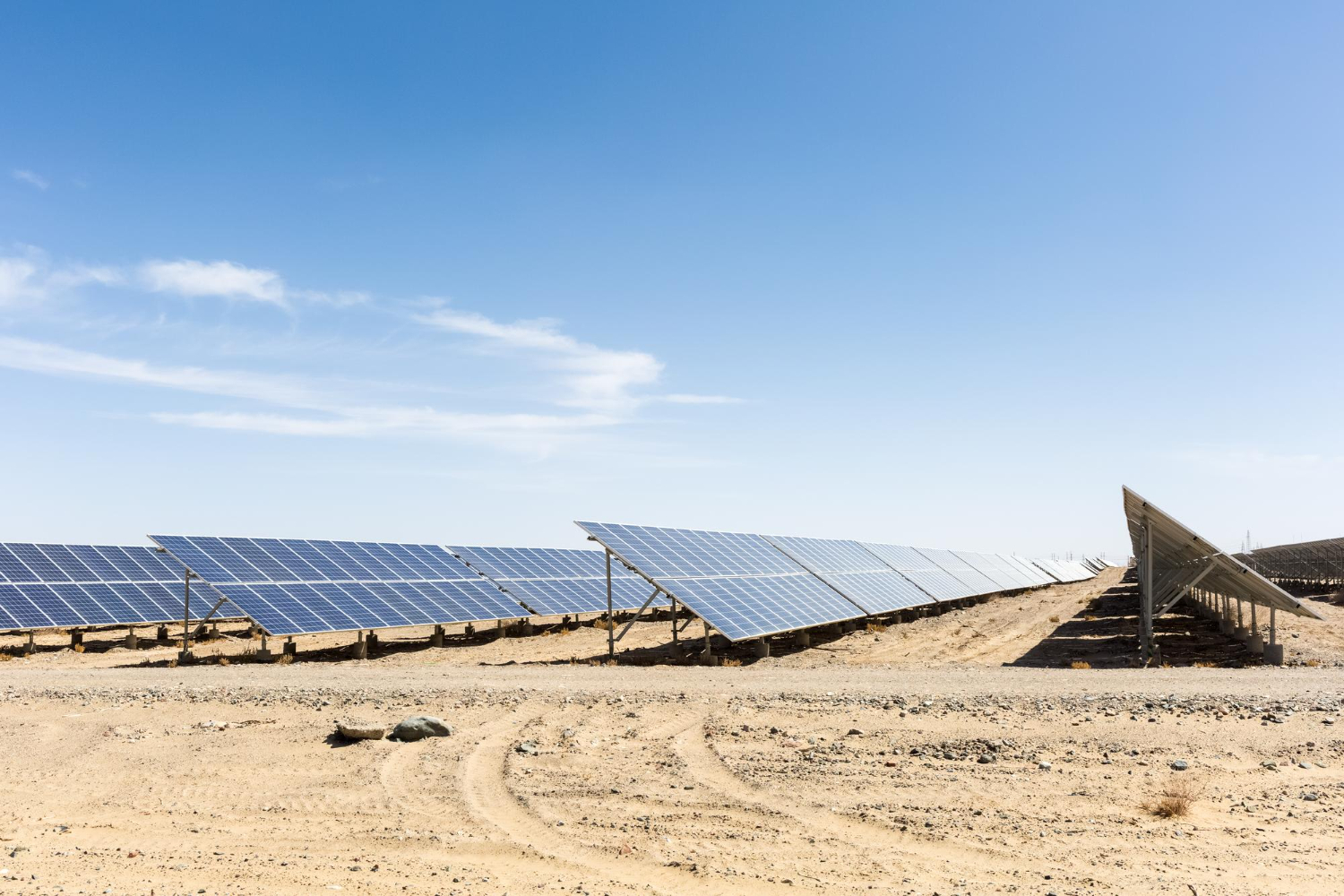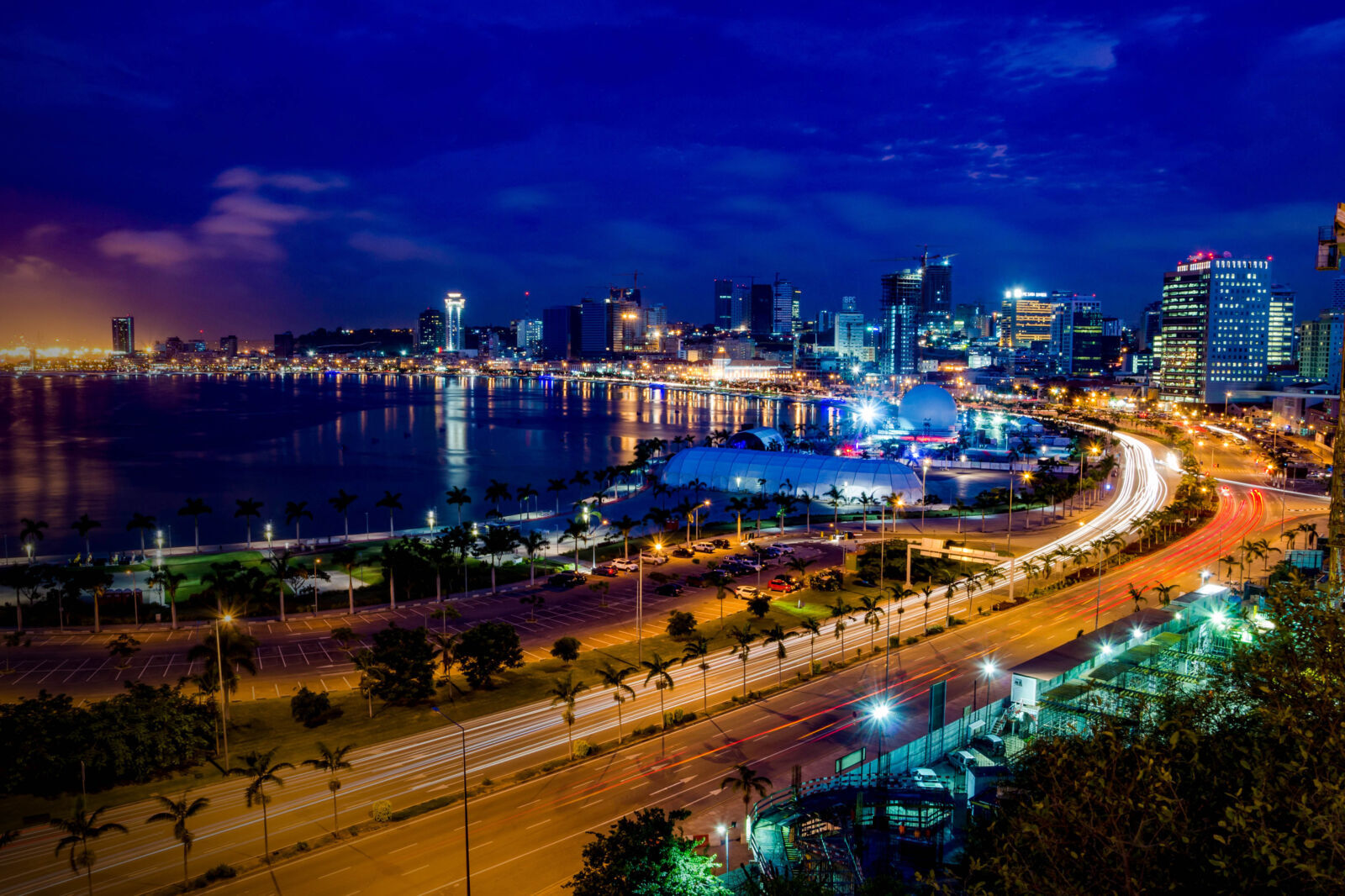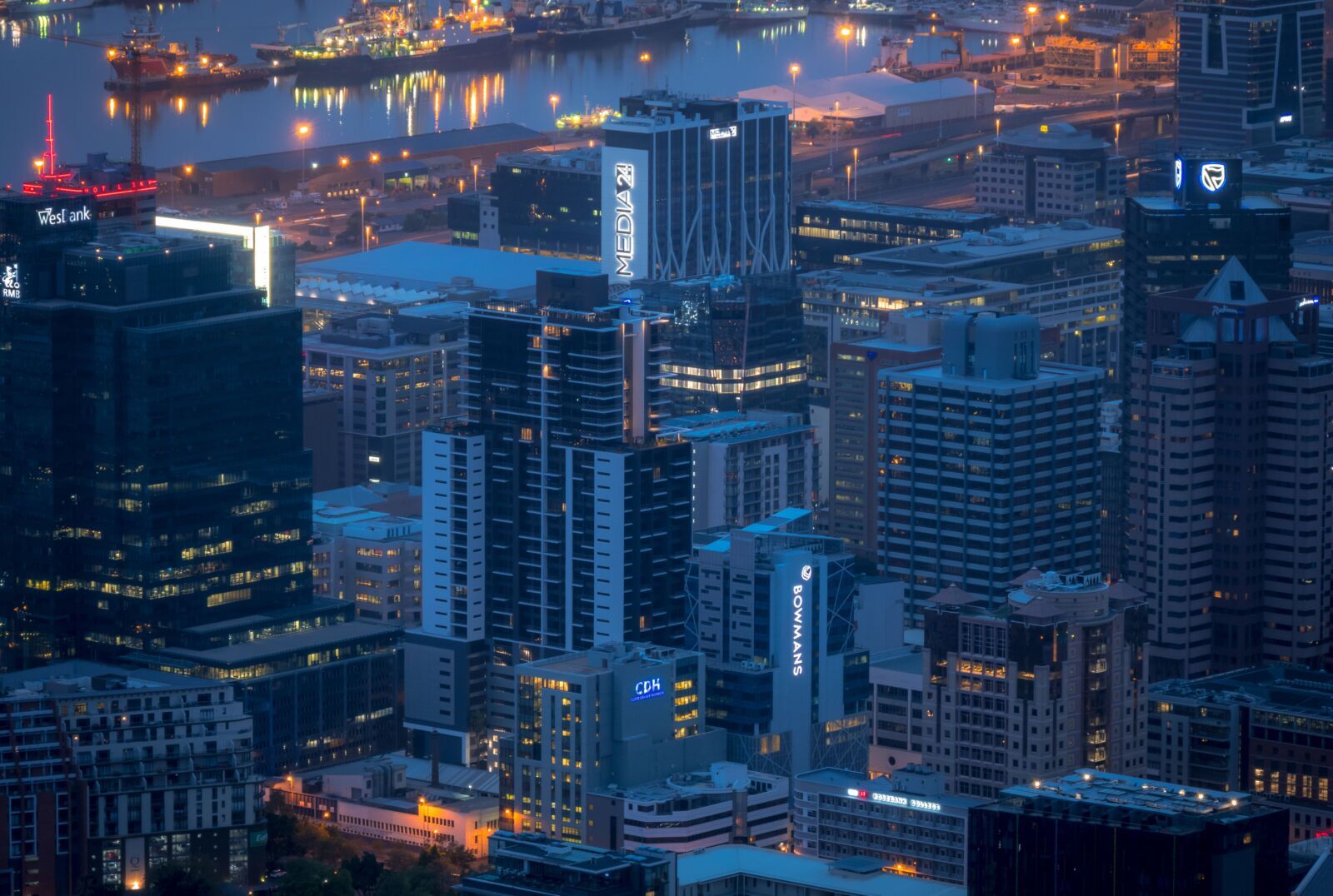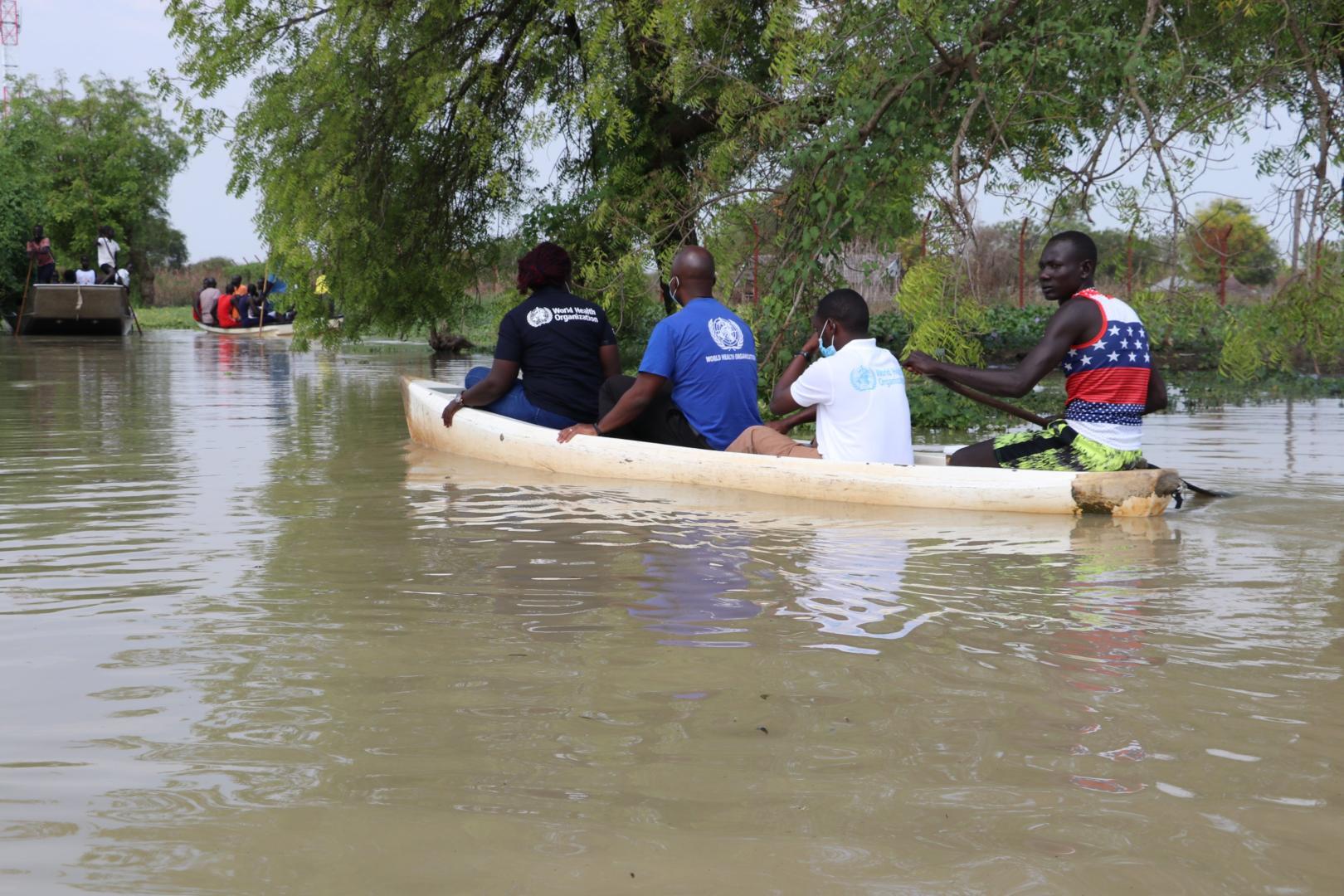
Over 600 million Africans live in cities facing rising temperatures, rapid urbanisation, and strained electricity grids.
Growing demand for cooling is driving a surge in individual air conditioners, worsening peak-load stress, urban heat islands, and household energy costs.
The IEA's 2025 report offers an alternative, positioning district cooling as a strategic pillar of urban energy planning.
The opportunity is real, but narrowing fast, one air conditioner at a time.
The Choice Africa Still Has the Chance to Make
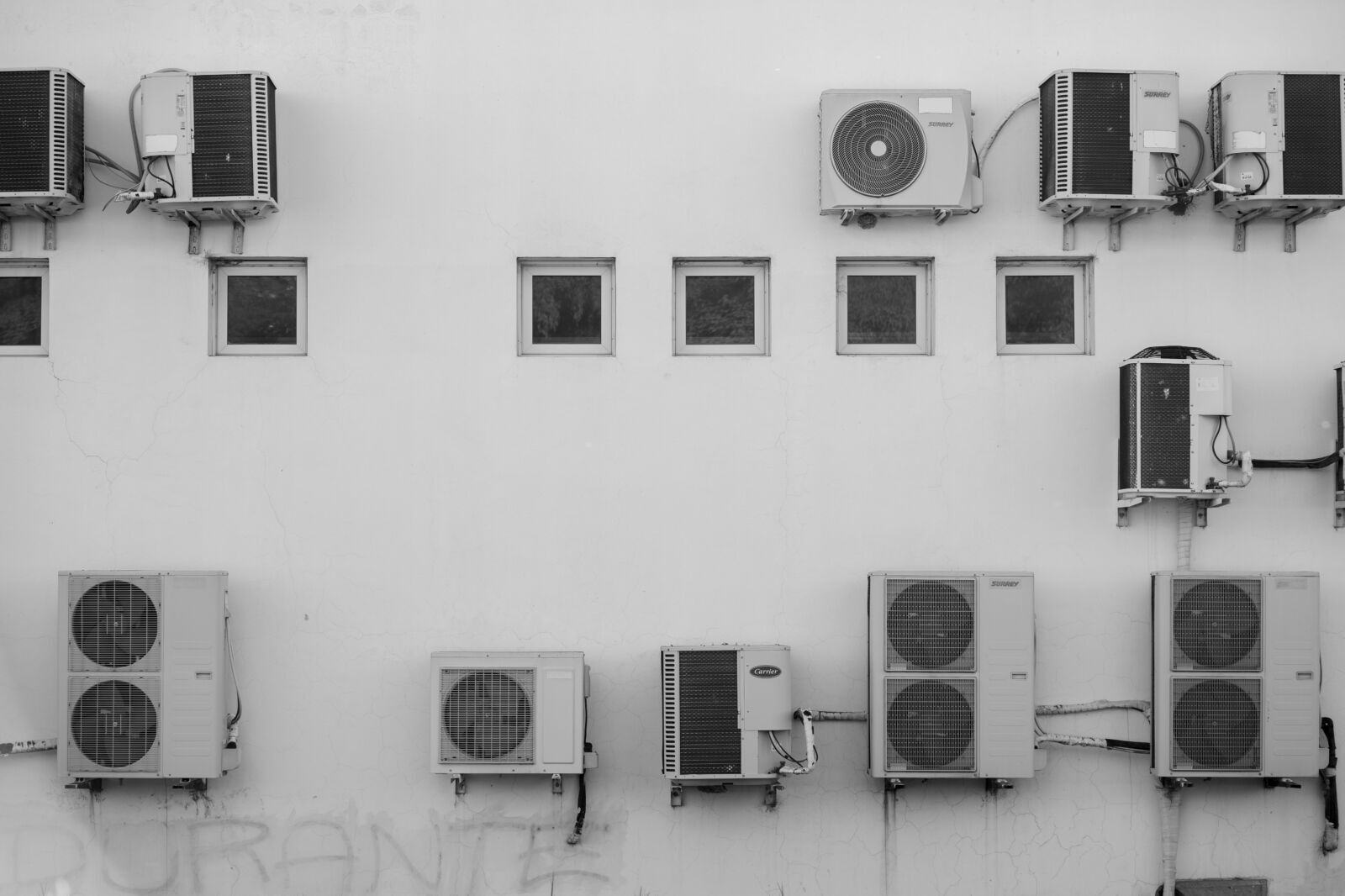
African city planners face a looming crisis. As urban populations grow, developers default to individual cooling units; by 2040, a city of five million could have ten million units straining an already fragile grid during peak heat.
This drives grid failures, intensifies urban heat islands, raises household energy costs, and expands the cooling carbon footprint, despite Africa's minimal contribution to climate change.
This is not speculative; it reflects the IEA's data on cooling demand growth in dense, hot cities, and the trajectory Africa is currently on.
District cooling offers a proven alternative: centralised chilled-water production, thermal storage, off-peak renewable electricity, and efficient distribution via insulated pipelines.
Far from a Nordic luxury, it's a commercially scalable solution already deployed in Dubai, Singapore, Toronto, and Barcelona, one that the IEA identifies as a major untapped opportunity across North Africa, Sub-Saharan Africa, and the Middle East.
The real question isn't whether Africa can afford district cooling; it's whether Africa can afford to go without it.
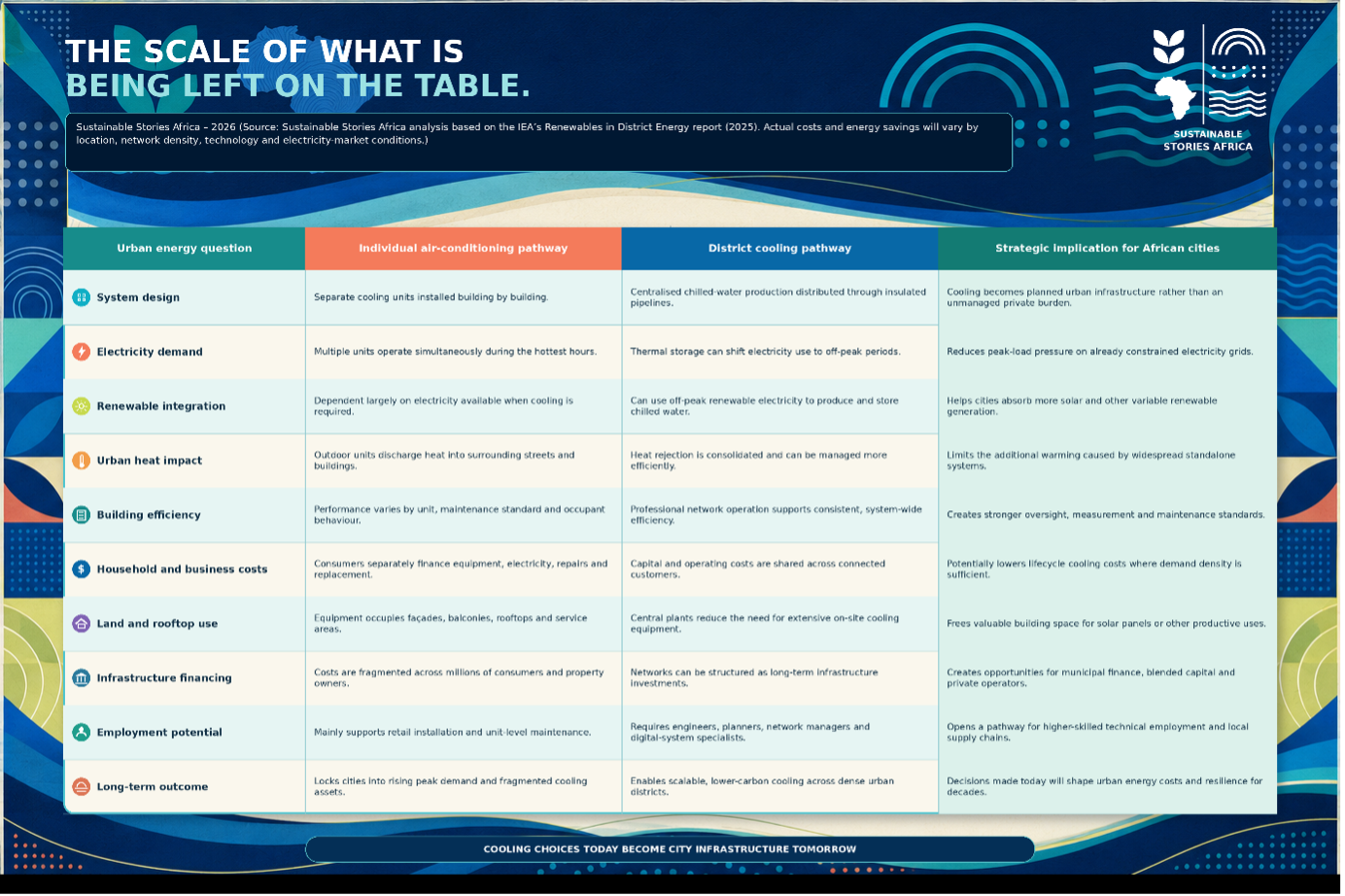
The Scale of What Is Being Left on the Table
The IEA's Renewables in District Energy report identifies untapped markets, those with minimal existing infrastructure but strong long-term drivers such as density, emissions targets, and renewable access, as the biggest global growth opportunity, with Africa squarely positioned within this category.
The case is compelling: over 3 billion people worldwide live in dense urban centres needing cooling, with 700 million requiring both heating and cooling.
Much of this demand concentrates in Sub-Saharan Africa, North Africa, and the Middle East regions facing rising temperatures, rapid urbanisation, and grids ill-equipped for the surge in demand that decentralised air conditioning would bring.
Proven models validate the approach: Dubai operates 90 cooling plants across 1,700 buildings, Singapore runs 246 MW across 23 buildings, and Barcelona uses waste-to-energy and seawater cooling, demonstrating that centralised renewable cooling is commercially viable and operationally sound under sound governance.
Three Structural Challenges Africa Must Overcome
The IEA identifies three main challenges preventing district energy deployment in untapped and emerging markets, all three of which apply directly to Africa:
Challenge 1: Limited long-term policy and regulatory support.
- Most African countries lack national heating and cooling strategies, district energy planning obligations, or renewable energy competitiveness measures specific to thermal systems. Without these frameworks, investor confidence remains low, and supply chains fail to develop.
Challenge 2: Inadequate infrastructure development.
- District energy networks require substantial upfront capital investment, and without public feasibility studies, pilot projects, and blended financing mechanisms, private capital will not flow at the scale required.
- The IEA cites Washington State's Supporting Thermal Energy Networks Act and Illinois' Clean and Reliable Grid Affordability Act as examples of how public infrastructure funding can de-risk pilot project development, a model directly applicable to African development finance institutions.
Challenge 3: Underdeveloped labour markets.
- Installing, operating and maintaining district energy networks requires specialised skills across engineering, planning, network management and digital systems.
- Africa's relatively underdeveloped technical capacity in this domain is a real constraint, but it is also a workforce development opportunity.
- The IEA cites Canada's Sustainable Jobs Training Fund and the DHC Academy as models for combining renewable energy upskilling with labour market development.
What African Cities Could Look Like With Smart District Cooling
Imagine Nairobi's Westlands commercial district in 2035, with a district cooling network powered by solar-generated chilled water stored overnight in thermal tanks, eliminating the peak electricity surge of 50,000 individual air-conditioning units, reducing per-building cooling costs by 30%, and freeing rooftop space for solar generation.
Imagine a new development corridor in Kigali where green building standards mandate low-temperature district connections from day one, and waste heat from data centres and hospitals is captured and redistributed.
Imagine Casablanca or Abidjan with seawater-cooled district systems serving dense commercial waterfronts at a fraction of the grid impact of conventional cooling.
These are not aspirations. They are engineering propositions that the IEA's data already supports as technically and economically viable, under the right conditions. The conditions are largely policy-driven. That means they are within Africa's control.
Countries that move first on district energy planning will attract the financing, technical partnerships and greenfield development capital that currently flows overwhelmingly to Northern Europe.
African Association countries in the IEA system, such as Egypt, Kenya, Morocco, Senegal and South Africa, are particularly well-placed to initiate this shift through their existing IEA engagement channels.
A Seven-Point Policy Agenda for African District Cooling Leadership
This is not a call for more reports. It is a call for specific action:
National Cooling Action Plans:
- Every African country with significant urban cooling demand, including Nigeria, Ghana, Kenya, Egypt, Ethiopia, Morocco, and South Africa, should develop a national cooling strategy that explicitly includes district cooling as a priority technology pathway, following India's National Cooling Action Plan model
Urban district cooling zoning:
- Metropolitan planning authorities should designate district cooling development zones in high-density commercial and mixed-use areas, creating the demand aggregation that makes district cooling bankable
African Development Bank pilot financing:
- AfDB must establish a dedicated district energy pilot project fund, modelling the EBRD's role in Eastern European district heating modernisation, to co-finance feasibility studies and first projects in at least five African cities by 2030
Building code reform:
- New commercial building codes must mandate connection-readiness for district cooling systems in designated urban zones, preventing the lock-in of incompatible individual cooling equipment
Electricity tariff reform for thermal systems:
- Regulators must design time-of-use tariffs that allow district cooling systems using thermal storage to charge overnight on cheap renewable power, the single most impactful regulatory change to accelerate deployment.
Labour market investment:
- African universities and TVET institutions must introduce district energy engineering and planning curricula, supported by international knowledge transfer from European and Asian operators
IEA data integration:
- African governments should engage the IEA to expand the World Energy Balances data coverage to include African district energy potential assessments, making the continent visible in the next generation of global district energy analysis
Path Forward – Africa's Urban Climate Ambition Needs Thermal Infrastructure
The Time to Plan Is Before the Proliferation, Not After
The IEA's message is clear: Africa's greatest opportunity lies in greenfield district energy design, planning networks from the outset for low-temperature operation, renewable integration, and thermal storage.
That advantage is eroding fast, with every building built without district-ready infrastructure and every national cooling strategy being delayed.
With the roadmap in hand, African governments, development banks, and planners now have both evidence and mandate.
The next five years of infrastructure decisions will shape whether African cities grow into resilience or lock in decline.
Cooling the future with clean, efficient, shared systems, or inheriting the grid stress, emissions and the costs of the fragmented alternative.