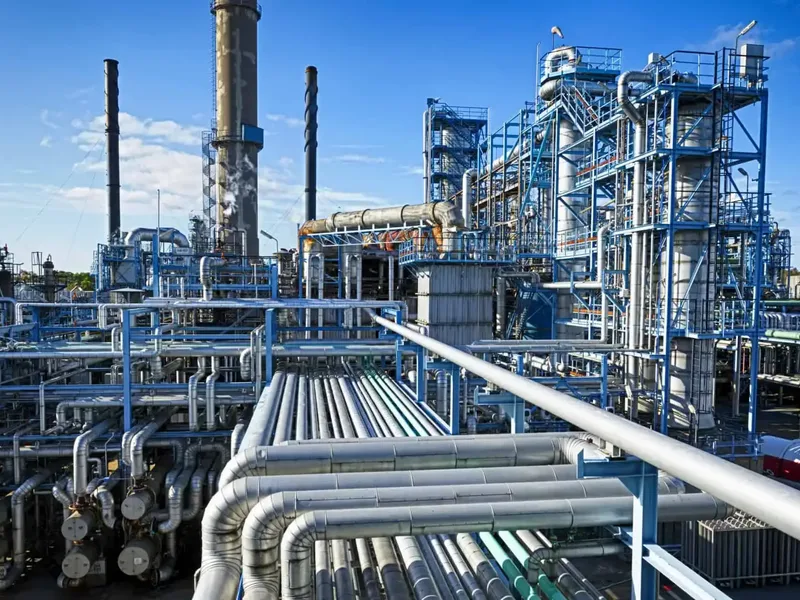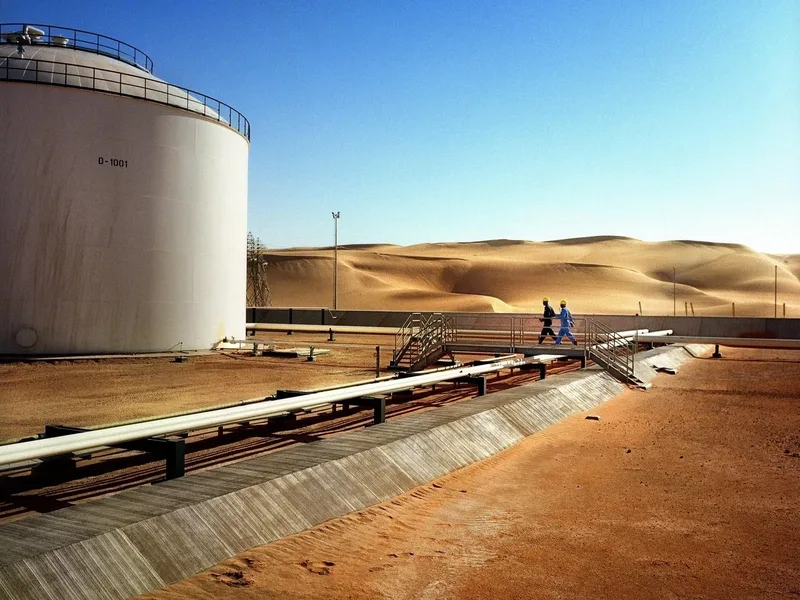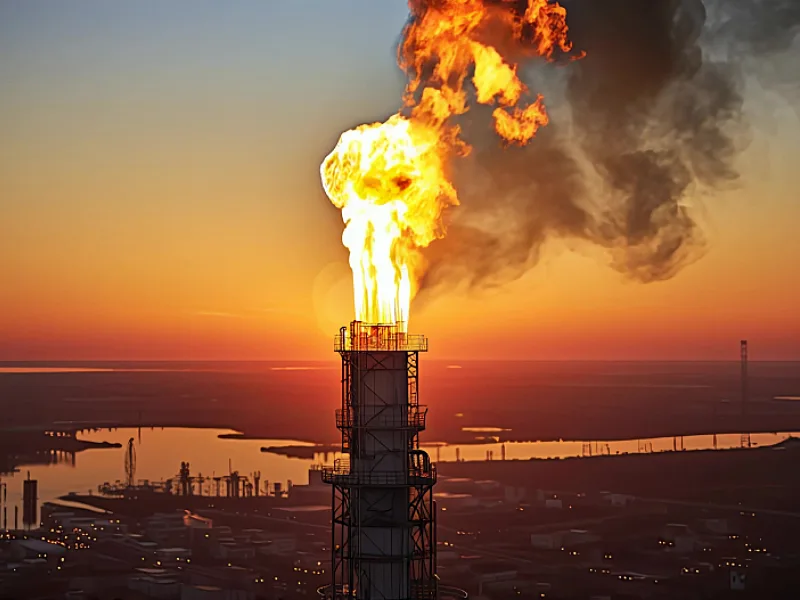
A Clean Air Task Force and Climate and Clean Air Coalition programme is helping up to 20 developing-country governments close gaps in methane regulation in fossil fuel production.
The stakes are immediate: cleaner air, stronger enforcement, fewer wasted resources and faster climate gains before 2030.
Methane Rules Move From Promise To Practice
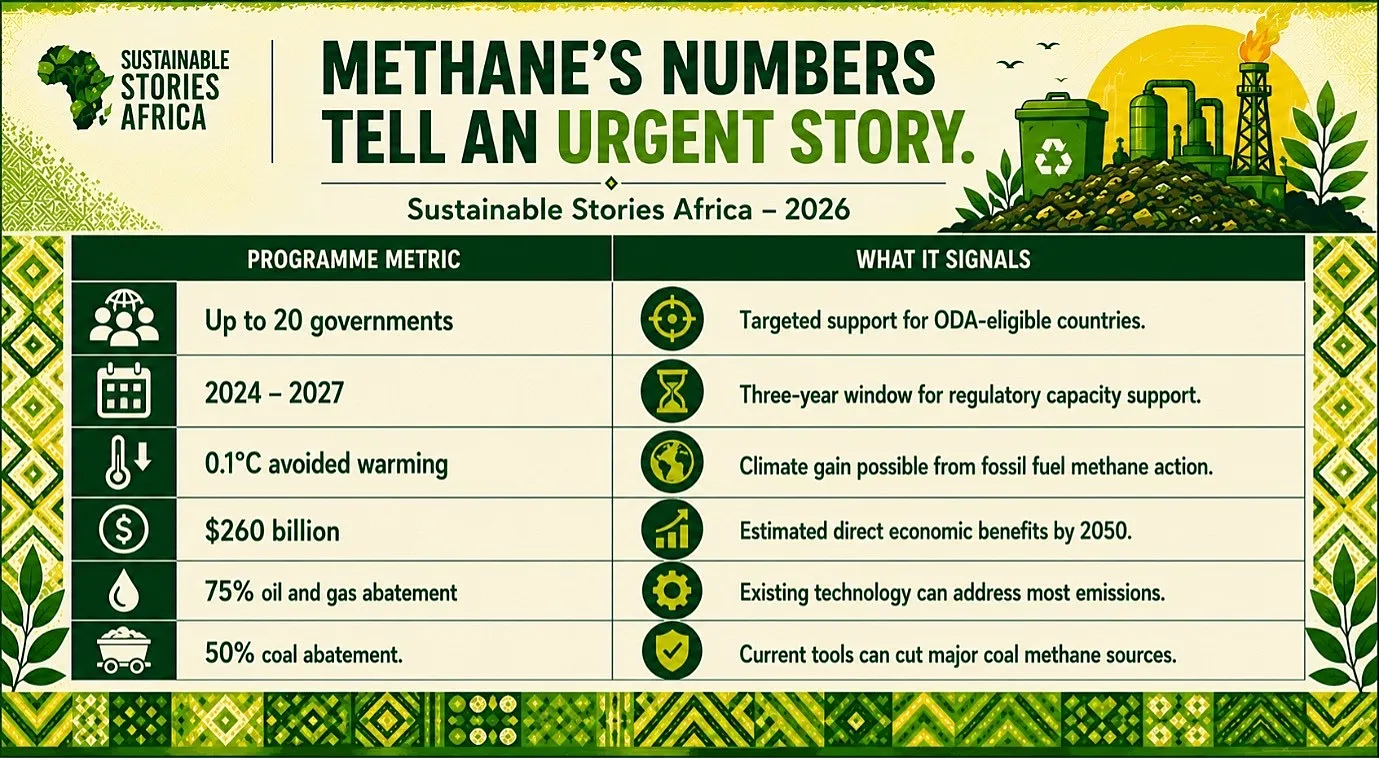
The Clean Air Task Force and Climate and Clean Air Coalition are scaling a Fossil Fuel Regulatory Programme designed to support up to 20 official development assistance-eligible governments between 2024 and 2027 with methane regulation, capacity building, MRV systems and compliance support.
The programme is not designed to fund fossil fuel expansion or provide direct private-sector support.
Its purpose is regulatory: helping governments build the rules, tools, task teams and enforcement systems needed to reduce methane emissions from oil, gas and coal operations.
Methane’s Numbers Tell An Urgent Story
The programme’s headline numbers are stark. Targeted fossil fuel methane abatement could avoid up to 0.1°C of warming by 2050 under higher fossil fuel demand scenarios.
It could also prevent nearly one million premature deaths linked to ozone exposure, avoid 90 million tonnes of crop losses, reduce about 85 billion hours of heat-related lost labour, and generate roughly $260 billion in direct economic benefits by 2050.
For African markets, these are not distant climate statistics. They connect to farmers losing yields under heat stress, oil-producing communities exposed to pollution, regulators struggling with weak monitoring systems, and governments trying to turn climate commitments into enforceable law.
The programme’s central argument is simple: pledges do not cut methane unless countries can measure emissions, identify major sources, write practical rules, enforce compliance and track progress over time.
Policy Gaps Are Now Climate Risks
CATF and CCAC describe the programme as a response to a global regulatory gap: two-thirds of top methane emitters in the energy sector still face policy and regulatory weaknesses. That matters because fossil fuel methane is often technically abatable, especially in oil and gas.
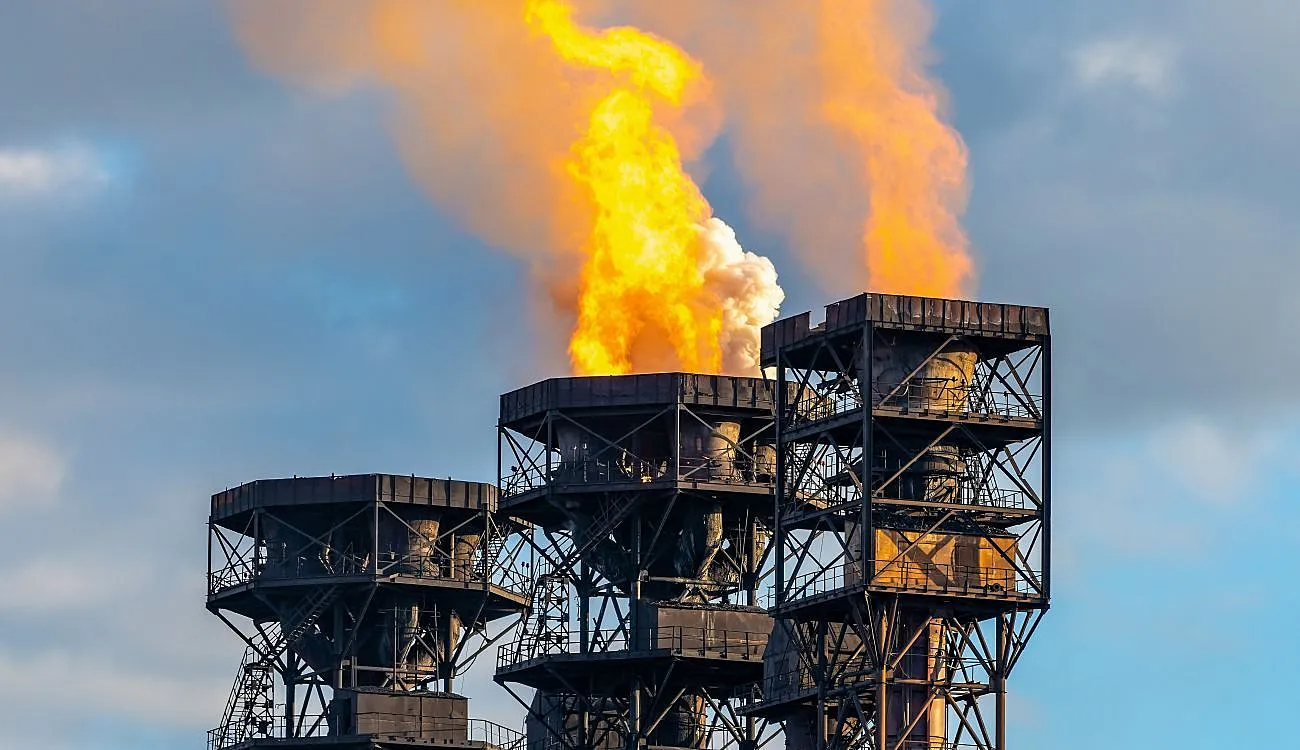
More than 75% of methane emissions from oil and gas operations, and about half of emissions from coal today, can be abated with existing technology, often at low cost.
This includes leak detection and repair, equipment upgrades, venting restrictions, improved reporting systems, remote sensing, and coal mine methane capture or mitigation.
For countries with oil and gas infrastructure, methane regulation is also a governance test.
- A leak is not only an environmental event; it is lost product, lost revenue, weak oversight and often a public health burden.
For coal-producing countries;
- Methane mitigation links climate action with mine safety and operational discipline.
Nigeria Shows The Implementation Frontier
Nigeria is presented in the programme one-pager as a case study for fossil fuel methane regulation. In 2018, the country developed a National Action Plan to Reduce Short-Lived Climate Pollutants, identifying measures to cut methane emissions from oil and gas by 50% by 2030.
Nigeria also set a conditional target to reduce fugitive methane emissions from oil and gas by 60% by 2031, alongside quantified health and economic co-benefits.
In 2022, the Nigerian Upstream Petroleum Regulatory Commission adopted the methane guidelines.
The next challenge is enforcement. CATF and CCAC are working with Nigeria to implement and enforce the regulations, support the reduction through methane management projects in agriculture and waste, and assist with NDC enhancement ahead of the 2025 update.
For African policymakers,
- Nigeria’s example is important because it shows the gap between ambition and delivery. Targets create direction.
- Guidelines create structure.
However, monitoring, enforcement, regulator capacity and credible data determine whether emissions actually fall.
A Six-Step Route To Methane Action
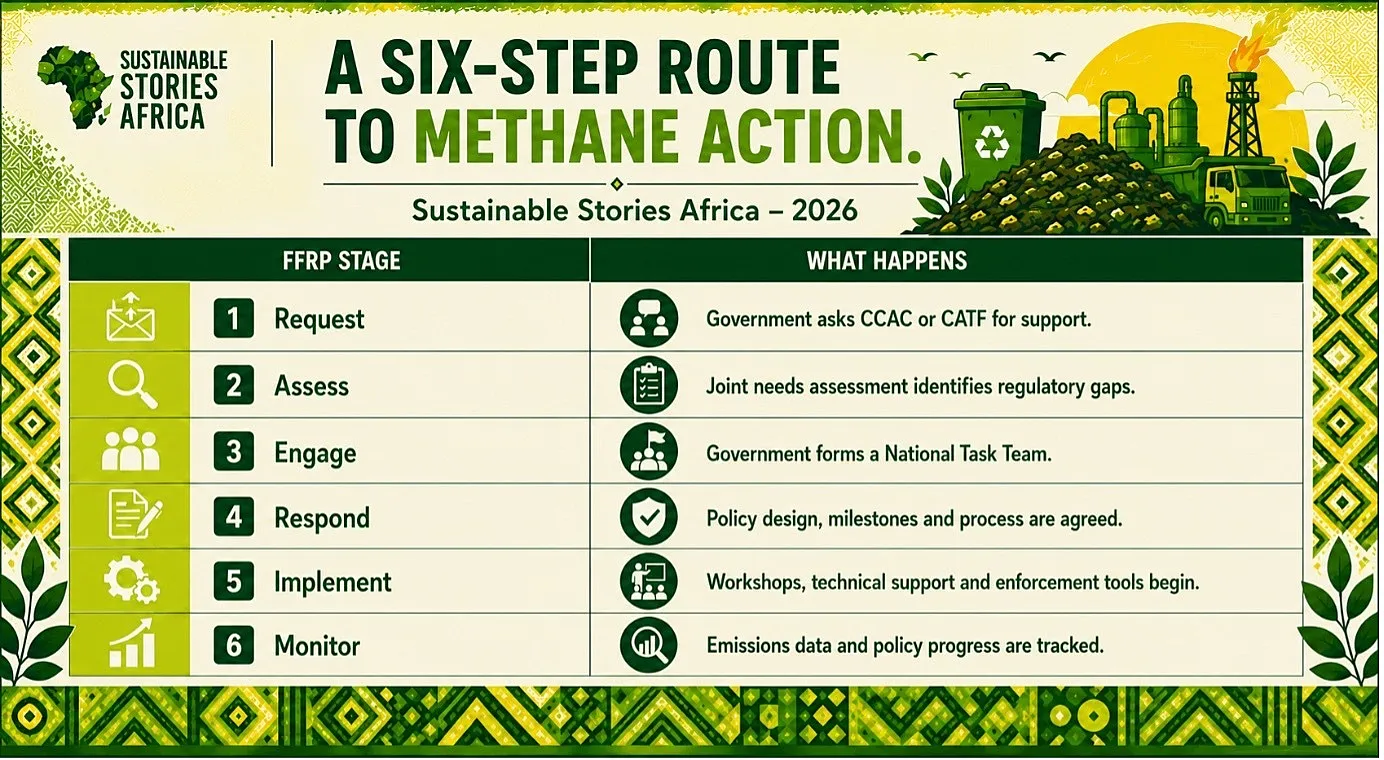
The programme’s operating model is designed as a quick response mechanism. A government can request support from CCAC or CATF at any time.
CCAC and CATF then conduct a needs assessment with the government, after which the country forms a National Task Team for fossil fuel methane mitigation.
That task team works with CATF and CCAC to determine policy design, timelines, milestones and implementation support.
The programme then provides workshops, technical assistance, reporting guidance, enforcement design and ongoing support. Monitoring remains continuous.
This is where the programme moves beyond advocacy.
It gives governments access to technical experts, international networks, financial institutions and in-house tools, including the Country Methane Abatement Tool (CoMAT).
Better Regulation Can Deliver Public Value
The development case for methane regulation is powerful because the benefits are tangible.
- Cleaner air improves health
- Reduced ozone damage protects crops.
- Lower heat exposure preserves labour productivity.
- Captured gas can reduce waste.
- Stronger MRV improves investor confidence.
On the other hand:
- For citizens, methane action can mean fewer pollution burdens near production sites.
- For farmers, it can mean reduced crop losses linked to ozone and heat.
- For governments, it can mean better climate credibility and stronger institutional capacity.
- For companies, it can mean fewer leaks, cleaner operations and reduced exposure to ESG scrutiny.
The programme also creates a bridge between climate diplomacy and national implementation. The Global Methane Pledge set the international direction: reduce global methane emissions by at least 30% from 2020 levels by 2030.
The FFRP focuses on the harder question: how governments actually build the rulebook to get there.
Governments Must Now Build Enforcement Capacity
The immediate action agenda is clear.
Governments need national methane inventories, sector-specific abatement assessments, and regulations that apply to oil, gas and coal facilities.
- They also need MRV systems that are credible enough to support enforcement and transparent enough to build public trust.
Regulators should require leak detection and repair programmes, clear reporting obligations, restrictions on routine venting, and compliance systems that make methane performance visible.
- Where satellite and remote-sensing tools are available, they should support inspections and policy decisions, not sit outside the regulatory process.
Companies should prepare for a future in which methane emissions are measured, compared and scrutinised.
Boards should ask whether methane risk is covered in enterprise risk management, capital allocation, operational maintenance and sustainability reporting.
Financial institutions also have a role.
- They can support methane abatement by linking finance to credible emissions reduction plans, verified reporting and regulatory compliance.
In emerging markets, this could make methane mitigation part of a wider climate-finance architecture rather than a narrow technical project.
Path Forward – For Fossil Fuel Accountability
Africa’s methane opportunity is immediate: build inventories, close policy gaps, enforce rules and use technology to find emissions faster.
The FFRP points to a practical climate pathway: not new fossil fuel expansion, but stronger regulation of existing operations.
If governments act now, methane cuts can protect health, crops, labour productivity and climate credibility.