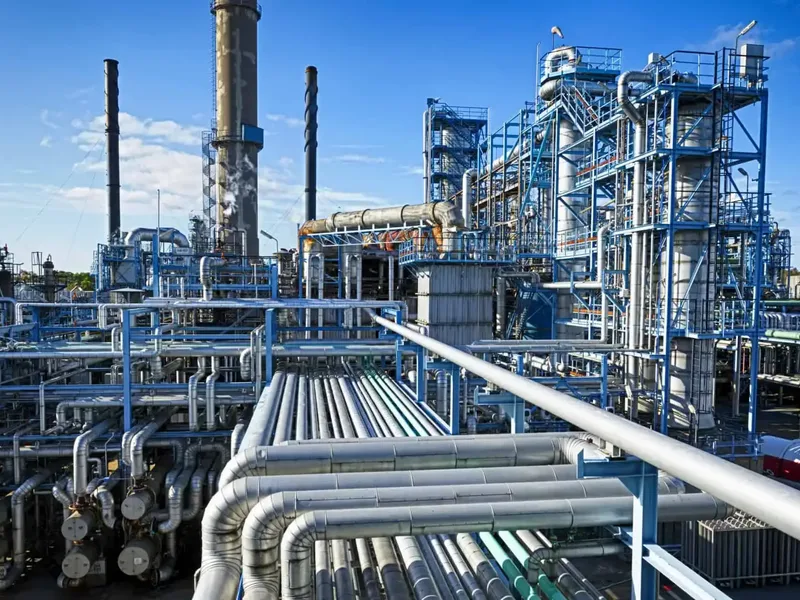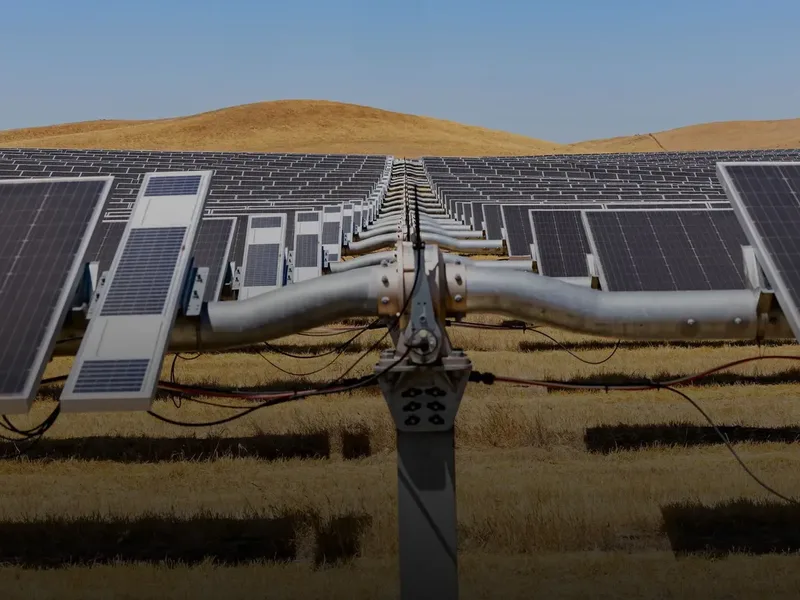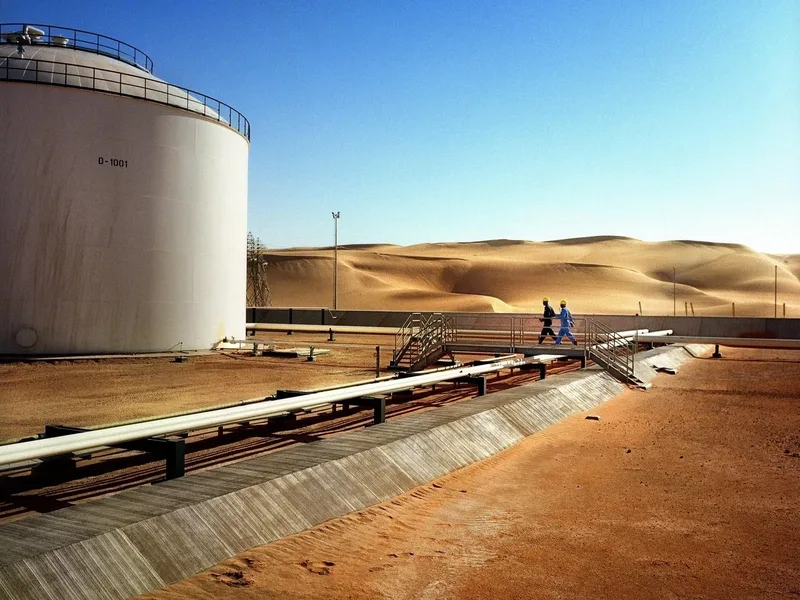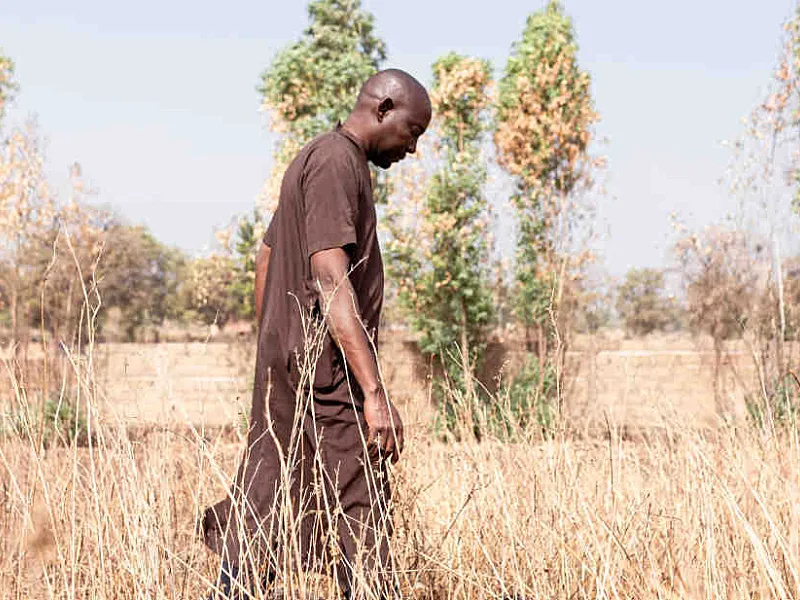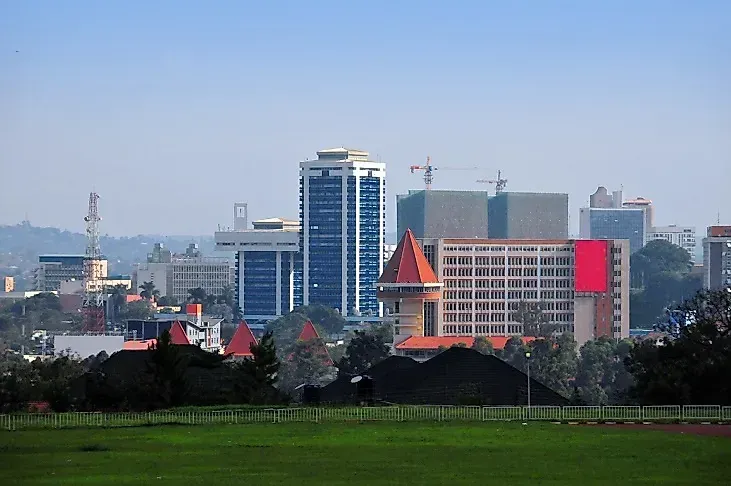
Uganda enters its oil era with strong growth and controlled inflation, but the fiscal room needed to turn expansion into broad development is narrowing.
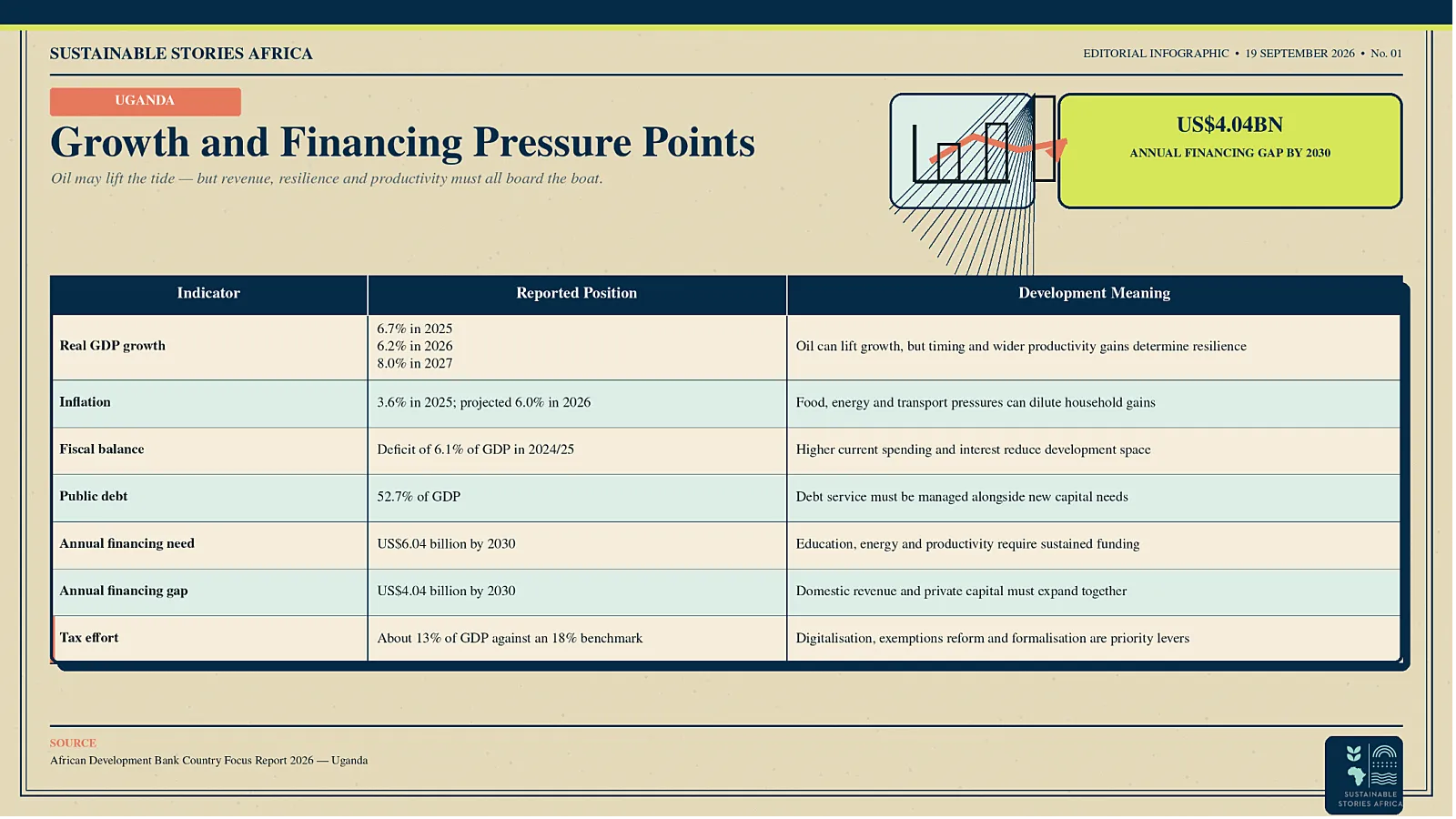
The African Development Bank estimates an annual financing gap of $4.04 billion by 2030. Closing it will require stronger revenue collection, better investment choices and deeper long-term capital markets.
Growth Strengthens as Financing Pressures Deepen
Uganda’s economy expanded by 6.7% in 2025, up from 6.0% in 2024, as services and industry offset weaker crop production.
The African Development Bank expects growth to ease to 6.2% in 2026 before rising to 8.0% in 2027, when oil production and an agricultural recovery are expected to add momentum.
- For an economy seeking faster structural transformation, those numbers create a rare opening.
The opening is not self-executing.
- Consumption already represents about 80% of gross domestic product, the fiscal deficit widened to 6.1% of GDP in 2024/25, and public debt reached 52.7% of GDP.
- Interest payments and current spending are taking resources that could otherwise fund energy, education, transport and productivity-enhancing investment.
The central question therefore is whether Uganda can convert a commodity-led acceleration into a broader financing system.
- Oil receipts may improve the resource envelope, but durable development will depend on tax administration, public investment quality, long-term savings and institutions able to direct capital toward productive sectors.
Oil Production Raises the Growth Ceiling
The headline forecast is striking:
- Real GDP growth could reach 8.0% in 2027.
- That would exceed the 2025 rate by 1.3 percentage points and reflect the expected start of oil production. Yet the forecast is conditional.
Delays to oil projects, Middle East conflict, higher energy prices and unpredictable weather could reduce output or raise costs before the expected gains reach households.
Inflation remained relatively contained at 3.6% in 2025, but the report projects 6.0% in 2026 before a moderation to 4.5% in 2027.
- That path matters because food, transport and energy costs affect poorer households first.
High growth, followed by higher living costs or limited job creation, would weaken social value expansion.
Strong Numbers Mask Fiscal and Social Strain
The financing constraint is large even beside Uganda’s growth rate.
- Annual development financing needs are estimated at $6.04 billion by 2030, equal to about 9% of GDP, while the annual gap is about US$4.04 billion.
- Education alone accounts for $3.22 billion of the requirement.
- Energy and productivity also face material gaps, limiting the infrastructure, skills and industrial capacity needed to turn output growth into better work and higher incomes.
Domestic revenue remains the most immediate lever.
- Uganda’s tax-to-GDP ratio is about 13%, below the report’s 18% benchmark for supporting development objectives.
- Digital tools such as the Electronic Fiscal Receipting and Invoicing Solution and digital tax stamps have improved visibility, but informality, exemptions, weak compliance and a narrow base continue to limit tax productivity.
Financial depth is the second constraint.
- Shallow capital markets, modest long-term savings and underdeveloped pension and insurance sectors make it difficult to fund projects with long construction and payback periods.
- Banks can provide working capital, but structural transformation requires patient finance aligned with infrastructure, agro-industry, energy and technology.
Uganda’s future oil revenue can improve this position only if it is separated from short-term spending pressure.
- A credible framework would publish production, revenue, transfers, investment returns and withdrawals; coordinate oil income with debt management; and protect budget planning from optimistic price assumptions.
Without those controls, a volatile resource stream could encourage commitments that remain after prices fall.
Long-Term Capital Can Broaden Opportunity
A stronger financing architecture would allow Uganda to protect development spending even when commodity prices or external financing conditions deteriorate.
- Pension and insurance reforms could move more domestic savings into long-dated instruments.
- Better project preparation could give institutional investors clearer pipelines, while blended finance could reduce early-stage risks that private capital cannot absorb alone.
The benefits would extend beyond central government.
- Reliable power, productive transport links and modern agricultural value chains can lower operating costs for firms and connect rural producers to markets.
- Investments in education and skills can help the expanding workforce move from low-productivity activity into formal employment. These outcomes are the real test of the oil dividend.
Revenue Reform Must Convert Growth Into Capacity
Government should accelerate digital tax administration, review exemptions against measurable public benefits and make formalisation easier for small firms.
- Revenue reform should widen participation without imposing compliance costs that drive viable businesses further into informality.
- Publishing tax-expenditure estimates and results would also strengthen accountability.
Public financial management must improve at the same time.
- Stronger appraisal, procurement, execution monitoring and fiscal-risk disclosure would help Uganda obtain more infrastructure and public services from each shilling.
- Oil revenue should be managed within transparent fiscal rules that protect stabilisation and long-term investment objectives.
Regulators and market institutions should deepen local bond, pension and insurance markets, establish investable project standards and expand public-private partnership capacity.
Development partners can provide guarantees, concessional layers and technical assistance, but domestic institutions must retain the ability to select, monitor and disclose projects.
Path Forward – A Practical Financing Path Beyond Oil
Uganda should treat oil as a financing bridge, not the development model itself.
Transparent revenue rules, stronger project selection and deeper domestic capital markets can convert a temporary production gain into lasting public capacity.
Track progress through non-oil revenue, investment execution, jobs, learning outcomes and reliable infrastructure.
Those measures will show whether faster growth is becoming broader resilience.