Industrial AI is no longer a future concept for heavy industry. An IFS-PwC report argues that it is already cutting emissions, trimming costs and turning sustainability from aspiration into an operating discipline.
The harder question is whether companies can scale it responsibly. That depends on trusted data, digital infrastructure, workforce readiness and governance strong enough to ensure AI’s climate gains are real, auditable and durable.
Smarter Systems, Lower Emissions
Industrial AI is moving from the edge of corporate experimentation to the centre of decarbonization strategy.
In The intelligence behind sustainability, a collaboration between IFS and PwC UK, the core argument is clear: AI is becoming a practical tool for cutting emissions in heavy industry not by replacing factories, grids and plants, but by operating them more intelligently.
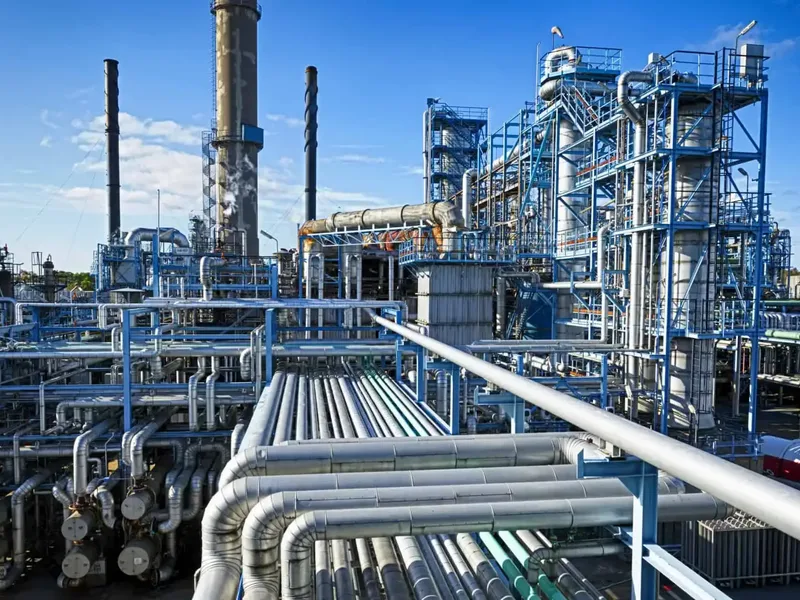
The report lands at a moment of pressure and possibility. It says the world’s eight hard-to-abate sectors account for about 40% of total global greenhouse gas emissions, while much of the infrastructure that will still be running in 2050 was designed decades ago.
That makes optimisation and retrofitting more than technical choices; they are among the fastest routes to near-term emissions cuts.
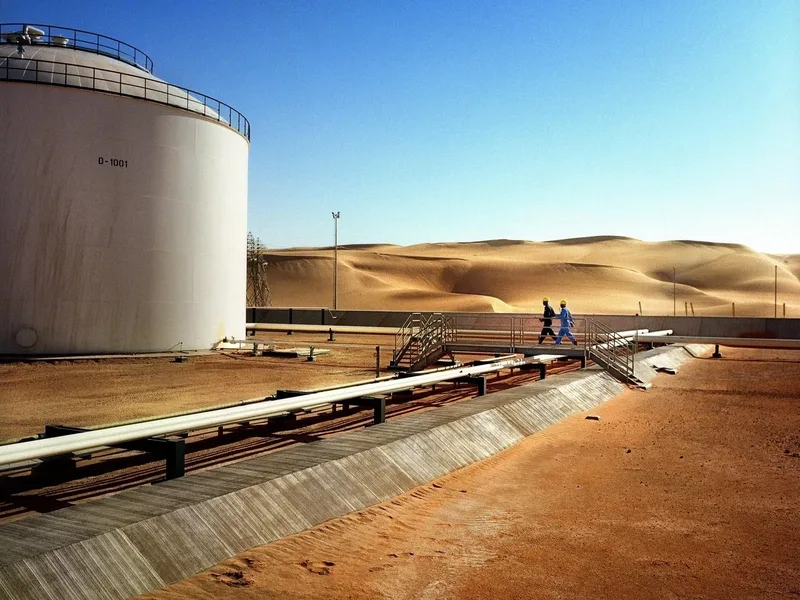
For African and other emerging markets, that point matters. Where capital is limited, industrial assets are long-lived, and low-carbon alternatives are still maturing, the ability to lower emissions through smarter operations rather than wholesale replacement could be commercially and developmentally significant.
The report repeatedly returns to that logic: improve efficiency now, free up capital, and build the evidence base for bigger transition investments later.
The invisible system is already at work
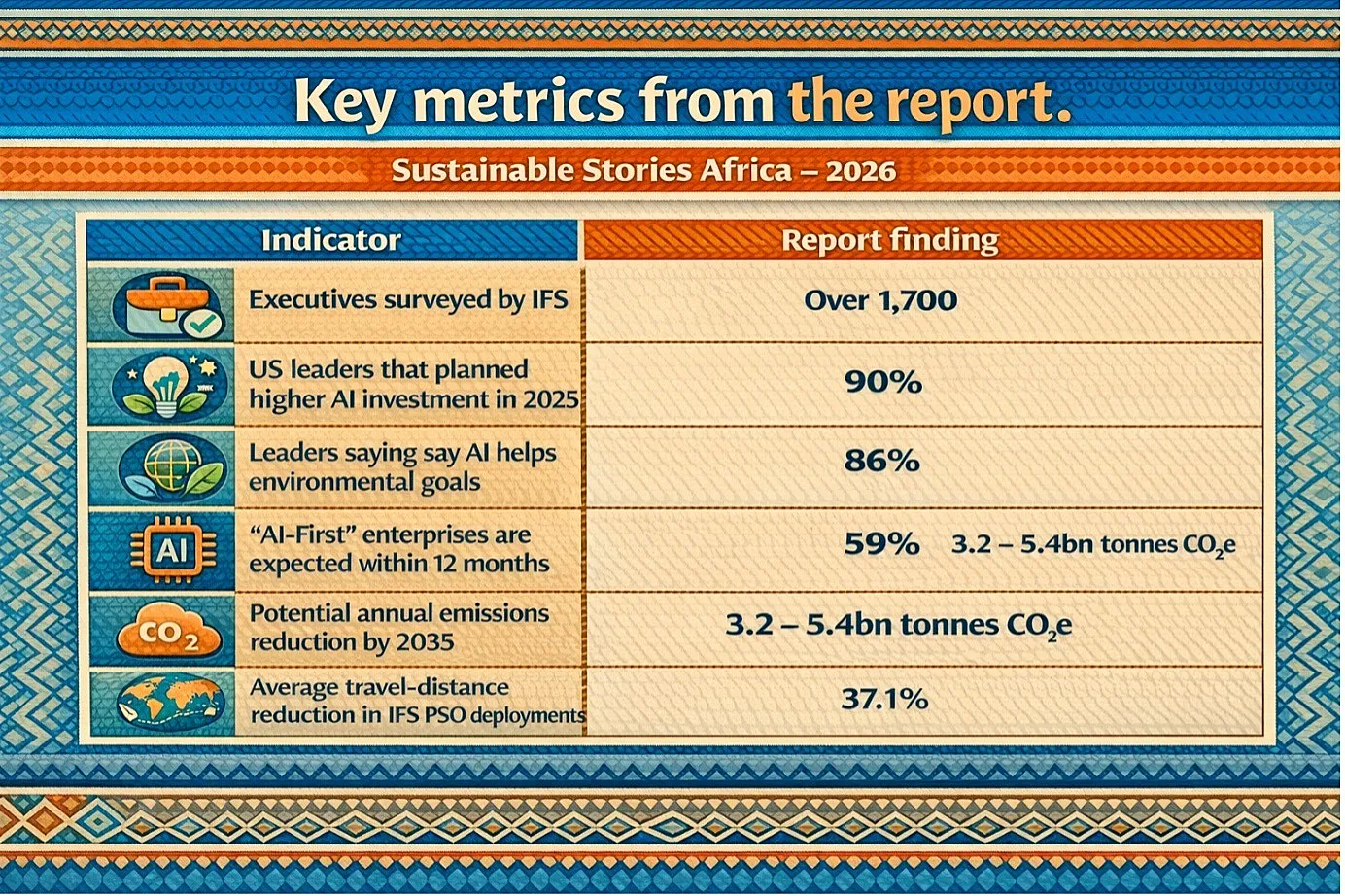
The report’s strongest hook is that the invisible revolution is already underway. Drawing on research across more than 1,700 industrial executives, it says 90% of US leaders will raise AI investment in 2025, while AI-First firms could jump from 32% to 59% within a year.
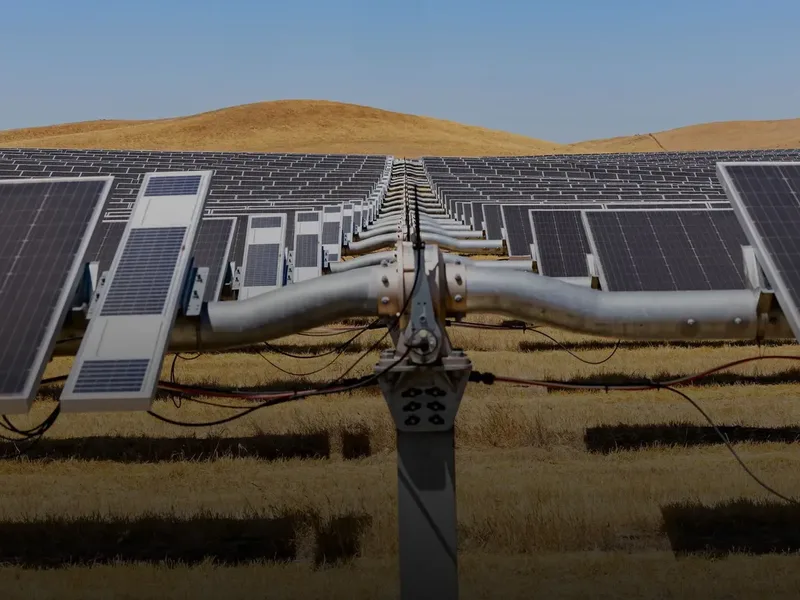
The climate upside is significant. The report says AI applications in power, transport and food could cut global emissions by 3.2 to 5.4 billion tonnes of CO2-equivalent annually by 2035, making AI difficult to dismiss as a side issue.
The business case is clear: less travel, lower fuel use, higher productivity and measurable emissions cuts.
Where the value is being created
The report is strongest when it moves from abstraction to plant-floor reality. It frames industrial AI as a self-learning layer across factories, fleets and grids, using data and machine learning to continue to optimise performance.
That matters in heavy industry, where long asset lives, thin margins and immature technologies slow decarbonisation.
Against that backdrop, the report presents AI not as a substitute for engineering progress, but as an accelerator. Its six uses are practical:
- Planning
- Process optimisation
- Predictive maintenance
- Logistics scheduling
- Low-carbon integration
- Assurance.
The point is straightforward: companies can cut waste and emissions now while larger technology shifts catch up.
The case studies give the argument weight. Endeavour Energy used AI-supported planning to balance reliability, safety, environmental performance and cost across its A$6.7 billion network.
Suzuki Garphyttan is deploying AI-based planning across six countries to raise production while reducing waste and energy use, as carbon-aware scheduling cuts Scope 2 emissions.
The logistics example is concrete. Konica Minolta applied AI-driven scheduling across five national operating companies, serving 430,000 customers, and reported higher field productivity, reduced travel time and a strong return on investment within 18 months. Benchmark data shows smarter routing can reduce travel distance and time at scale.
Predictive maintenance is presented as a mature application. At E.ON, a machine-learning model that forecasts grid equipment failures helped reduce outages, showing that sustainability gains often come through reliability. Fewer breakdowns, fewer emergency repairs and longer asset life mean lower disruption, lower replacement demand and lower emissions intensity over time.
Why this matters beyond the factory gate
The report’s central argument is that industrial AI can align performance with proof, a framing suited to sustainability-focused public-interest reporting.
The same data used to optimise operations can also generate traceable, auditable records for sustainability reporting, at a time when investors, regulators and customers increasingly want evidence rather than estimates.
For African firms, that assurance value may be as important as the efficiency gains. Many companies are being asked to disclose, verify and defend transition claims while still managing fragmented operational data and uneven digital systems.
A tool that can lower emissions, strengthen reporting credibility and additionally has clear strategic appeal.
The page-five chart suggests AI’s sustainability gains are broad-based, with positive effects far outweighing negative ones.
What needs to happen next
The report is clear that AI carries a real energy cost. Rising data and compute demand could sharply increase data-centre electricity use over the next decade. AI’s footprints, without renewable energy sources and efficiency gains aligned with strong governance, could weaken the climate benefits it promises.
The risks are not only environmental. Poor data quality, cyber threats and model drift can undermine outcomes, while the scale of retraining required across critical sectors shows that trust and capability cannot be assumed.
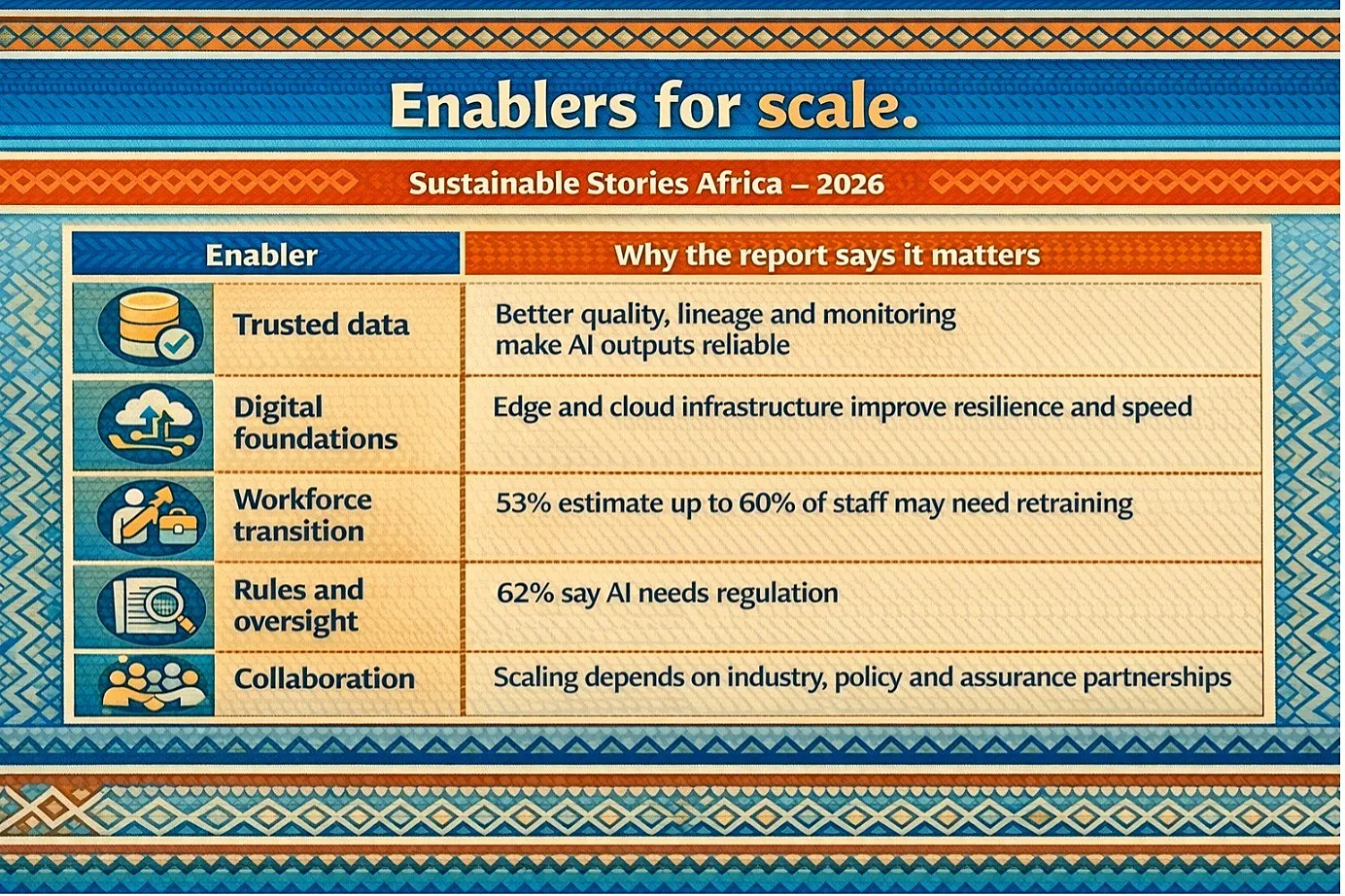
Its prescription is practical: build trusted data, invest in digital foundations, retrain workers, strengthen oversight and coordinate across industry, policymakers, technology providers and assurance partners.
The message is simple: the governance window for industrial AI is urgent, not optional, in Africa.
Path Forward | Make intelligence accountable
Industrial AI is not the whole transition, but this report makes a convincing case that it is becoming part of the operating core. The next task is to turn isolated wins into repeatable systems.
What is being advocated is straightforward: use AI to optimise today’s assets, verify results in real time, and build the data, skills and governance needed for tomorrow’s transition.
In African markets, that could mean faster decarbonization with fewer wasted years and fewer unproven claims.