Nigeria’s energy sector is entering 2026 with stronger reform momentum, a larger project pipeline and clearer signals for investors across power, gas, oil and mining.
However, the outlook is not simply bullish. The larger story is whether regulators, operators and financiers can turn policy activity into stable execution, better infrastructure and investable market confidence.
A pivotal year for energy
Nigeria’s energy sector is no longer moving on one track. It is being reshaped at the same time by electricity decentralisation, gas monetisation, oil licensing, refining bets, mining enforcement and a harder push for compliance and capital discipline. That convergence is what makes 2026 different.
In Nigeria Energy Sector Review: H2 2025 & 2026 Strategic Outlook, the Aluko & Oyebode team sets out a picture of a market that is becoming more active, more layered and more demanding for investors and operators.
The review argues that 2026 will reward strategic positioning, regulatory alignment and execution discipline across power, oil and gas, and mining.
That matters beyond boardrooms. In Nigeria, energy reform shapes household costs, industrial productivity, food systems, transport choices, export earnings, and the pace of lower-carbon infrastructure.
The opportunity remains large. So do the coordination risks.
Reform is accelerating, but complexity is rising too
The most important takeaway from the review is not a single project announcement, but the growing density of change across Nigeria’s power sector.
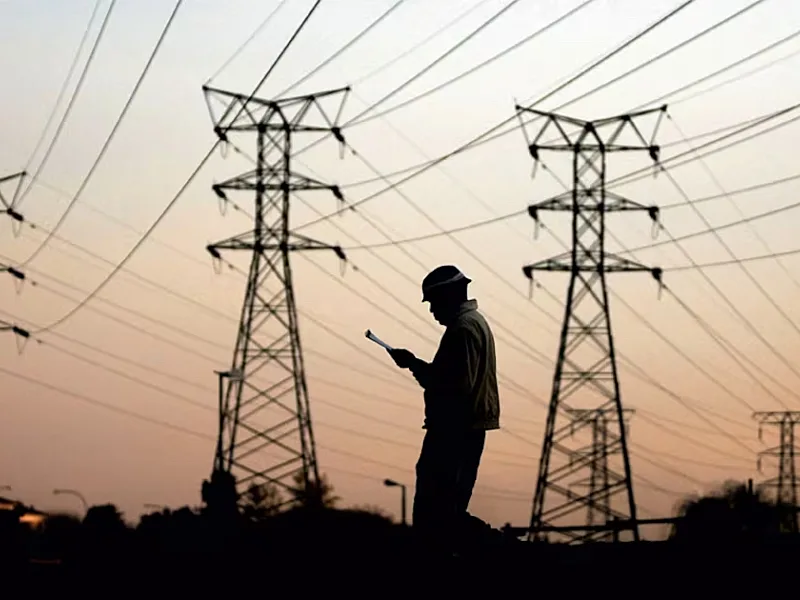
The country is moving deeper into a decentralised electricity market, with more states creating or preparing state-level regulators.
That could open new opportunities in embedded generation, mini-grids and distributed energy, but it also creates a more complex compliance environment for developers and investors.
The review shows that this transition is already creating tension. Osun has moved to establish its own electricity market regulator, joining Edo, Ekiti and Lagos. The tariff dispute between Enugu State’s regulator and NERC has become an early test of how Nigeria’s federal-state electricity framework will function in practice.
The same shift is visible in technical enforcement and market design. NERC is tightening compliance by integrating Free Governor Control rules for GenCos and advancing net billing rules that could reshape the economics of rooftop solar, storage and hybrid power systems.Top of Form
Bottom of Form
Gas, power and mining are pulling capital in different ways
The report suggests that gas remains the strongest bridge between Nigeria’s traditional hydrocarbons base and its transition-era growth story.
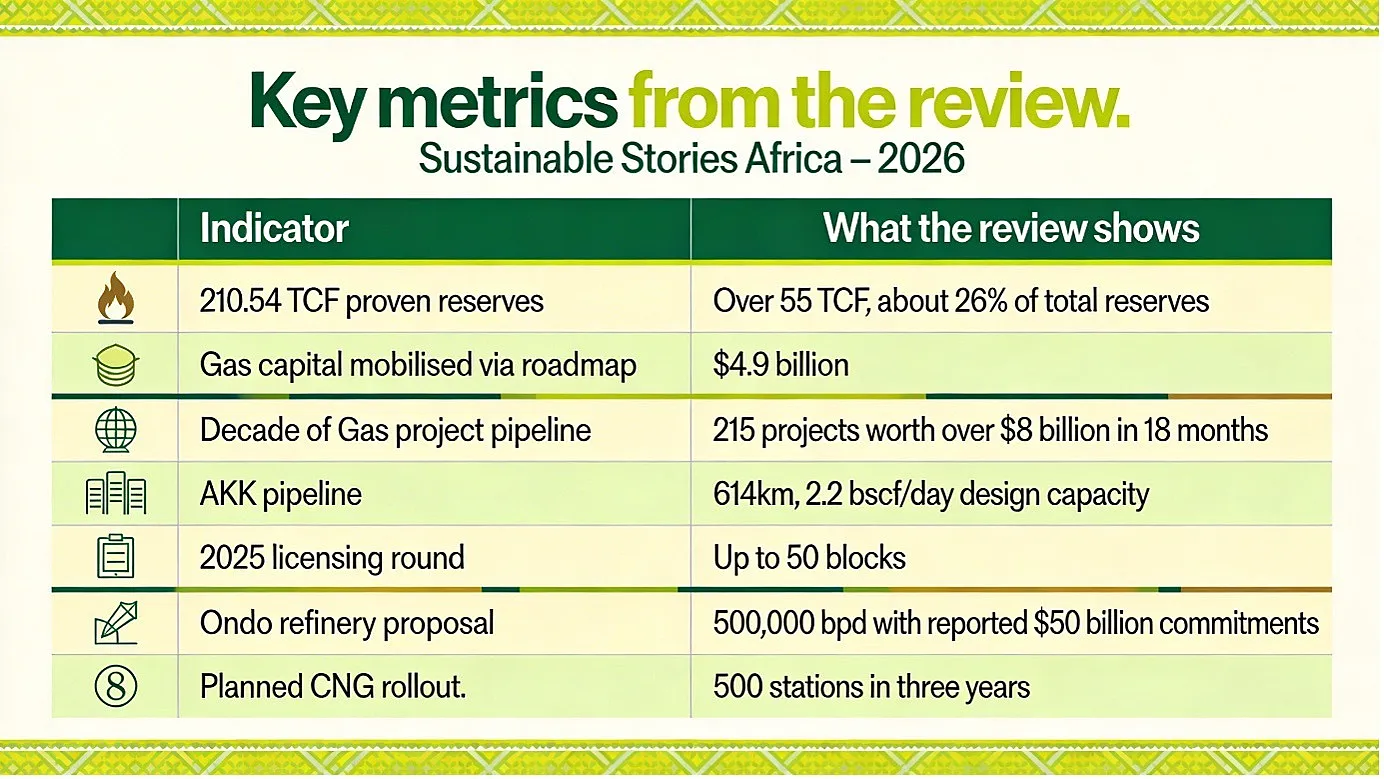
NUPRC’s gas development roadmap puts Nigeria’s proven gas reserves at 210.54 trillion cubic feet, including 109.51 TCF of non-associated gas and 101.03 TCF of associated gas.
The roadmap targets more than 55 TCF of uncommitted gas, or about 26% of total reserves, and the regulator says the initiative has already mobilised $4.9 billion in domestic gas-sector capital expenditure.
Nigeria’s broader Decade of Gas push is gaining scale, but the review suggests execution remains uneven.
It says the country has unlocked more than $8 billion in gas final investment decisions over the past 18 months across 215 strategic upstream and midstream projects, with another $20 billion expected over time.
However, major bottlenecks remain, including weak gas-to-power utilisation, slow uptake of gas in transport and industry, and underexplored offshore basins. Capital is moving, but the wider system is still not functioning as one.
The infrastructure pipeline is significant. NNPC has completed the main line of the 614km Ajaokuta-Kaduna-Kano pipeline, designed to move 2.2 billion standard cubic feet of gas per day.
MDGIF plans 500 CNG stations over three years. The federal government has approved N185 billion in royalty-offset payments to gas producers to unblock stalled projects and reinforce its gas-driven growth strategy.
Policy is shifting, too. The 2025 oil licensing round, now extending into 2026, offers up to 50 blocks with lower signature bonuses and defined financial thresholds, signalling a more pragmatic attempt to widen investor participation.
Large bets such as the Ondo refinery and TotalEnergies’ deeper position in OPL 257 reinforce that momentum, while mining policy is also turning more assertive around local value addition, funding and licence discipline.
What success could unlock
The upside, if these reforms hold, is unusually broad.
A more stable decentralised power market could unlock stronger state-level investment pipelines in mini-grids, rooftop solar, waste-to-energy and distribution upgrades.
The report points to Lagos’s Siemens-linked waste-to-energy push and regulatory transfers in states such as Anambra and Bayelsa as signs of more tailored electricity markets.
A better-functioning gas economy could also strengthen power generation, fertiliser production, manufacturing and transport decarbonisation.
The AKK pipeline, gas trading platform and planned CNG rollout all support that direction.
For investors, the appeal is clear: a larger market, more investable assets, better digitised approvals and reforms increasingly tied to infrastructure delivery.
The review’s core message is that Nigeria still offers substantial opportunities across power, gas and mining.
What has to happen next
The report returns to three core imperatives for 2026:
- Navigating Nigeria’s multi-tier regulatory system
- Securing long-term patient capital and embedding transition
- ESG considerations into project design and financing.
Those are the right tests for the next phase of reform.
For the government, its priority is to reduce regulatory contradiction. Disputes over tariffs, overlapping federal-state oversight and shifting signals around the proposed 15 per cent fuel import duty show how quickly reform credibility can weaken when policy direction is unclear.
For regulators, enforcement and digitisation are essential. For operators and financiers, the message is practical: structure deals around execution risk, not just policy upside. The next returns will depend on grid modernisation, stronger metering, credible partnerships and governance that can hold up in a more active regulatory era.
Path Forward – Reform must become delivery
Nigeria’s energy outlook for 2026 is strongest where reform meets infrastructure, capital and disciplined execution.
The market is opening, but it is also getting more complex.
The next winners will likely be the players who can navigate state and federal regulations, properly price risk, and turn gas, power and mining policy into bankable projects with real operating discipline.