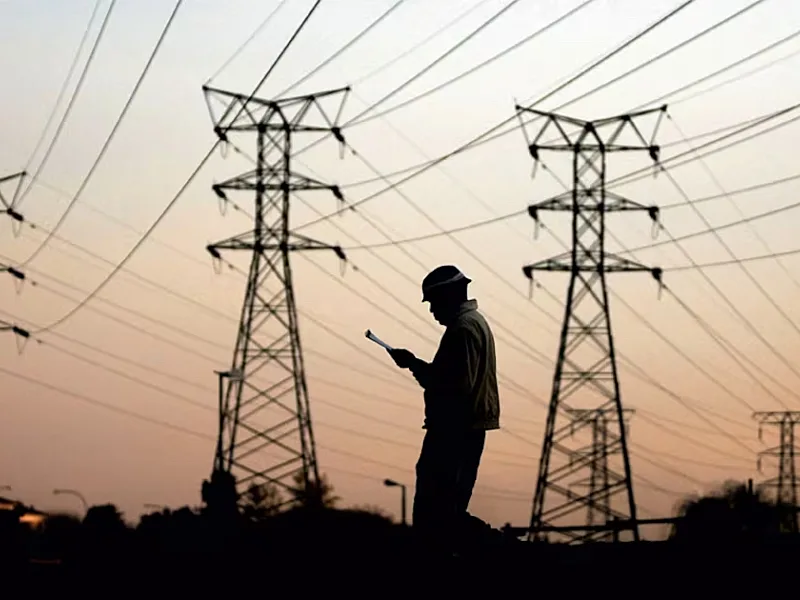
Nigeria's electricity sector installed enough capacity to power itself twice over, yet delivers less than half, even as distributed solar becomes commercially unbeatable without a single subsidy.
Nigeria has between 12,000 and 14,000 MW of installed electricity capacity; however, actual generation rarely tops 5,500 MW, leaving Africa's most populous nation running its power system at roughly a third of potential.
The core question for 2026 is whether reform architecture can finally translate into delivered electricity.
Even as solar capacity remains small by regional standards, it has become the fastest-growing workaround for households and businesses.
A Grid That Runs Half-Empty
Nigeria's power sector sits at a paradox that defines its energy story in 2026: capacity exists on paper, but not on the wire.
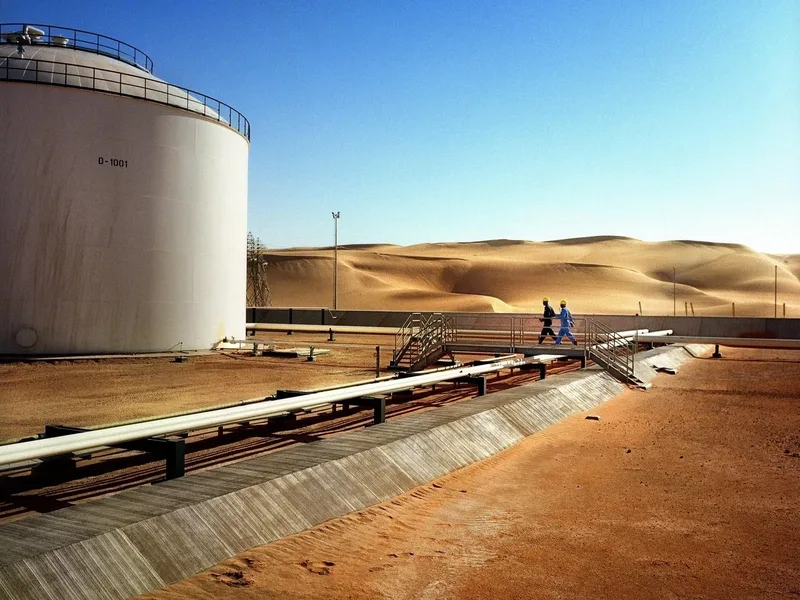
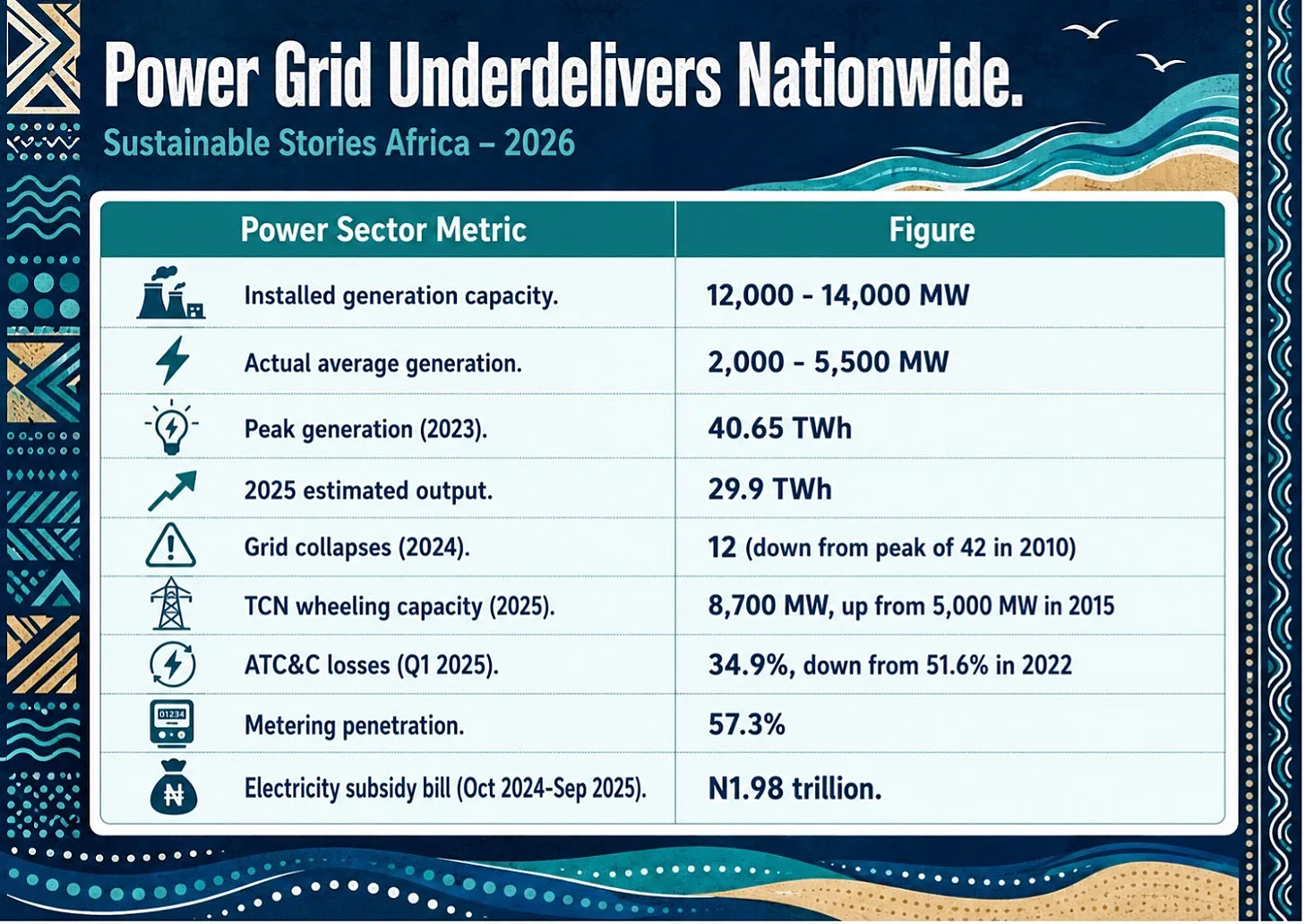
Installed generation capacity is between 12,000 and 14,000 MW. However, actual output has consistently hovered between 2,000 and 5,500 MW, with national electricity generation falling from a peak of 40.65 terawatt-hours (TWh) in 2023 to an estimated 29.9 TWh in 2025.
This report draws on Chapter 2 (Power & Electricity Sector) and Chapter 3 (Renewable Energy) of the Nigeria Energy Industry 2026 report by Businessfront Energy, in partnership with Intelpoint.
The stakes extend well beyond kilowatt-hours. With more than 200 million people and an economy targeting $685 billion in GDP by 2030, unreliable power forces households and businesses to rely on diesel and petrol generators, embedding energy poverty into daily life and eroding industrial competitiveness across Africa's largest economy.
For emerging markets watching Nigeria's Electricity Act 2023 experiment in market decentralisation, the outcome will shape how other gas-rich, grid-poor economies think about energy reform.
What makes 2026 pivotal is the collision of two realities: a centralised grid still failing to deliver, and a decentralised solar market accelerating faster than at any point in the past decade, driven not by policy incentives but by the sheer economics of diesel at over N2,597 per litre.
Power Grid Underdelivers Nationwide
Nigeria's electricity story begins with a jarring statistic: the national grid collapsed 12 times in 2024 alone, even as installed capacity theoretically exceeds that of many mid-sized African economies.
This is not a hardware problem; it is a systems failure rooted in gas supply bottlenecks, ageing distribution infrastructure, and chronic commercial dysfunction across the value chain.
The numbers tell a layered story. Gas-fired generation dominates the mix, supplying roughly 77% of Nigeria's electricity in 2024, while hydro contributes about 23%, and solar plus bioenergy remain marginal at under 1% combined.
Transmission has improved structurally; the Transmission Company of Nigeria's wheeling capacity rose from about 5,000 MW in 2015 to 8,700 MW by 2025; however, this expansion has shifted from rapid capacity addition toward a slower, more technical phase of grid stabilisation.
Distribution remains the system's weakest link. Aggregate technical, commercial and collection (ATC&C) losses stood at 34.9% in the first quarter of 2025, down from 51.6% in 2022 but still meaning that more than a third of electricity delivered generates no revenue.
Metering penetration is only 57.3%, leaving millions of customers on estimated billing, undermining both consumer trust and the cash flow of distribution companies.
The financial consequence has been an electricity subsidy bill of N1.98 trillion between October 2024 and September 2025, reflecting the persistent gap between cost-reflective tariffs and what consumers actually pay.
The Electricity Act 2023 offers a structural response by allowing states to build independent generation, transmission and distribution markets.
Lagos, Rivers, and Akwa Ibom have emerged as early movers, with Lagos alone hosting roughly 1,000 MW of embedded and captive plants across the Alausa, Akute, and Lagos Island IPPs.
Solar's Quiet Cost Advantage
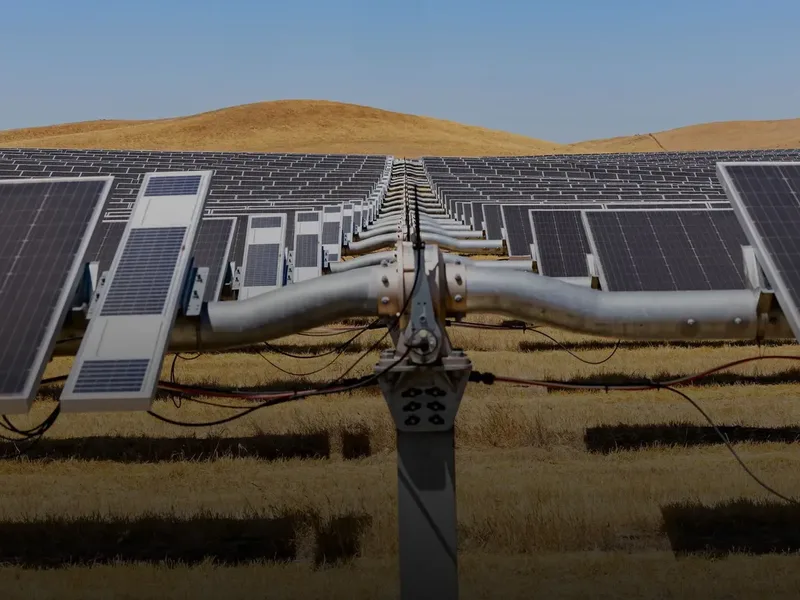
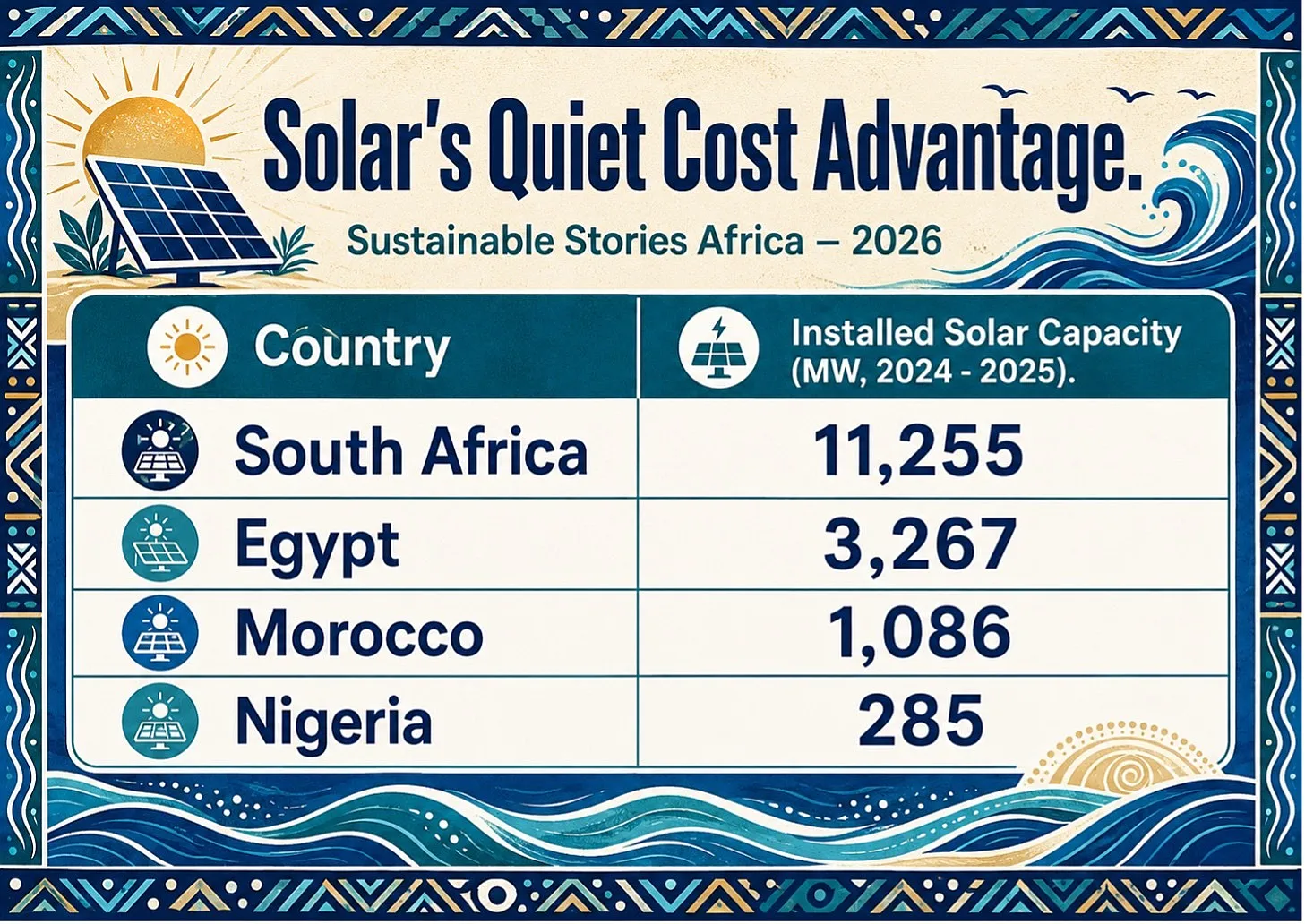
Where the grid falls short, a parallel market has grown almost unnoticed. Nigeria's installed solar capacity climbed from just 21 MW in 2016 to 285 MW by 2025, modest by continental standards; however, the growth rate accelerated sharply after 2019 as diesel and petrol prices surged following the removal of subsidies.
Renewable energy's overall share of Nigeria's installed capacity mix has rebounded to about 21.8% in 2025, recovering from a dip to 16% and 17% between 2016 and 2021 as gas capacity expanded faster than renewables during that period.
The regional gap remains stark. South Africa's solar fleet stands at 11,255 MW and Egypt's at 3,267 MW, dwarfing Nigeria's 285 MW, a difference the report attributes to South Africa's structured Renewable Energy Independent Power Producer Procurement Programme (REIPPPP) auction system versus Nigeria's more fragmented, distributed-solar-led approach.
What has changed is the economics, not the policy.
Post-subsidy diesel prices above ₦2,597 per litre have compressed commercial and industrial solar payback periods to just three to four years, the most significant shift in Nigeria's renewable energy economics in a decade, occurring independent of any government incentive.
Solar home systems now range from N543,400 for 1 kVA entry-level units to between N2.3 and N3.8 million for full-home 5-10 kVA installations, with post-installation electricity costs of N30 - N60 per kWh undercutting generator alternatives decisively.
Financing is scaling this shift: the Bank of Industry has disbursed N22.89 billion in concessional loans to support 29 local manufacturers, and the REA-FCMB renewable facility offers N100 billion in equity and debt for mini-grid start-ups.
What Gets Built If Reform Holds
If the Electricity Act's decentralisation takes root and distribution losses continue to reduce, Nigeria's power sector could shift from a liquidity-starved, subsidy-dependent system toward one in which cost-reflective tariffs fund grid expansion and metering closes the estimated-billing gap.
For renewables, sustained solar growth, layered onto the Rural Electrification Agency's target of 2 million mini-grid-connected households, could turn distributed generation from a stopgap into a genuine parallel power market, particularly for the roughly two-thirds of rural Nigerians still without reliable grid access.
The risk of inaction is equally concrete: continued ATC&C losses near 35% will continue to starve DisCos of the revenue needed for network upgrades, while unmetered billing keeps eroding consumer trust in the formal electricity market.
Every year, the transmission-distribution gap persists, and businesses absorb higher self-generation costs, weakening the competitiveness Nigeria needs to hit its $685 billion 2030 GDP target.
Who Must Act, and How
Policymakers must sustain tariff reform and accelerate metering rollout so DisCos can convert electricity delivered into electricity paid for, directly shrinking the N1.98 trillion subsidy burden.
State governments positioned to use the Electricity Act's decentralisation powers, following Lagos, Rivers, and Akwa Ibom, should fast-track licensing for embedded generation to relieve pressure on the national grid.
Financiers and development institutions need to scale blended-finance vehicles such as the REA-FCMB facility and BOI manufacturing loans, since Nigeria's Energy Transition Plan requires $138 billion by 2040 that public revenue, at just 10% - 11% of GDP, cannot supply alone.
Corporates and industrial consumers, meanwhile, should treat the 3 – 4-year solar payback window as a live investment case rather than a future contingency, given diesel's continued price trajectory.
Path Forward: Execution Over Architecture
Nigeria's power sector reforms are structurally sound; the frameworks, Electricity Act 2023, tariff restructuring, and decentralised markets exist.
What remains is translating legal architecture into delivered megawatts, collected revenue, and bankable renewable projects at scale.
The coming year will test whether state-level electricity markets, expanded metering, and solar's cost advantage compound into measurable reliability gains, or whether execution gaps once again outpace policy ambition.