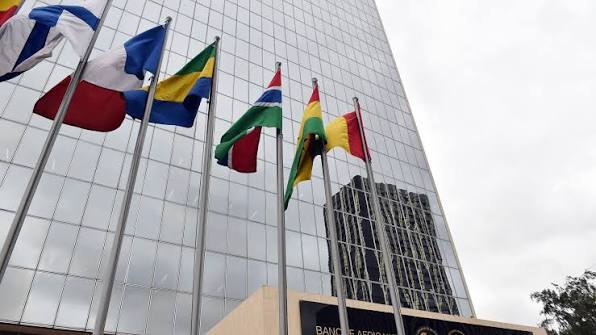
The African Development Bank Group has launched a response plan of up to US$5.1 billion to help African countries absorb energy and fertiliser shocks.
The intervention comes as higher input and transport costs threaten inflation, farm production and government budgets.
Its success will depend on rapid access, transparent targeting and investments that reduce exposure to the next external shock.
A continental response targets linked shocks
The African Development Bank Group has launched a response plan of up to $5.1 billion to help African countries manage energy and fertiliser shocks.
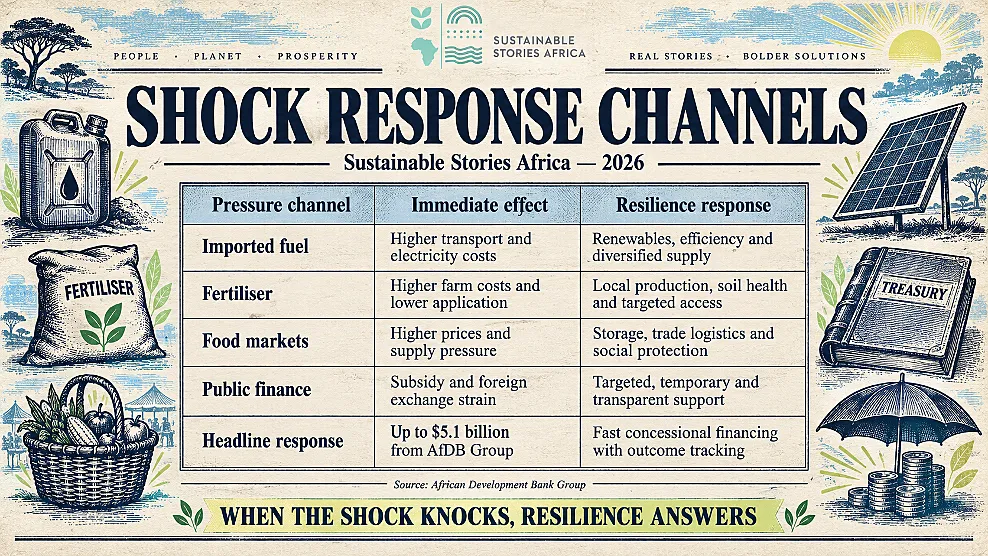
The announcement puts development finance behind an urgent problem: imported fuel and farm inputs can transmit global disruption quickly into transport fares, electricity costs, food prices and public budgets.
The pressures are closely connected.
- Natural gas is an important input for nitrogen fertiliser, while fuel affects production, irrigation, storage and the movement of crops to market.
- When both costs rise together, farmers may reduce planting or fertiliser use, traders pay more to move food, and households face higher prices.
Import dependence magnifies household pressure
Africa's exposure differs by country.
- Oil exporters may receive additional revenue when crude prices rise, but consumers can still face expensive refined products and transport.
- Net importers experience pressure on foreign reserves, currencies and fiscal balances.
- Fertiliser-importing economies face a second channel of risk through agriculture.
The African Development Bank earlier projected continental growth of 4.2% in 2026, down from 4.4% in 2025, amid higher fuel and food costs linked to Middle East disruption.
- It is expected that growth will return to 4.4% in 2027 if the disruption proves temporary.
- A longer shock would place that recovery at risk.
Fast finance can protect productive capacity
A response of this scale can help governments preserve essential imports and protect vulnerable households, but spending quality will matter as much as speed.
- Temporary support should be targeted, time-bound and published clearly so emergency measures do not become costly, open-ended subsidies.
Support for farmers should reach planting seasons on time and favour transparent distribution through credible local channels.
Financing can also protect small firms whose margins are squeezed by power and transport costs.
- Where possible, assistance should keep productive assets operating rather than only compensate losses after they occur.
Resilience must outlast emergency support
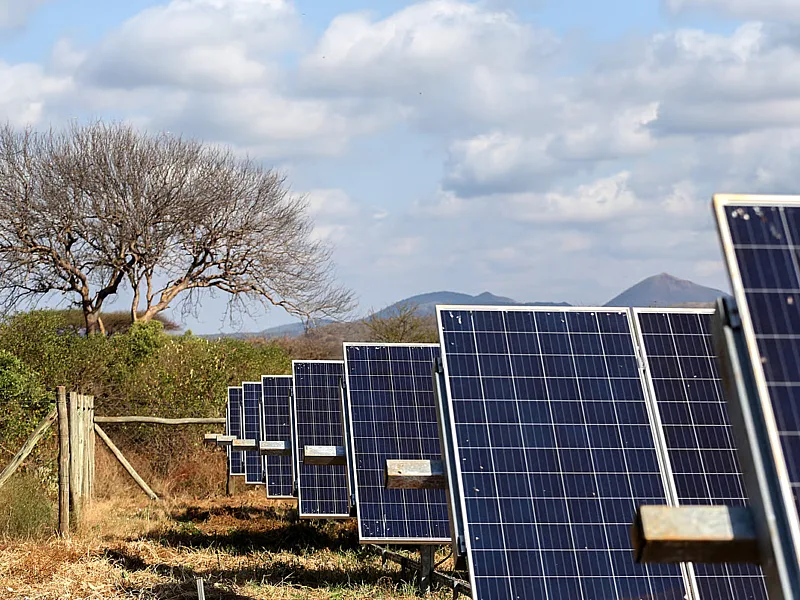
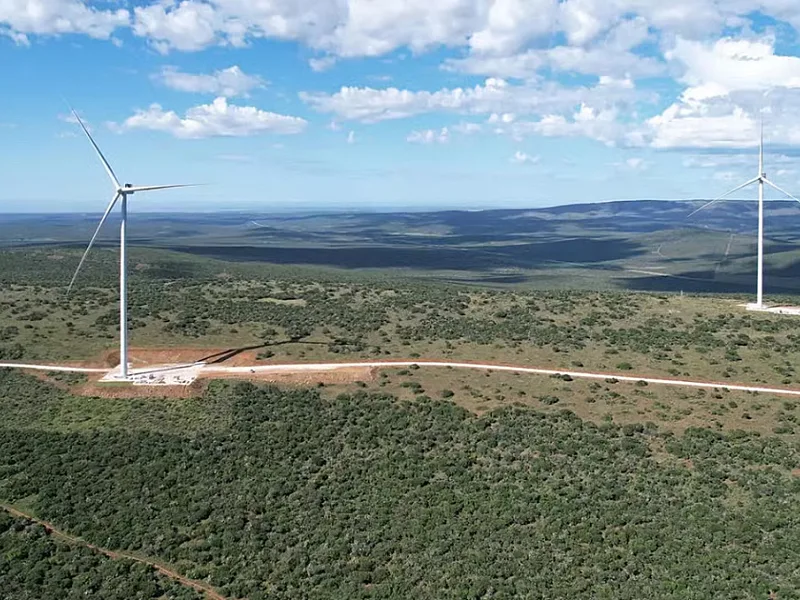
The plan should also reduce structural dependence. Investments in renewable power, efficient transport, local fertiliser production, soil health, storage and regional trade can make future shocks less damaging.
- Countries need procurement systems and social registries capable of moving support quickly without excluding informal workers and smallholders.
Debt conditions require care.
- Many governments have limited fiscal room, so financing terms should match countries' repayment capacity and the public value of each intervention.
The Bank and participating governments should disclose allocations, beneficiaries, disbursement speed and measurable outcomes.
Implementation should reflect different national exposures.
- Landlocked importers may need trade and transport support, farming economies may prioritise fertiliser access, and countries with unreliable grids may require emergency power measures.
- A common continental facility can still use country-specific programmes, provided eligibility rules remain clear, and funding moves before shortages become deeper social and fiscal crises.
Regional coordination can stretch each dollar further.
- Governments can share market information, reduce avoidable border delays and coordinate purchases where joint action improves bargaining power.
- Development finance institutions should also work with local banks so viable farms and businesses receive working capital instead of being displaced by larger borrowers during a liquidity squeeze.
Path Forward – Emergency finance should build lasting resilience
The Bank should prioritise rapid, concessional support for the most exposed countries while requiring transparent targeting and public reporting.
Governments should use the breathing space to expand clean energy, strengthen agricultural input systems and deepen regional supply chains. The test is whether today's protection leaves economies less vulnerable tomorrow.