The European Union will invest about $232 million in Greenland during 2026 and 2027 under a new Global Gateway partnership package.
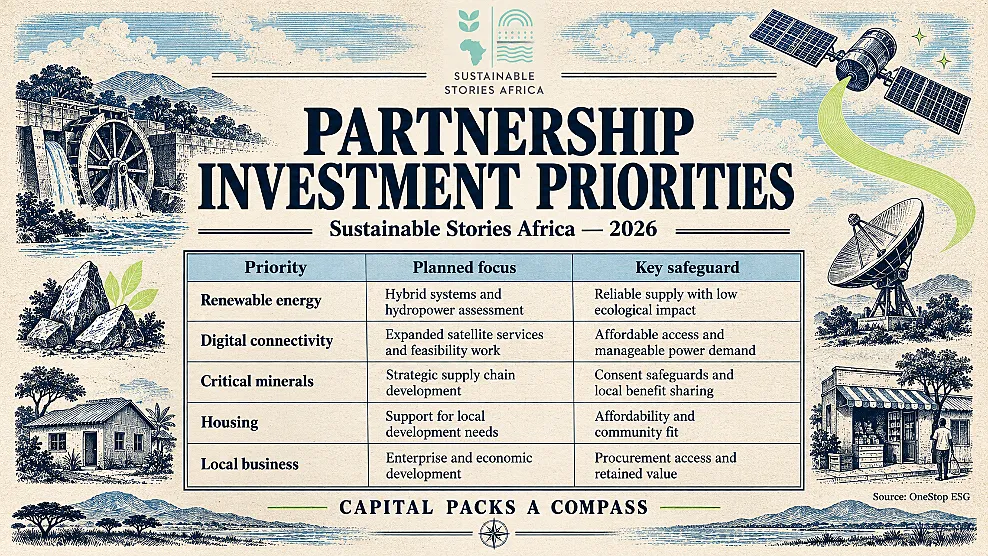
Funding will cover renewable energy, connectivity, critical raw materials, housing and local business development.
The package widens cooperation but also raises governance questions about mining, environmental safeguards and how much economic value remains with Greenlandic communities.
Europe widens its partnership with Greenland
The European Union has committed about $232 million to a new development partnership with Greenland, expanding cooperation into renewable energy, digital connectivity, critical raw materials, housing and local enterprise.
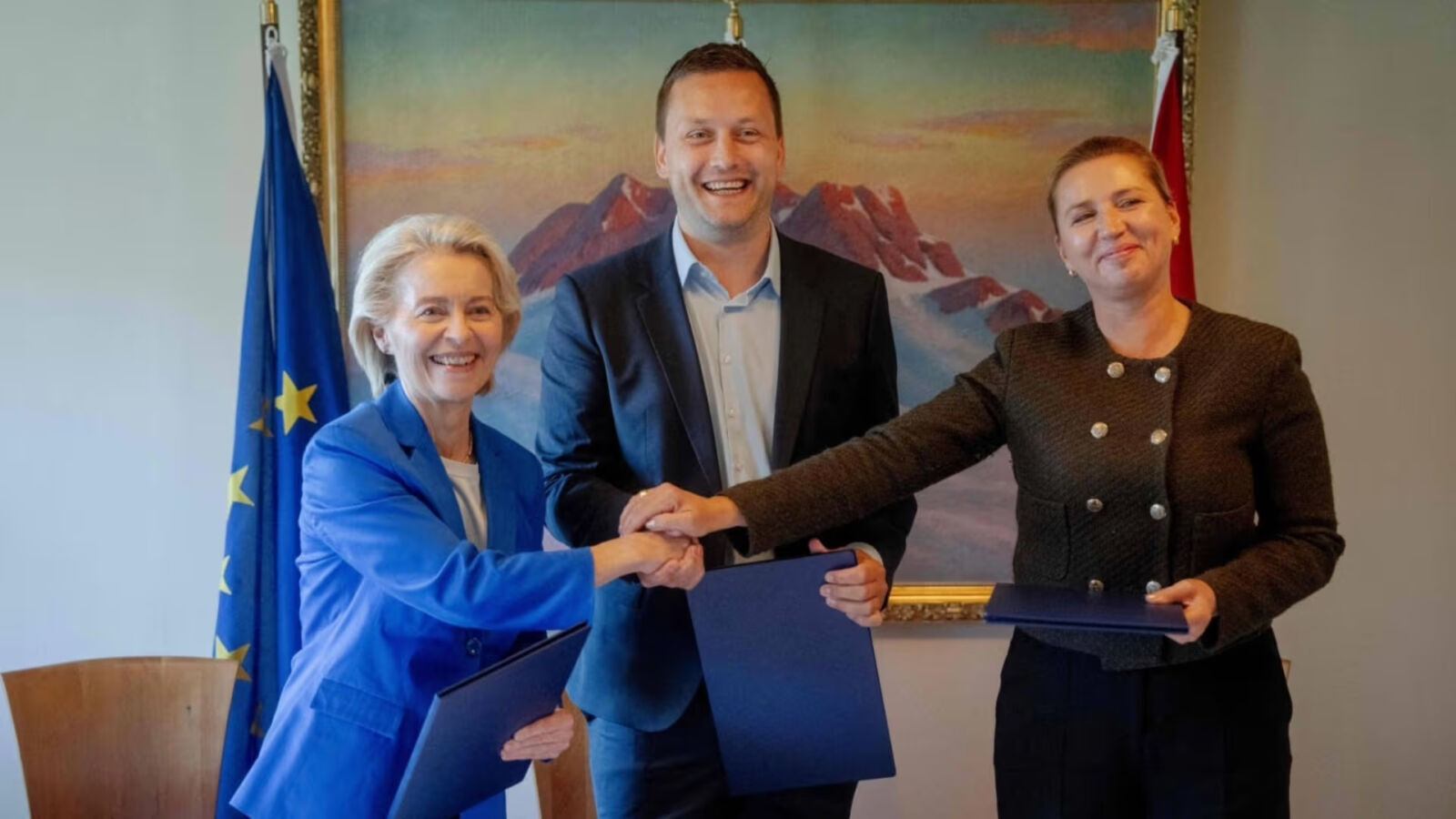
European Commission President Ursula von der Leyen announced the package during a visit to Nuuk.
The financing is planned for 2026 and 2027.
A renewed Joint Declaration signed by von der Leyen, Greenland Premier Jens-Frederik Nielsen and Danish Prime Minister Mette Frederiksen broadens the relationship beyond the education and fisheries focus of the 2015 agreement.
Remote communities shape investment priorities
Greenland's geography makes infrastructure unusually complex.
- Small communities are widely dispersed and are not connected by a single road or electricity network.
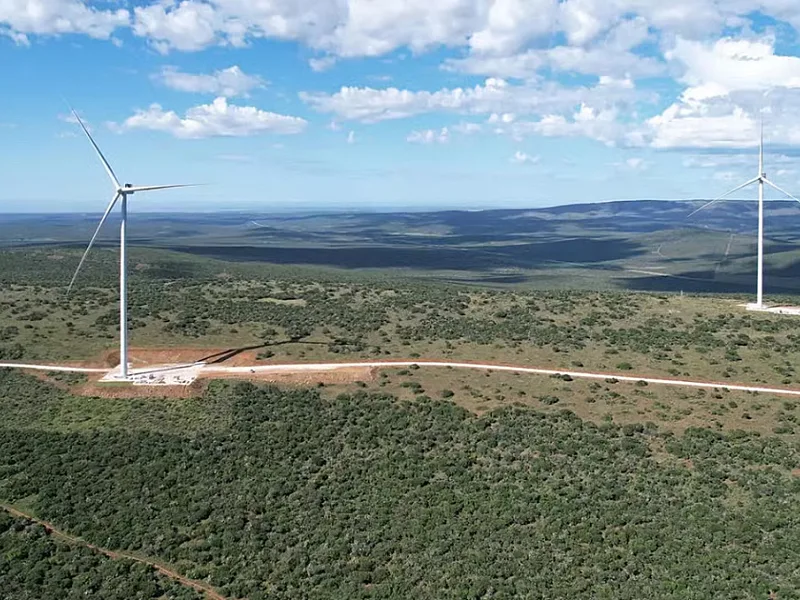
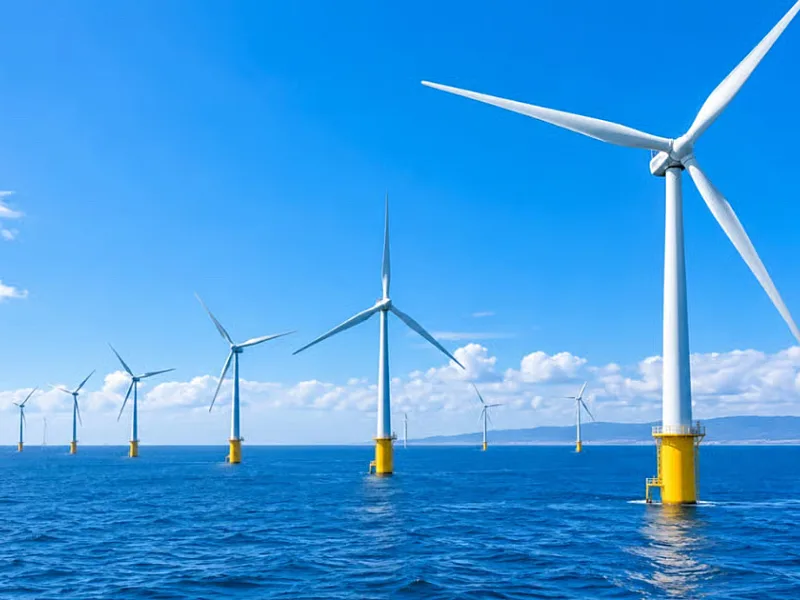
- National utility Nukissiorfiit is expected to lead work on hybrid renewable systems for remote settlements.
- Partners will consider expanding the Buksefjord hydropower plant to meet rising demand in Nuuk.
The package also includes expanded satellite connectivity through Greenlandic telecommunications provider Tusass.
- Better digital links could improve public services and business activity; however, proposed data-centre feasibility studies must account for electricity demand, environmental pressure and the share of economic value retained locally.
Critical minerals require stronger safeguards
Critical raw materials give the partnership a wider strategic dimension.
- Greenland holds mineral resources relevant to batteries and other clean-energy technologies, while Europe is trying to diversify supply chains.
- The GreenRoc Amitsoq graphite project has been designated strategic under the EU Critical Raw Materials Act.
Mining also carries distinct environmental and social risks.
- Project developers and financiers will face scrutiny over safeguards, local participation and benefit-sharing.
- These questions are especially sensitive in Arctic ecosystems and Indigenous communities, where damage may be difficult to reverse, and consent cannot be treated as a procedural formality.
Local value will determine public legitimacy
The package can improve energy security, housing and connectivity if projects respond to Greenlandic priorities and build local capability.
- Transparent procurement, community participation and clear environmental baselines will be essential to show who benefits and who carries risk.
The EU has described Greenland as a strategic ally amid growing geopolitical interest in the Arctic.
- That candour is useful, but development outcomes should not be subordinated to competition for minerals or influence.
- Public reporting should separate grants, studies and investment commitments, then track delivery over the two years.
Housing and small-business support will demand a direct test of local benefit.
- Capital projects can increase demand for labour and accommodation, but they can also intensify shortages and raise prices.
Greenlandic authorities should connect infrastructure approvals to workforce plans, local procurement and housing capacity so economic activity improves daily life instead of crowding out residents.
The two-year timetable also demands clarity about sequencing.
- Feasibility studies may prepare future projects without producing immediate construction, while community services may require faster support.
- Publishing milestones for each workstream would help residents distinguish approved spending from longer-term possibilities and assess whether implementation is balanced across Nuuk and remote settlements.
Path Forward – Partnership must protect Greenlandic public value
Greenland and the EU should publish project criteria, environmental safeguards and local-benefit measures before major energy or mining approvals.
Independent monitoring can test whether the package improves services, jobs and resilience while protecting ecosystems and community rights.
Strategic cooperation will endure only if Greenlanders can see and shape its value.
Culled from: EU Commits $232 Million to Greenland Development Partnership