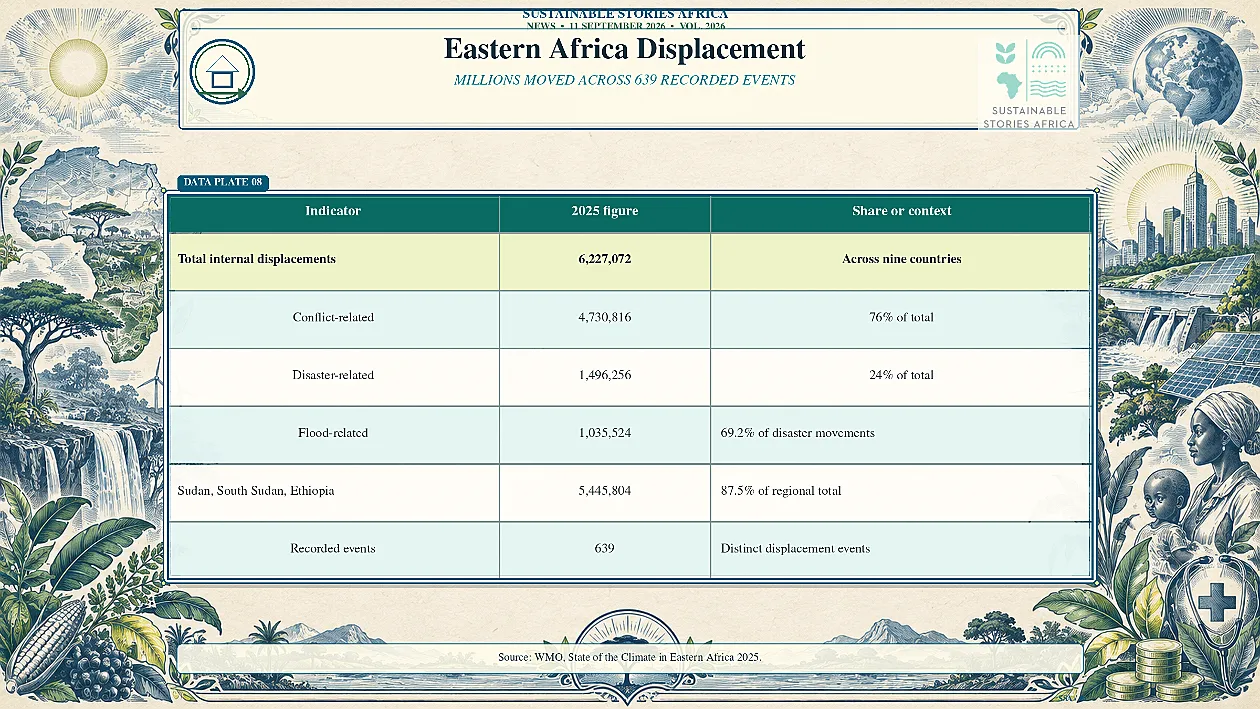
Eastern Africa recorded 6,227,072 internal displacements across nine countries in 2025, an IGAD–ICPAC assessment says.
Conflict caused 76% of movements, while disasters caused 24%; floods accounted for more than two-thirds of disaster displacement.
Sudan, South Sudan and Ethiopia together represented 87.5% of the regional total, exposing the dangerous overlap between insecurity and climate shocks.
Displacement Reaches a Regional Emergency
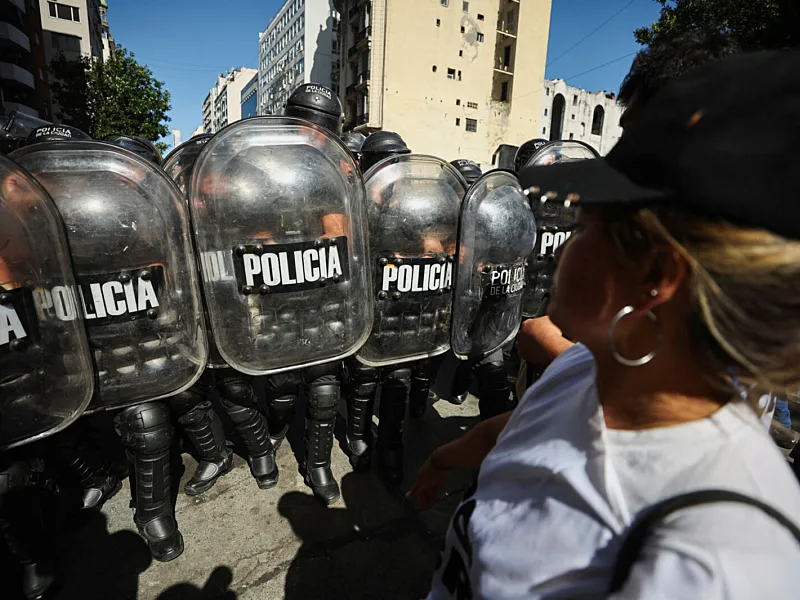
Conflict and climate-related disasters triggered more than 6.2 million internal displacements across nine Eastern African countries in 2025, according to the State of the Climate in Eastern Africa 2025 report released by the IGAD Climate Prediction and Applications Centre on September 3, 2026. The assessment recorded 639 distinct displacement events.
Conflict drove 4,730,816 movements, equivalent to 76% of the regional total. Disasters caused another 1,496,256, or 24%.
The figures count movements rather than a stock of unique displaced people, but they show the scale and recurrence of disruption across communities already facing poverty, weak services and insecurity.
Three Countries Carry Most Movements
- Sudan recorded 2,677,298 displacements, about 43% of the total.
- South Sudan followed with 1,682,754
- Ethiopia accounted for 1,085,752. Together.
- The three countries accounted for 87.5% of movements recorded across the region during the year.
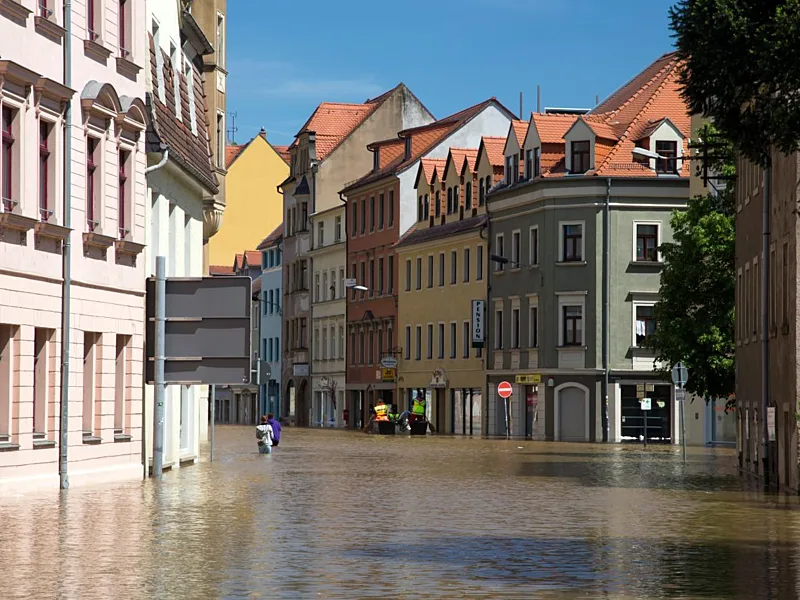
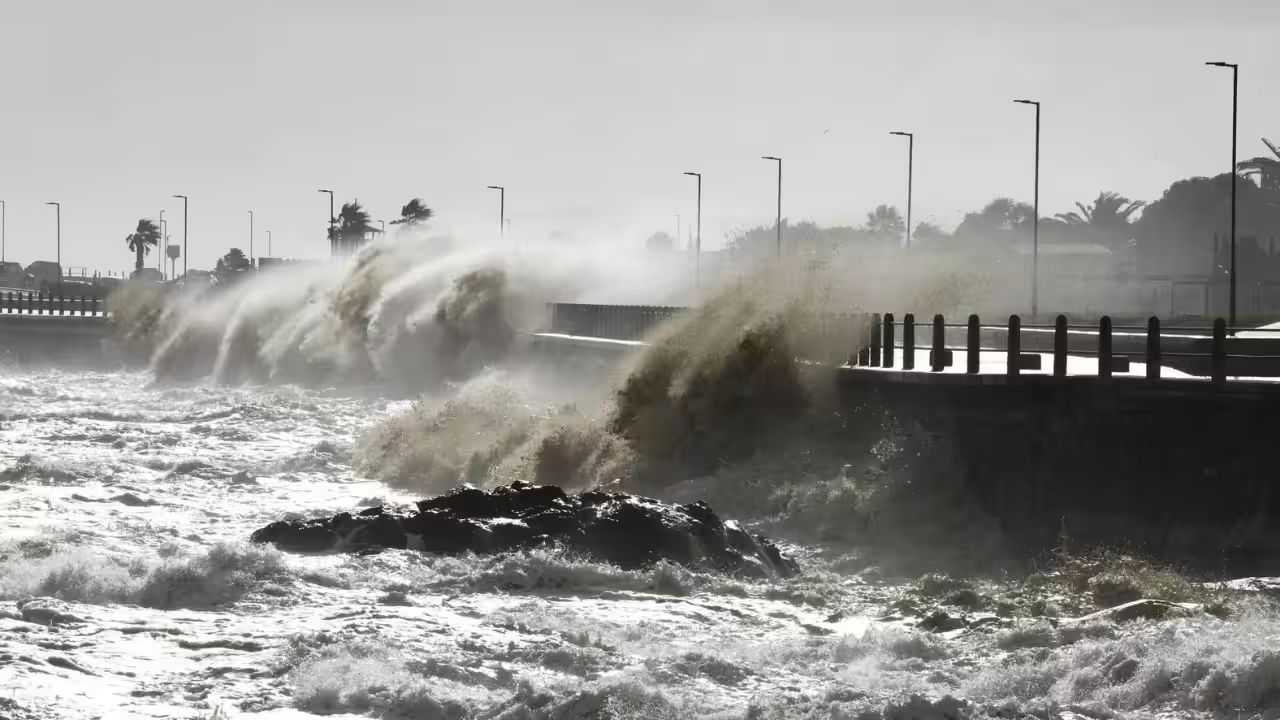
Floods caused 1,035,524 disaster-related displacements, representing 69.2% of disaster movements.
- Flooding, landslides and other hazards damaged homes, roads, bridges and water systems.
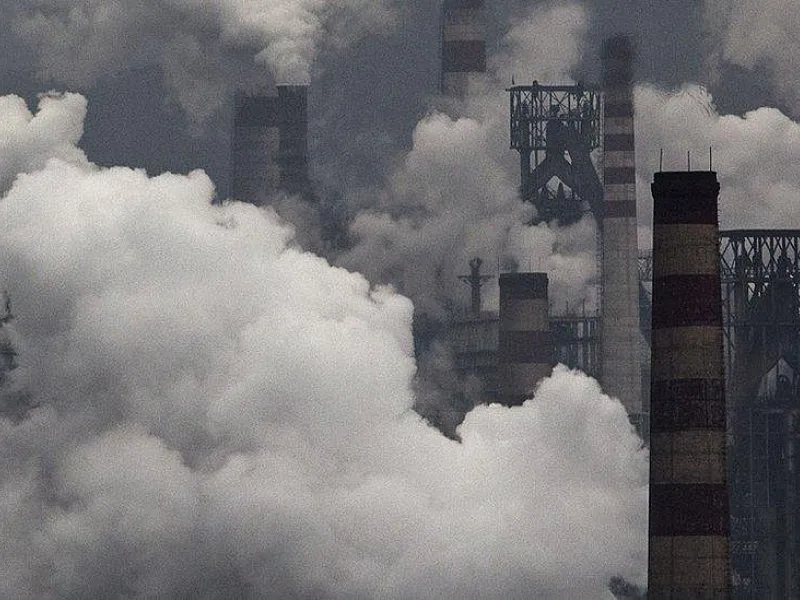
- Persistently high temperatures added pressure to health, agriculture, water availability and ecosystems.
Climate Shocks Deepen Existing Fragility
Eastern Africa experienced uneven rainfall shaped by the El Niño-Southern Oscillation, the Indian Ocean Dipole, the Madden-Julian Oscillation and tropical cyclones.
- Wet spells affected several areas during the March-May and June-September seasons, while eastern Kenya, Somalia and southeastern Ethiopia experienced below-average rainfall later in the year.
Around 42 million people across Djibouti, Kenya, Somalia, South Sudan, Sudan and Uganda faced crisis-level or worse acute food insecurity.
- Poor rainfall damaged crops and pasture, while floods increased waterborne disease risks.
- Resource scarcity also pushed pastoralists across administrative and national boundaries, sometimes intensifying conflict between herders and farmers.
Anticipatory Systems Can Reduce Loss
The report calls for sustained investment in climate services, stronger institutional coordination and the integration of climate risk into policy and development planning.
- Early warning must connect to early action: forecasts only protect people when governments and partners have pre-agreed finance, evacuation plans, safe shelters and ways to protect livestock and livelihoods.
Responses must also address protection risks.
- Flood-induced displacement was associated with increased gender-based violence in several countries, while repeated movement interrupted education and health care.
- Humanitarian agencies, local authorities and peacebuilding institutions need shared plans that treat climate hazards and conflict as interacting pressures rather than separate emergencies.
Regional cooperation is indispensable because rivers, drought corridors and pastoral movements cross national borders.
- IGAD member states can share climate information, coordinate safe mobility routes and establish protocols for communities that move ahead of hazards.
- Donors should support multi-year programmes rather than short emergency cycles, while affected people must shape settlement, return and livelihood decisions.
Durable solutions depend on safety, services and rights, not simply on movement ending.
Path Forward – Funds Action Before Disasters
Governments and partners should connect forecasts to pre-arranged finance, local response plans and protection services before hazards escalate.
Longer-term investment must combine climate resilience, peacebuilding and livelihood security in the communities carrying the heaviest displacement burden.