The Africa Food Systems Forum in Kigali put blended finance at the centre of efforts to expand agricultural investment.
A $200 million East African climate adaptation mechanism and a proposed $500 million West African rice facility featured prominently.
The test is whether capital reaches producers, rural firms and the infrastructure linking harvests to affordable food.
Kigali shifts attention to finance delivery
The Africa Food Systems Forum, held in Kigali from 31 August to 4 September 2026, put financing structures at the centre of Africa's food systems agenda.
- Among the initiatives highlighted were a $200 million rural climate adaptation mechanism and a $500 million West Africa Rice Investment Facility.
The forum drew more than 5,000 participants from over 50 countries, according to Africa Sustainability Matters.
These commitments and plans respond to a familiar problem:
- Production gains alone cannot deliver affordable food when farmers cannot finance storage, irrigation, processing or routes to market.
The immediate question is how announced facilities will translate into accessible credit and functioning value chains.
A bank shares the adaptation risk
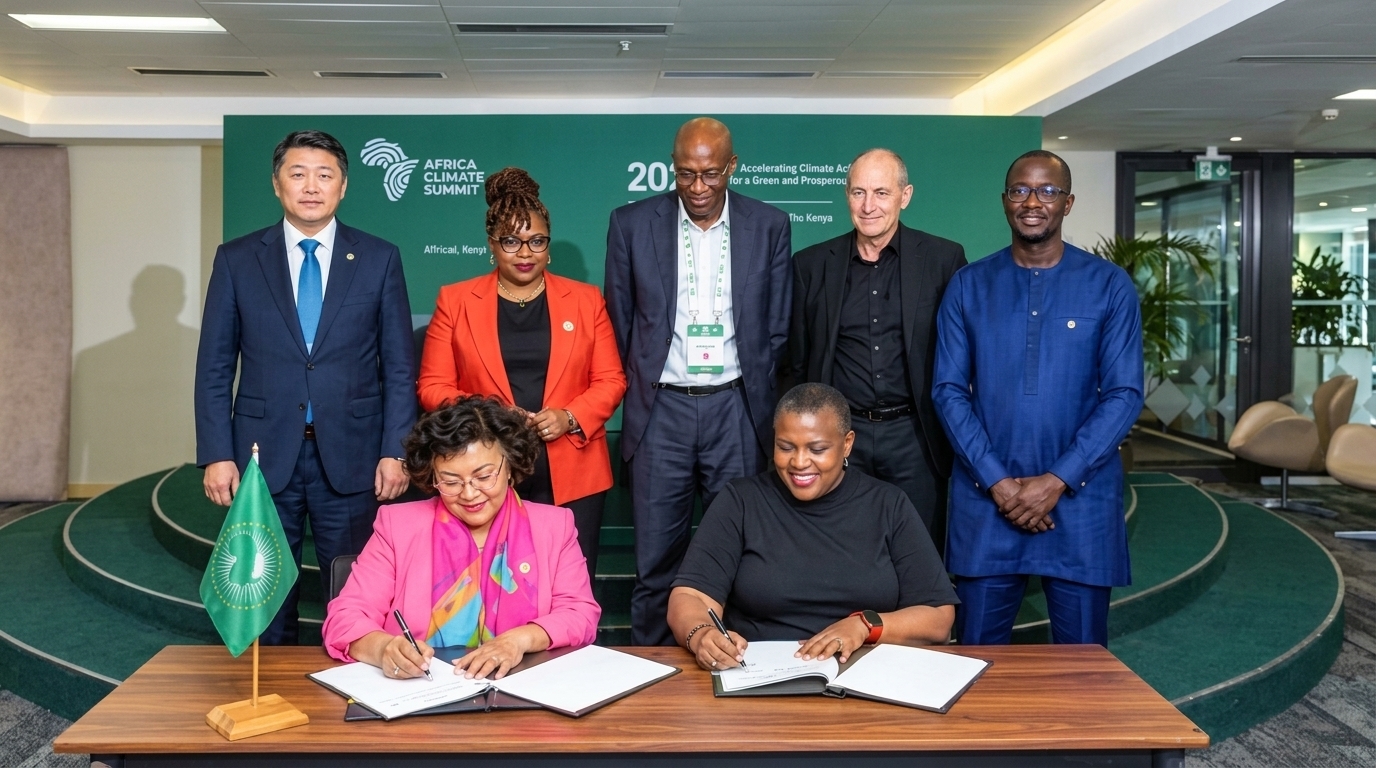
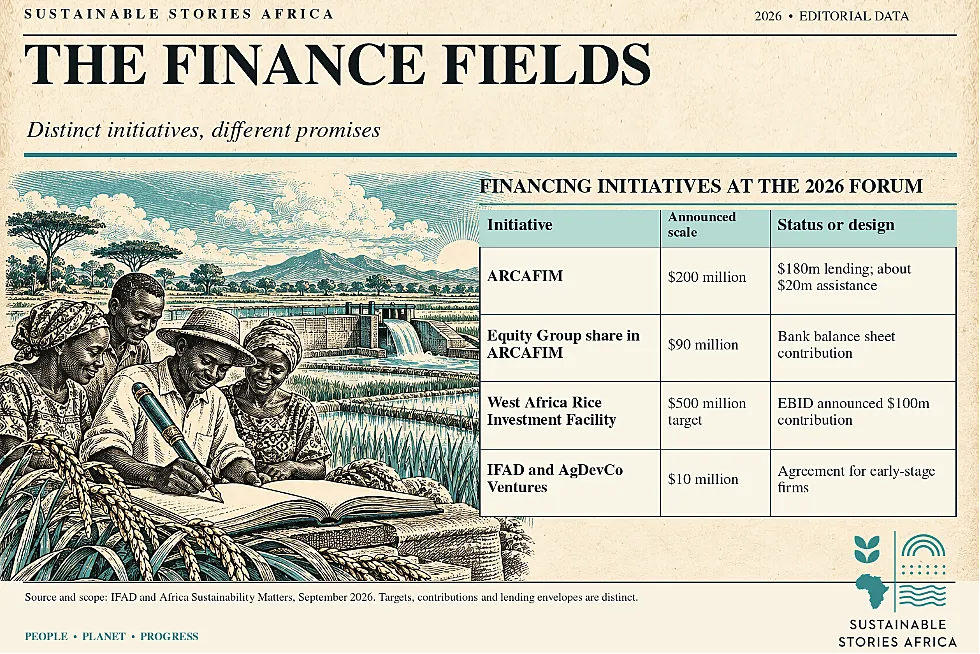
The International Fund for Agricultural Development and Equity Group launched the 12-year Africa Rural Climate Adaptation Finance Mechanism, or ARCAFIM, in Kigali.
- IFAD says it combines $180 million in lending capital with about $20 million in technical assistance.
- Equity is contributing $90 million from its own balance sheet, matching concessional lending capital, while financing partners absorb defined portions of risk.
The mechanism intends to reach around 260,000 smallholder producers and 500 rural enterprises in Kenya, Uganda, Tanzania and Rwanda.
- Women are meant to account for at least half of beneficiaries and young people at least 30%.
These are stated ambitions, not completed disbursements or verified impacts.
- Assistance to lenders and farmers matters because a credit line alone will not solve missing information about viable climate adaptation investments.
Food systems need connected investment
Africa Sustainability Matters reports that the West Africa Rice Investment Facility targets $500 million, with a $100 million contribution announced by the ECOWAS Bank for Investment and Development.
- It covers value chain needs beyond planting, including inputs, processing and partnerships.
- Forum reporting also describes a $10 million IFAD agreement with AgDevCo Ventures for early-stage agricultural businesses.
Such facilities address different gaps and cannot simply be added into a single measure of money already invested.
- A farmer can increase output yet earn little if grain spoils before sale or processing is unavailable.
- Better storage and finance can raise the share of value kept near production, while more reliable supply may benefit consumers.
However, concessional money requires transparent terms, environmental safeguards and evidence that smaller producers, rather than only established firms, can participate.
- Blended finance is useful where commercial lenders see risks that public or philanthropic capital can responsibly absorb.
- Risk sharing should be designed to build a market over time, rather than permanently subsidise transactions that would have happened anyway.
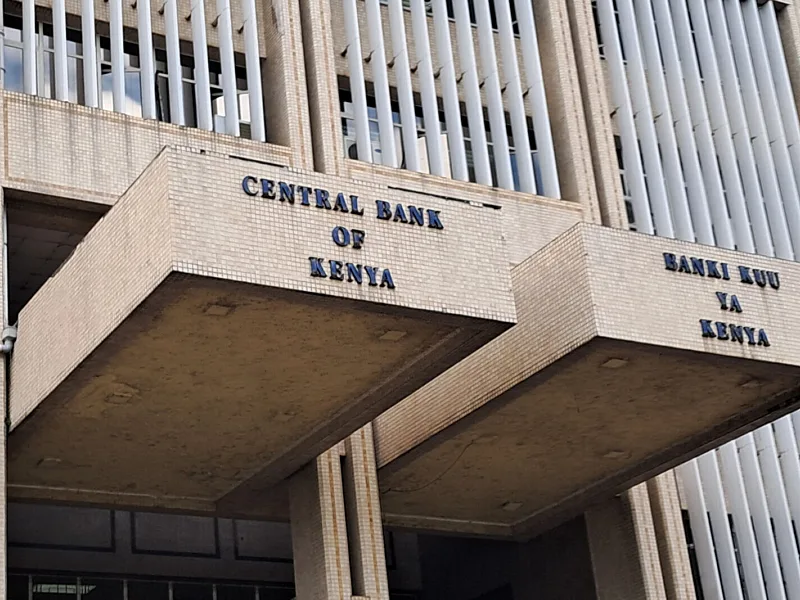
ARCAFIM's bank contribution is significant because Equity Group takes risk alongside concessional partners.
- Evaluators will still need to ask whether borrowers obtain fair pricing, whether climate measures improve yields or resilience, and whether first loss protection is proportionate to additional lending.
In West Africa, the rice facility's proposed scale must be matched by investable storage, milling and logistics projects.
- Governments can strengthen the opportunity through predictable trade rules and roads while ensuring that environmental costs are counted.
- Food system outcomes should include the quality and affordability of diets, not just the quantity of loans issued.
That is especially important where smaller farmers and informal businesses face the greatest barriers to documentation and collateral.
Track access rather than headline totals
Governments and lenders should publish disbursements, repayment terms, climate adaptation outcomes and the geographic and gender distribution of beneficiaries.
- The rice facility needs a clear pipeline and timetable; ARCAFIM needs evidence that risk sharing actually changes lending decisions.
Farmer organisations should help design products around harvest cycles and identify where collateral rules or paperwork still exclude members.
Investors should assess storage losses, nutrition and incomes alongside loan volumes.
- The forum's ambition will be credible when a rural enterprise can secure usable finance and a producer can sell more of a harvest at a fair price, not merely when a larger financing target is announced.
- Publishing results by borrower size and location would help reveal whether the facilities reach those least served by existing banks.
The most persuasive proof will come from finance that survives multiple growing seasons and enables farms and rural firms to adapt without leaving families more exposed to debt after a bad harvest.
Path Forward – Track Outcomes Beyond Commitments
ARCAFIM and the proposed rice facility should publish milestones, eligibility rules and disbursement data.
Technical support must help local lenders serve small producers and climate-exposed enterprises.
Monitoring incomes, food availability and resilience will show whether blended finance brings private capital into lasting agricultural value, rather than temporarily enlarging funding announcements.