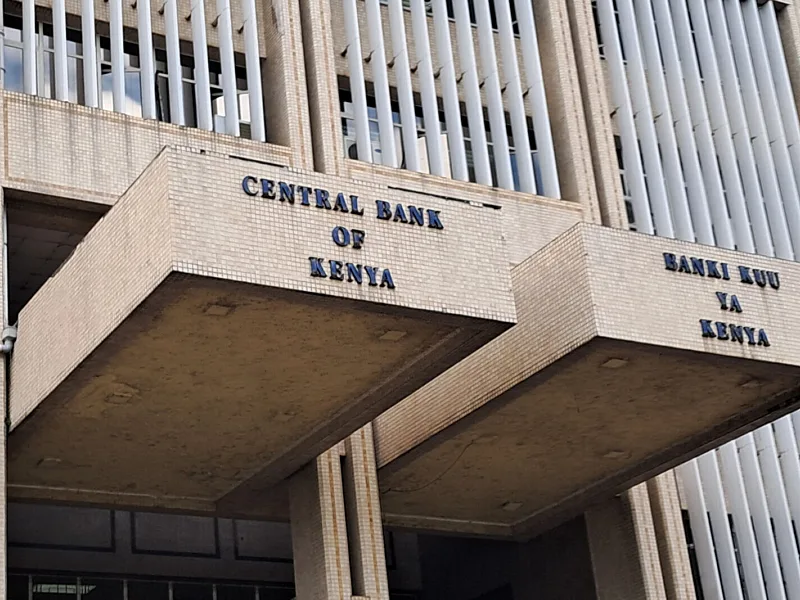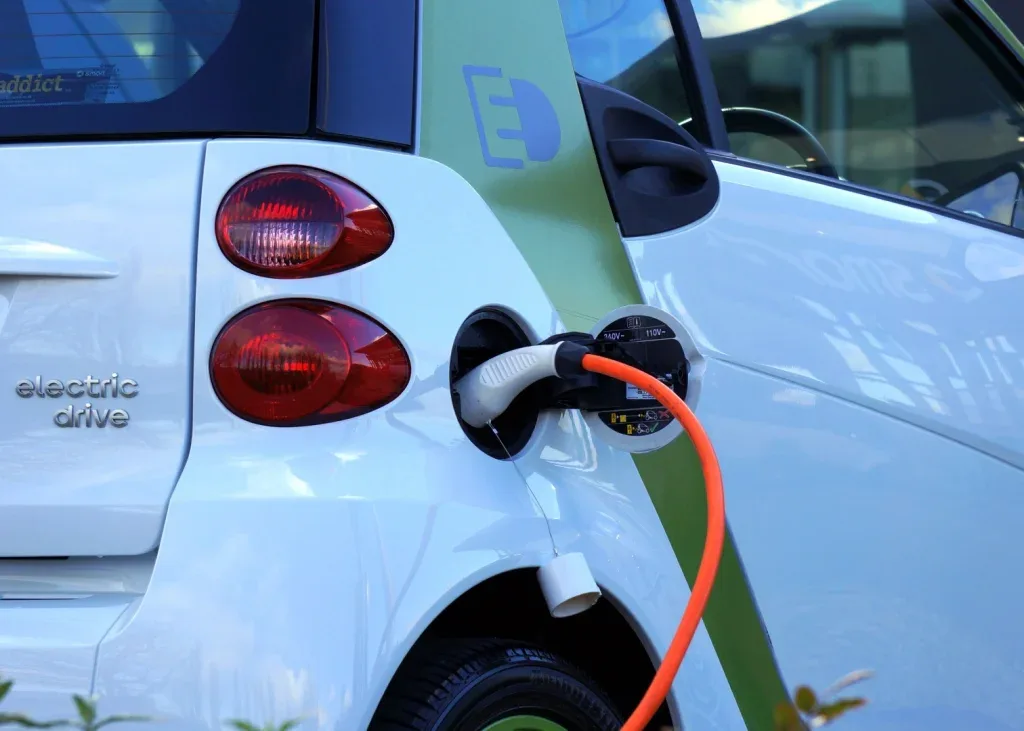
Kenya’s electricity regulator has replaced the fixed 15,000 kWh monthly ceiling in its e-mobility tariff framework with a consumption-threshold approach.
The change targets growing fleets, charging depots and battery-swap operators.
It may improve operator economics, but it does not mean every driver will pay less to charge.
A tariff built for a smaller market
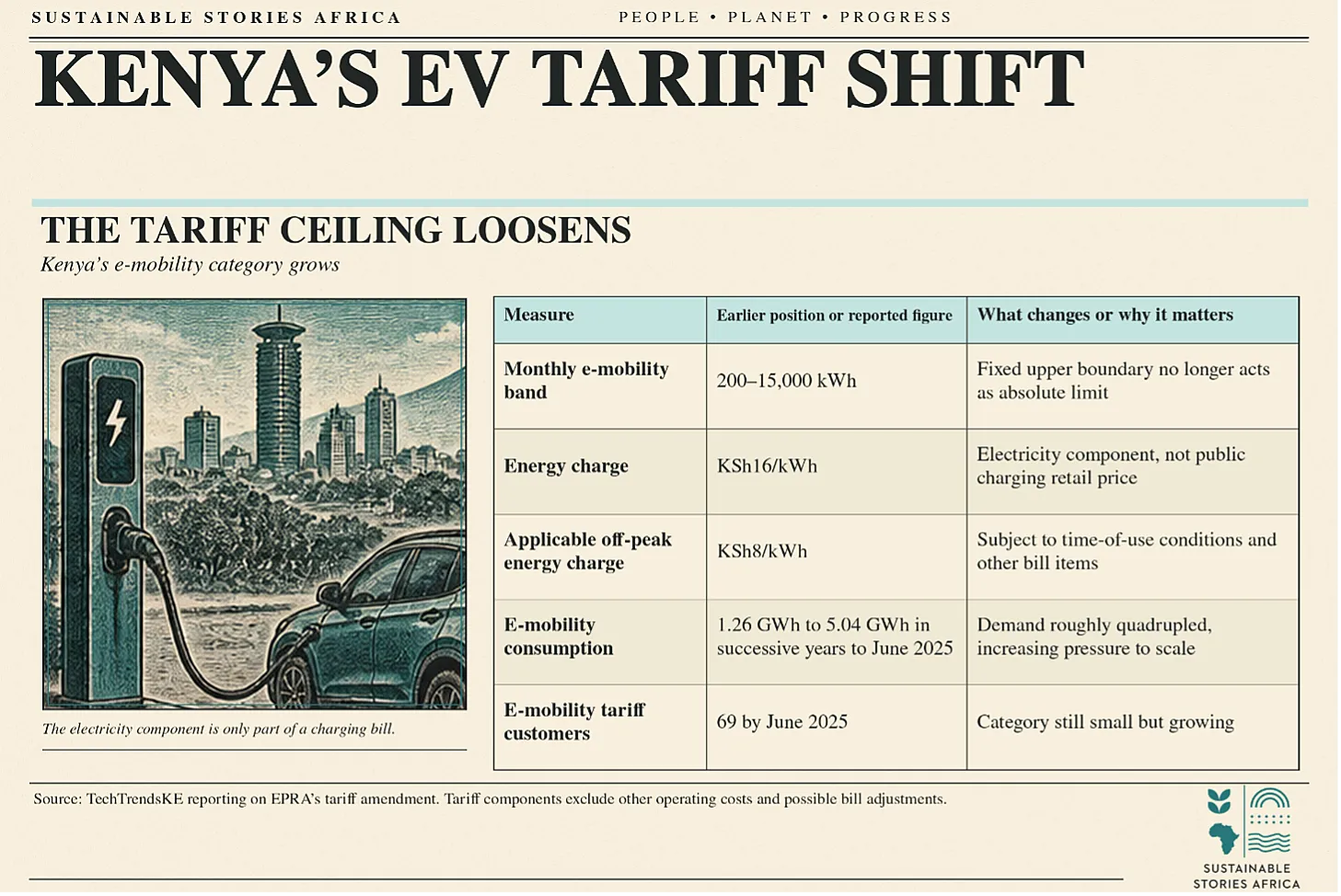
Kenya has changed its special e-mobility electricity tariff so the old 15,000 kWh monthly ceiling no longer has an absolute limit for qualifying users.
The Energy and Petroleum Regulatory Authority’s amendment, published in the Kenya Gazette on 18 September, uses an Energy Consumption Threshold mechanism model according to TechTrendsKE.
- The shift matters to bus depots and charging networks whose demand increases with additional vehicles served.
It is a regulatory adjustment, not a universal reduction in charging prices.
- Operators still face conditions for time-of-use discounts and pay for far more than electricity when they build a charging service.
Growing power demand changes the rules
Kenya’s earlier e-mobility category applied to consumption between 200 and 15,000 kWh a month.
- TechTrendsKE reports that the 240/415-volt tariff has an energy charge of KSh16 per kWh and an applicable off-peak rate of KSh8 per kWh.
The September amendment extends a consumption-threshold treatment that allows qualifying demand above the relevant threshold to retain discounted time-of-use treatment under the tariff schedule.
Depots charging multiple electric buses are not comparable to one household plugging in a car.
- TechTrendsKE notes that BasiGo’s buses carry batteries of roughly 176kWh – 210 kWh, while some depots are designed for more than 30 vehicles.
- Repeated charging can take a commercial site past the old ceiling quickly.
The report also says much of BasiGo’s charging is planned for off-peak hours, aligning fleet operations with the tariff’s original grid-management purpose.
Space to grow, if infrastructure follows
Removing a hard boundary could make electricity costs more predictable for operators considering a bigger fleet or additional swap stations.
- That may support cleaner transport and better use of available off-peak power.
However, grid connections, transformers, site costs, finance and charger utilisation still determine whether the service works commercially.
The KSh8 figure is not the all-in price paid by an EV driver at a public charger.
Link tariffs to real capacity
EPRA, Kenya Power and transport planners should monitor where new loads appear and publish clear guidance on threshold calculations.
Operators need reliable connections and transparent end-user pricing; regulators need evidence that off-peak incentives do not conceal local network bottlenecks.
Measure’s success should be judged by usable charging capacity, not tariff eligibility alone.
Path Forward – Match Charging Growth With Grid Readiness
Kenya’s tariff change removes a potential constraint on high-volume charging, but dependable service still requires grid upgrades and commercially viable sites.
Coordinated planning can turn a better tariff design into more accessible electric transport beyond established urban corridors.
Culled from: Kenya changes EV charging tariff as electricity demand grows - TechTrendsKE