Africa Go Green Fund has increased its debt commitment to Spiro by $18 million, bringing the fund’s total commitment to $36 million.
The financing targets electric motorcycle deployment and battery-swapping infrastructure in Uganda and Rwanda.
The commercial test is whether denser networks can make electric riding convenient and affordable at scale.
More capital for everyday transport
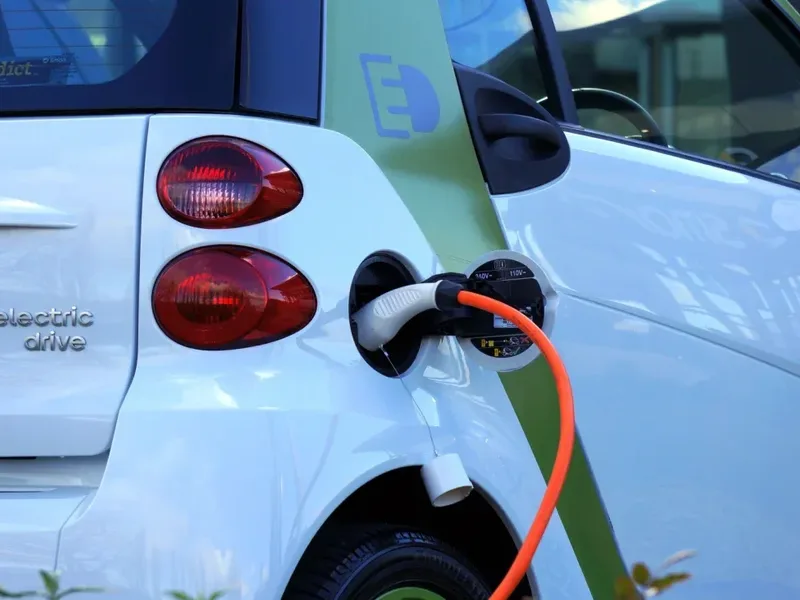
Spiro has secured an additional $18 million in debt financing from Africa Go Green Fund (AGG), managed by Cygnum Capital, to support electric motorcycle and battery-swap expansion in Uganda and Rwanda.
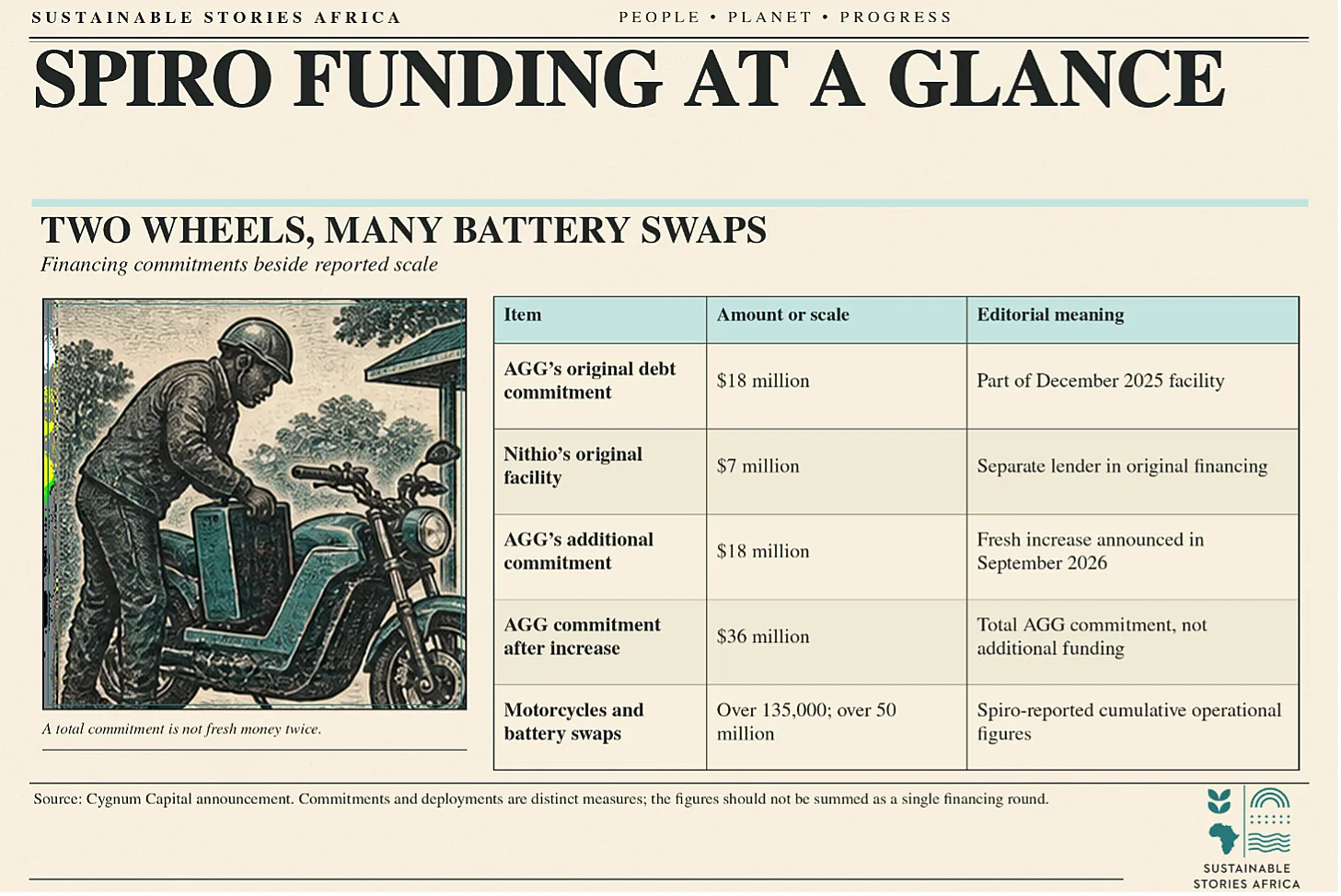
The increase doubles AGG’s total commitment to $36 million, the fund manager said in a September announcement.
It adds capital to a transport model that depends as much on accessible charged batteries as on the motorcycles themselves
For a rider earning income trip by trip, a vehicle that cannot be recharged or swapped conveniently is not a practical replacement for a petrol motorcycle.
The investment case is therefore about network density and reliability, not simply unit sales.
The financing and operating base
AGG initially committed $18 million through a debt facility closed in December 2025, alongside $7 million from Nithio.
- The new $18 million is an increase to AGG’s commitment, not a new $36 million cheque.
- Cygnum says Spiro had deployed more than 135,000 electric motorcycles and completed over 50 million battery swaps across its markets by September 2026.
Those operating figures are company-reported, not independently verified impact measures.
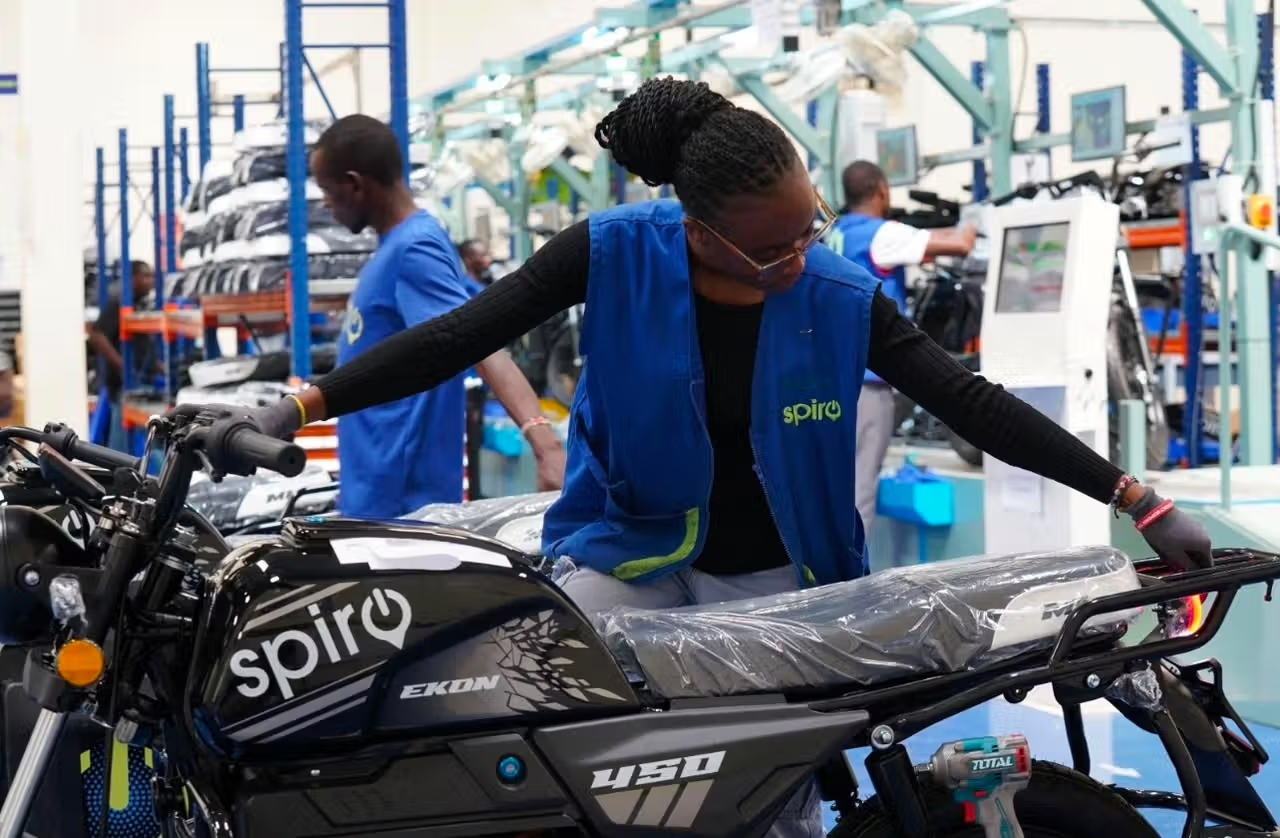
Spiro says the proceeds will support more motorcycles and battery-swapping stations in Uganda and Rwanda.
- It has also launched larger swap stations in Kenya and Rwanda, according to the fund manager.
The company’s group chief executive, Anant Badjatya, said its priority was to “build network density, improve accessibility” for riders.
Finance tied to real use
Debt can help a growing network buy vehicles and batteries while spreading capital costs over time.
- If utilisation rises and operating costs remain manageable, riders may gain an alternative with less exposure to petrol spending and more convenient servicing.
However, an electric motorcycle is not automatically affordable simply because its lender has raised the financing: battery fees, maintenance, insurance and downtime all shape a rider’s economics.
There is also a climate-accounting challenge.
- Lower-carbon travel claims depend on the electricity used to charge batteries, the life of vehicles and batteries, and the journeys displaced.
Public reporting that separates deployed vehicles from active riders and avoided emissions would help investors and communities judge results.
Follow the rider economics
Spiro and its financiers should publish comparable operating indicators for Uganda and Rwanda:
- Active vehicles, station coverage, swap availability, total rider costs and methods for estimating emissions.
Policymakers can support safe charging connections and consistent vehicle standards, while lenders can tie growth financing to service reliability and transparent consumer terms.
Path Forward – Finance Networks Riders Can Trust
The new AGG commitment gives Spiro capital to deepen its East African network, but execution will determine whether riders see dependable savings and access.
Clear usage and impact data would turn expansion claims into an achievable investment story.
Culled from: Spiro raises $18 million funding, eyes East African expansion - Africa Business Communities