Germany has published a roadmap to depart from fossil fuels by 2045, making it the third country after France and the Netherlands.
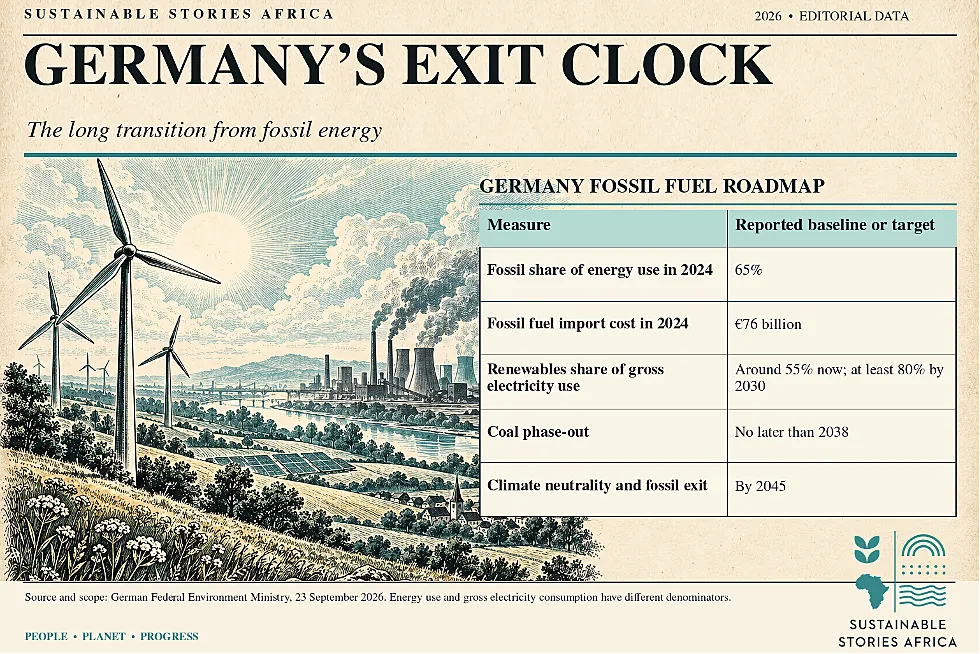
It targets at least 80% renewable electricity by 2030 and a coal exit no later than 2038.
The plan raises questions for African energy exporters about whether financing, grids and social protection accompany the transition.
Berlin puts dates beside its ambition
Germany has presented a national roadmap to phase out coal, oil and natural gas by 2045.
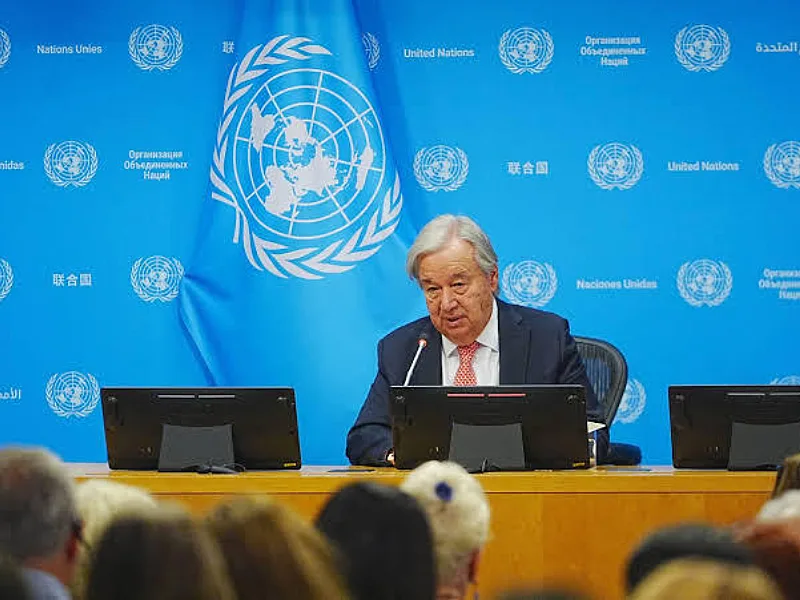
Federal Environment Minister Carsten Schneider unveiled it at the United Nations in New York on 23 September, after presenting it to the cabinet.
- The ministry describes Germany as the third country, following France and the Netherlands, to issue such a plan.
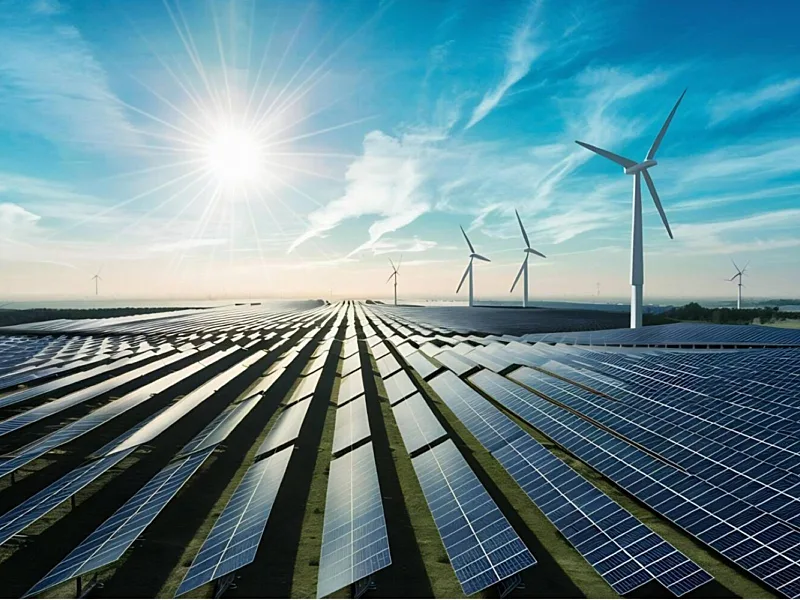
It targets renewables to account for at least 80% of gross electricity consumption by 2030 currently 55%) and the phase-out of coal no later than 2038.
These are policy aims and existing milestones; publication alone does not guarantee delivery.
The roadmap matters to African markets because European demand, technology standards and investment flows can shape transition decisions far beyond Germany.
Energy security drives the timetable
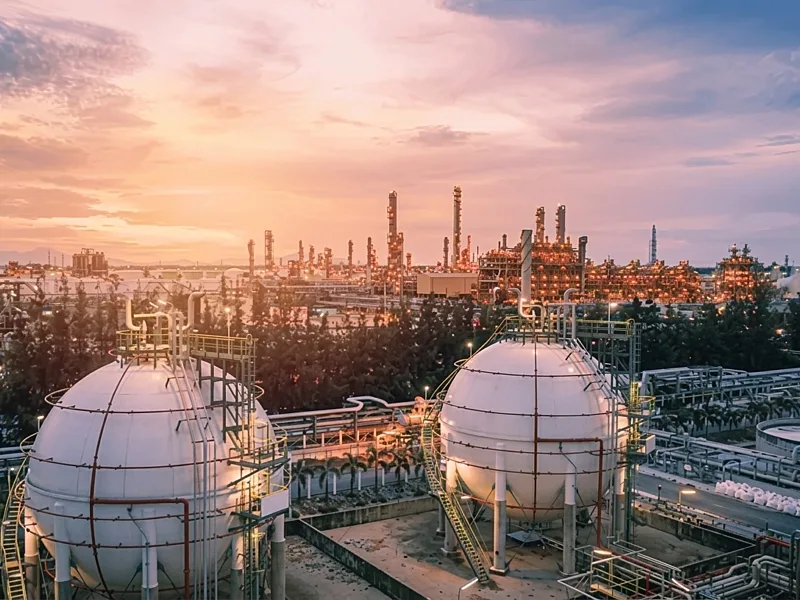
The ministry says fossil fuels accounted for 65% of Germany's energy use in 2024: oil 36%, gas 24% and coal 5%.
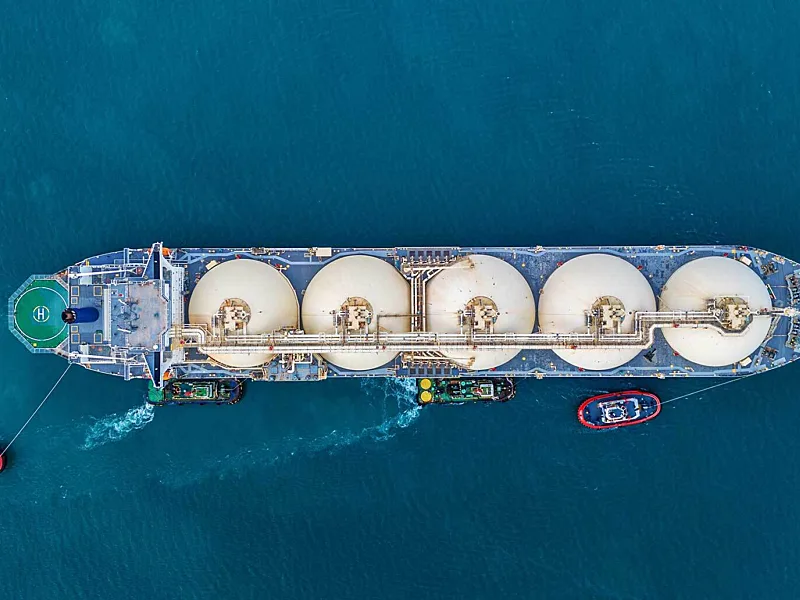
Germany imported 98% of its oil and 95% of its gas, spending €76 billion on fossil fuel imports that year.
- Schneider framed the transition as an economic and security issue as well as a climate response.
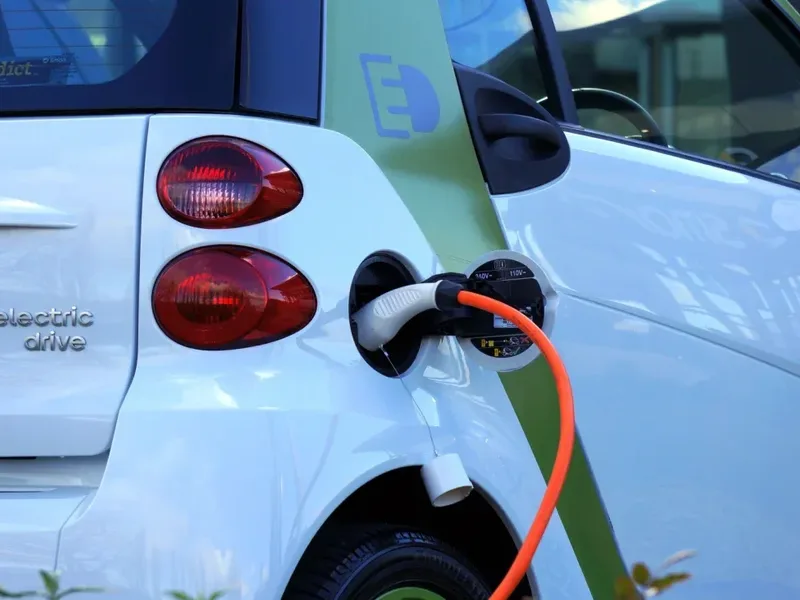
The roadmap centres on renewable generation, expanded grids and the electrification of transport, buildings and industry.
- It envisages gas-fired power stations switching to green hydrogen, while the European emissions trading system continues to constrain fossil generation.
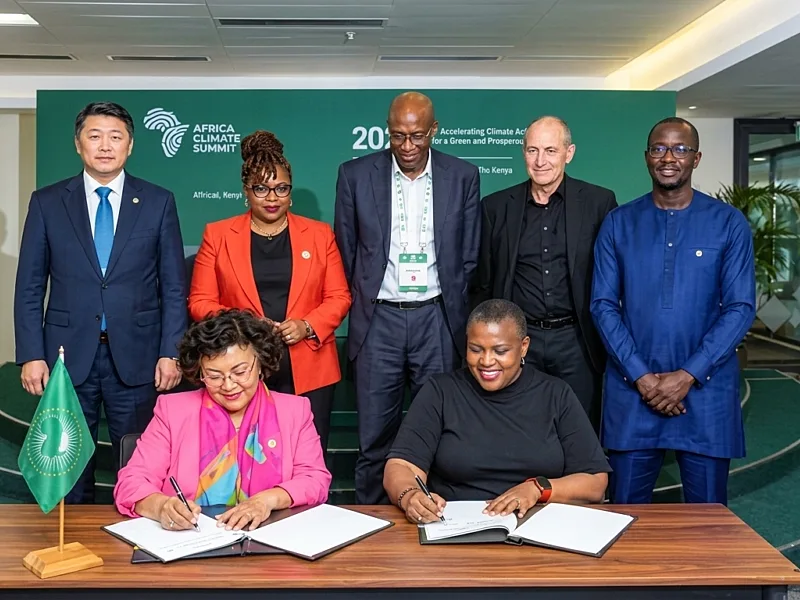
The ministry also points to an energy transition partnership with South Africa covering coal, grids and renewables.
This example shows how a European strategy can intersect with African infrastructure, but the structure and fairness of such partnerships must be assessed on their actual financing and delivery.
African countries face different starting points
A fossil fuel exit plan in a high-income, highly electrified economy cannot simply be copied where households and firms still face inadequate energy access.
- In African exporting states, declining long-term fossil demand may create pressure to diversify public revenue and employment.
- In importing states, renewable generation and more efficient equipment can reduce exposure to imported fuel costs, provided grids and affordable finance are available.
These are implications of Germany's announced direction, not specific commitments imposed by the roadmap on African governments.
- Transition policy should therefore disclose assumptions about demand, stranded asset risks and worker support, while protecting access to reliable energy.
- Germany's own dependence on imports illustrates why energy planning must address security and affordability together with emissions.
The timetable contains dependencies that deserve scrutiny.
- A high renewable share needs sufficient transmission and flexible supply; electrifying heat and transport increases demand for dependable power.
- Coal's 2038 deadline and the 2045 neutrality goal therefore call for investment decisions well before those dates.
For African trading partners, the effects will differ by commodity and contract length.
- It would be premature to infer an immediate end to German purchases or a precise loss of African export revenue from a roadmap alone.
- Exporting governments can nevertheless test fiscal budgets against scenarios of lower long-term demand and consider how workers and producing regions might share new economic opportunities.
- Importers may study lessons in procurement, grid expansion and consumer support.
Meaningful international cooperation should leave room for local policy choices, rather than making African energy access contingent on a European development path.
Reporting both emissions and access can help guard against that imbalance.
Put finance and people in the plan
African governments developing transition pathways should publish sector timelines, investment needs and mechanisms for consultation with affected workers and communities.
Financiers should spell out grant and concessional elements, interest terms and the infrastructure that will actually be built.
German and European institutions can make cooperation more credible by supporting grids, skills, clean industry and local value addition, while reporting measurable outcomes.
- The 2045 endpoint is distant, but the 2030 power target provides an earlier test.
- The useful lesson is a transparent sequence of actions and checks, adapted to each country's energy needs rather than a date without a delivery route.
Companies exposed to European supply chains should also monitor how Germany implements its industrial measures.
- Any claim about a specific African exporter should rest on its contracts and market data.
Policymakers can nevertheless prepare scenarios now, when choices about skills, grids and industrial investment remain open rather than forced by a later shock.
Path Forward – Finance Fair Verifiable Transitions
Germany must translate its roadmap into grid expansion, electrification and a credible 2030 renewable power trajectory.
Implementation will show whether import exposure and emissions fall together.
African partners can use the debate to demand transition finance, energy access and worker protections suited to local needs.
Published milestones and independent reporting would make promises easier to assess.
Culled from: Germany Becomes Third Country to Release Fossil Fuel Transition Roadmap | OneStop ESG