Farm finance package targets 8,000 jobs
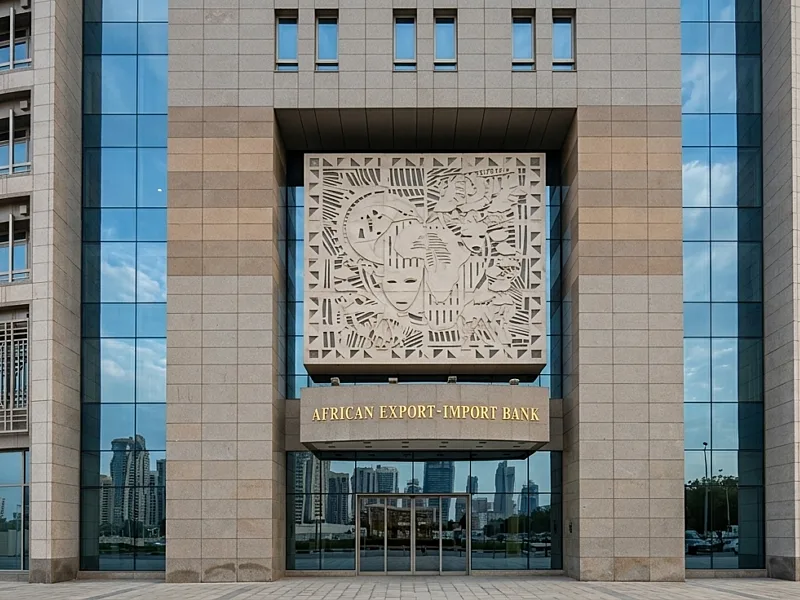
The African Development Bank Group has approved a $60 million sovereign loan to Tanzania.
The money will strengthen the state agricultural lender under a $120 million initiative.
The project is expected to support 8,000 jobs and expand financing for women, young entrepreneurs and climate-resilient agriculture.
Tanzania adds capital to its farm lender
The African Development Bank Group has approved a $60 million loan to Tanzania to expand the Tanzania Agricultural Development Bank’s capital.
- The financing, approved on 21 October and announced on 4 November, is half of a $120 million initiative that is expected to support 8,000 jobs.
- It is the third phase of a project to strengthen the state-owned lender’s ability to finance agriculture.
The loan will pass through Tanzania’s Ministry of Finance and the Office of the Treasury Registrar and be invested as equity in the agricultural development bank, known as TADB.
- The Tanzanian government’s $60 million contribution will come from capitalising eligible retained earnings.
With a larger capital base, TADB expects to offer more financing over longer periods, both directly and through partner lenders.
The gap between farm work and credit
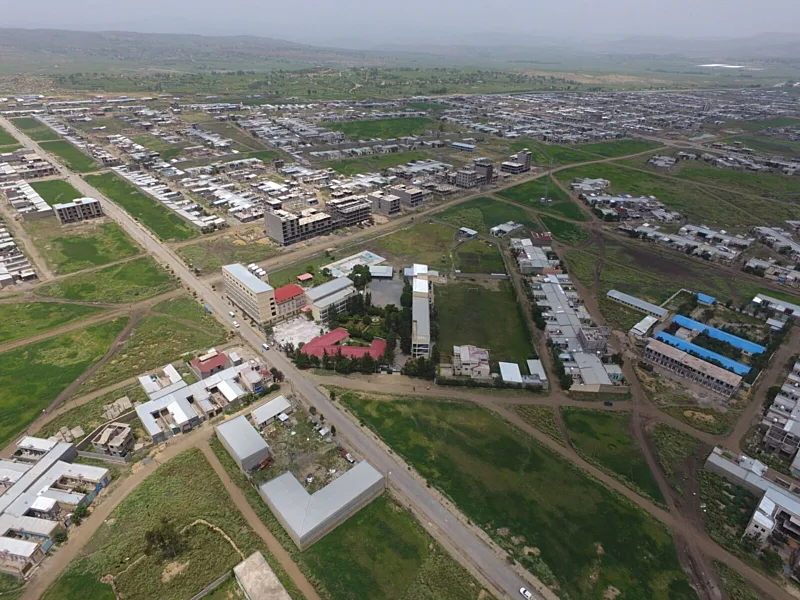
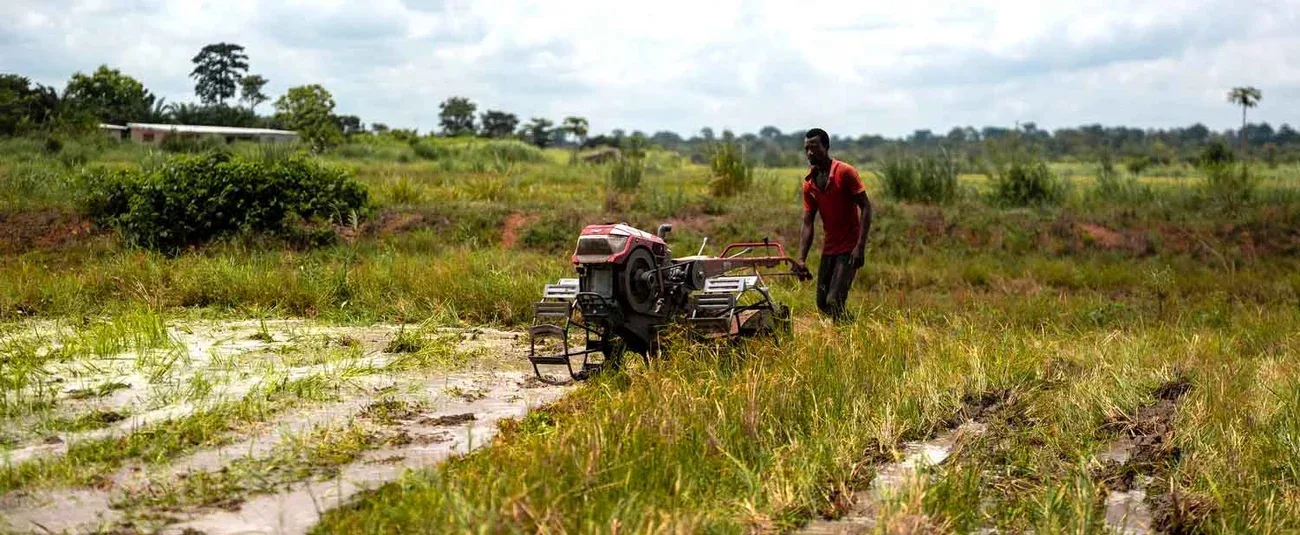
The AfDB estimates that agriculture employs roughly 65% of Tanzania’s workforce and accounts for about a quarter of economic output.
- The sector receives around 12% of private-sector credit, and the bank puts the annual financing gap at $1.5 billion.
- It identifies short repayment periods, limited collateral and lenders’ risk perception as barriers, especially for women and young people.
The repayment schedule is as important as the amount borrowed.
- A business investing in storage or efficient irrigation may need several seasons to earn back the cost.
- Credit that comes due before the investment generates revenue can leave the borrower relying on expensive short-term finance.
TADB’s plan to lend through other institutions as well as directly could expand access in areas where it has limited reach.
- The terms those institutions offer to final borrowers will help determine the impact.
There is a difference between increasing a bank’s lending abilities and finding investments suited to the borrowers it wants to reach.
- A producer with seasonal sales may need repayments aligned with harvest income.
- A processor that buys from several farms may need working capital while waiting for customers to pay.
The AfDB announced lending channels can serve different types of businesses if loan design accounts for those cash cycles.
Tanzania’s farm finance package
Longer loans could support farm investment
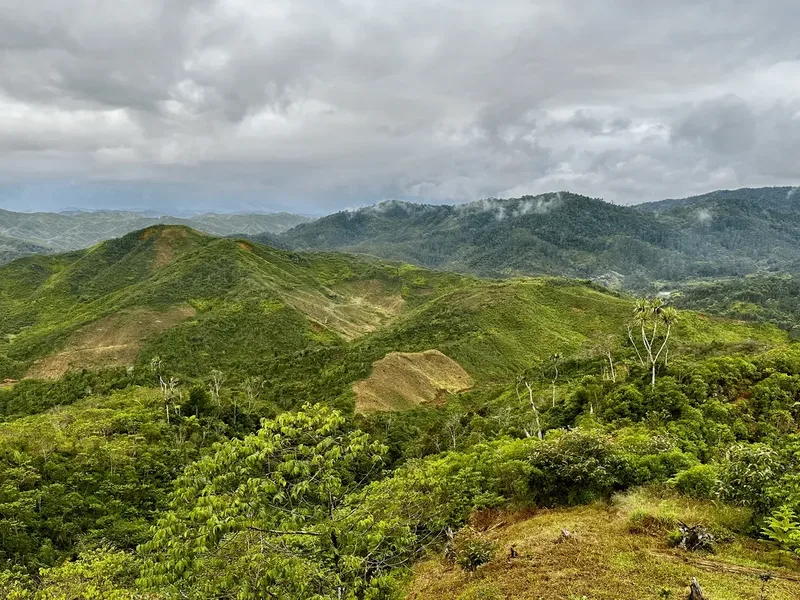
The bank says climate-smart lending will support investments such as efficient irrigation, renewable energy, improved storage and technology that cuts crop losses.
- Better storage, for instance, can give producers more time to sell after harvest.
- Where water supplies allow, efficient irrigation can help farms cope with uneven rainfall.
Whether these projects repay their loans will depend on operating costs, maintenance, market access and the initial purchase price.
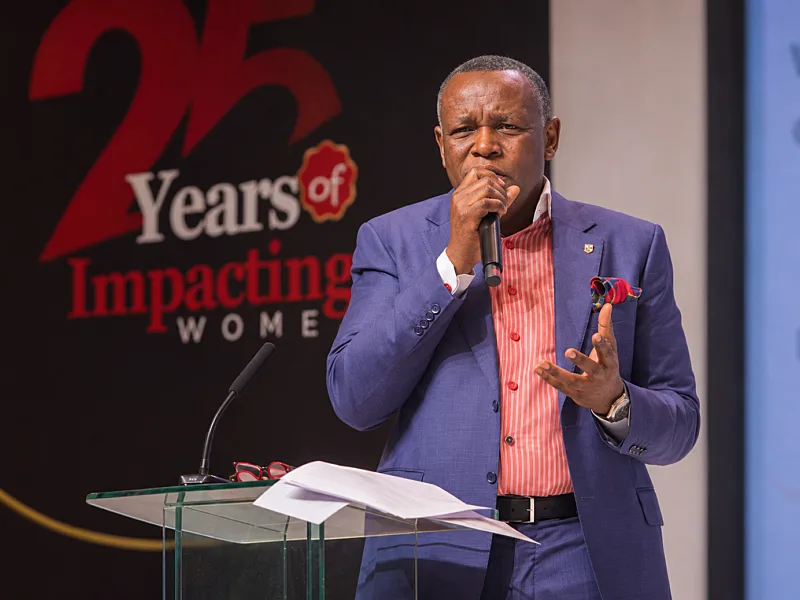
TADB Managing Director Frank Nyabundege said the extra capital would help the institution reach more farmers and agricultural businesses.
- The inclusion targets give lenders a way to track whether borrowers who face collateral or repayment barriers gain access.
- The employment and portfolio figures measure different things
A loan can reach a woman-owned company and support several jobs, while a job counted under the project may be created by a business outside that category.
Watch where the credit goes
As financing reaches borrowers, the development bank and its partners can report loan sizes, repayment periods and the regions where businesses receive support.
- Tracking the frequency of approved applications and borrowers’ needs would establish whether access has improved for enterprises that previously struggled to borrow.
Job reporting can show how many positions are new, how long they last and where women and young people are being hired.
- For climate-smart lending, operational irrigation records, storage or energy investments would help show what the financing has put into use.
- Such reporting would give the project’s headline figures meaning beyond the approval of the sovereign loan.
The split between the AfDB loan and Tanzania’s retained earnings also matters for understanding the $120 million headline.
The external financing is a sovereign loan.
- The domestic share comes from capital already earned rather than a second external loan.
The bank’s subsequent lending will clearly show how much reaches farms and businesses through each channel.
Path Forward – Track lending through to farm outcomes
The first test is whether the recapitalisation gives agricultural borrowers more time and better access to finance.
Reporting should follow the credit through TADB and its partner institutions.
By 2030, portfolio data and verified jobs can show whether the project reached the farmers and entrepreneurs it was designed to support.
Culled from: African Development Bank Group commits $60 million to boost agricultural financing and create 8,000 jobs in Tanzania