Model quantifies potential carbon storage shortfalls
Bali Lee, Tom Bearpark and colleagues propose a way to estimate shortfalls in contracted carbon removal.
Their forest and geological storage simulations show how risk changes with site conditions and the time horizon.
The method could help buyers and insurers decide how much protection to require.
The contract and the carbon can diverge
Researchers have proposed a measure called carbon at risk to estimate how much less carbon dioxide might remain stored than a buyer contracted for.
The Nature Climate Change study by Bali Lee, Tom Bearpark and colleagues applies a concept from financial risk management to carbon removal, where fires, leakage and other events can reduce the amount of carbon still stored years after a project has received payment.
The metric compares the contracted quantity with an estimate of storage under a specified adverse outcome at a chosen date.
- The buyer needs both the time horizon and the confidence level to interpret the figure.
- Comparing across projects also depends on how researchers model fire, leakage, regrowth and other conditions.
The study tests the method with forest carbon and geological storage simulations.
Confidence and time change the number
The authors’ illustration starts with a contract for 1,000 kilograms of carbon dioxide.
- If carbon at risk at 95% confidence is 397 kilograms, the model implies a 95% chance that at least 603 kilograms remain stored at the chosen horizon.
- The result describes a threshold in the model’s distribution.
It leaves a 5% chance of a larger shortfall and provides no estimate by itself of how severe those worse outcomes could be.
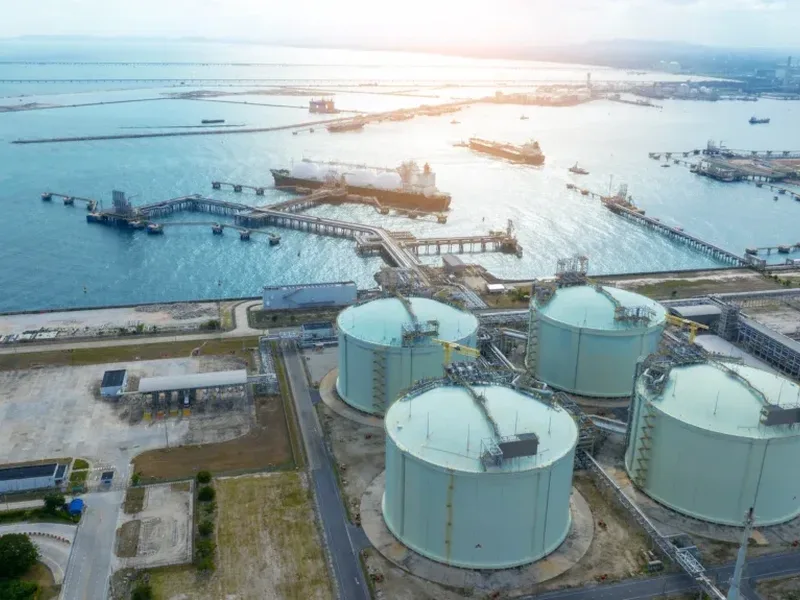
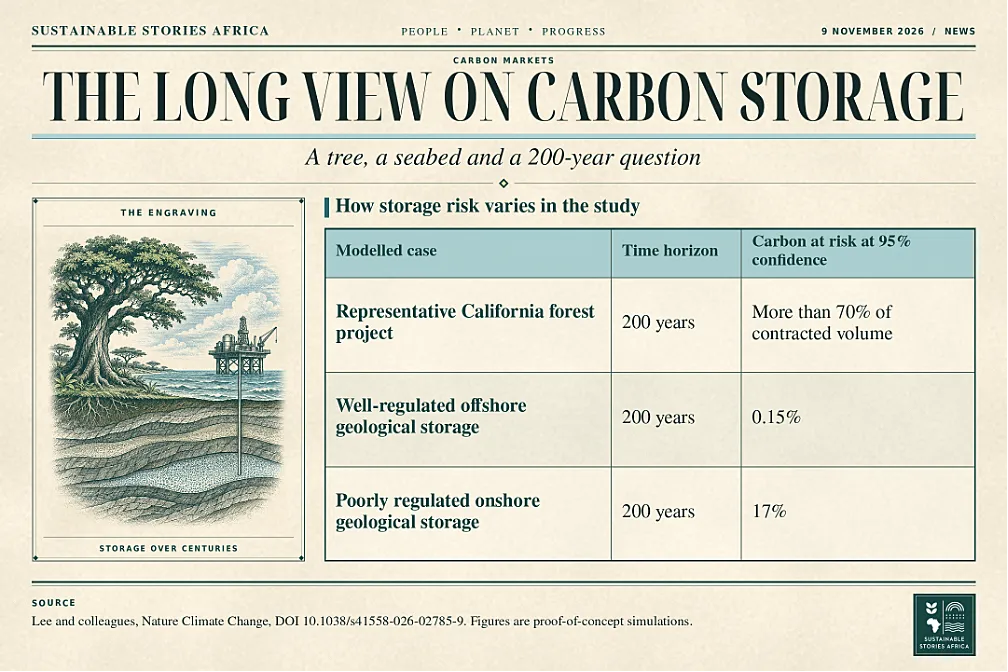
At 200 years, the study finds a large gap between its well-regulated offshore and poorly regulated onshore geological scenarios.
- It attributes much of the onshore exposure to the potential for leakage through legacy wells, with incomplete well inventories and insufficient plugging in the weaker regulatory scenario.
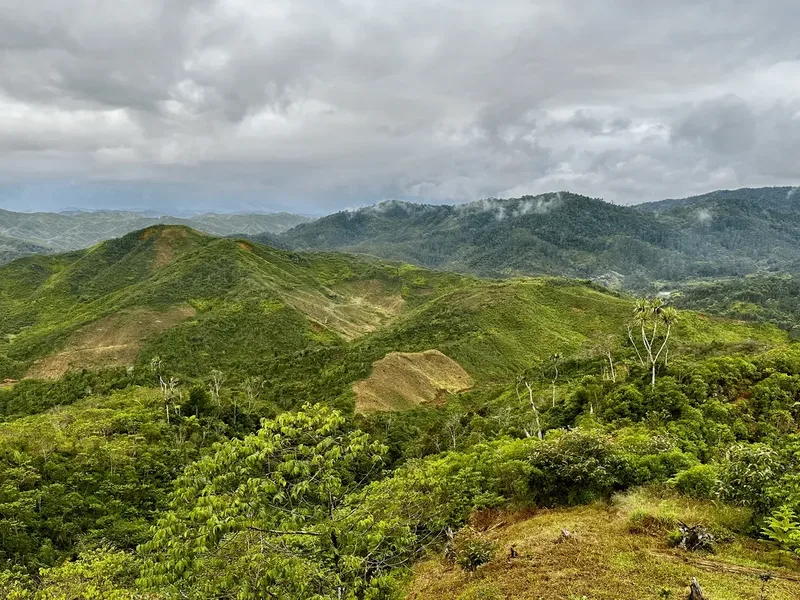
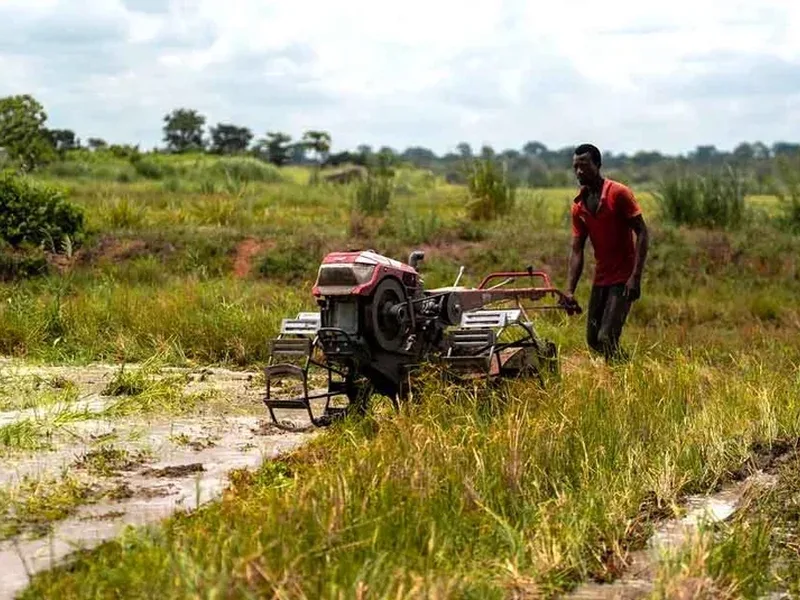
- In the forest simulations, wildfire and regrowth shape the amount stored over time.
The quantity a buyer contracts for can also differ from the amount the model expects to remain in storage on average.
- The paper separates that gap from the additional shortfall in a bad outcome.
- A wider portfolio can reduce some exposure to extreme outcomes
It offers less if the contracted amount already exceeds what projects are expected to deliver.
- A buyer would need to examine contract volume and the risk spread.
A portfolio can share the same risk
Registries often use buffers to deal with reversals.
- Some credits are held in reserve to replace losses elsewhere.
- The proposed metric offers a way to size a buffer against a stated risk level.
An insurer could use similar evidence to assess which losses a policy covers, over what period and what level of protection the buyer is purchasing.
The study also shows why holding many projects can provide limited protection if exposed to the same hazard.
- A severe fire season can affect forests across one region.
- Storage sites in the same jurisdiction can share linked vulnerabilities to oversight.
Combining projects with different exposures may reduce the chance of losses occurring together, although the value of diversification depends on the costs and assumptions used.
Disclose what each calculation assumes
The forest model uses a limited fire record, which makes rare events hard to estimate.
- The authors report that an alternative method for modelling extreme fires increased the estimated risk at a 100-year horizon.
- That sensitivity matters for anyone choosing a buffer size or deciding how much insurance to buy.
A range of estimates under different plausible conditions can reveal how much a single result depends on the model.
- For buyers considering projects in African markets, applying the method would require local information on the relevant risks and the institutions responsible for monitoring storage.
- The study’s overseas examples show how the method works.
- Site-specific data should estimate risk for an African forest or geological project.
Carbon at risk addresses storage shortfall and works alongside checks on whether the removal is additional and how project benefits are shared.
The time horizon matters for oversight as well as pricing.
- A project could provide evidence over the life of its contract while the carbon remains exposed to reversal for far longer.
A registry or public agency can use several assessment dates to show how long monitoring, reserves or other protections would need to remain in place.
Path Forward – Price storage risk using local evidence
Buyers, registries and insurers can agree on comparable time horizons and confidence levels, then disclose the data and assumptions behind each estimate.
The next test is whether the measure can guide buffers and contracts when monitoring records are short, and several projects may fail under the same conditions.