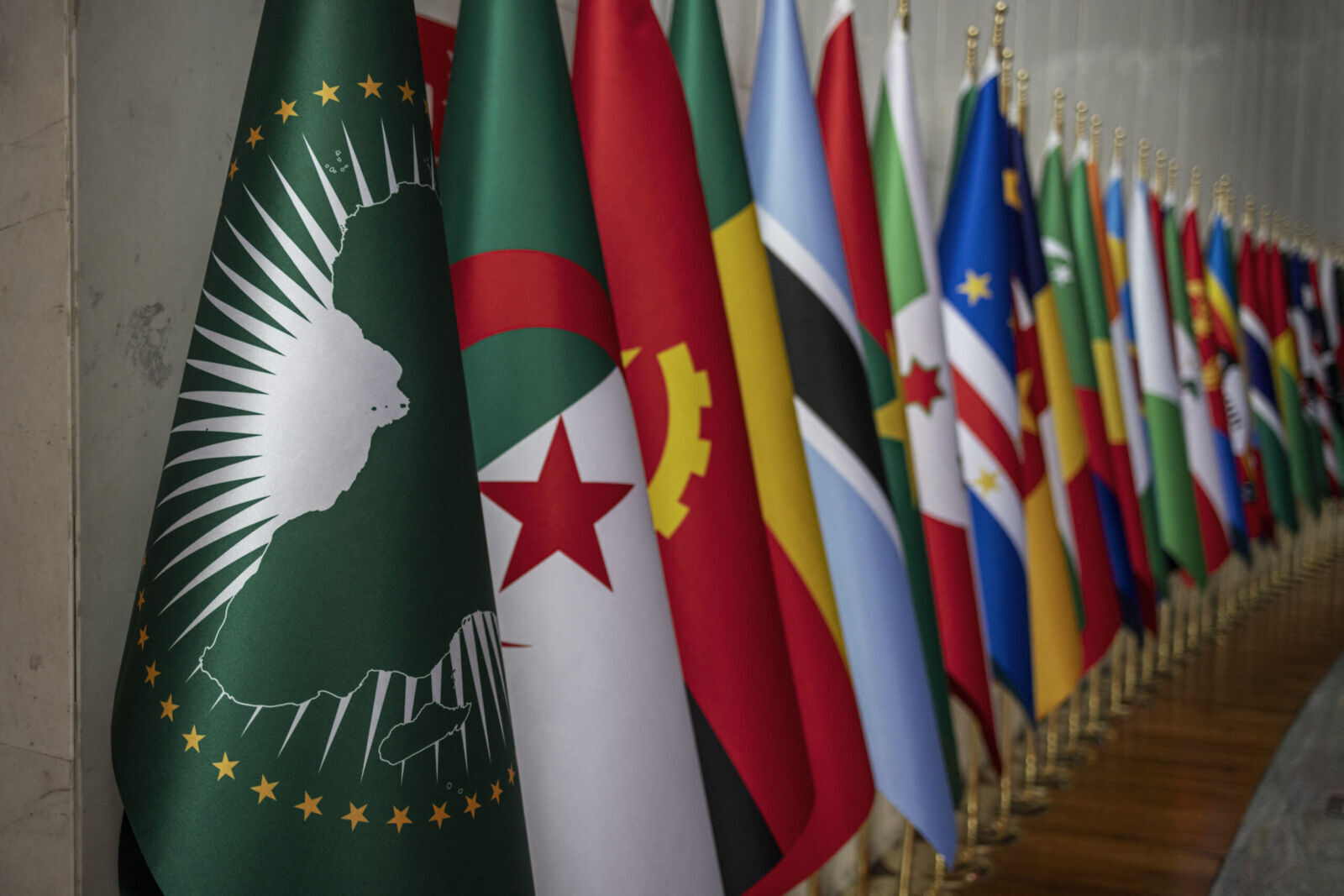
Africa’s sustainability story is moving from pledges to implementation as clean energy, ESG compliance and climate finance pressures intensify.
Recent investment announcements and policy shifts show rising momentum, but funding gaps remain wide.
For communities, businesses and governments, the test is practical: turn sustainability into power, jobs, resilience and accountable growth.
Sustainability Is Now An Economic Test
Africa’s sustainability agenda is entering a decisive phase in 2026, as governments, investors and companies face a harder question: how to convert climate ambition into projects that deliver power, jobs, resilience and investor confidence.
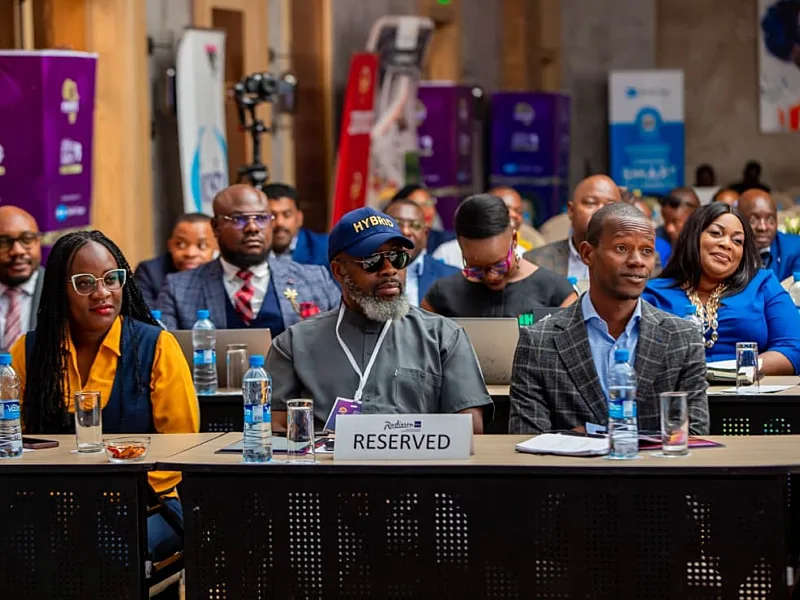
The shift is visible across the continent. More than $11 billion in renewable energy investments were announced at a recent France-Africa summit in Nairobi, including clean cooking, hydropower, solar and wind projects.
At the same time, the World Bank’s Mission 300 platform says it plans to direct up to $30 billion toward Africa’s energy sector by 2030, as part of efforts to connect 300 million people to electricity.
However, the momentum comes with a warning. Climate finance is tightening, ESG expectations are rising, and African countries must compete harder for capital while still addressing poverty, energy access and climate shocks.
Green Investment Is Rising, But Unevenly
Africa’s sustainability landscape is no longer defined by one issue. It is now a convergence of energy access, climate adaptation, green industrialisation, carbon markets, ESG reporting and responsible investment.
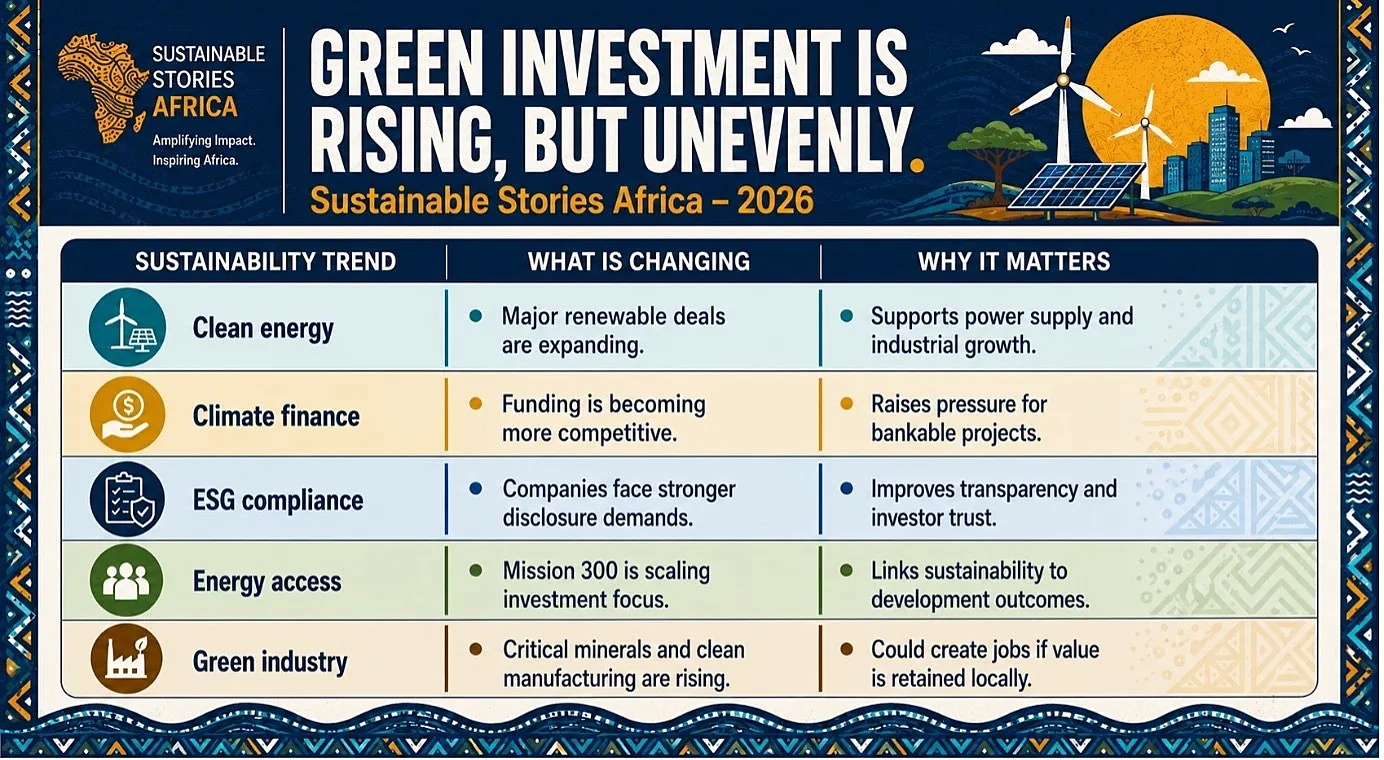
The challenge is that finance is not moving evenly. A recent Financial Times report said the UK has cut its pledge to the Green Climate Fund by more than £800 million, raising concerns that wealthy countries are pulling back from climate finance commitments.
For African businesses, this creates a new reality. Sustainability can no longer be treated as branding.
Banks want credible transition plans. Investors want measurable risk management. Export markets want emissions data. Communities want projects that create value locally.
Sustainability Can Build Real Resilience
If Africa gets this transition right, sustainability can become a development engine rather than a compliance burden.
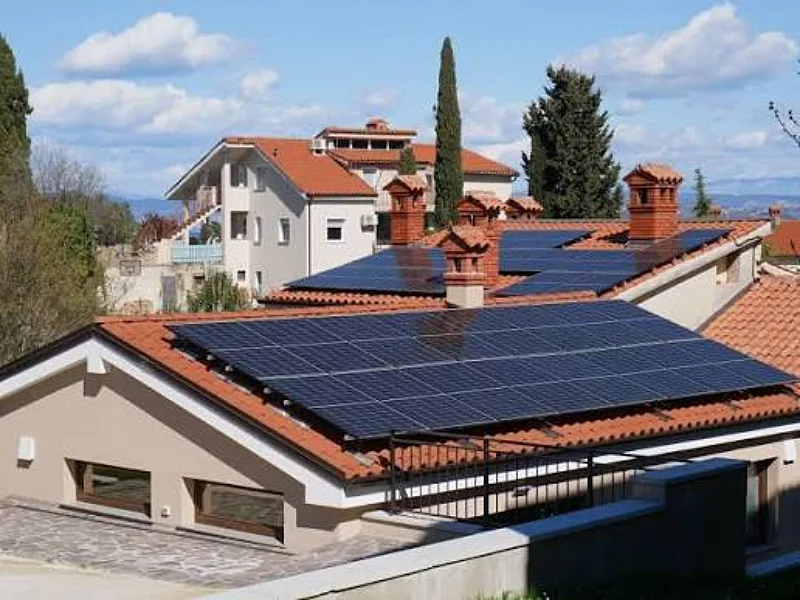
Cleaner energy can reduce diesel dependence, improve business productivity and support manufacturing. Stronger ESG reporting can attract patient capital.
Better climate adaptation can protect farms, cities and infrastructure from floods, drought and heat stress.
Green industrialisation can help African countries move beyond raw commodity exports into processing, manufacturing and technology-enabled value chains.
The human impact is direct.
- A mini-grid can keep a rural clinic open at night.
- A clean cooking programme can reduce household air pollution.
- A climate-smart irrigation project can protect a farmer’s income.
- A transparent ESG framework can help a pension fund decide where workers’ savings are invested.
However, the losses from inaction are also clear: stranded assets, weaker exports, higher disaster costs and communities locked out of the green economy.
Africa Must Own The Transition
The next phase requires stronger African ownership.
- Governments should improve project preparation, streamline permits, strengthen disclosure rules and protect communities affected by large infrastructure projects.
- Companies must move from broad sustainability statements to measurable targets: emissions, water use, worker safety, local procurement, gender inclusion and community impact.
- Financial institutions should support credible transition finance, especially for sectors that cannot decarbonise overnight but can reduce emissions steadily.
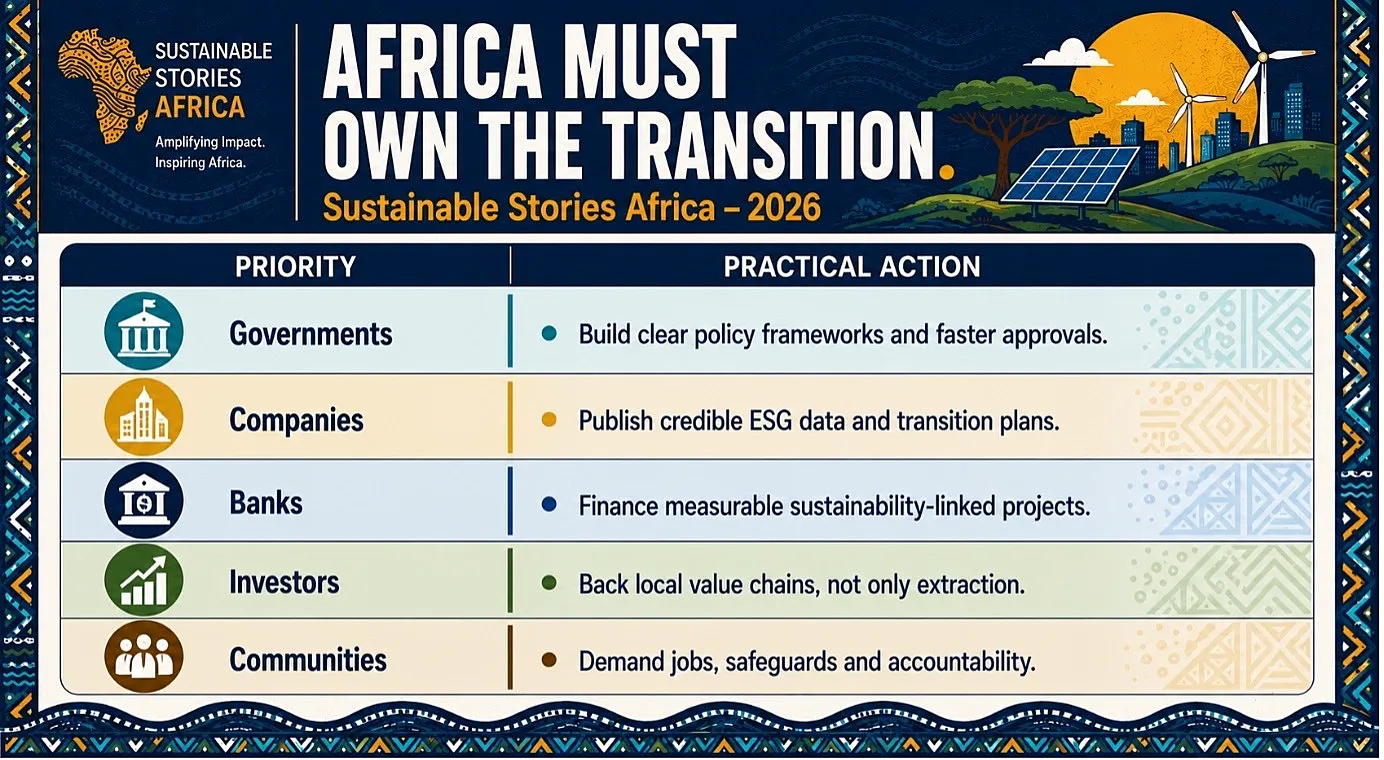
Africa’s sustainability future will not be built by announcements alone. It will depend on execution, data, trust and institutions strong enough to ensure that green investment becomes inclusive development.
Path Forward – Make Sustainability Practical, Local, and Measurable
Africa’s path forward is to turn sustainability into delivery: electricity access, resilient infrastructure, credible ESG reporting and jobs in green industries.
The priority now is disciplined implementation. Governments, financiers and businesses must build projects that are bankable, locally beneficial and transparent.
That is how sustainability becomes not just a climate agenda, but a growth strategy.
Culled From: Sustainability News Africa