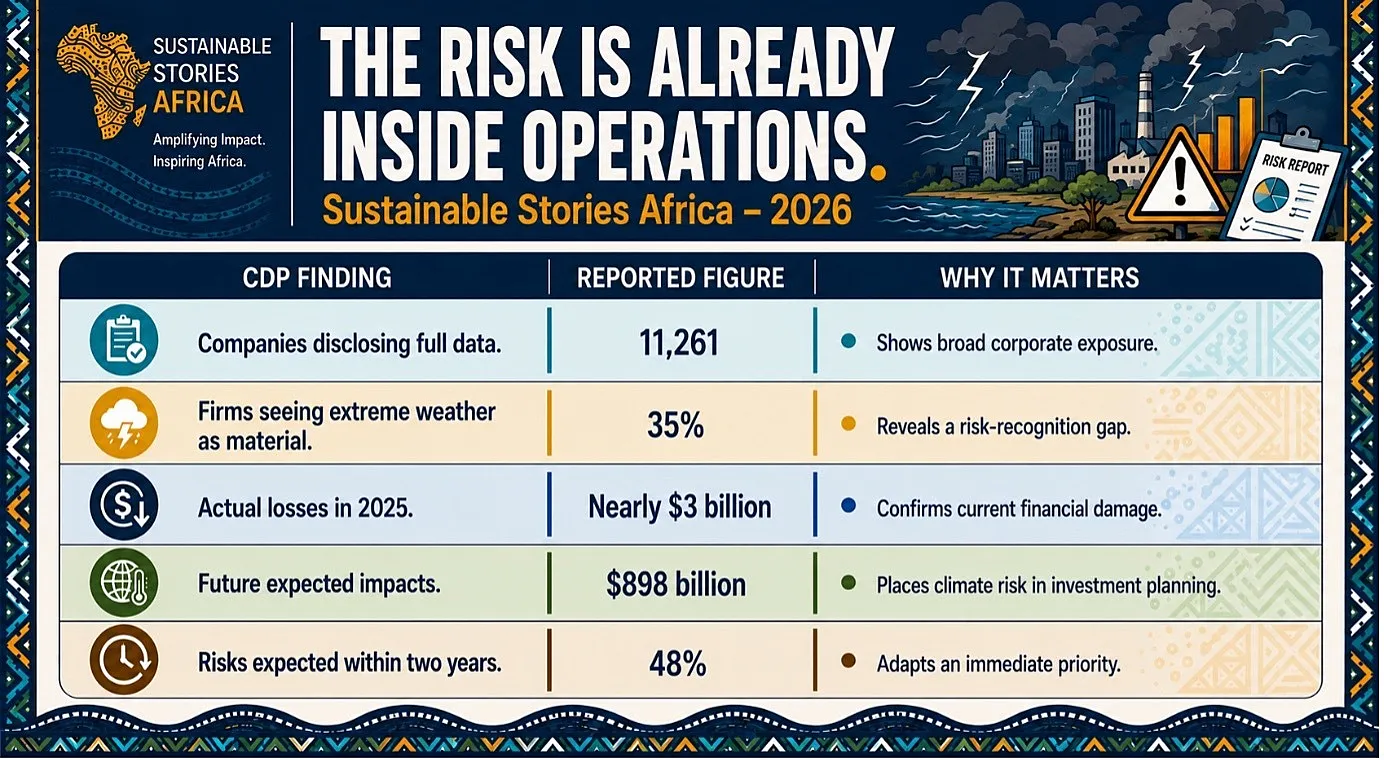
CDP says companies expect $898 billion in future financial impacts from extreme weather.
The warning follows nearly $3 billion in reported real losses in 2025 alone.
For Africa, the message is urgent: climate adaptation is now core economic infrastructure, not charity.
Climate Risk Has Become Financial Risk
Extreme weather is no longer only a humanitarian or environmental concern; it is becoming a balance-sheet risk for companies, cities and financial systems.
A new CDP analysis released on May 12, 2026, found that companies disclosing environmental data expect $898 billion in future financial impacts from extreme weather, driven largely by flooding, cyclones and heavy rain.
However, only 35% of the 11,261 companies that disclosed full environmental data through CDP in 2025 identified extreme weather as a material financial risk.
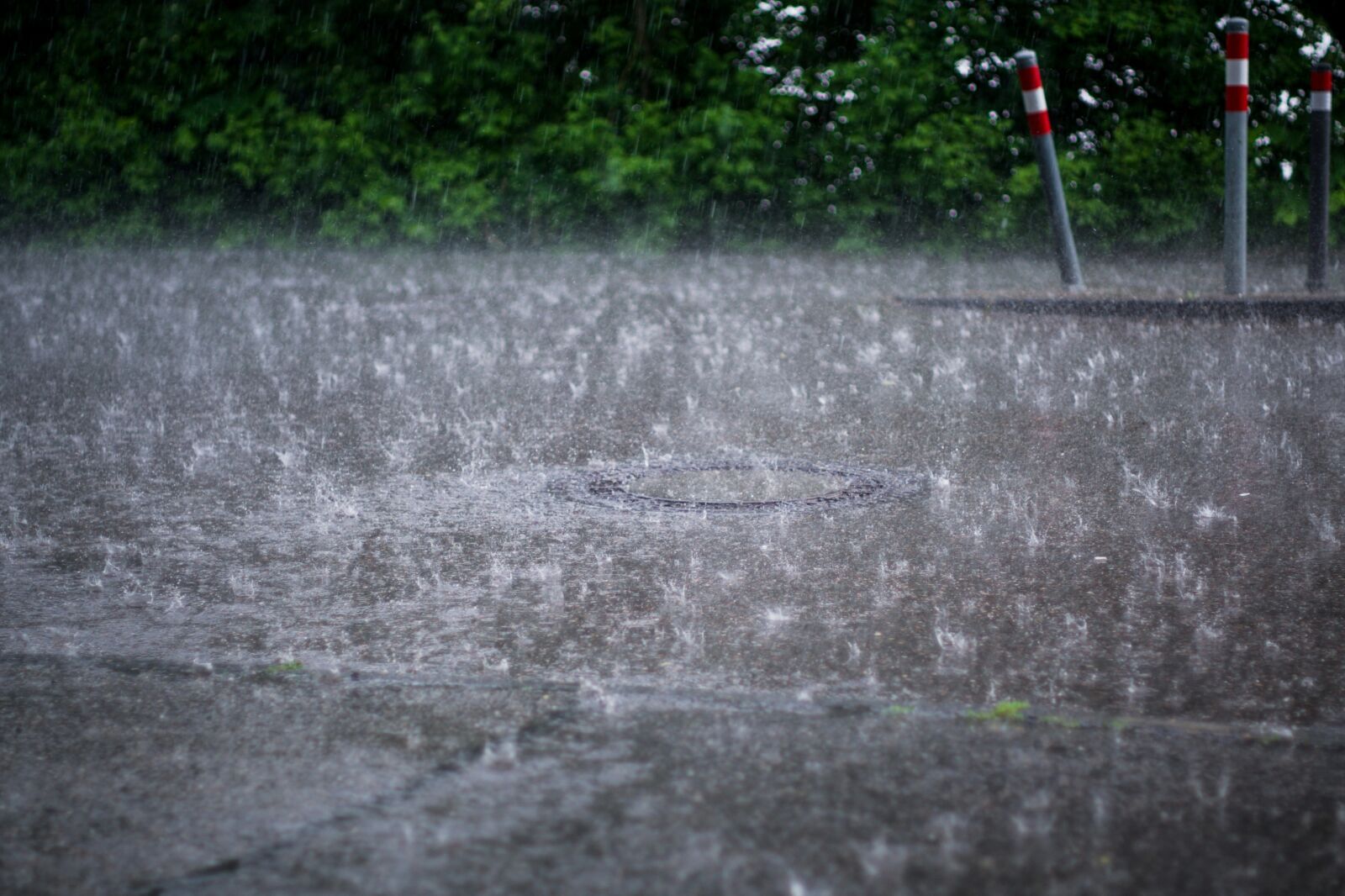
The gap matters because losses are already happening. Companies reported nearly $3 billion in actual extreme-weather losses in 2025, with heavy rain alone accounting for $1.5 billion across the firms disclosing.
The Risk Is Already Inside Operations
CDP’s findings show that extreme weather is hitting companies through direct costs, production shutdowns, damaged assets and disrupted logistics.
Future losses are expected to come mainly from reduced production capacity and asset impairment or early retirement, with risks spreading through infrastructure, supply chains, insurance markets and public services.
For African markets, the implications are immediate. Floods can damage roads linking farms to cities. Heat can reduce worker productivity.
Drought can weaken hydropower and agriculture. Heavy rainfall can disrupt ports, mines, factories and informal settlements where infrastructure is already under pressure.
CDP also found that 62% of cities, states and regions reporting through its platforms are already significantly affected by extreme weather. More than 60% expect hazards such as extreme heat, urban flooding and drought to increase in intensity, frequency or both.
Adaptation Can Protect Growth
The strongest message from CDP’s report is not despair; it is prevention. The cost of mitigating environmental risks is far lower than the financial damage they can cause.
CDP’s 2025 Disclosure Dividend report found that the median environmental risk cost per company was $39.4 million, compared with $3.1 million to mitigate those risks, nearly 13 times lower.
That difference should change how boards, banks and governments treat adaptation. Drainage systems, resilient roads, climate-smart agriculture, early-warning systems, cooling infrastructure and insurance design are not side projects. They are economic protection.
For a Lagos trader whose market floods after heavy rain, or a farmer in northern Ghana facing unpredictable seasons, adaptation is not a future debate.
It is the difference between income and loss.
Boards Must Price Physical Climate Risk
Companies must stop treating extreme weather as an external shock and start managing it as a system-exposed business risk. CDP is calling on firms to recognise their dependence on shared systems such as infrastructure, utilities and logistics networks, rather than focusing only on individual assets.
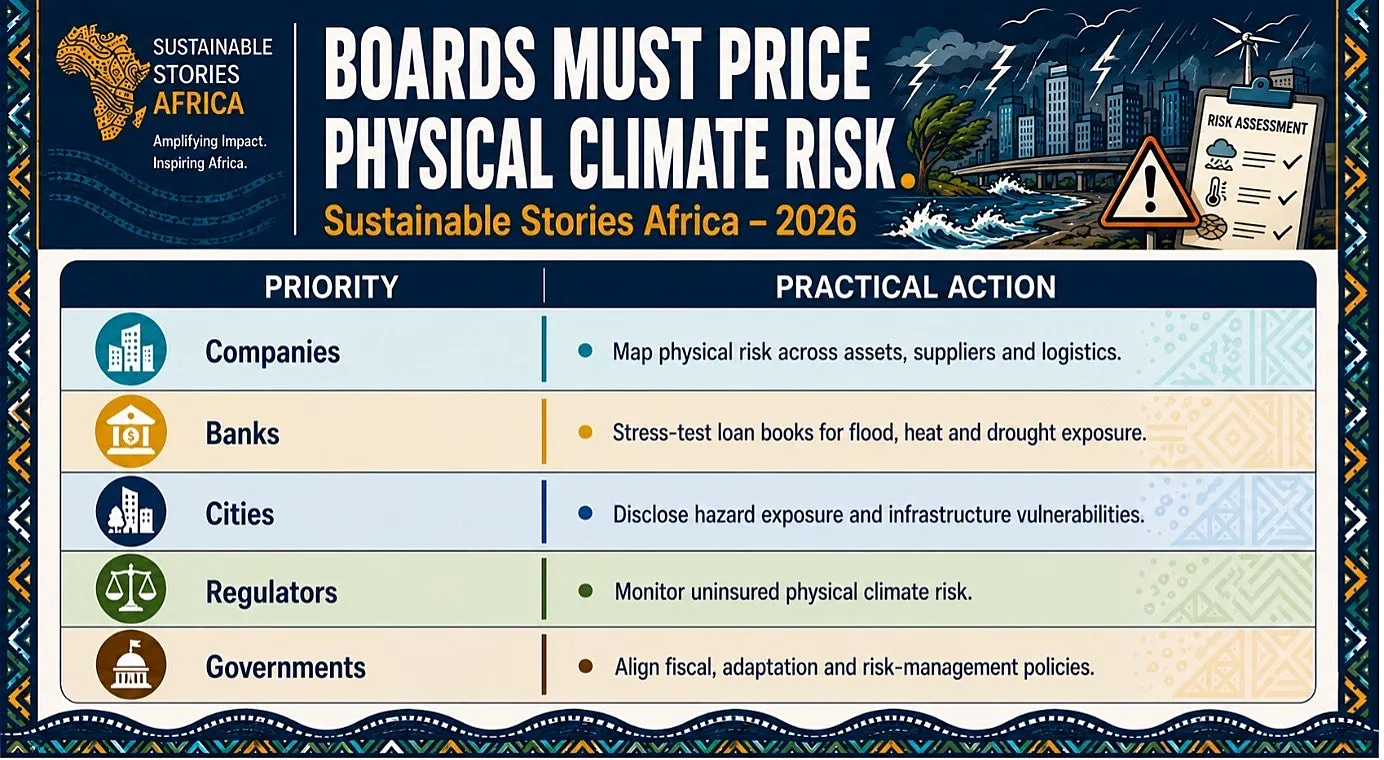
African policymakers should also make adaptation finance easier to access. Cities and regions reporting to CDP identified an adaptation funding gap of at least $34 billion, while 46% said budget constraints limit their ability to adapt.
Path Forward – Make Adaptation A Core Economic Strategy
Extreme weather is now reshaping production, finance, insurance and public infrastructure. Africa cannot afford to treat adaptation as optional.
The path forward is practical: disclose risks, finance resilience, protect cities, upgrade infrastructure and help businesses prepare before disasters hit. The cost of action is rising, but the cost of delay is already visible.