Nigeria’s investment landscape is at a turning point as capital market reforms deepen.
At the Nairametrics Money Fair – WISE 1.0, Bolaji Balogun outlined how global capital flows and local participation gaps are shaping outcomes.
The stakes are high: without broader equity ownership, wealth creation and economic resilience may remain constrained.
A Capital Market at a Crossroads
Nigeria’s economic future may depend less on external capital and more on how its citizens invest at home.
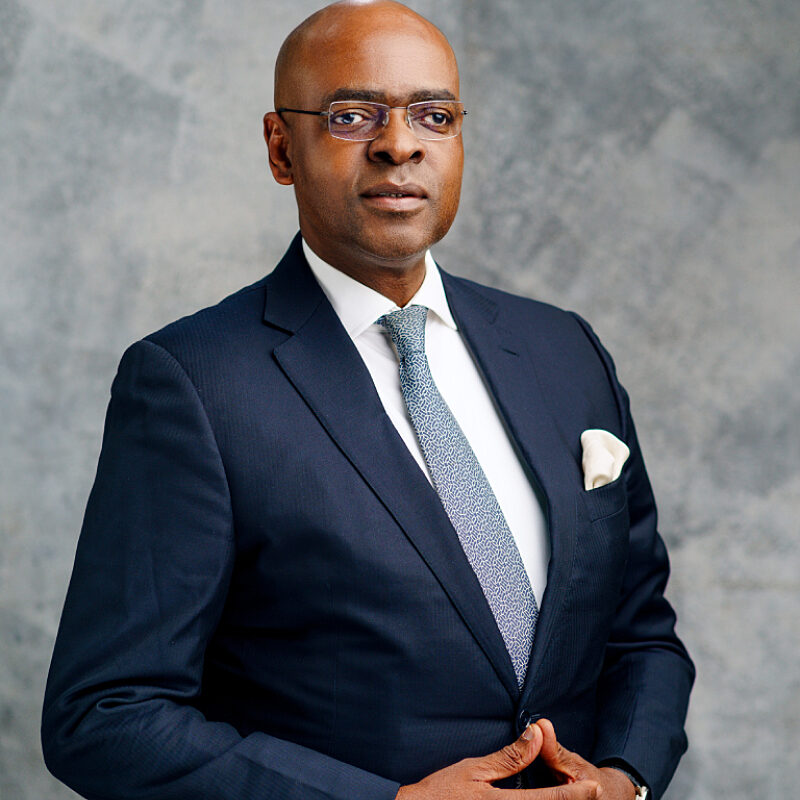
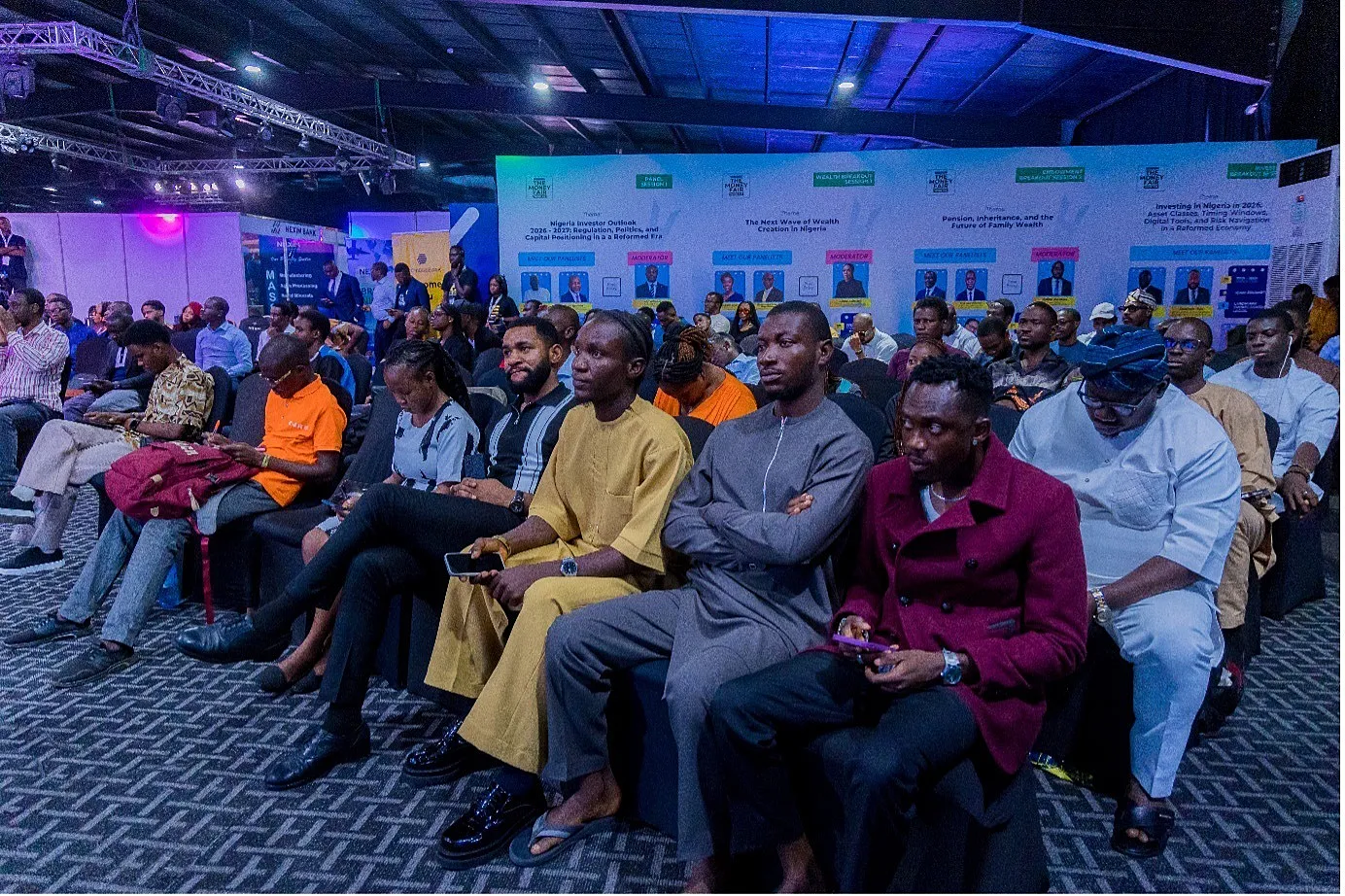
Giving the keynote address at the Nairametrics Money Fair WISE 1.0, Bolaji Balogun, CEO of Chapel Hill Denham, delivered a stark message: Nigeria is undervalued, misunderstood globally, and underinvested locally.
Despite being one of Africa’s largest economies and projected to have a population of approximately 490 million people by 2075, Nigeria continues to face high borrowing costs due to global misperceptions of risk.
However, according to Balogun, the country holds significant untapped value, from natural resources to state-owned assets, that could fundamentally reshape its financial standing if properly leveraged.
Global Signals, Local Realities
Balogun framed his remarks within a broader global context: emerging markets, particularly in Africa, are becoming increasingly central to global demand and economic direction.
However, Africa, and Nigeria in particular, still struggles to compete effectively for capital.
He pointed to a paradox: while Nigeria’s macroeconomic framework has stabilised and key reforms are underway, global ratings agencies continue to underestimate the country’s true economic potential.
This disconnect, he argued, distorts access to capital and raises financing costs.
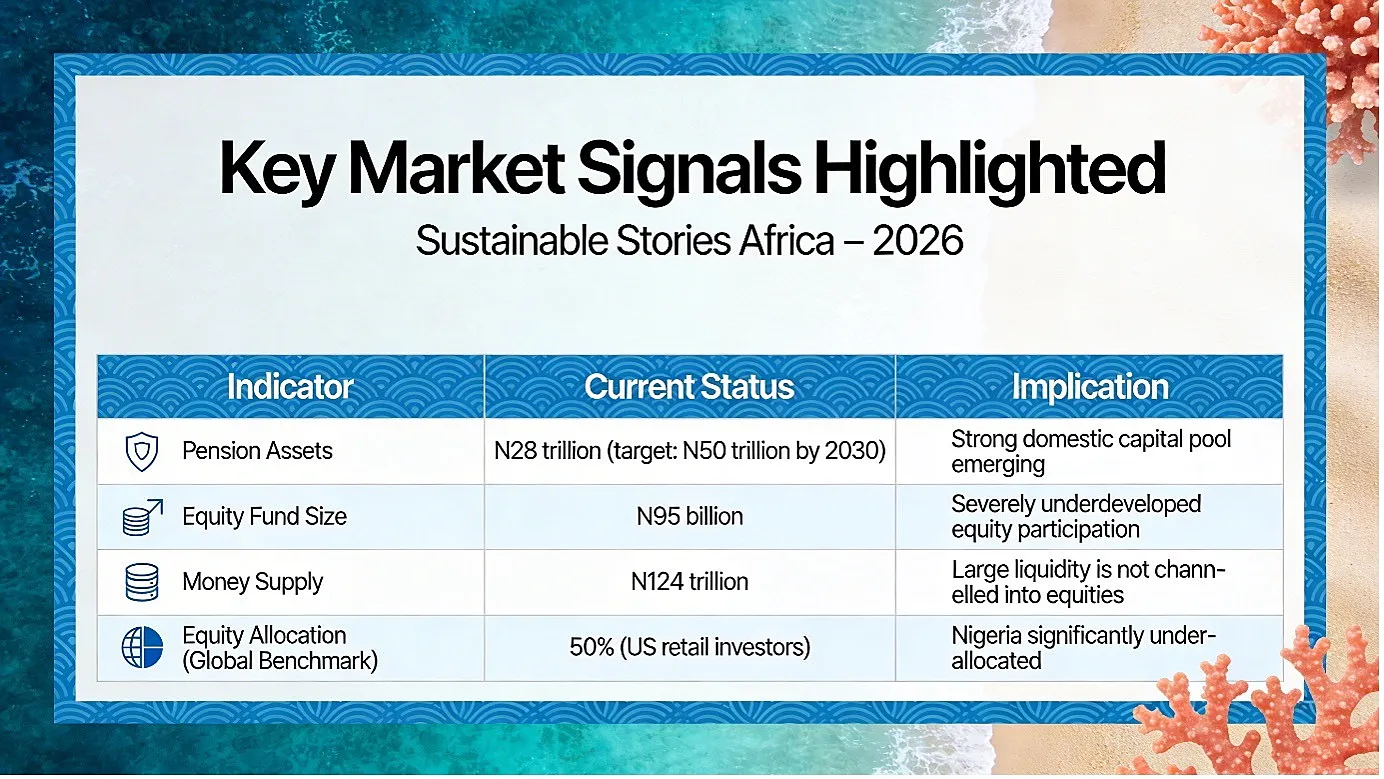
Key Market Signals Highlighted
Indicator | Current Status | Implication |
|---|---|---|
Pension Assets | N28 trillion (target: N50 trillion by 2030) | Strong domestic capital pool emerging |
Equity Fund Size | N95 billion | Severely underdeveloped equity participation |
Money Supply | N124 trillion | Large liquidity is not channelled into equities |
Equity Allocation (Global Benchmark) | 50% (US retail investors) | Nigeria significantly under-allocated |
Balogun emphasised that Nigeria’s financial system is undergoing structural change, driven by reforms such as the Investment and Securities Act 2025, new capital requirements, and faster settlement cycles.
These changes, he noted, are quietly transforming market infrastructure and investor confidence.
Beyond policy, structural shifts in the real economy, such as domestic refining capacity expansion and new port investments, are beginning to alter Nigeria’s industrial and trade dynamics.
What Nigeria Gains If It Gets This Right
At the heart of Balogun’s argument is a simple but powerful idea: equity ownership drives wealth creation.
He illustrated this with global comparisons, noting that countries that successfully lifted large populations out of poverty, such as the United States, did so in part through widespread equity participation.
In contrast, Nigeria’s current structure concentrates savings in low-risk instruments like money market and bond funds, limiting wealth growth.
“The best equities in Nigeria trade at low multiples, yet participation remains minimal,”
Balogun noted, pointing to missed opportunities for both individuals and the broader economy.
If Nigeria succeeds in shifting even a fraction of its domestic liquidity into equities, the implications could be transformative:
- Increased household wealth accumulation
- Stronger domestic financing for businesses
- Reduced dependence on foreign capital
- Greater resilience against global shocks
Equally important is the role of digitalisation. Platforms like investment apps and financial education tools are lowering barriers to entry, making markets more accessible to younger and retail investors.
A Call to Rebuild Trust and Mobilise Capital
Balogun’s call to action was direct and multi-layered: Nigeria must mobilise domestic capital, deepen equity markets, and rebuild trust.
He highlighted several urgent priorities:
- Expand equity participation – Encourage individuals to invest beyond savings and fixed-income instruments
- Accelerate privatisation – Unlock dormant public assets to deepen market listings
- Strengthen governance – Address unlicensed operators and improve transparency
- Develop risk capital pools – Support SMEs, entrepreneurs, women, and youth-led businesses
- Leverage AfCFTA – Position Nigeria within Africa’s largest trade bloc to drive long-term growth
Perhaps most striking was his warning on capital dependency:
“If young Nigerians continue raising capital externally, we risk recolonising ourselves economically.”
This underscores a deeper structural concern: without strong domestic capital markets, economic sovereignty remains fragile.
PATH FORWARD – Deepening Markets, Unlocking Domestic Capital
Nigeria must prioritise equity culture, privatisation, and investor education to unlock sustainable wealth creation. Stronger governance and digital access will be critical in rebuilding trust and expanding participation.
As reforms take hold, aligning domestic capital with national development goals could redefine Nigeria’s growth trajectory, turning latent liquidity into productive investment and long-term prosperity.